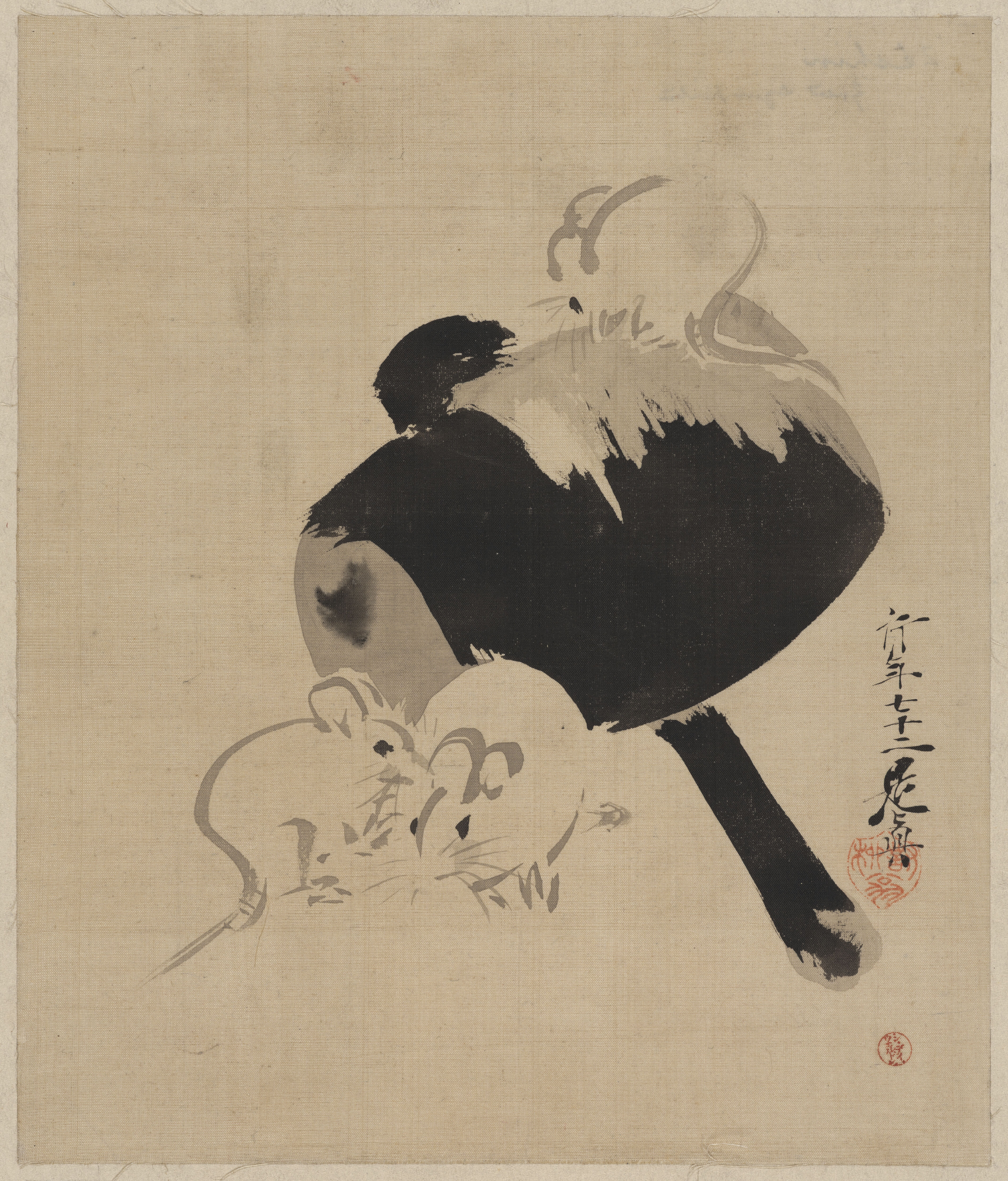
Miniature Album of Lacquer Paintings — History & Analysis
Is this a mirror — or a memory? In the delicate world of lacquer paintings, every brushstroke seems to capture a moment suspended in time, inviting us to reflect on the intricate dance between reality and our perceptions of it. Look closely at the shimmering surface where vivid colors spiral into serene patterns. Notice how the gold and silver accents catch the light, creating a luminous quality that draws you in. The masterful use of layering not only enhances the depth but also evokes a sense of mystery, as if each layer holds a story waiting to be unveiled.
The meticulous detail in the flora and fauna leads the eye across the canvas, encouraging exploration of the hidden realms within this miniature world. Yet, beneath the surface beauty lies a profound exploration of destiny and transience. The juxtaposition of ephemeral subjects—flowers blooming in vibrant hues—against the enduring medium of lacquer speaks to the fleeting nature of life. Each element seems to whisper secrets of the past, while the delicate craftsmanship suggests a reverence for the present.
This tension between permanence and impermanence invites contemplation on our own paths and choices. Created in 1887 during the Meiji period, the artist was navigating a time of significant cultural transformation in Japan. Traditional arts were melding with Western influences, prompting a renewed interest in indigenous techniques. Shibata Zeshin, renowned for his lacquer work, embraced this evolving artistic landscape, seeking to elevate Japanese aesthetics on the global stage, while simultaneously grounding his art in the rich history of his homeland.