De Gelderse Kade te Amsterdam — History & Analysis
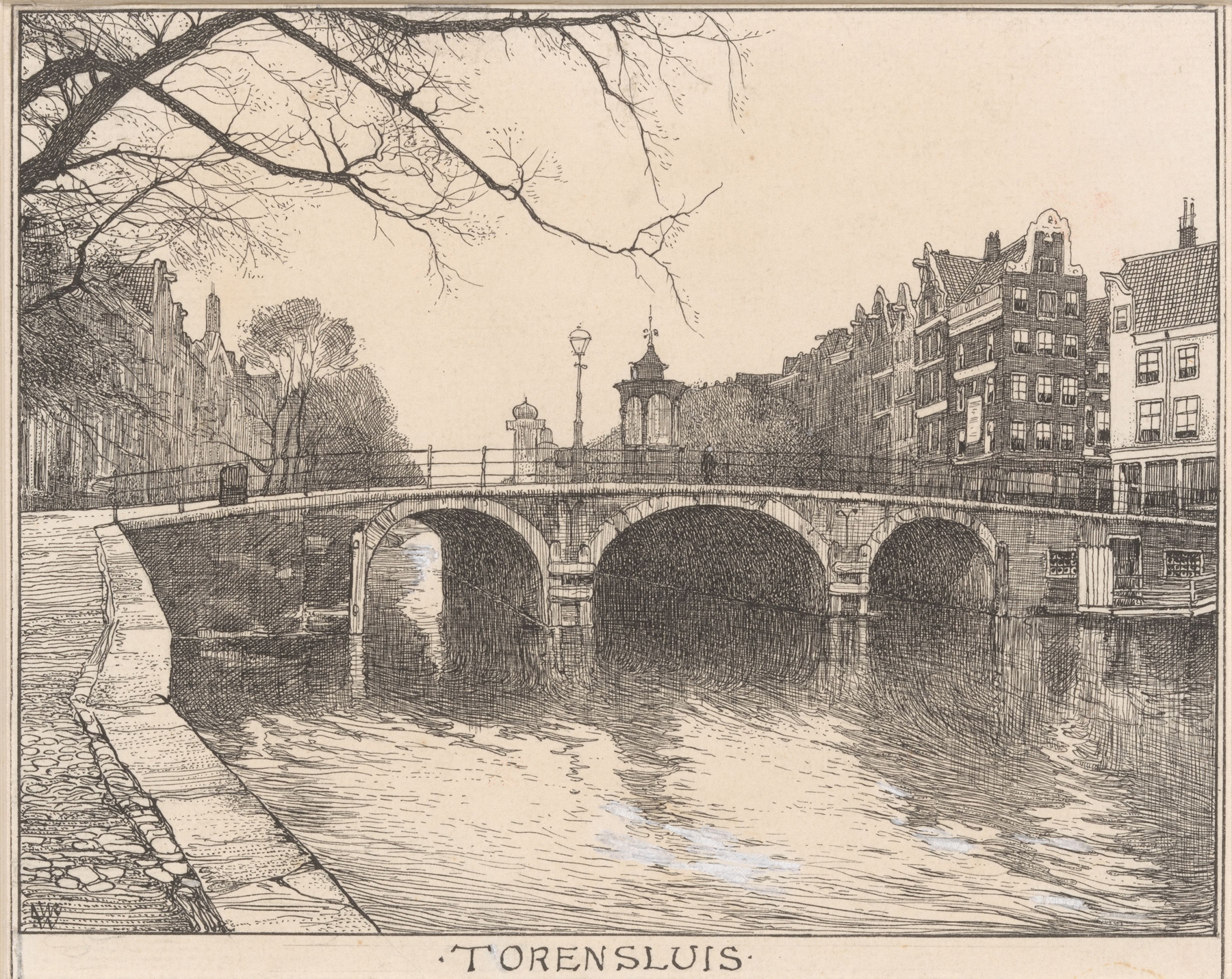
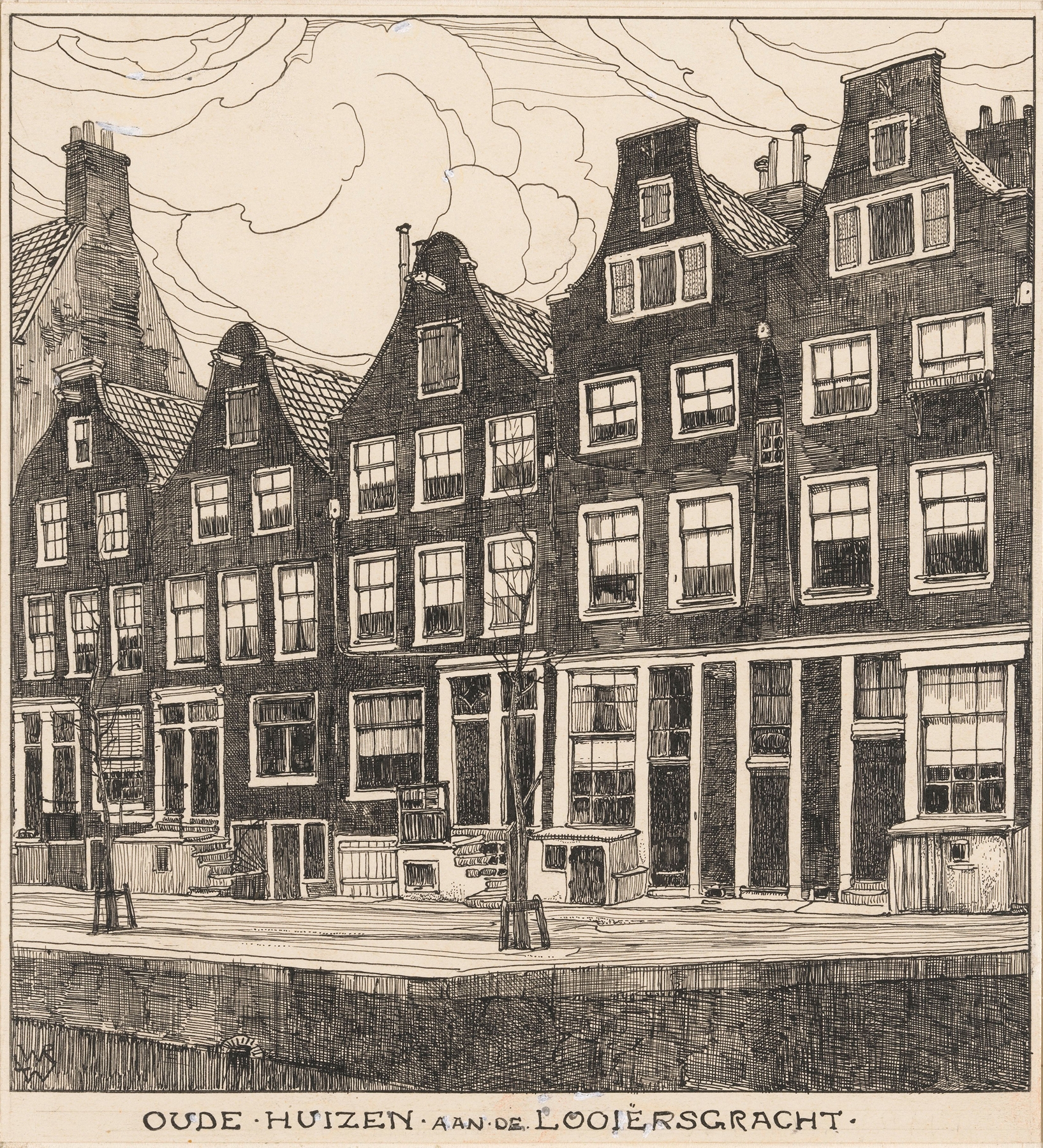
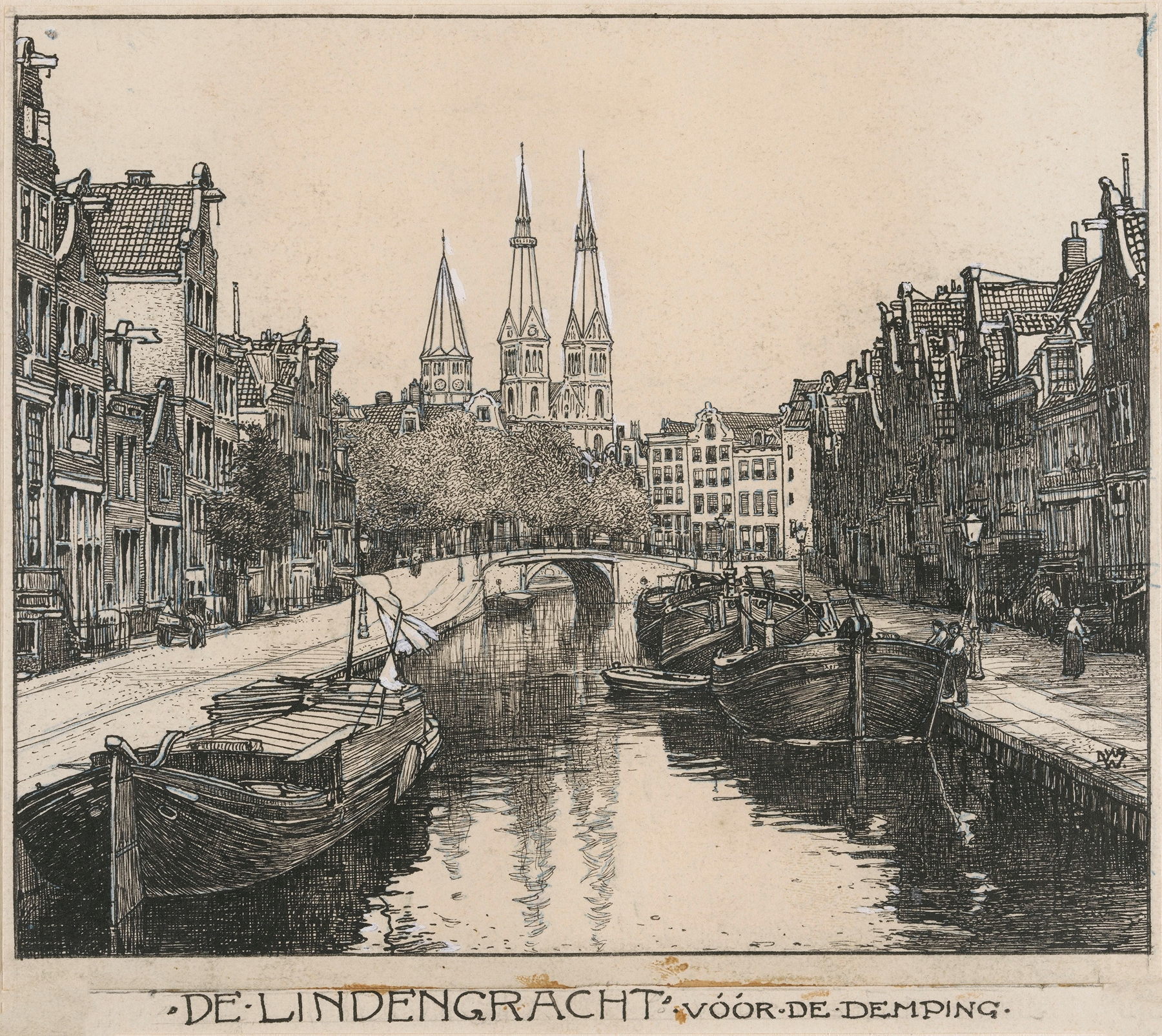
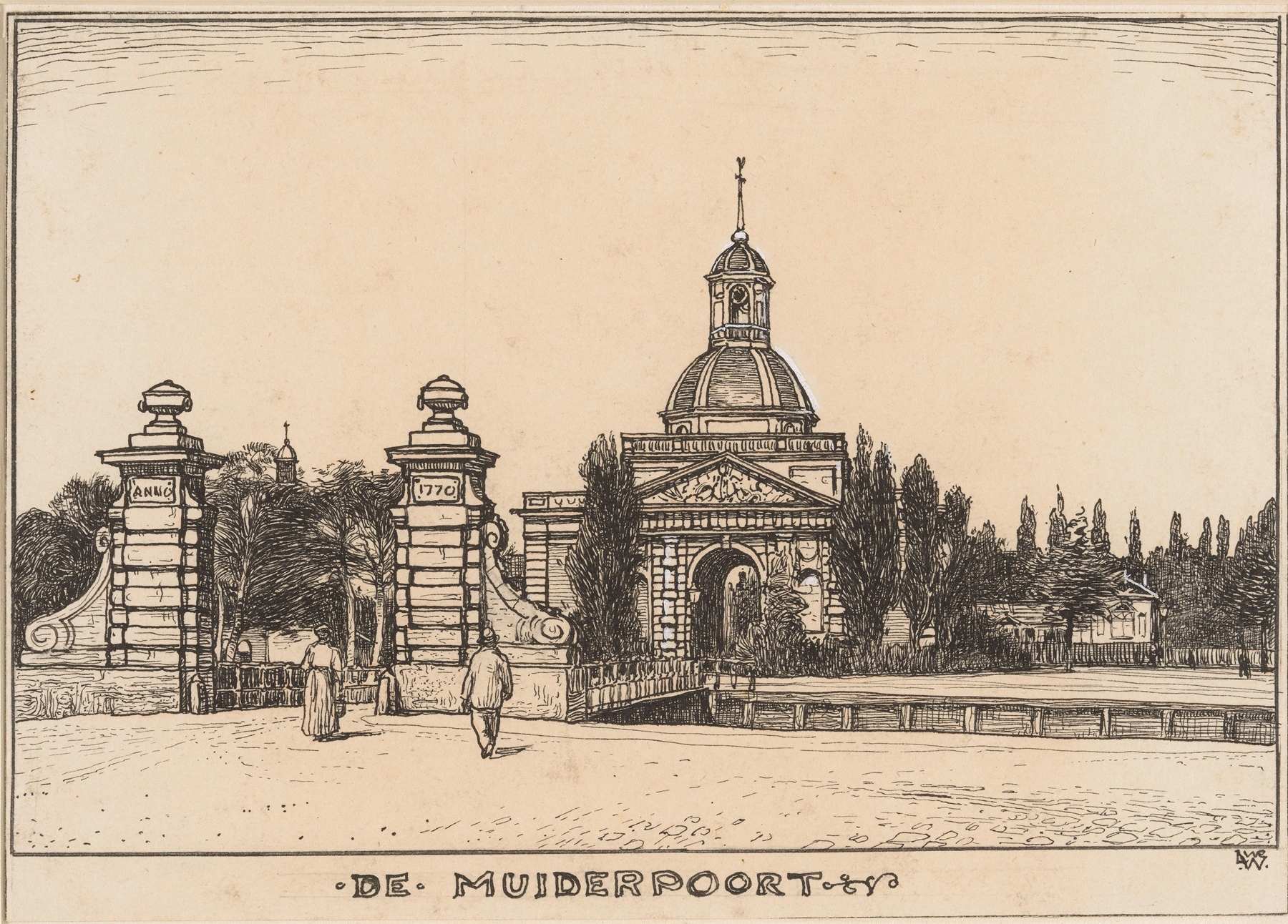
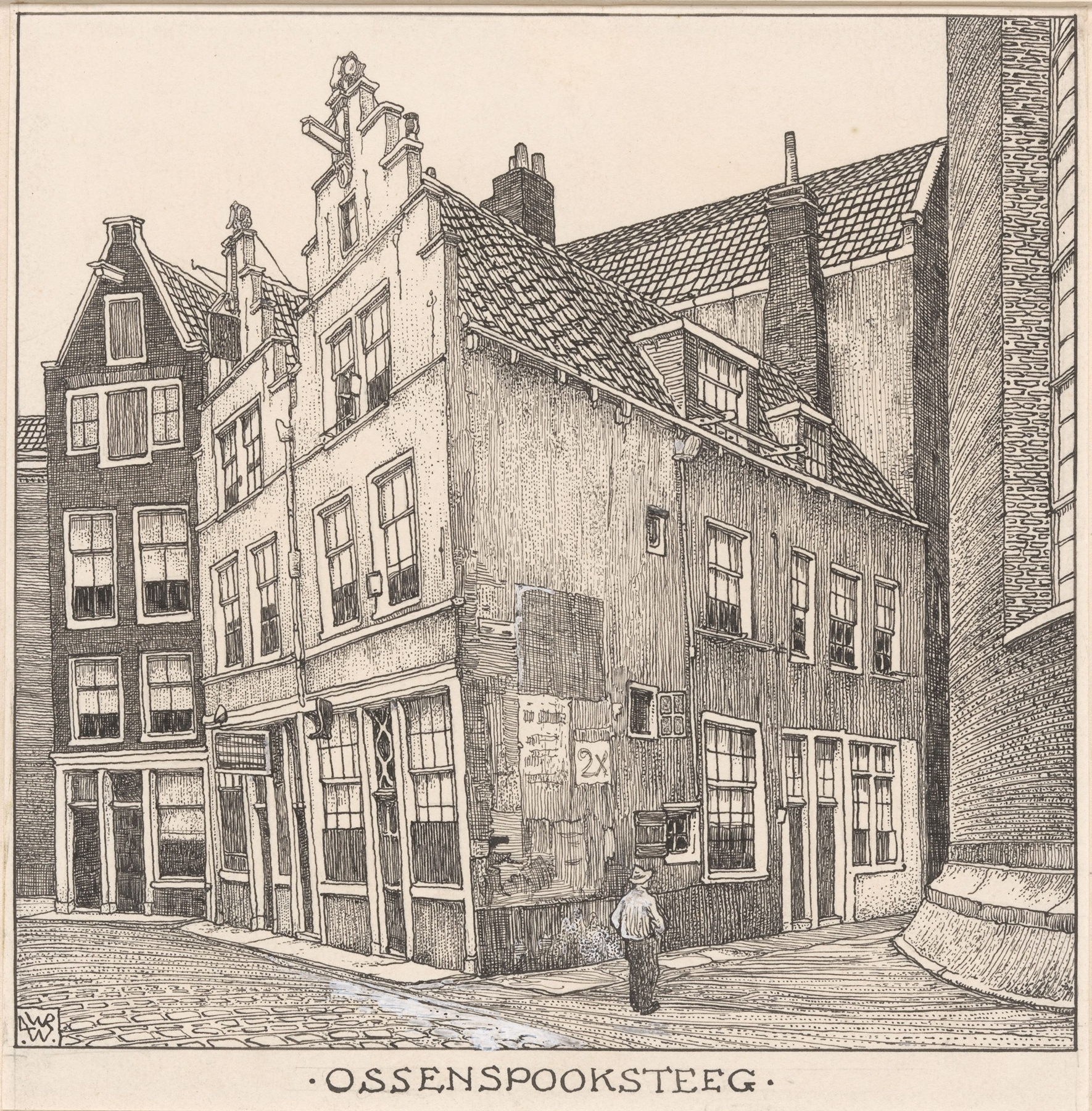
When did color learn to lie? In a world where hues weave intricate tales, the canvas invites us into a dialogue of betrayal, where beauty and deception dance in an alluring embrace. Begin by examining the vibrant strokes that fill the canvas, declaring the scene of Amsterdam’s canals. Look closely at the reflections in the water, where vivid greens and deep blues intermingle, creating an illusion of depth and movement. Notice how the light plays upon the surface, shifting our perception of reality.
The architecture that lines the banks offers a stark contrast, its rigid lines softened by the rippling liquid beneath, creating a push and pull between solidness and fluidity. As your gaze navigates the scene, consider the emotional tension embedded within the composition. The juxtaposition of the serene water and the bustling life above hints at hidden stories yearning to surface. Perhaps there’s a narrative of unspoken words and concealed emotions lurking behind the vibrant facade of color.
Each brushstroke seems to whisper of the duality of beauty—how it can enchant while simultaneously mask deeper truths of betrayal. Created in the 20th century, this work emerged during a period of great change and experimentation in the art world. Wenckebach was influenced by modernist movements that sought to break from traditional representation, embracing abstraction and emotional resonance. In Amsterdam, the city’s lively atmosphere and rich history informed his artistic vision, capturing a moment where the contemporary met the timeless, revealing layers beneath its vivid surface.