Bakkersgang te Amsterdam — History & Analysis
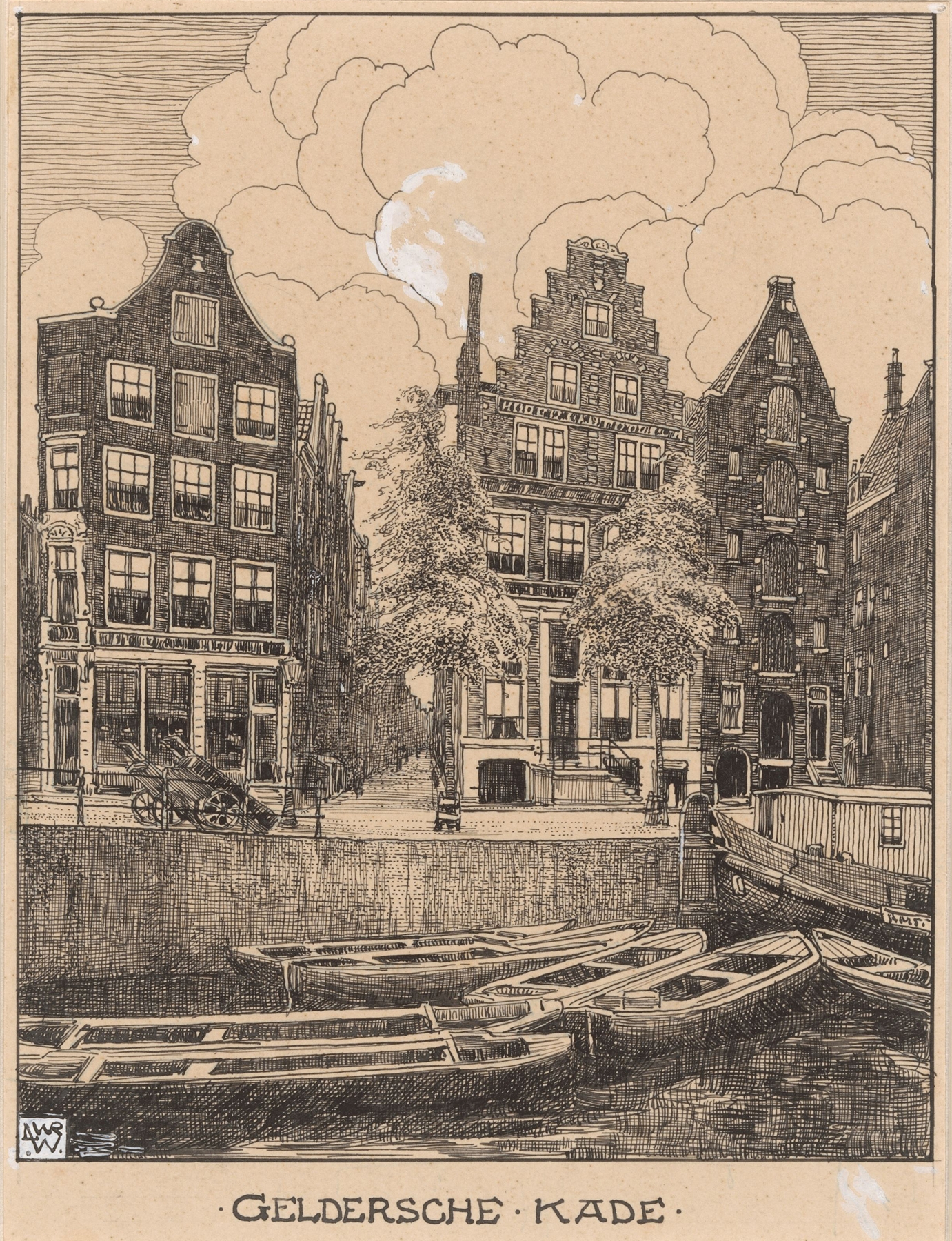
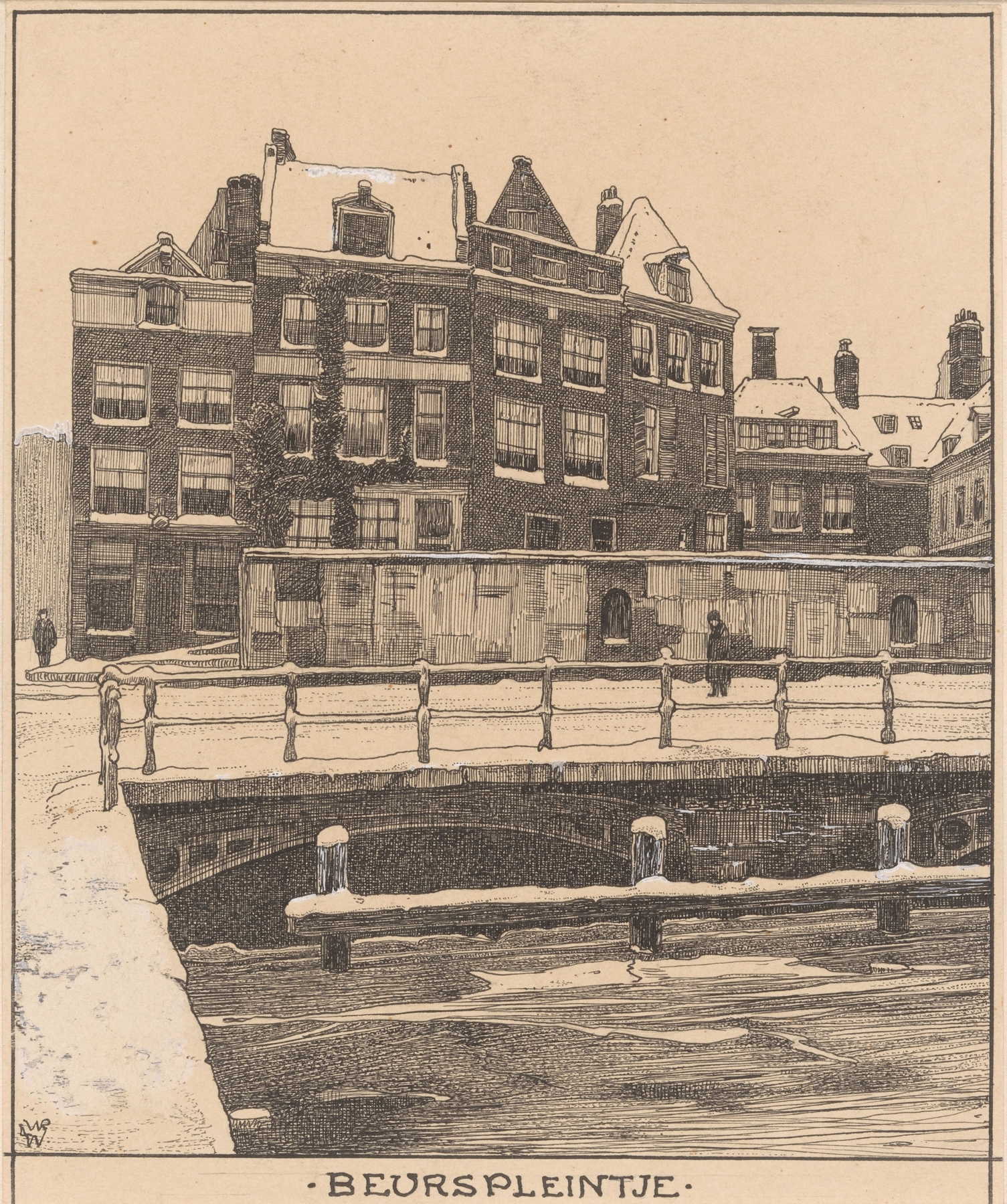
Did the painter know this moment would outlive them? In Bakkersgang te Amsterdam, the quiet streets resonate with an undercurrent of tension, a whisper of violence lurking beneath the surface of everyday life. Look to the left at the solitary figure shrouded in shadow, their posture conveying unease as they navigate the narrow alley. The muted palette of browns and grays adds a sense of foreboding, contrasting sharply with the warm glow emanating from the window of a distant bakery.
This interplay of light and shadow creates a visual dialogue, pulling the viewer's gaze into the heart of the scene, where the ordinary transforms into something sinister and unsettling. Deeper still, consider the juxtaposition of solitude and community—the lone figure against the backdrop of an otherwise vibrant street. The gentle light that spills from the bakery illuminates the promise of warmth and sustenance, yet the shadows hint at darker narratives beneath the surface. What stories lie untold in these alleys where hope and despair collide?
Each brushstroke captures a fleeting moment, yet encompasses a broader commentary on the human condition—simultaneously inviting and repelling. Wenckebach painted this work in the early 20th century, a time when Europe was grappling with the repercussions of industrialization and the tremors of impending conflict. Living in Amsterdam, he found inspiration in the contrasting aspects of urban life, capturing moments that spoke to the fragility of existence amidst the bustle of the city. In this environment, the artist's keen observation of his surroundings allowed him to distill complex emotions into powerful visual narratives.