Den Rædsomste Nat i Kiøbenhavn — History & Analysis
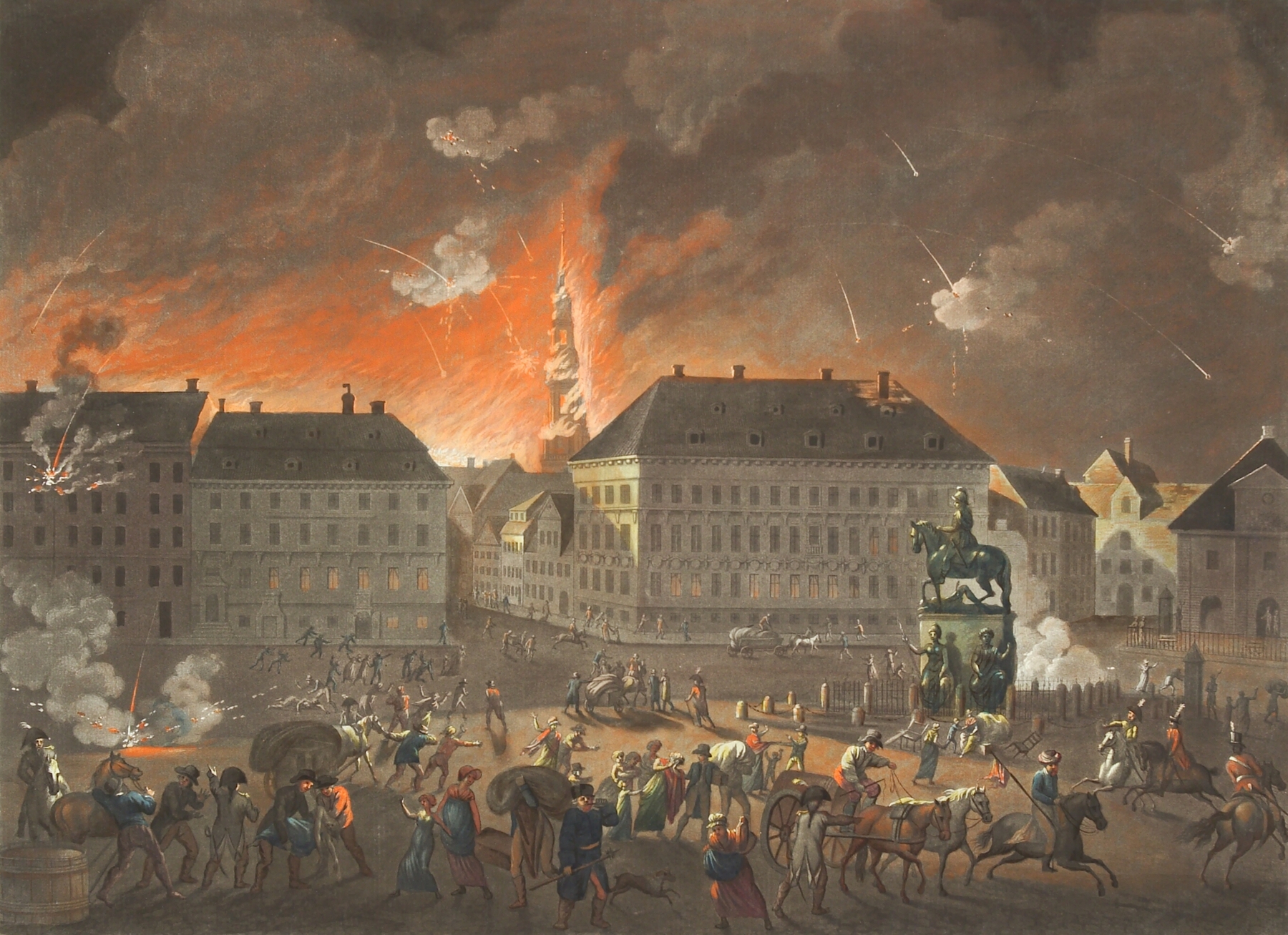
Can beauty exist without sorrow? In Den Rædsomste Nat i Kiøbenhavn, the interplay of light and shadow compels us to ponder this question through its haunting imagery and intricate details. Look closely at the foreground, where figures emerge from swirling darkness, their expressions a tapestry of fear and resolve. Notice how light, almost ghostly, pools around them, illuminating each face with a fragile glow amid the encroaching shadows. The painter’s delicate brushwork captures the tension in the air, a vivid contrast between the vibrancy of human emotion and the engulfing gloom.
The muted palette evokes an underlying despair, yet hints at the beauty found in resilience. Beneath the surface, the artwork reveals layers of obsession—an unyielding grip on fear and the fight against it. The tormented faces reflect not just personal anguish but a collective anxiety, perhaps mirroring societal unrest or disaster. This intricate balance of despair and hope speaks to the human condition, suggesting that even in the darkest moments, there exists an undeniable spark of beauty.
The curvilinear forms and chaotic composition further emphasize the turmoil, compelling viewers to confront their own feelings of vulnerability. Created during a tumultuous period of European history, Den Rædsomste Nat i Kiøbenhavn emerged from Johan Frederik Clemens's experiences in 19th-century Denmark, a time rife with political upheaval and cultural introspection. The artist navigated a changing world, capturing the essence of collective fear while also reflecting on his own artistic journey. In this work, he melds personal obsession with broader societal themes, creating a powerful visual narrative that resonates through time.