Design for a Theatre — History & Analysis
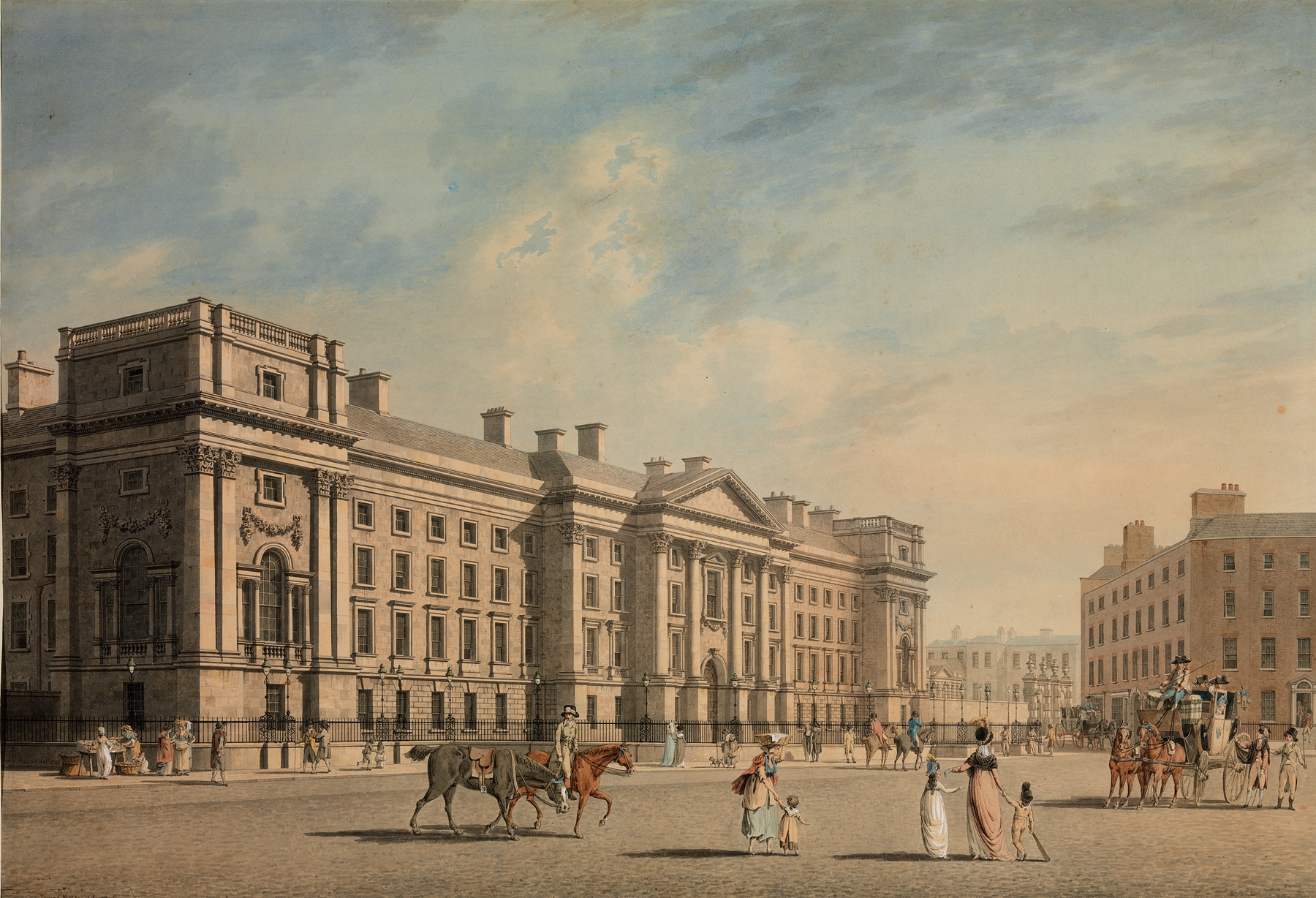
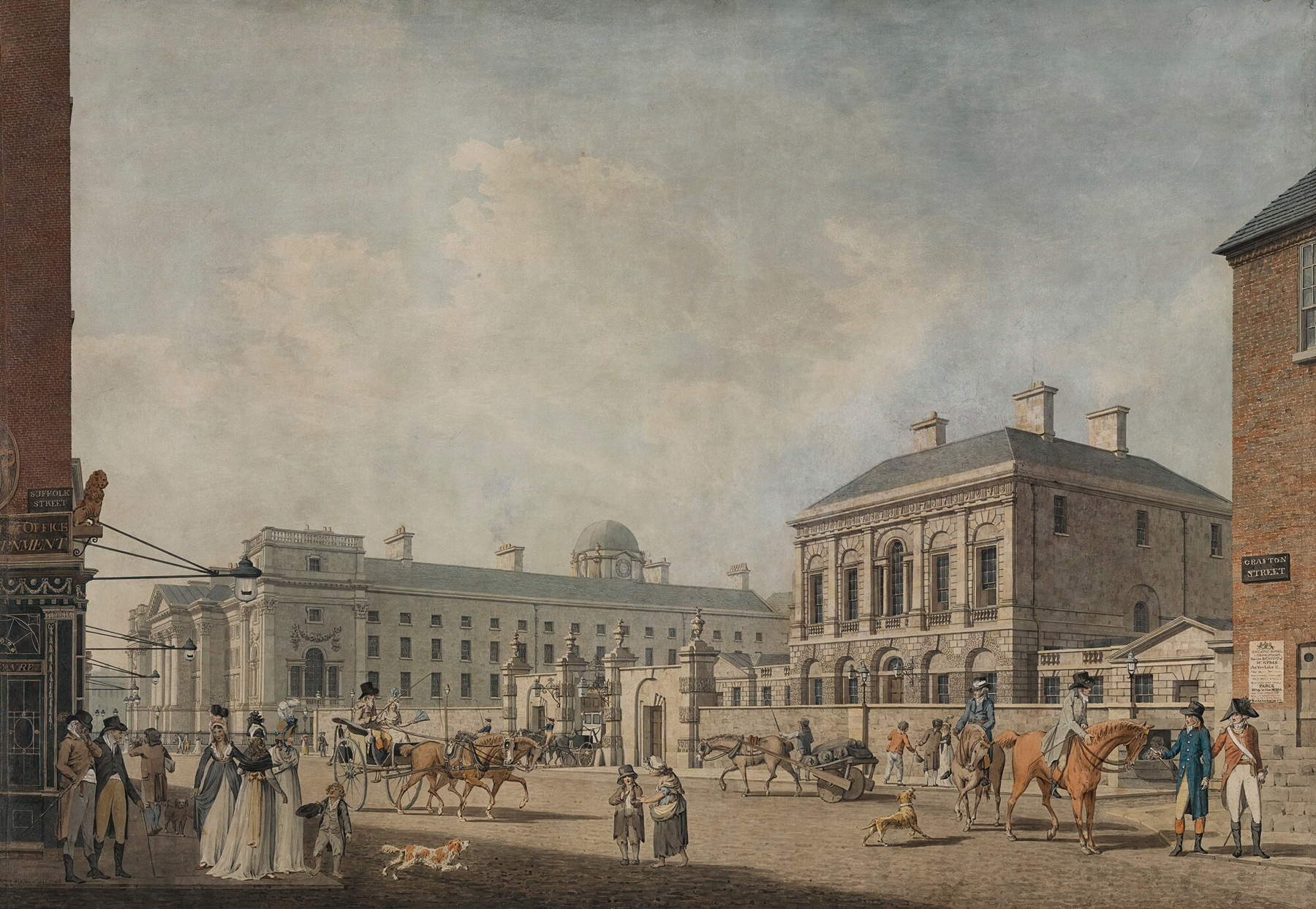
“Between color and silence, truth hides.” In the interplay of design and imagination, ecstasy emerges from the architecture of thought, beckoning us to explore beyond mere form. Focus on the intricate linework that forms the theatre's façade, where every curve and angle seems to breathe life into the space. Notice how the delicate interplay of shadows and highlights creates a palpable tension, allowing the viewer to feel the weight of anticipation in the air. The color palette, a marriage of muted earth tones and vivid accents, guides your gaze across the composition, illustrating not just a building, but a sanctuary for dreams, where stories come alive on stage.
As you delve deeper, the juxtaposition of solidity and ethereality becomes apparent. The sturdy columns stand resolute, symbolizing the enduring nature of art, while the swirling motifs evoke the ephemeral rush of creativity. This duality invites contemplation on the very essence of theatricality – a realm where reality and illusion dance together, revealing the ecstasy of artistic expression. Each detail, from ornate decorations to the spacious layout, speaks to a longing for connection and the transformative power of performance.
James Malton created this design during a time when the theatrical arts were flourishing in late 18th-century Britain, reflecting a burgeoning interest in neoclassical architecture. The era was marked by a desire to merge elegance with functionality, a quest that found expression in Malton's meticulous drafts. As he crafted this vision, he was not only contributing to the architectural landscape, but also capturing the zeitgeist of an age eager to celebrate the magic of the stage.