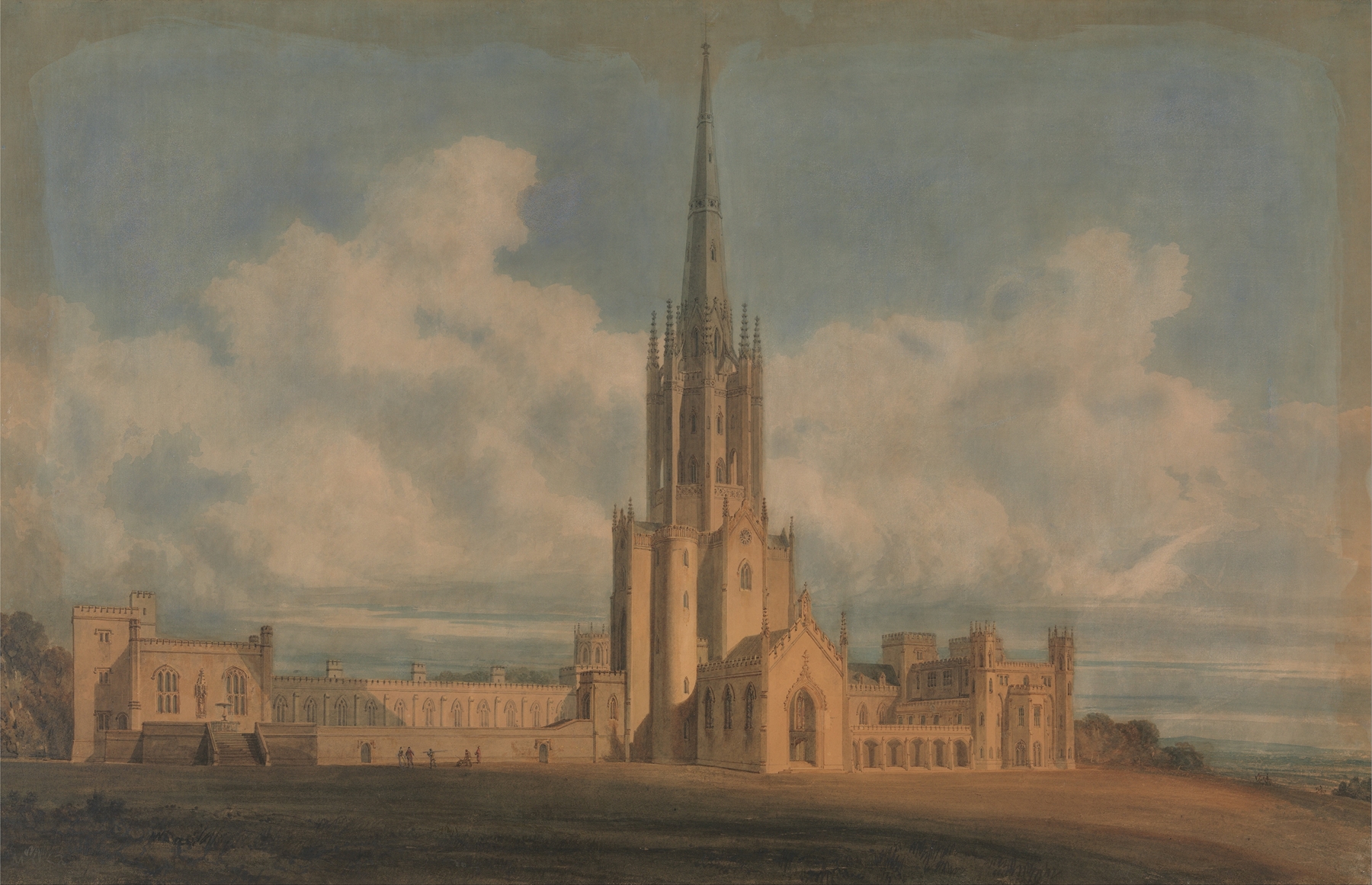
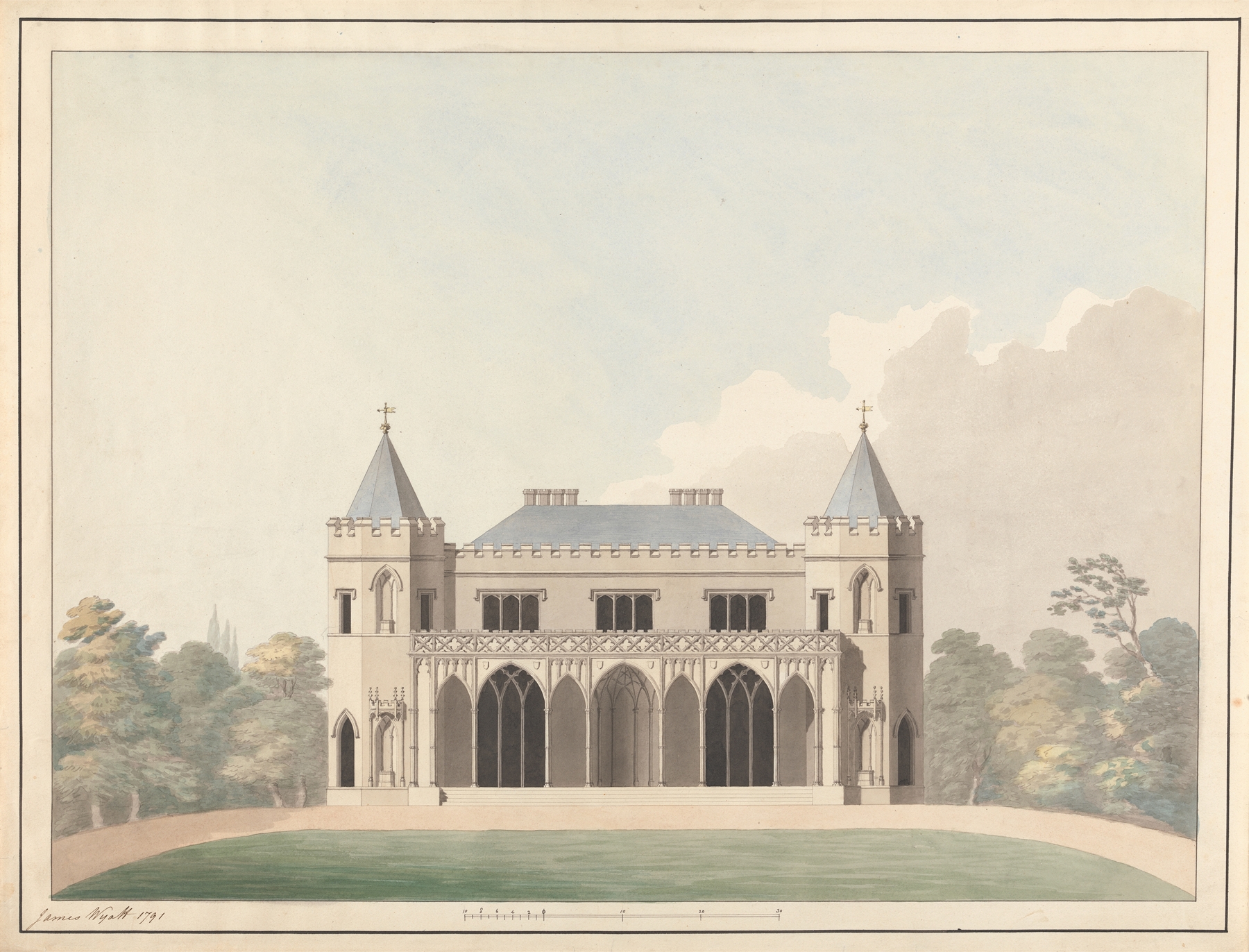
Design for an Unidentified Country House — History & Analysis
Can beauty exist without sorrow? In the delicate lines and thoughtful shapes of a country house design, the answer becomes hauntingly clear. Look closely at the sweeping curves of the facade, where symmetry and grace collide to create an inviting aesthetic. Notice how the windows beckon with their gentle proportions, framed by walls that seem to whisper secrets of respite and refuge.
The use of soft earth tones enriches the structure, evoking harmony with nature while hinting at the fragility of human dreams woven into its design. Yet, within this idyllic vision, lies a poignant tension. The absence of details in the surrounding landscape suggests a world untouched, perhaps even lost to time—a haunting reminder of impermanence. Shadows dance subtly across the blueprint, symbolizing the silent struggles of those who dreamt of inhabiting this space, their hopes entangled with the weight of what may never be.
This elegant design reflects not just aspiration but a yearning for belonging, forever tinged with the melancholy of what could have been. In 1800, during a period marked by change and innovation, the artist created this design amidst the Neoclassical revival in England. James Wyatt was influenced by the shifting tastes of the aristocracy, who sought to redefine their estates as emblems of both status and personal expression. As the world grappled with the dawn of the Industrial Revolution, the desire for a serene sanctuary resonated deeply, encapsulating the artist's own reflections on beauty, loss, and the passage of time.