Dorpsgezicht met een sluis — History & Analysis
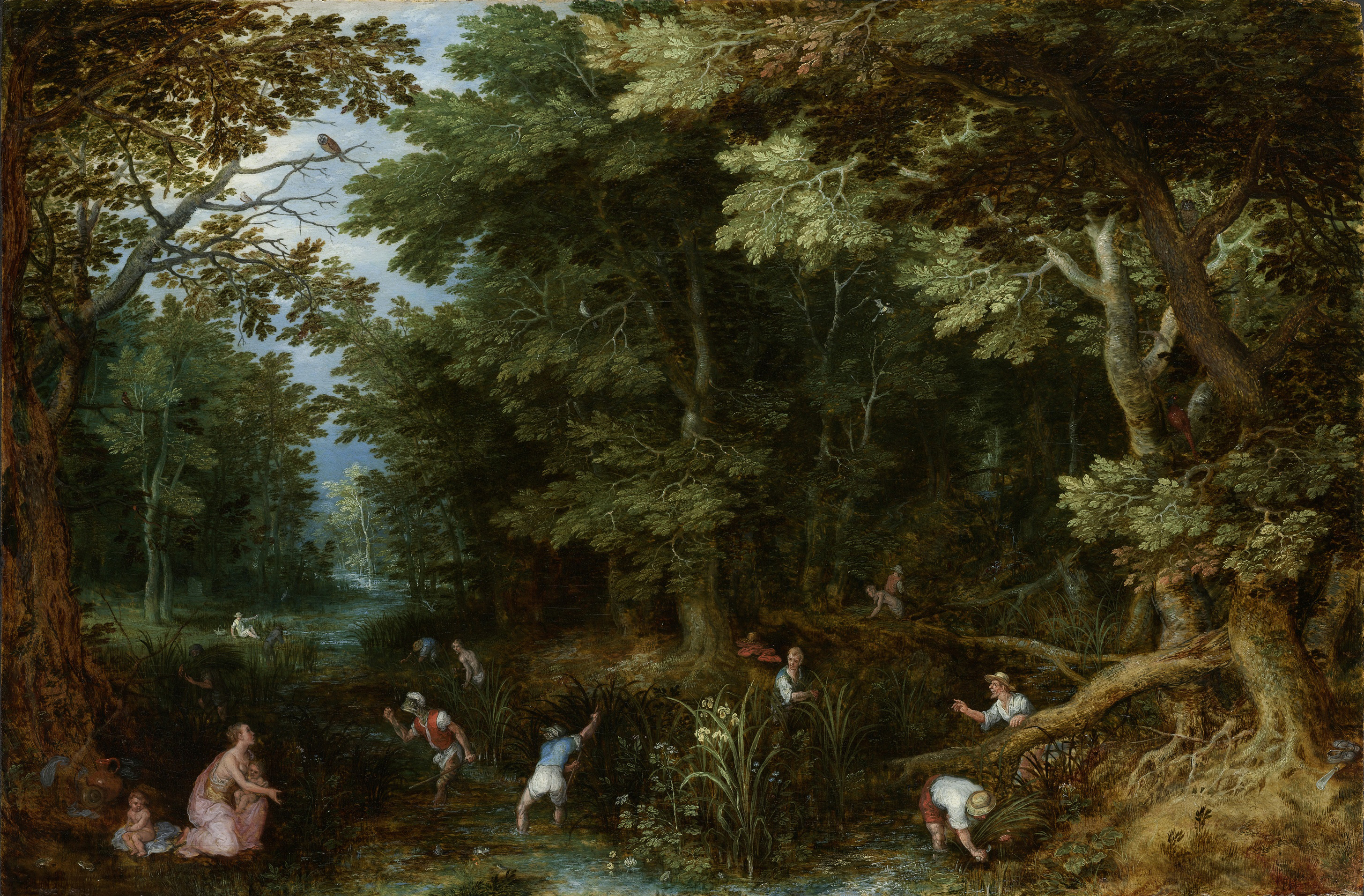
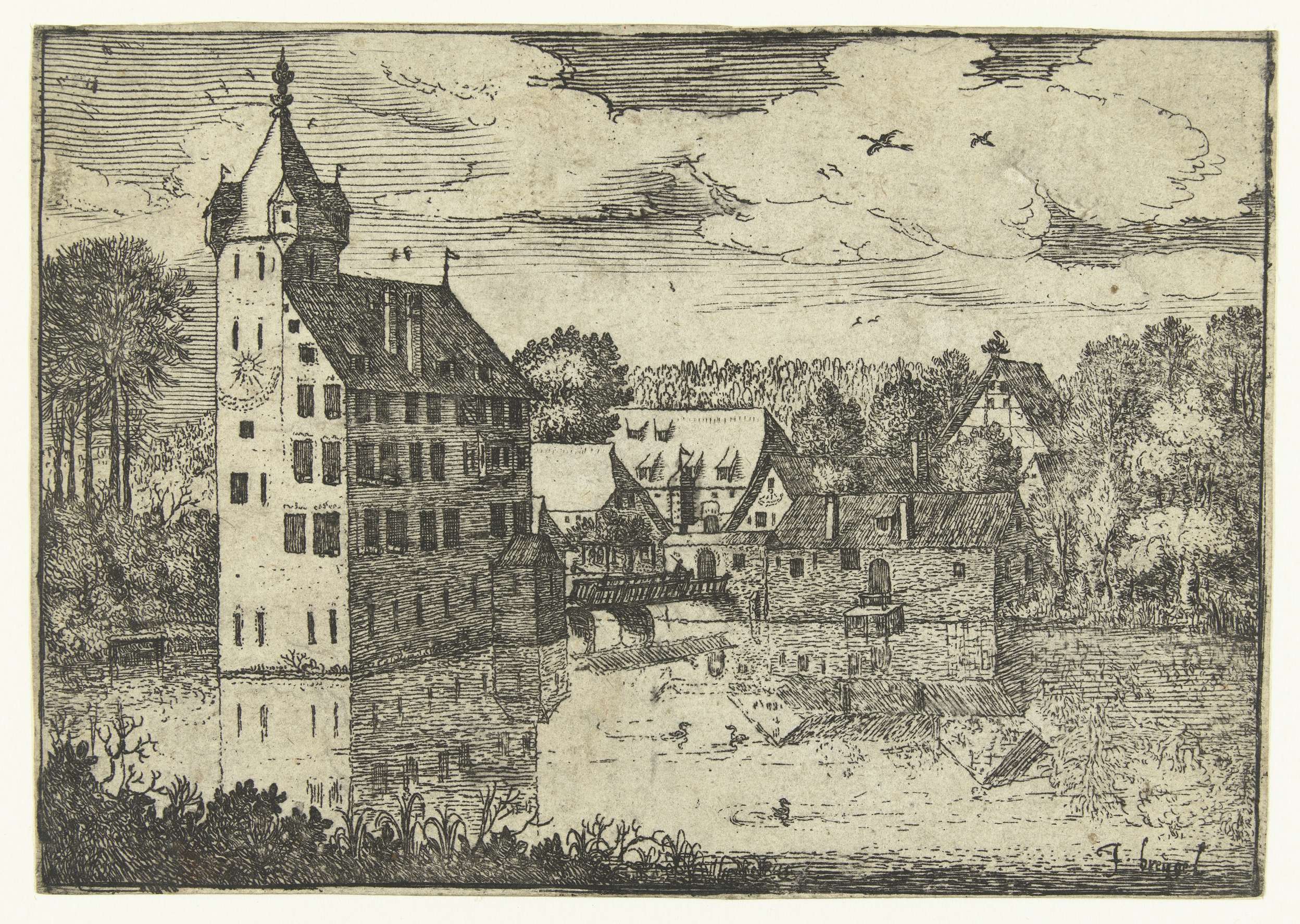
“To paint is to remember what time wants us to forget.” In the delicate strokes of Jan Brueghel (I), the essence of movement is captured in a serene village landscape, where the passage of time intertwines effortlessly with the rhythms of daily life. Look to the forefront, where a quaint sluice gate serves as a focal point, anchoring the scene amidst the gentle sway of water and the hustle of villagers. Notice how the light dances on shimmering ripples, revealing a palette of soft greens and muted blues that evoke tranquility. The meticulous attention to detail, from the way figures are positioned to the subtle textures of the trees, invites you to explore every corner of this bucolic tableau.
As you delve deeper, subtle contrasts emerge; the bustling activity at the sluice juxtaposed with the stillness of the surrounding nature creates an emotional tension. The villagers are caught mid-motion, their gestures laden with purpose yet softened by the overarching calmness. Each element speaks to the transient nature of life, where every brushstroke conveys a fleeting moment, frozen in time yet animated by the whispers of movement.
Brueghel painted this exquisite work between 1616 and 1625, during a prolific period in the Low Countries, marked by a flourishing art market. Known for his landscapes and intricate details, the artist sought to blend realism with idealism, reflecting the harmonious coexistence of humanity and nature. This piece encapsulates not only a moment in a village's daily rhythm but also the broader cultural landscape of the early 17th century, where art served as a bridge between memory and the present.