Kasteel Unterburg te Nürnberg of kasteel Dinterburg nabij Nürnberg — History & Analysis
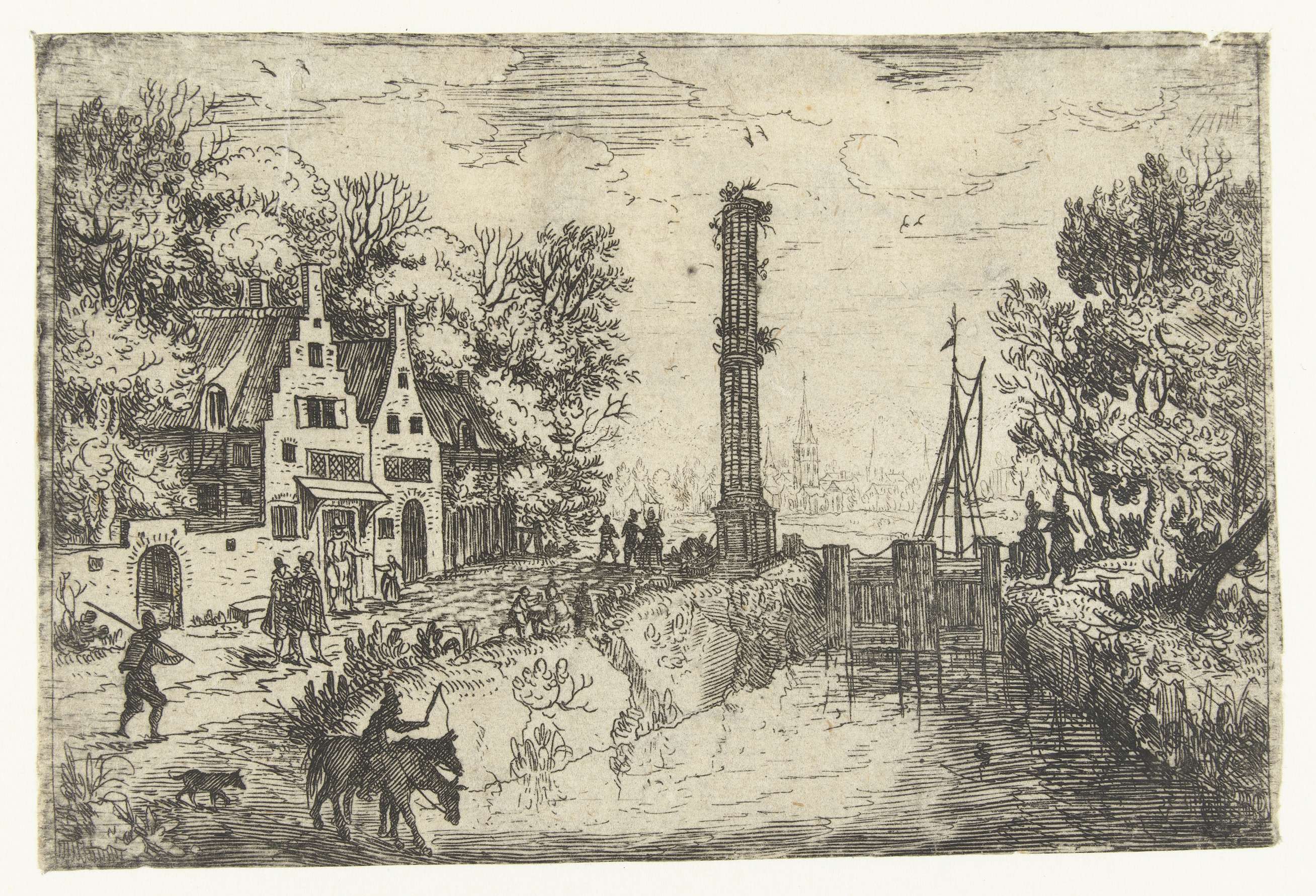
Did the painter know this moment would outlive them? In the delicate brushstrokes of a distant castle, Jan Brueghel (I) encapsulates an ecstasy that transcends time, inviting viewers to pause in reverence. Look to the left at the intricate details of the castle's architecture, where the sunlight dances across the stone façade, illuminating its grandeur against a backdrop of lush greenery. Notice how the artist masterfully employs a palette of muted earth tones, punctuated by vibrant bursts of floral hues in the foreground that draw the eye and breathe life into the scene.
The composition leads you from the meticulously rendered castle to the winding river below, creating a visual journey that captures both the majesty of human achievement and the serenity of nature. Amidst the idyllic beauty, one can sense an underlying tension between the solid permanence of the castle and the ephemeral nature of the surrounding landscape, suggesting a dialogue between man and nature. The interplay of light and shadow reflects both the tranquility and the restless energy of the time, capturing a fleeting moment that hints at the stories held within those walls. Each petal, each ripple in the water seems to whisper of history, ecstasy, and the passage of time.
Brueghel created this work during a period of great artistic flourishing in the Northern Renaissance, likely between 1578 and 1625 while residing in Antwerp. This era was marked by rich patronage and increasing interest in landscape as a genre, allowing the artist to explore themes of beauty and harmony amid a complex world. As he painted, Europe was teetering on the brink of transformation, setting the stage for the evolution of art and the enduring legacies left behind.