Duinlandschap met vuurtoren en nettenboeters — History & Analysis
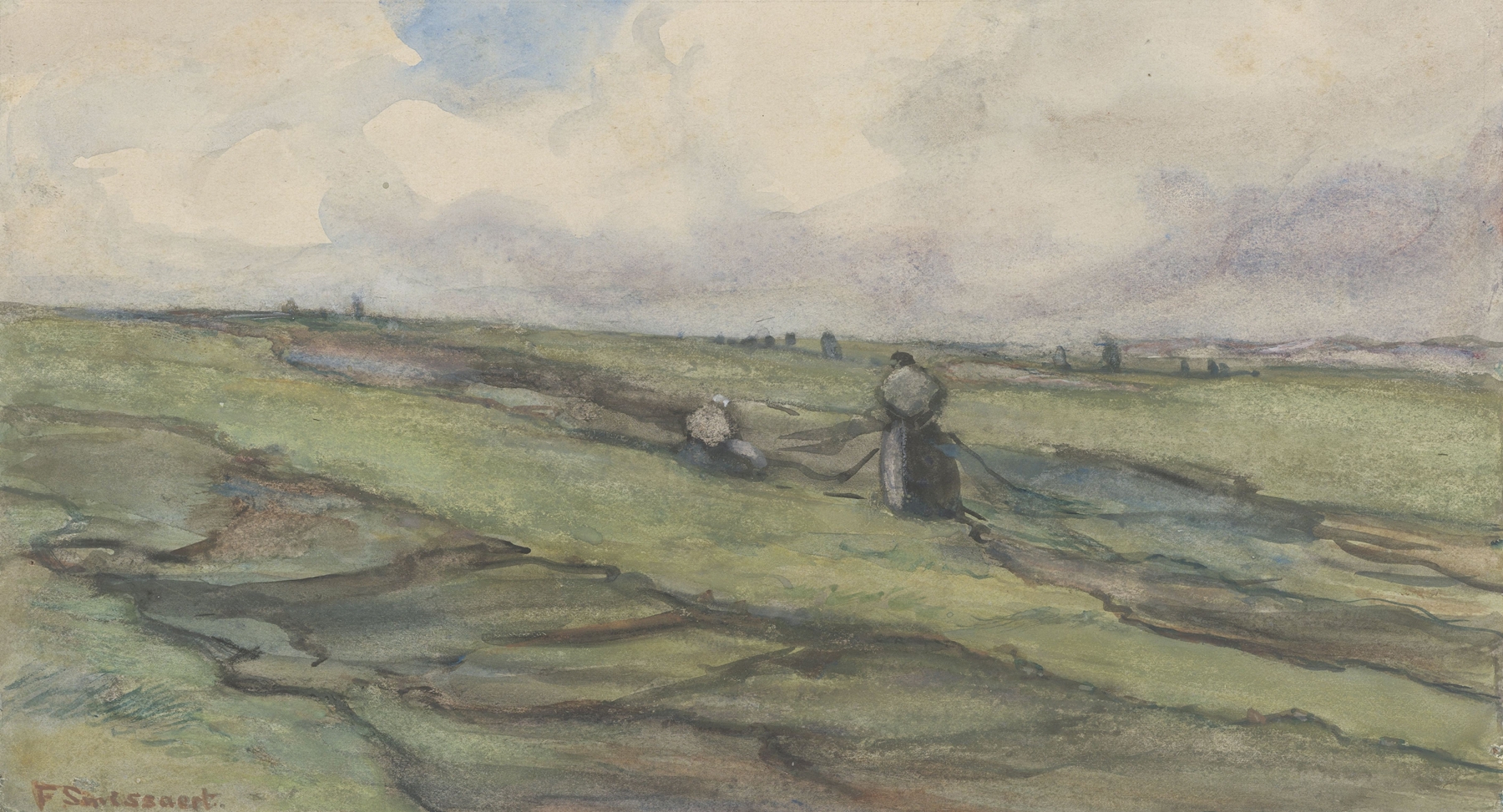
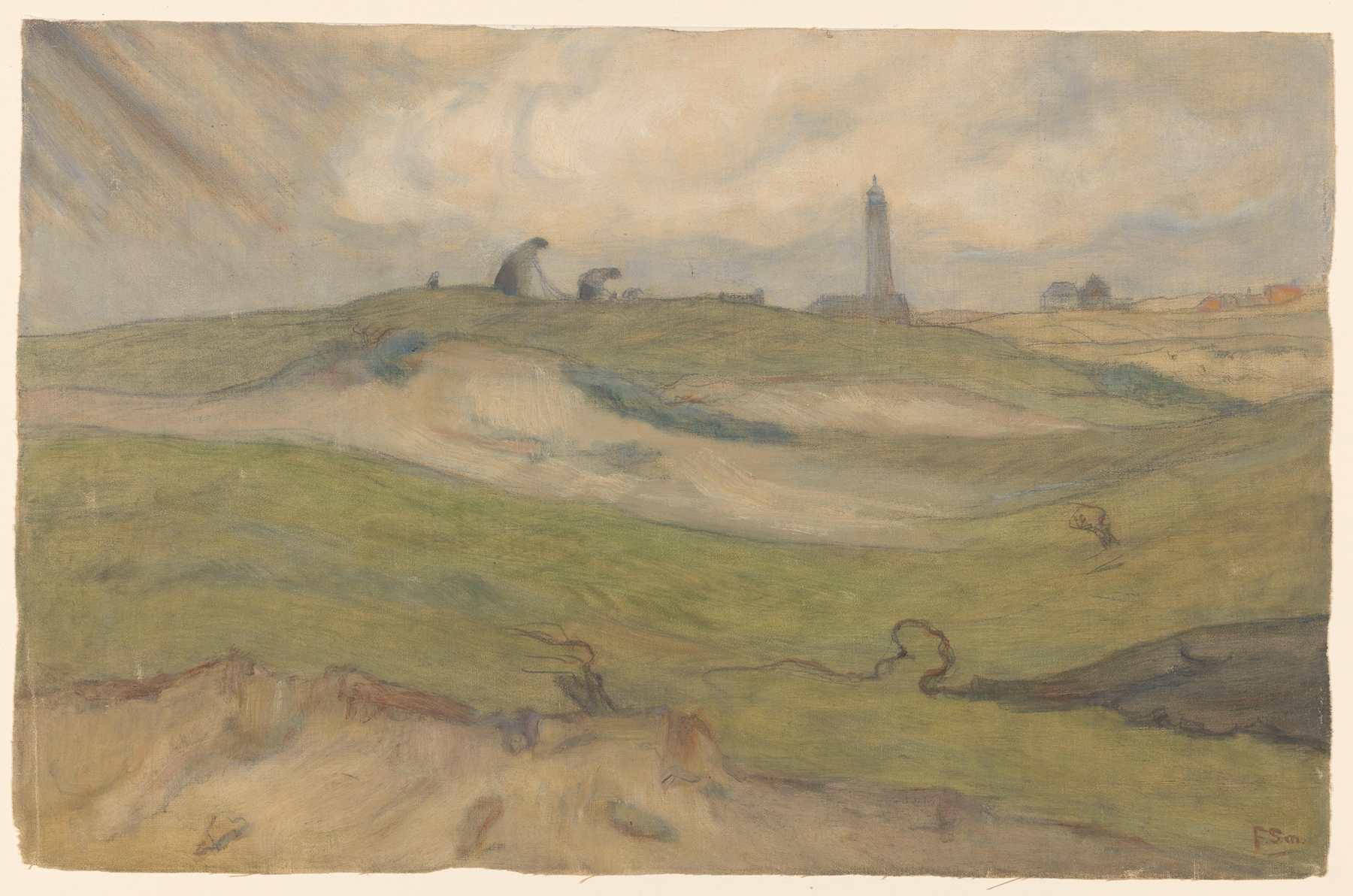
Where does light end, and longing begin? In the ebb and flow of the tides, we find an interplay between nature's beauty and the inevitable decay of time. Look to the horizon, where the soft, muted blues of the sky meld seamlessly with the sandy tones of the dunes. The lighthouse stands tall, a solitary sentinel against the vastness, its red and white stripes echoing the surrounding landscape's tones. Notice how the light catches the delicate textures of the fishing nets, draped carelessly in the foreground, hinting at stories of labor and abandonment. Each brushstroke captures the fleeting moments of day, where light dances across the scene, yet shadows creep ever closer, conveying a deep sense of melancholy. The juxtaposition of the lighthouse's sturdy form against the ephemeral nature of the nets speaks to a tension between permanence and decay. There’s a bittersweet beauty in the way the nets hang, suggesting memories of bustling activity now faded into silence. The sweeping dunes, both inviting and isolating, cradle the viewer in a moment of contemplation about the passage of time, where the once vibrant life of fishing yields to the slow embrace of nature's reclaiming forces. Frans Smissaert painted this scene during a transformative period in the early 20th century, where he explored the rich landscapes of his native Netherlands. Living through tumultuous changes in art and society, he found solace in the quietude of coastal life, depicting environments that reflected both the resilience and vulnerability inherent in existence. His work encapsulated the era's shift towards modernism, even as he remained deeply rooted in the natural world.