Het drogen van netten — History & Analysis
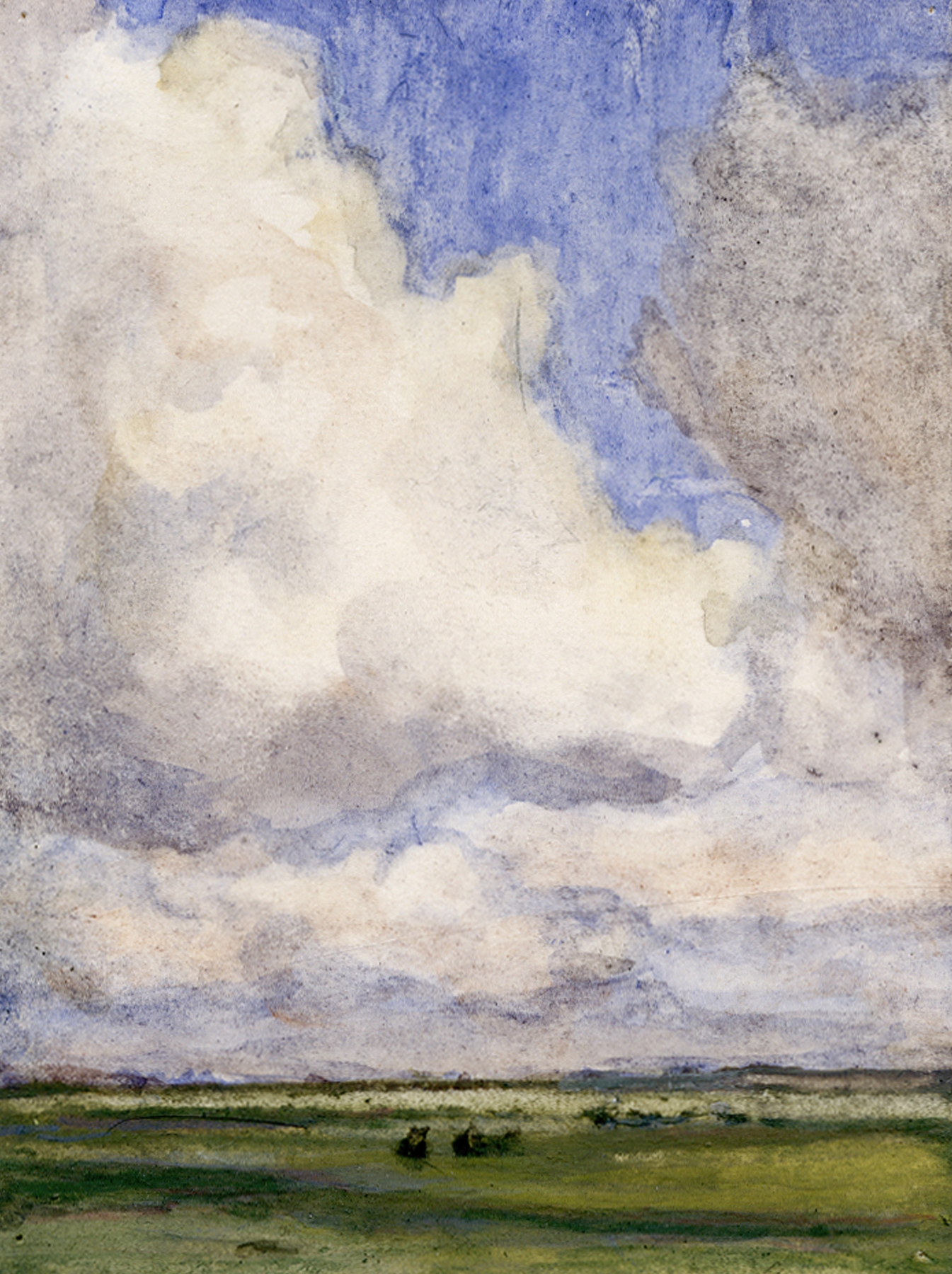
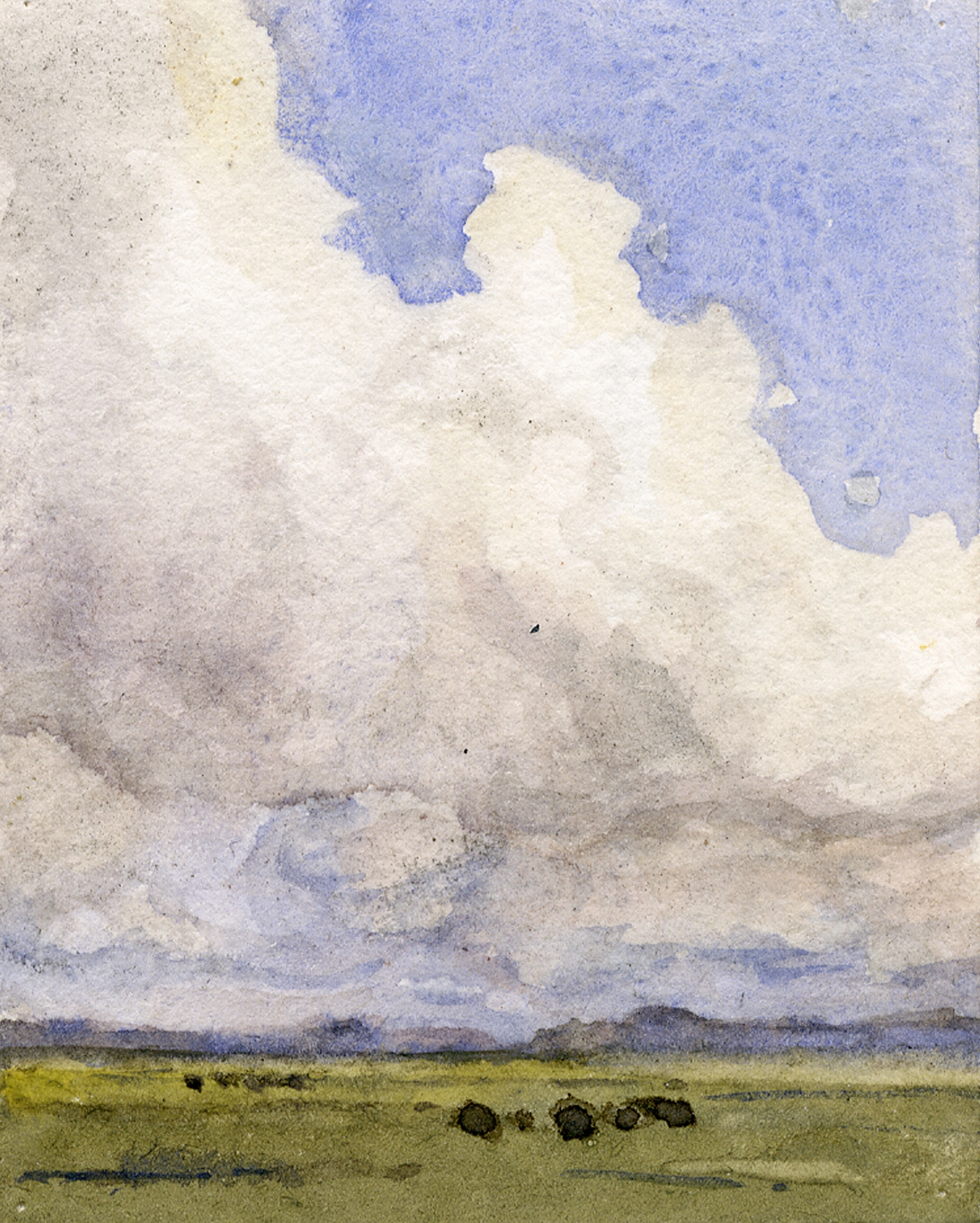
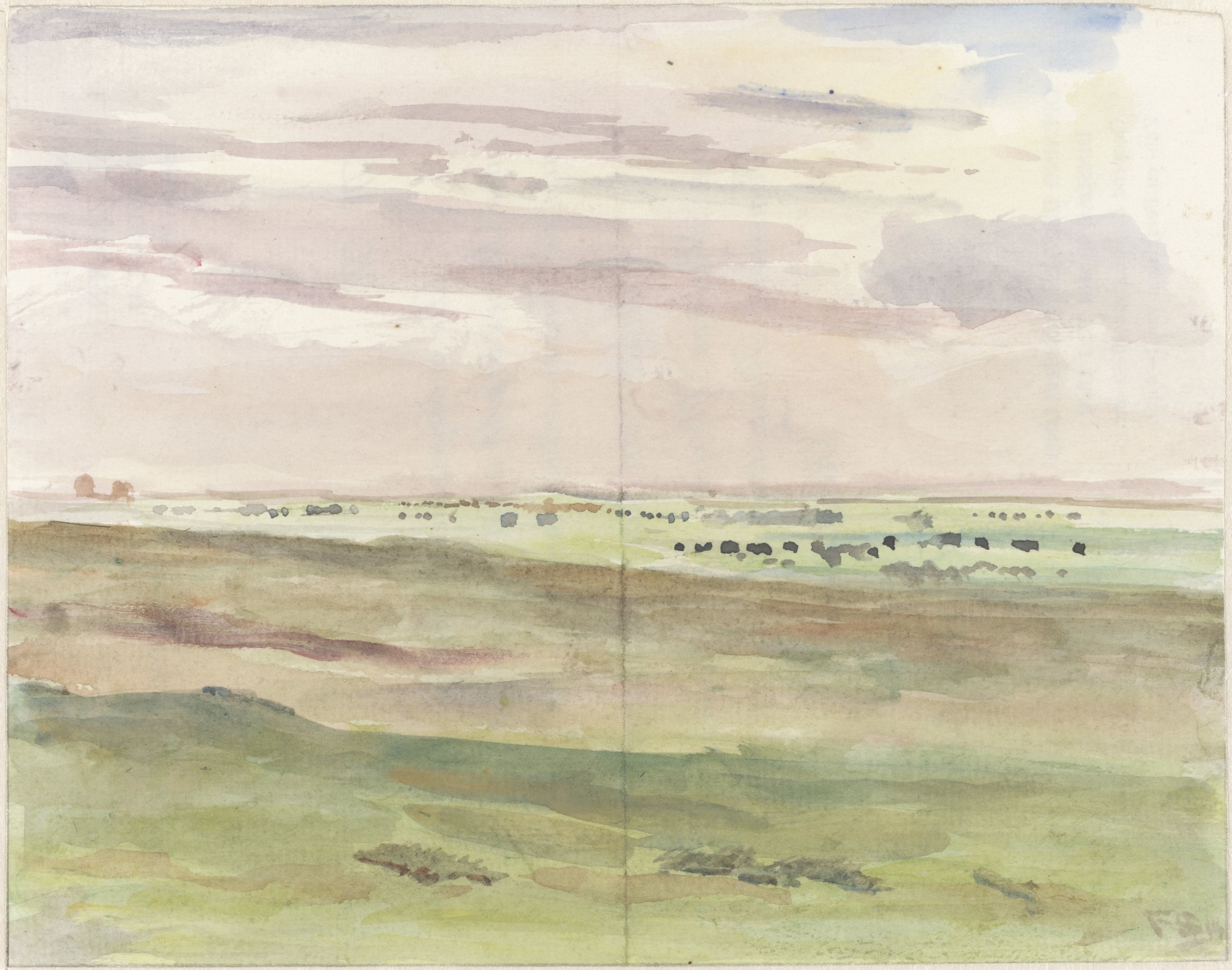
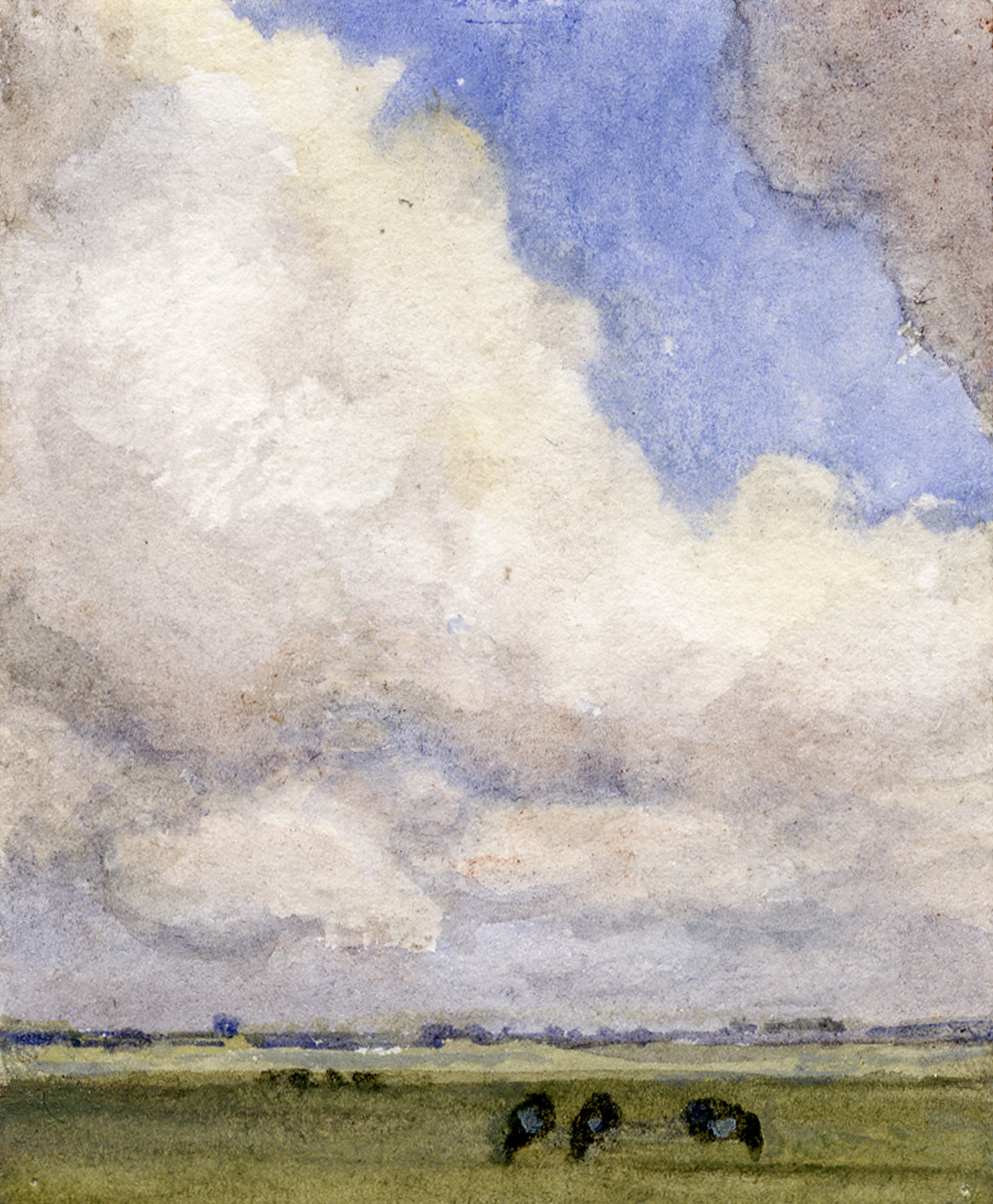
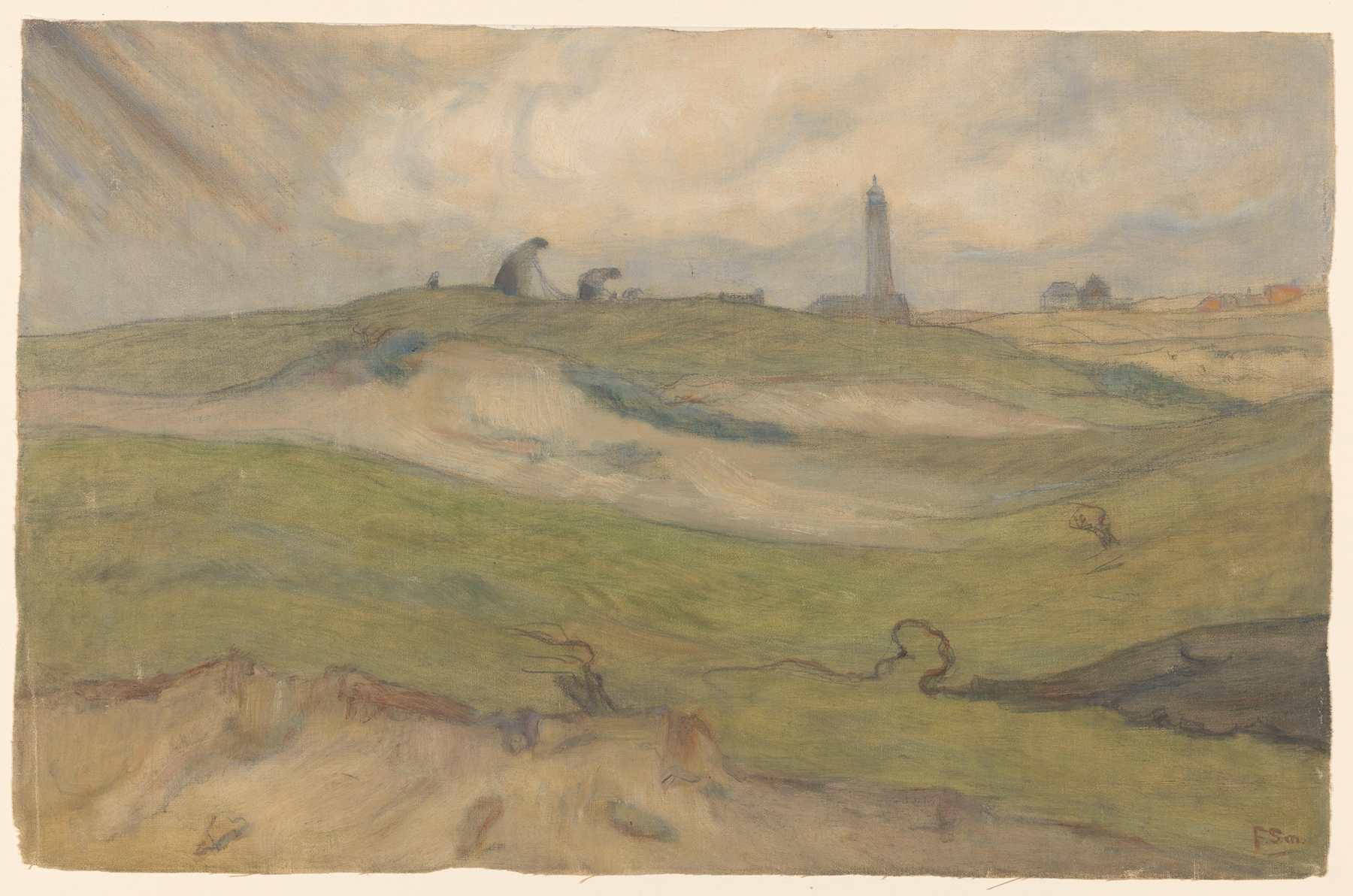
“Between color and silence, truth hides.” In Het drogen van netten, light becomes a silent character, weaving through the tangled nets and casting intricate shadows on the weathered wooden structures. The interplay of bright sunlight and the muted tones of the scene invites contemplation, suggesting deeper narratives that lie beneath the surface. Look toward the center of the painting, where nets stretch across a drying frame, their textures rendered with meticulous detail. The artist employs a warm palette of ochres and deep blues, creating a sense of harmony between earth and sea. The light, almost tangible, dances upon the fibers, revealing a spectrum of colors that shimmer and pulse with life.
Notice how the play of light around the edges of the nets defines their form, emphasizing both their fragility and resilience against the backdrop of a tranquil yet laborious atmosphere. Yet, behind this serene activity lies a tension between the transient nature of the nets and the permanence of the surrounding landscape. The nets symbolize the struggles of fishermen, caught in a relentless cycle of labor and dependency on nature’s whims. The stillness of the scene belies an unspoken urgency, a reminder of the challenges faced by those who rely on the sea.
This delicate juxtaposition of life and stillness invites the viewer to reflect on their own connections to work, community, and nature’s bounty. Frans Smissaert painted Het drogen van netten between 1872 and 1944, a period marked by significant changes in the Netherlands and the wider European art scene. During these years, Smissaert was deeply influenced by the Impressionist movement, which sought to capture fleeting moments of light and color. His work reflects the daily lives of ordinary people, a testament to a time when the connection to nature and craftsmanship was central to existence.