Eglise St Pierre de Montmartre — History & Analysis
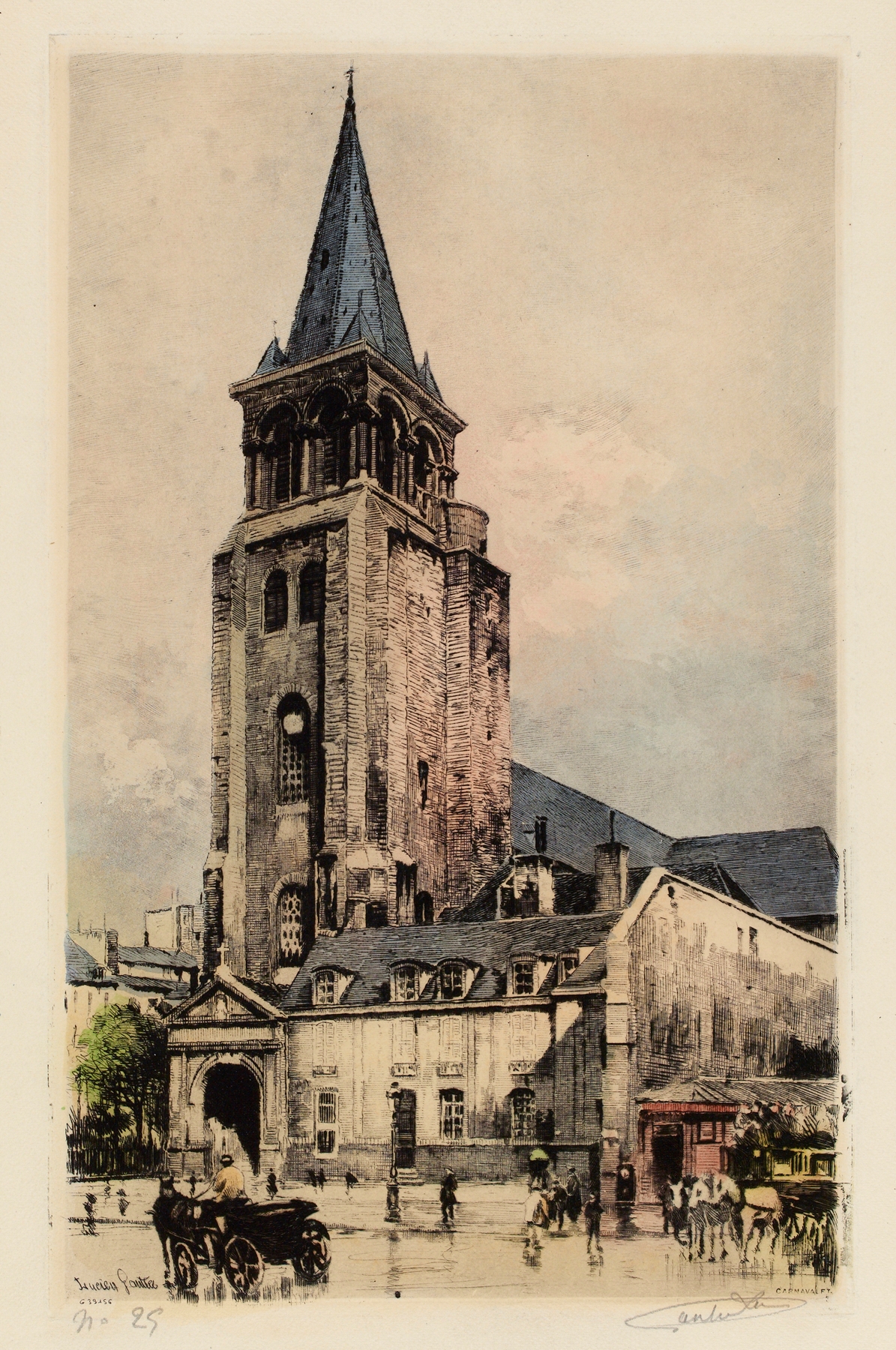
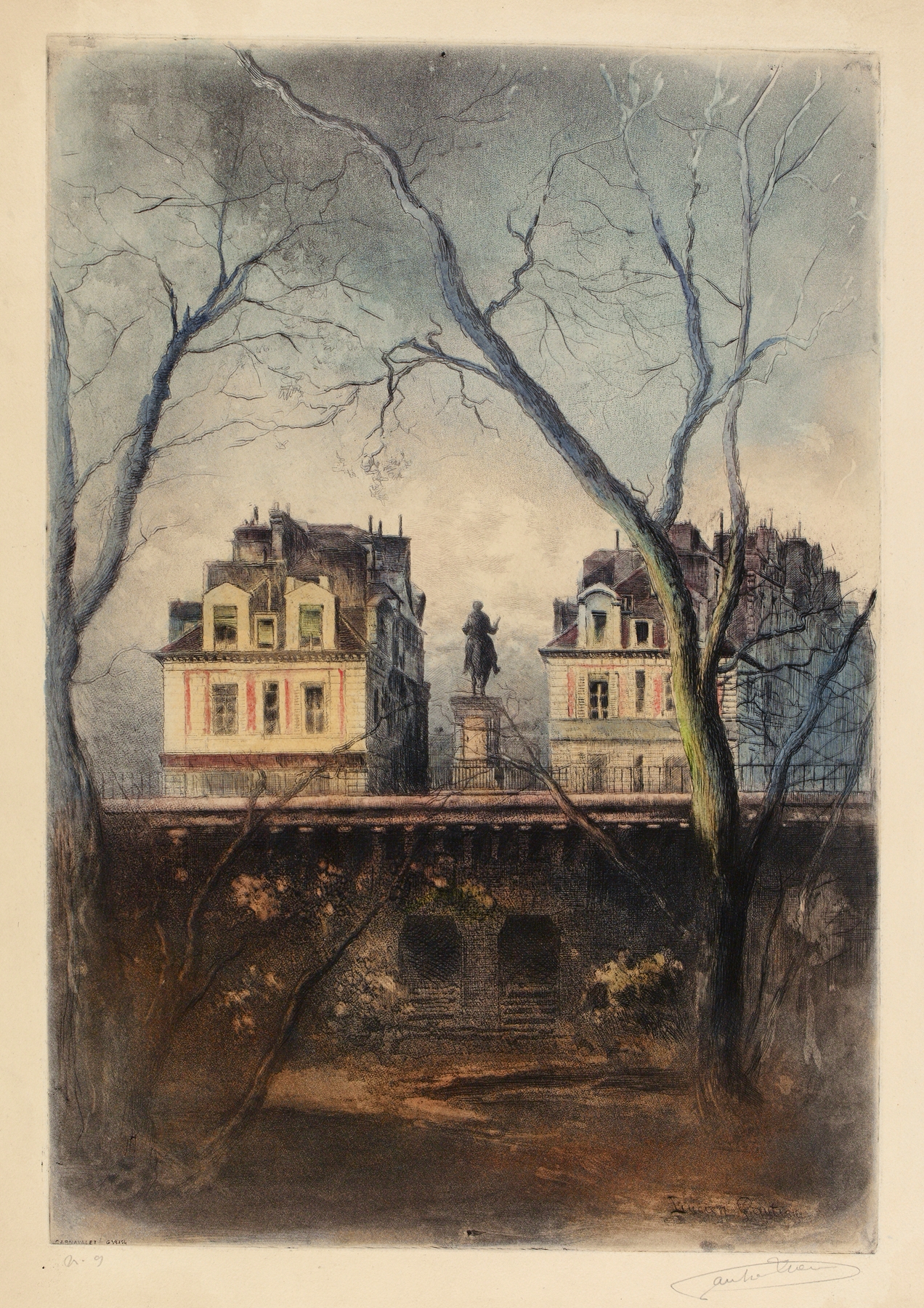
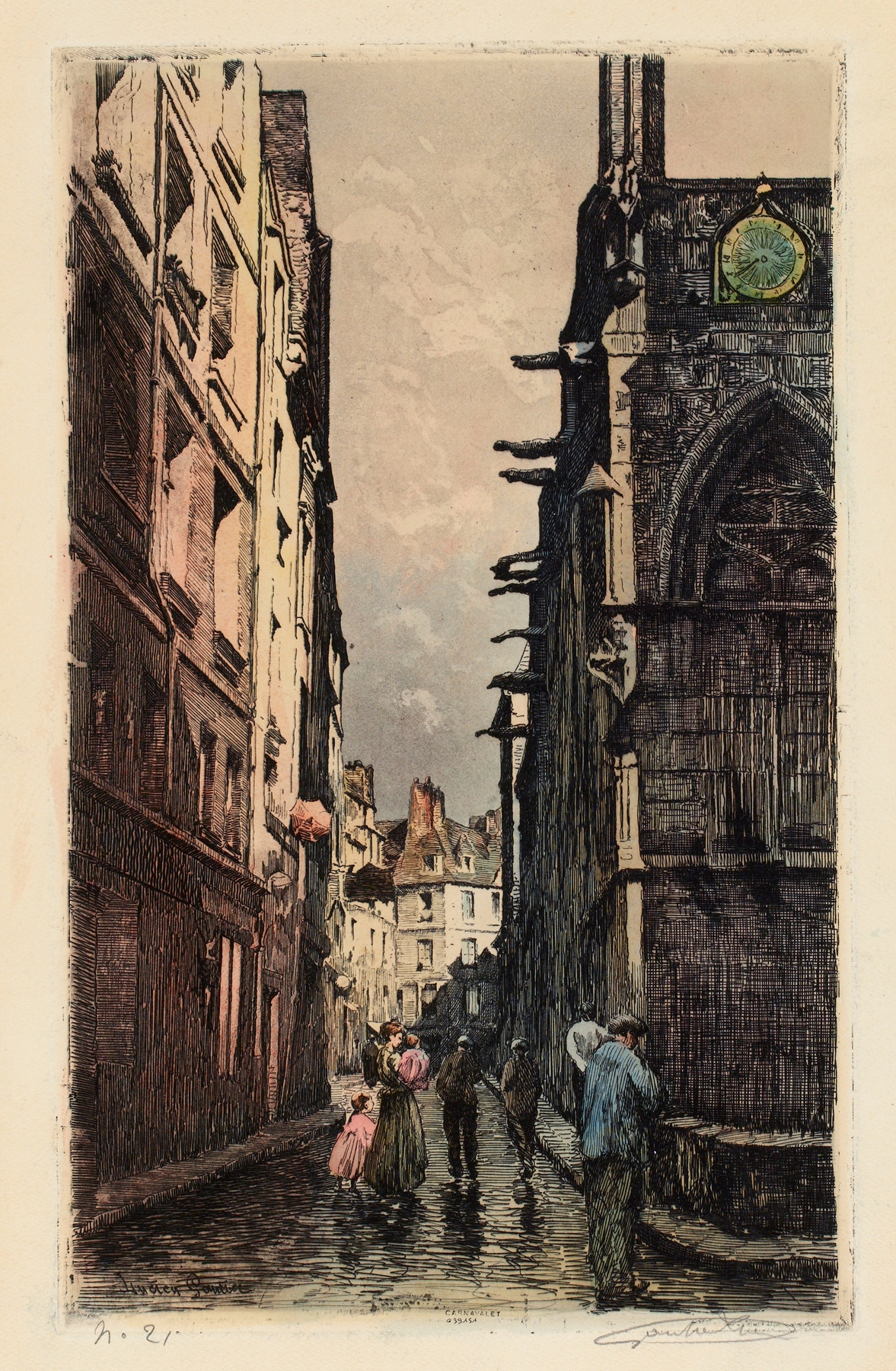
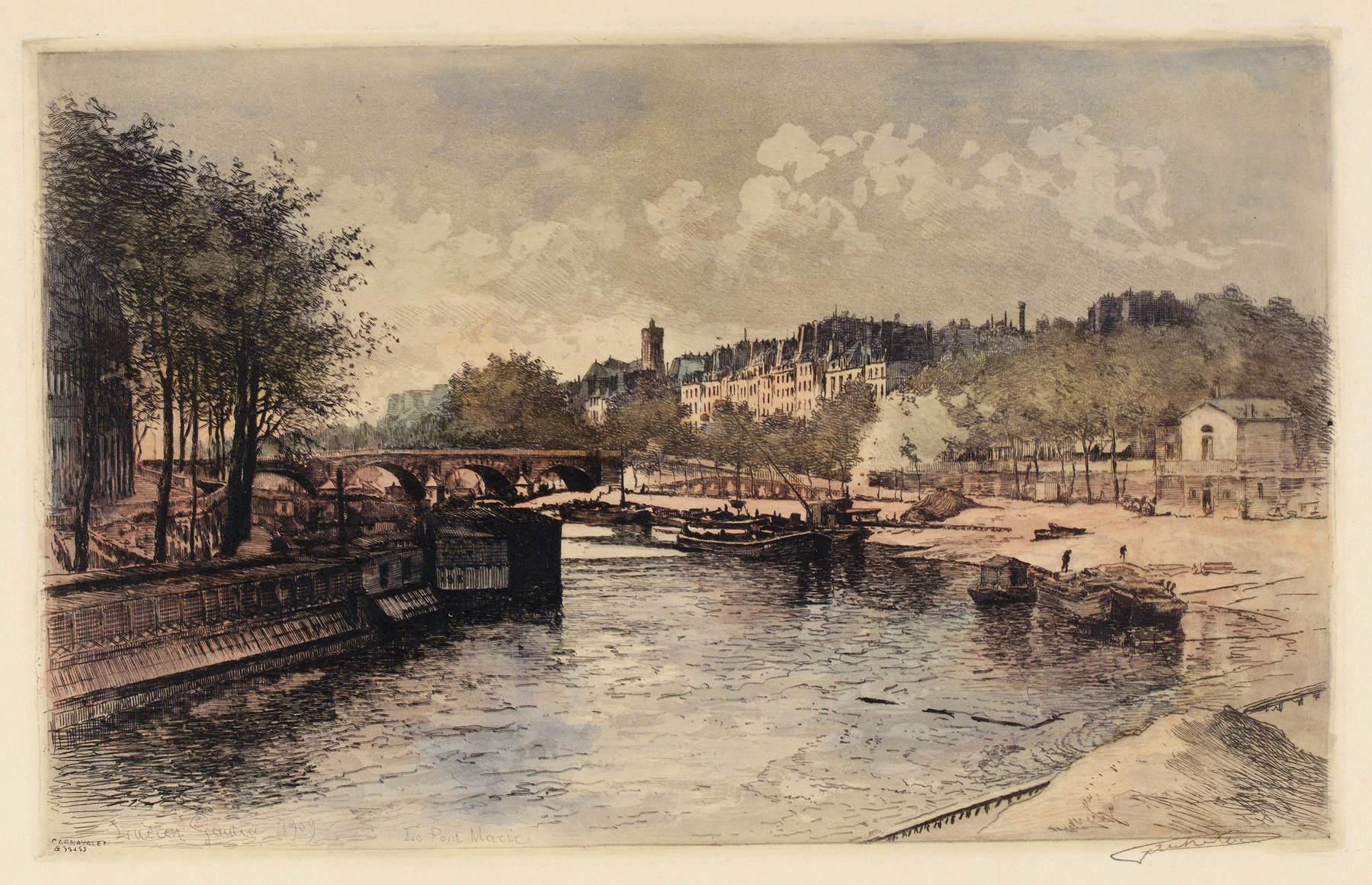
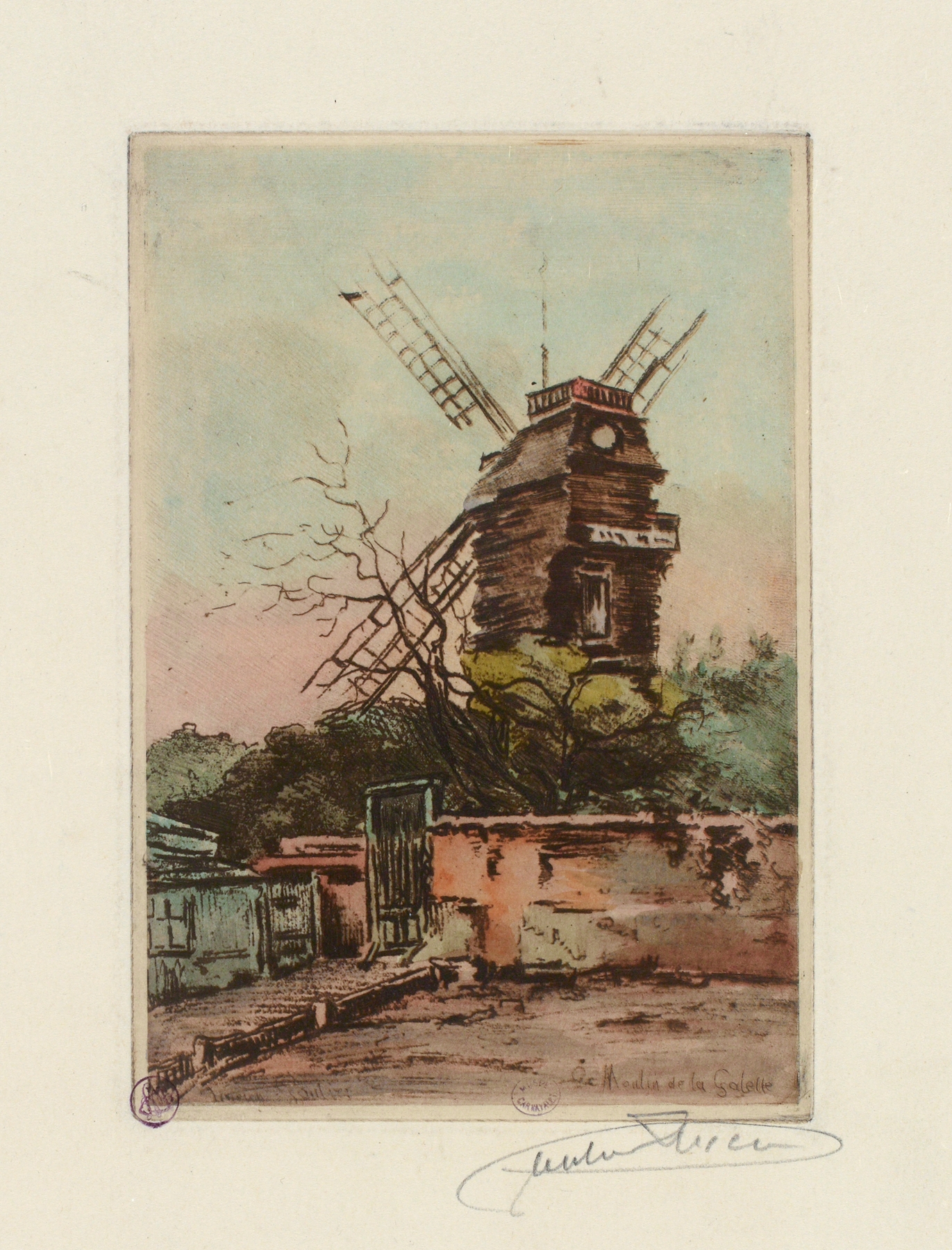
Did the painter know this moment would outlive them? In the stillness captured on canvas, the echo of silence reverberates through time, inviting contemplation and reverie. Look to the left at the soft curves of the church’s façade, where the light delicately caresses the stone, bathing it in warm hues. The brushwork is meticulous, revealing every intricate detail of the architecture and the accompanying gardens.
Notice how the composition draws the eye upward, creating a sense of elevation that mirrors the spiritual presence of the church itself. The muted palette of earth tones and gentle shadows harmonizes with the tranquil atmosphere, evoking a sense of peace. As you delve deeper, observe the contrast between the solidity of the structure and the ephemeral quality of the surrounding foliage. This interplay reflects the tension between permanence and transience, suggesting that even sacred spaces are subject to the passage of time.
The absence of figures invites viewers to project their own thoughts into the scene, allowing personal narratives to unfold within the silence that surrounds the church. Gautier created this work during a period when the Montmartre district was evolving, transitioning from a rural village to an artistic hub in late 19th-century Paris. The artist, influenced by the burgeoning Impressionist movement, captured not just the physicality of the church but also the essence of a community that thrived amid a cultural blossoming. This painting stands as a testament to both the artist's skill and the enduring nature of faith and art amid a changing world.