Embarkation from Communipaw — History & Analysis
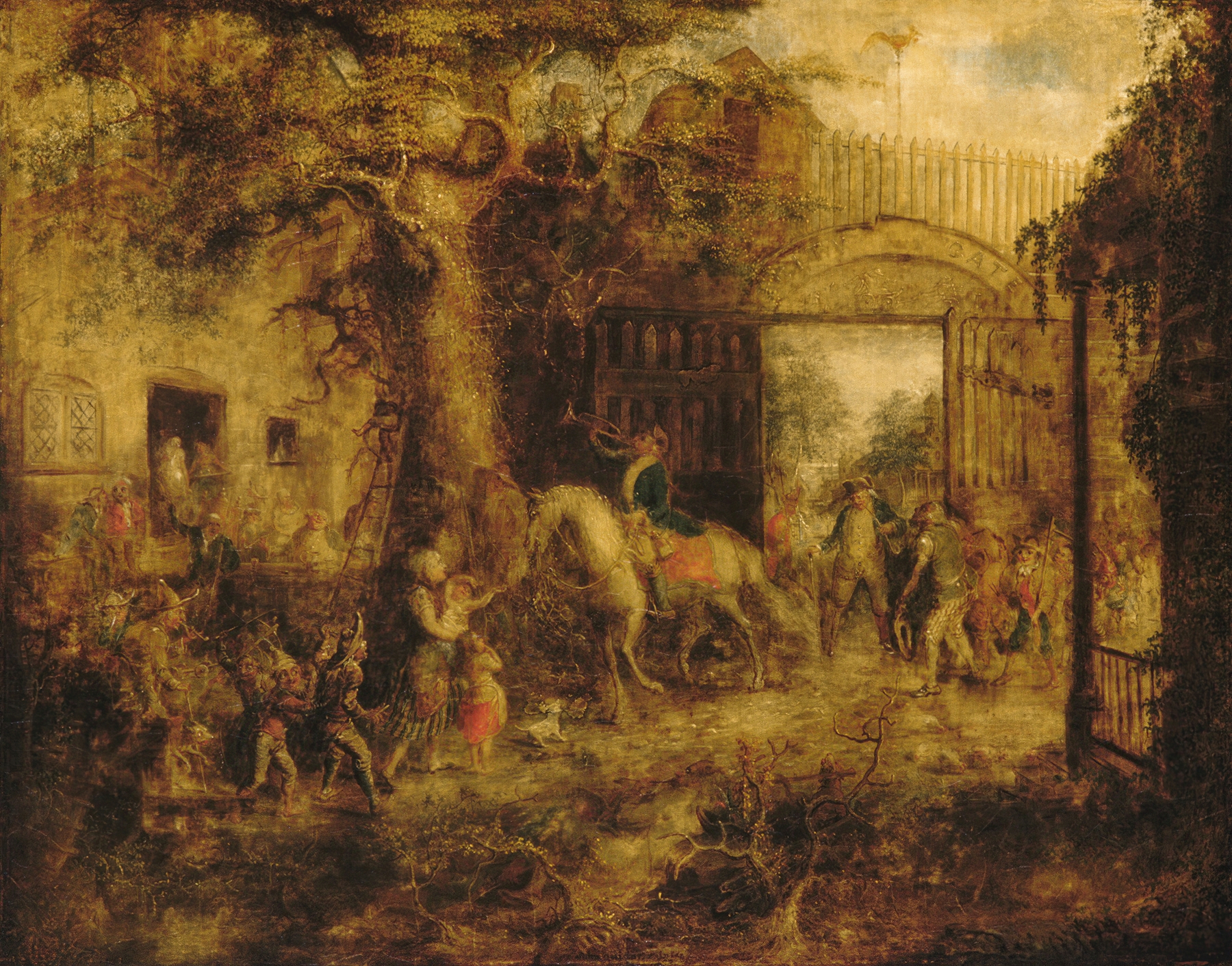
“Every silence here is a confession.” In this stillness, we find the weight of grief woven into the fabric of parting, as the act of departure holds a haunting resonance. Look to the left at the somber figures, their postures heavy with emotion, cloaked in dark hues that echo a shared sorrow. Notice how the light dapples through the clouded sky, casting a muted glow that embraces the scene, yet intensifies the sense of loss. The delicate brushwork highlights not only the facial expressions but also the nuanced gestures of farewell, illuminating the inner turmoil of those who remain as shadows loom in the background.
The contrast between the vibrant colors of the ship and the muted tones of those on land creates a palpable tension, suggesting a yearning for what lies beyond the horizon. Each face tells a story of hope intertwined with despair, as they grapple with the inevitability of separation. The intricate details of their attire speak to their status and history, hinting at a deeper narrative of personal sacrifice amidst societal upheaval.
In 1861, the artist found himself in a turbulent world, shaped by the unfolding drama of the Civil War. Living in New York, John Quidor created Embarkation from Communipaw during a time when many were leaving for unknown futures, reflecting both his own sense of displacement and the broader anxieties of a nation in turmoil. This painting not only encapsulates a moment in time but also resonates deeply with the emotional landscape of an era defined by grief and transition.