Frozen River with a Footbridge — History & Analysis
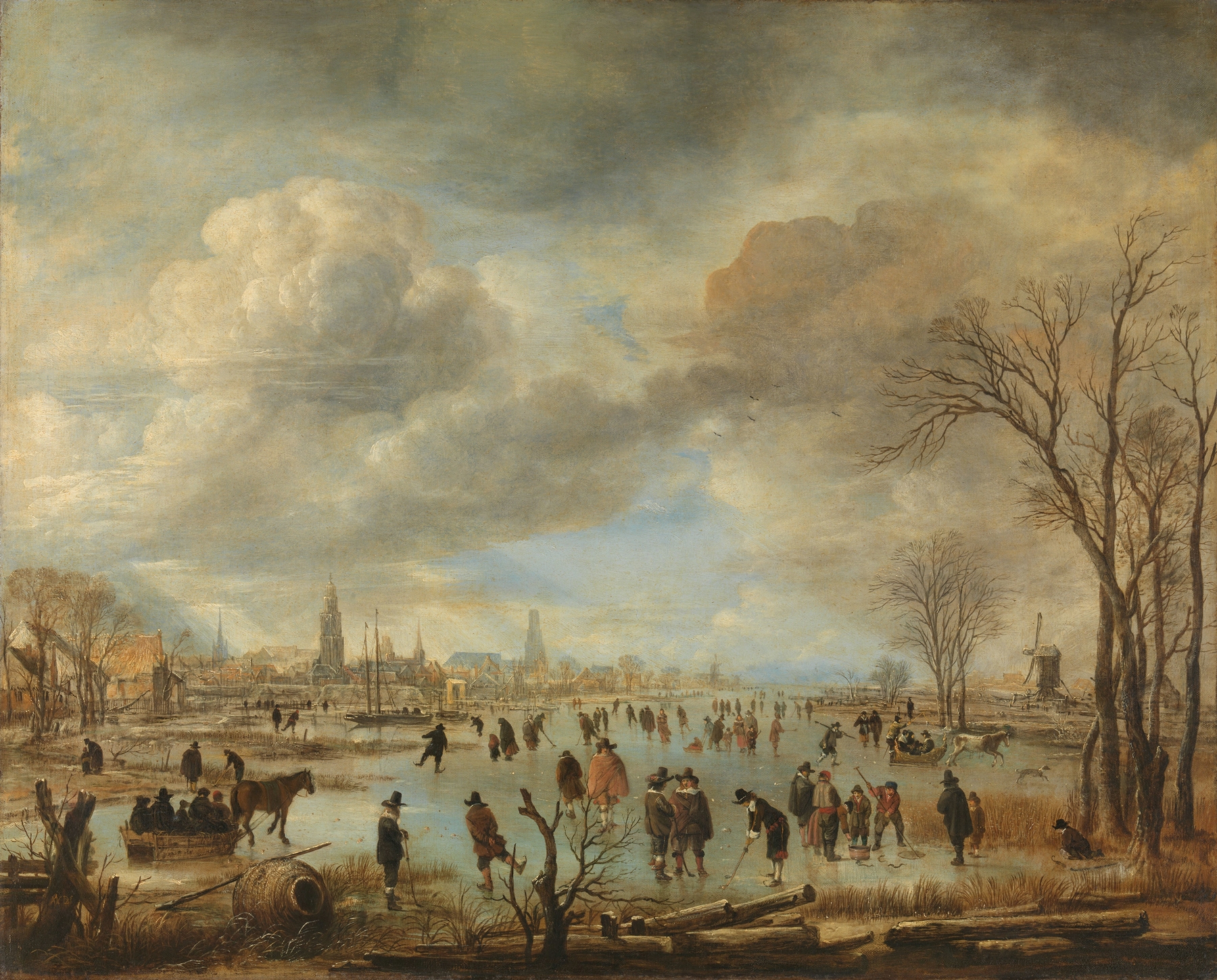
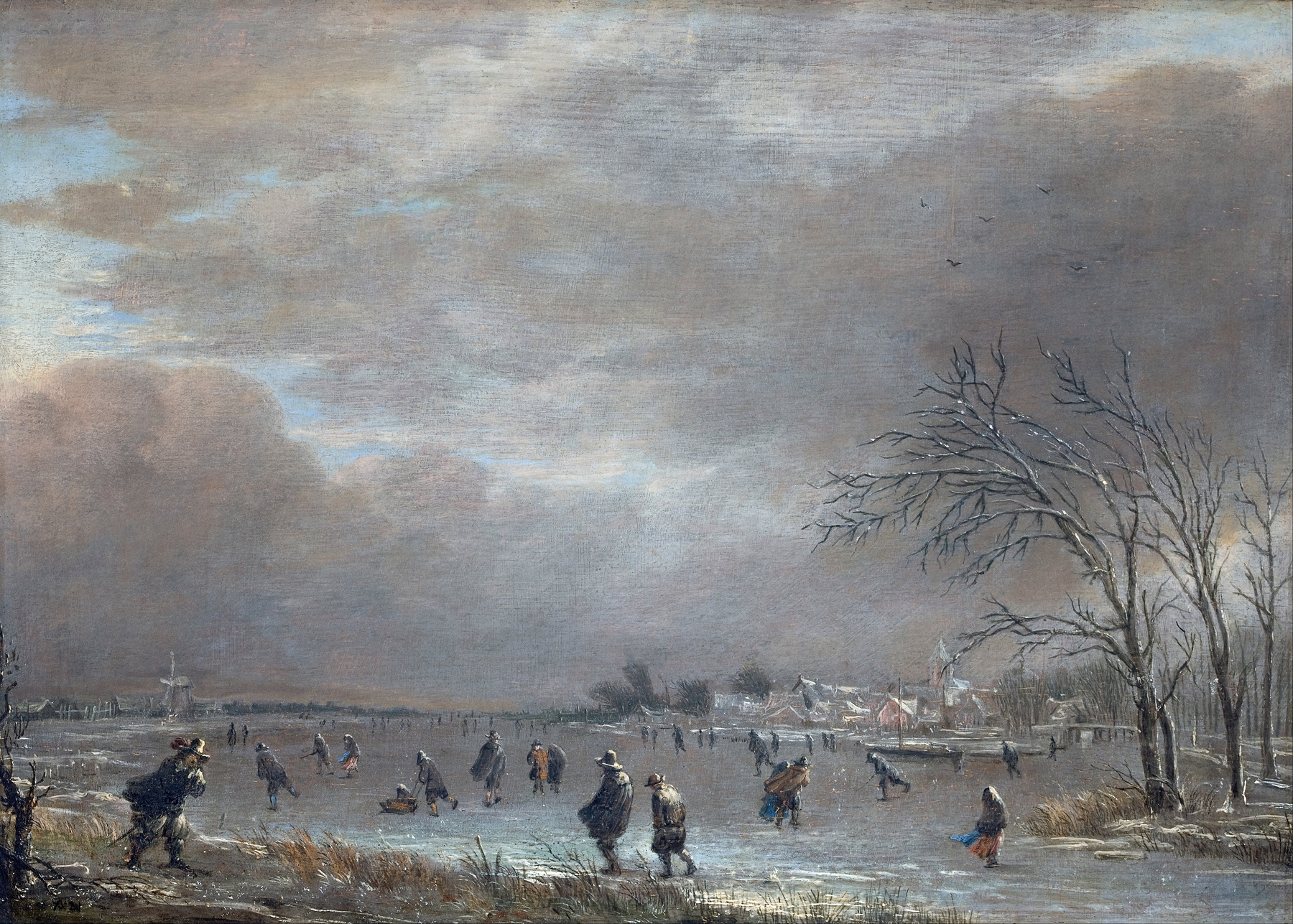
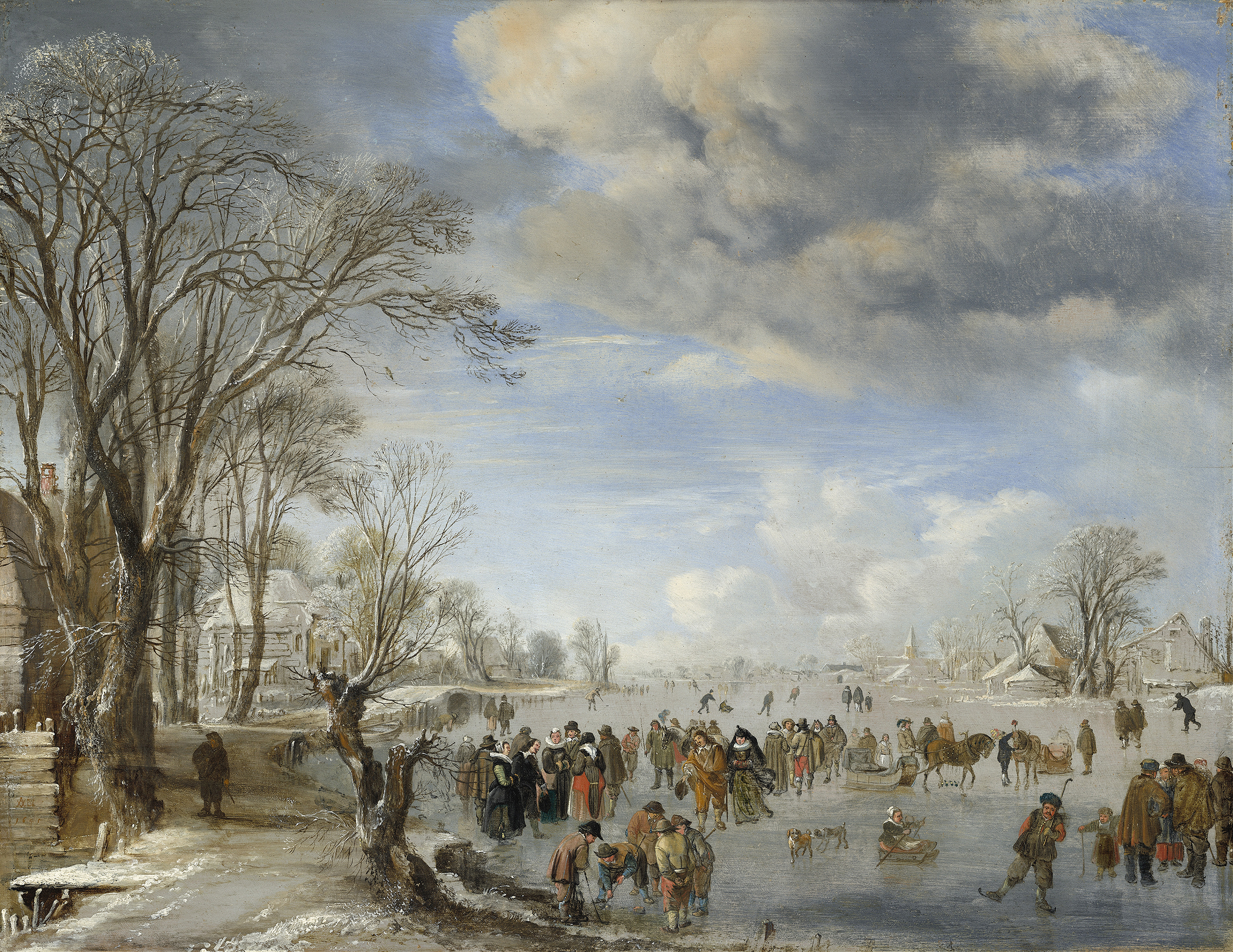
Can beauty exist without sorrow? In Frozen River with a Footbridge, a serene landscape envelops us in its chilling allure, whispering tales of hidden depths beneath the ice. Look to the foreground, where a delicate footbridge arches gracefully over the frozen water. The muted tones of winter’s palette—soft whites, silvery blues, and gentle browns—create a sense of stillness that draws the eye. The subtle interplay of light and shadow dances across the surface of the ice, showcasing the crisp outlines of figures engaged in the tranquil activity of skating.
The composition invites you to explore the horizon, where the distant trees stand like sentinels against the fading light, capturing a moment that is both fleeting and eternal. Beneath the surface beauty lies an undercurrent of melancholy. The icy expanse, while breathtaking, serves as a reminder of nature's power and the fragility of human existence. The solitary figures, perhaps lost in contemplation, evoke a sense of solitude even amidst the bustle of winter activity.
Every brushstroke reveals a contrast between the vibrancy of life on the surface and the stillness of the ice below, prompting questions about the transient nature of joy and beauty. In the 1650s, Aert van der Neer found himself in Amsterdam, a city thriving amidst the Baroque movement. During this period, he painted landscapes that reflected not only the beauty of the natural world but also the emotional states tied to it. This work reflects his mastery of light and atmosphere, showcasing a transition in the art of the time towards capturing complex emotions through seemingly simple scenes.