Winter in Holland – Skating Scene — History & Analysis
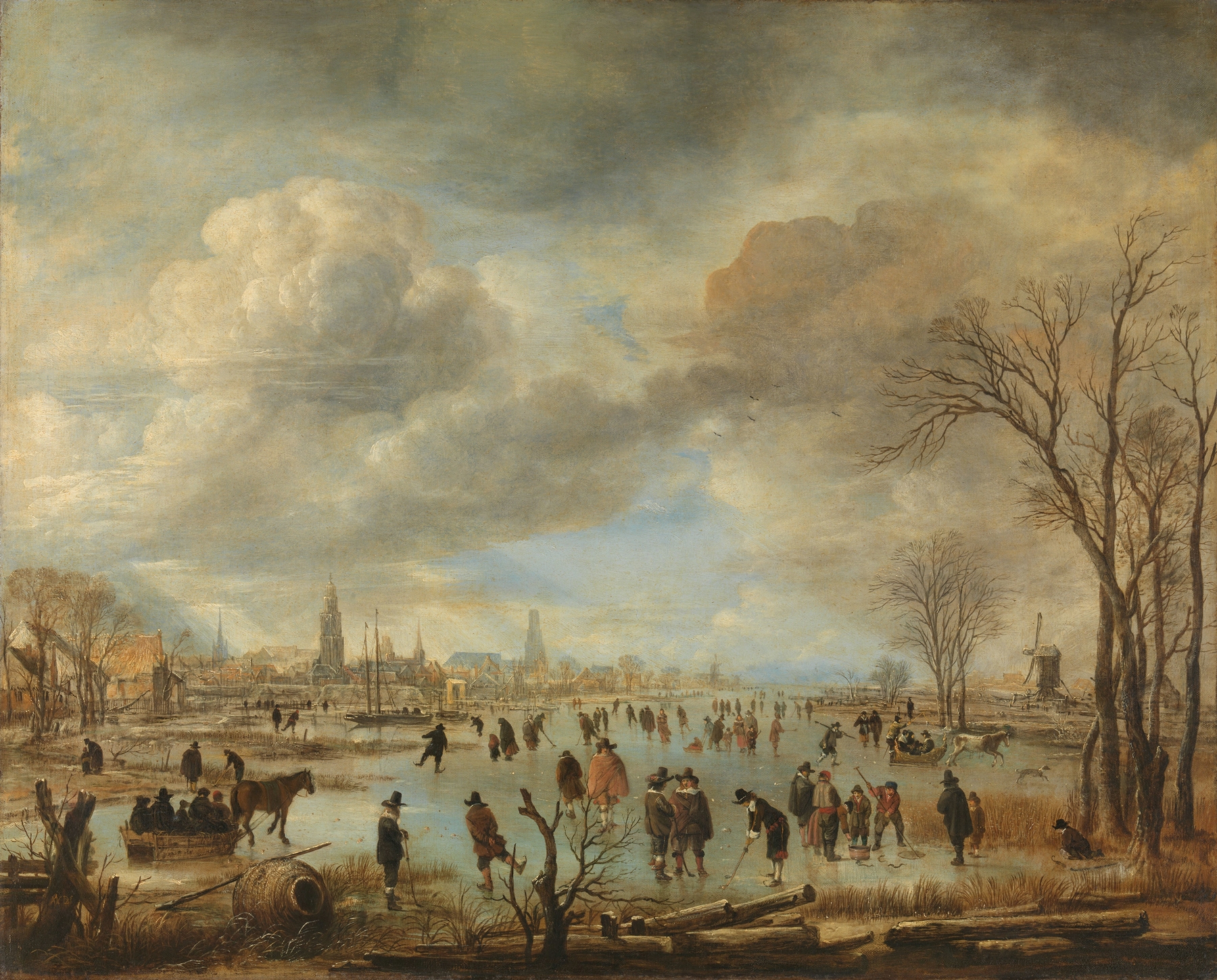
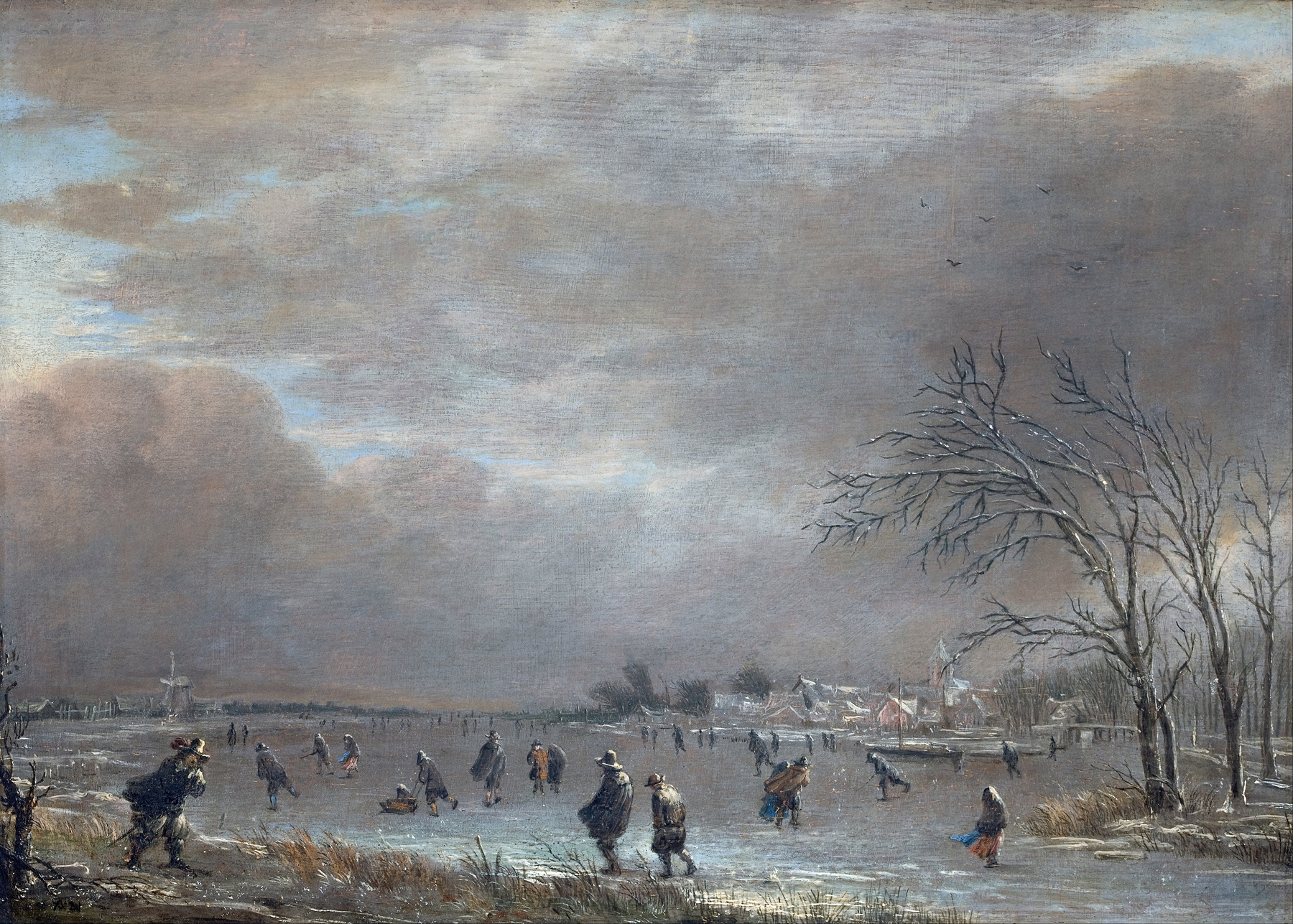
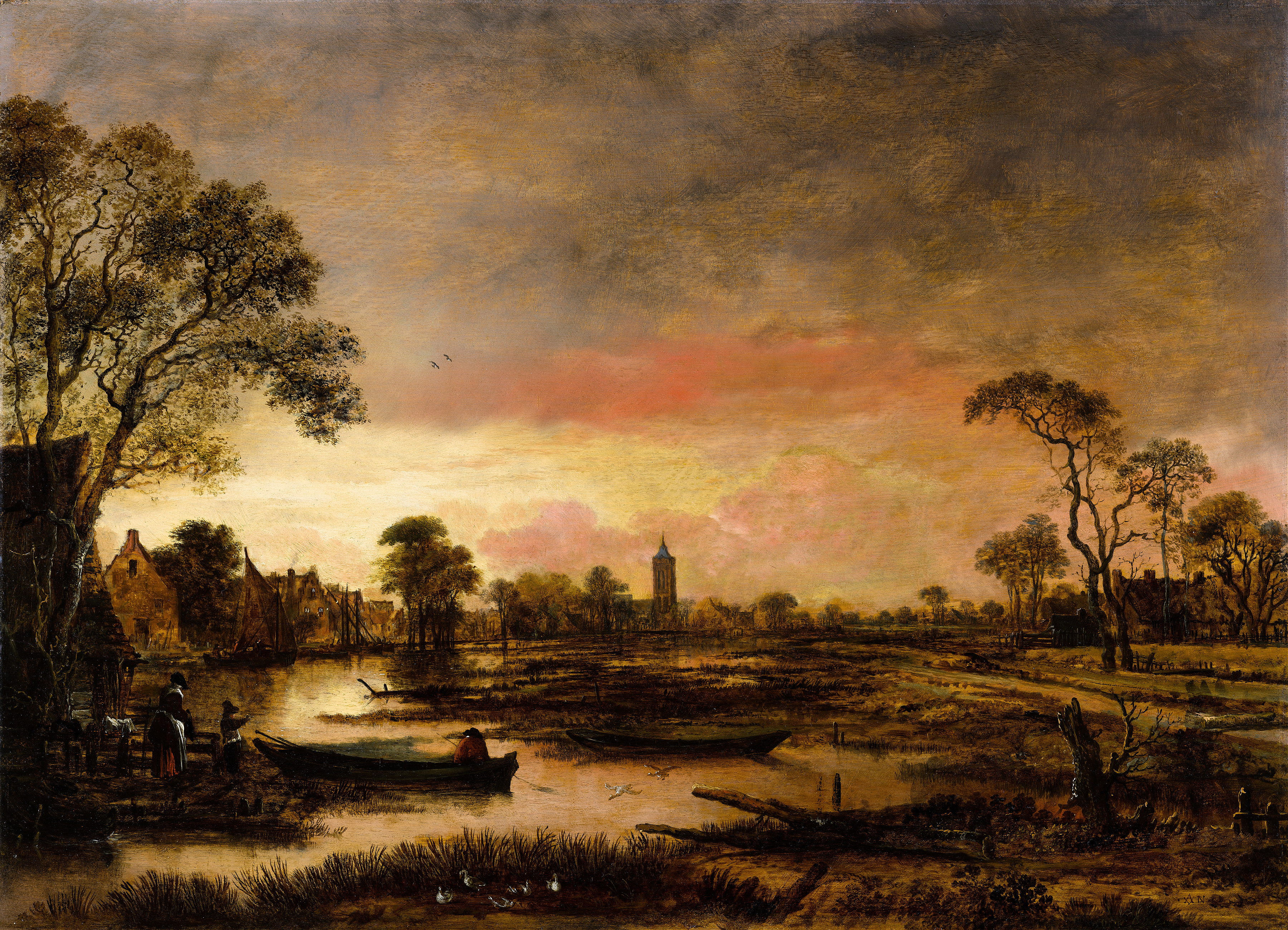
Did the painter know this moment would outlive them? In Winter in Holland – Skating Scene, the ethereal charm of a frozen landscape invites us to ponder the transience of life against the backdrop of unyielding time. Look to the left at the skaters gliding effortlessly across the ice, their figures framed by delicate brush strokes that evoke movement intertwined with stillness. Notice how the soft, muted palette of blues and grays reflects the chill of the winter air, while dabs of white create a glimmering sheen on the ice.
This careful composition draws the eye toward the distant town, where the golden glow of light emanates from buildings, contrasting against the coolness of the surroundings, creating an intimate bridge between human warmth and the harshness of nature. Beneath the surface, the painting reveals a duality: the joy of communal skating juxtaposed with the somber reminder of winter’s grasp. The figures, though engaged in merriment, seem almost ephemeral, caught in a fleeting moment destined to fade as seasons change. The stillness of the trees in the background stands sentinel over this lively scene, a stark reminder that time moves relentlessly forward, regardless of our jubilations.
Created in 1645, this work emerged during a period when Aert van der Neer was establishing his reputation in the Dutch Golden Age. Living amidst the economic prosperity and rich artistic environment of the time, he captured the essence of everyday life, transforming ordinary scenes into poignant reflections on the human experience. This painting, with its focus on winter revelry, speaks to a deeper understanding of the passage of time, celebrating both the ephemeral and the enduring.