G. Closs – The Devil’s Bridge—St. Gothard Road, Schóllenen Gorge — History & Analysis
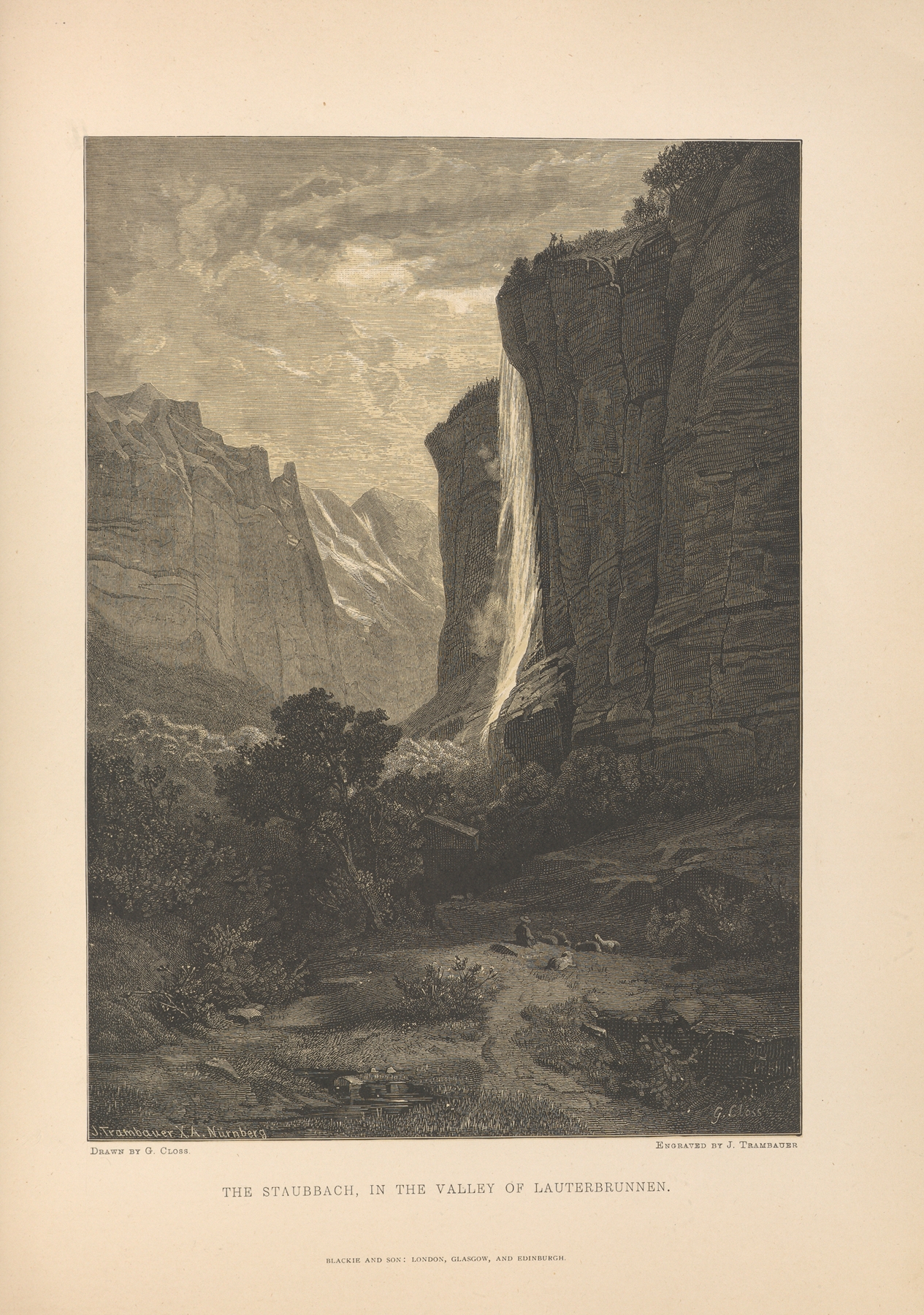
“Under the brush, chaos becomes grace.” This transformation highlights the delicate balance between nature's grandeur and the inevitable decay of man-made structures, revealing the fragility of human endeavor against the forces of time. Look to the left at the intricate arch of the bridge, its once-mighty stone now softened by the passage of years. The contrast between the rugged cliffs and the elegant curve of the bridge draws the eye, while the muted earth tones evoke a sense of nostalgia. Notice how the light plays along the water’s surface below, glinting and dancing, reflecting the fleeting moments of beauty amidst the weight of history and decay.
In the foreground, the crumbling masonry hints at decay, a reminder that even the most human achievements are not immune to time’s relentless grip. The juxtaposition of the sturdy bridge against the tumultuous landscape encapsulates a tension between aspiration and inevitability. Small details, like the moss creeping over the stone, symbolize nature's reclamation, suggesting that even in ruin, there exists an unyielding grace.
Theodor Gsell Fels painted this work in 1881 while living in Switzerland, amidst a period where Romanticism began to wane and the art world was shifting towards Impressionism. The political and social landscape was marked by change, with Switzerland navigating its identity in a rapidly modernizing Europe. This painting reflects a moment in time where the artist's fascination with the sublime in nature and architecture informed his creative vision, allowing him to capture the haunting beauty of decay.