E. T. Compton – The Jungfrau, and Opening of the Lauterbrunnen Valley — History & Analysis
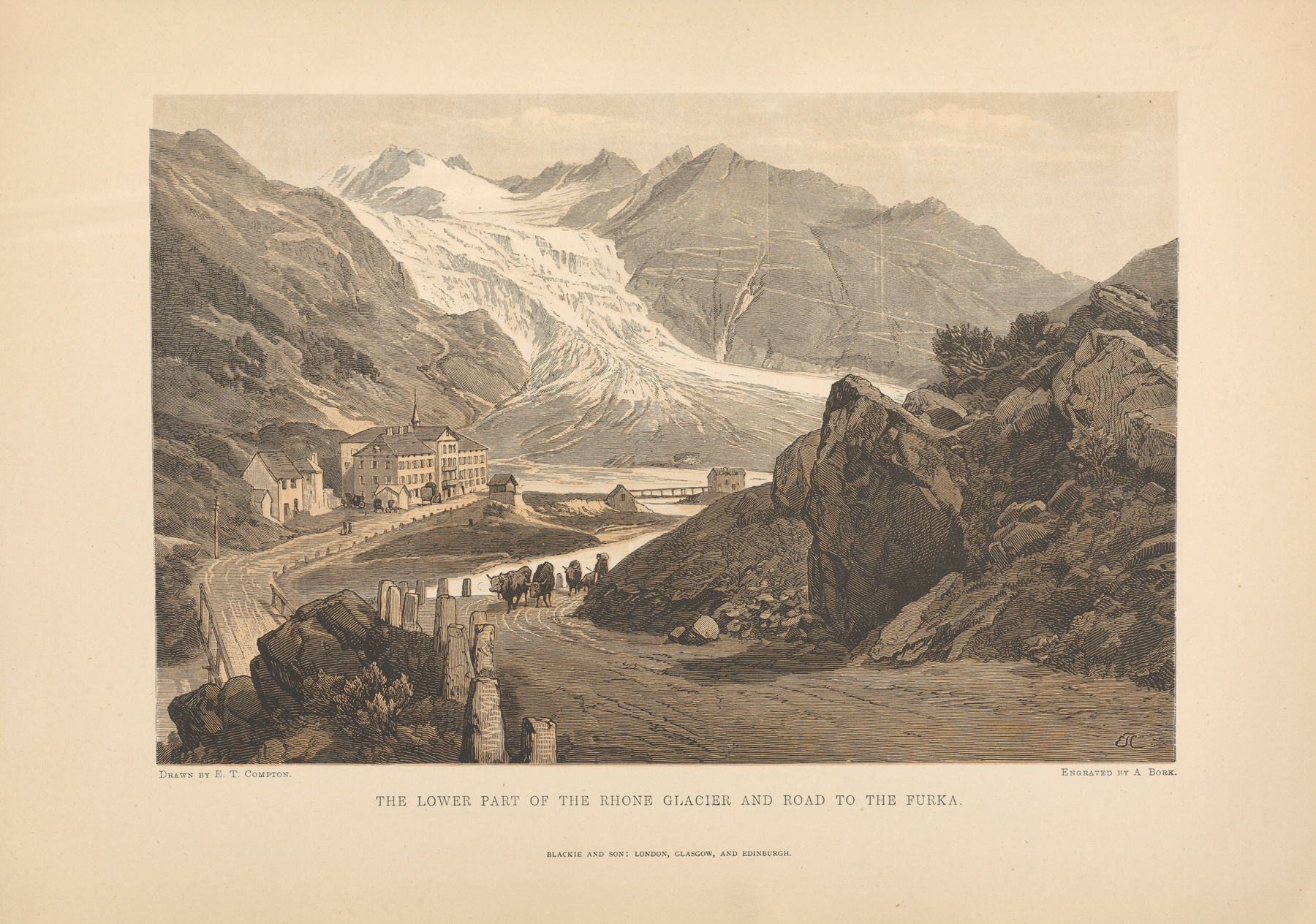
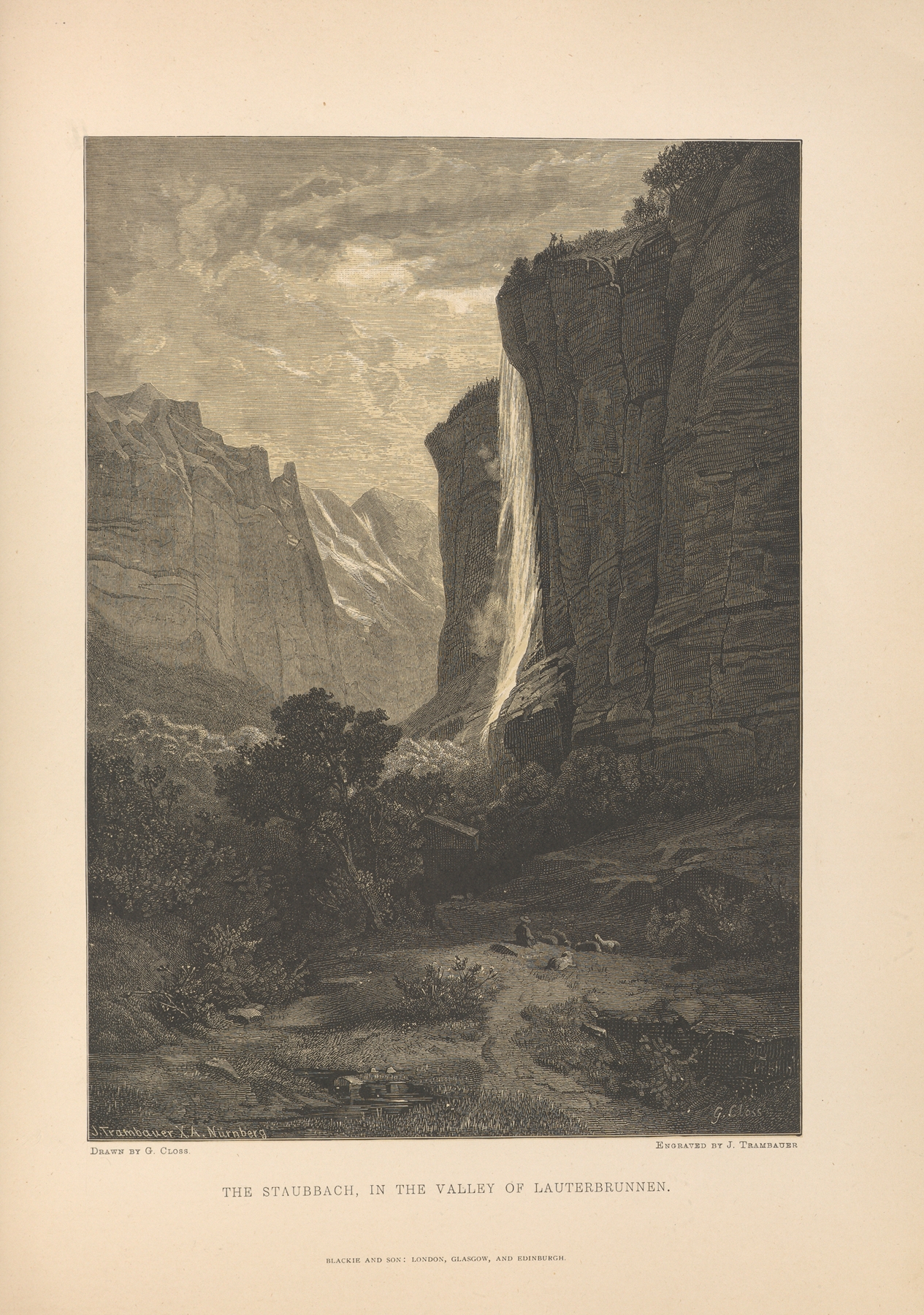
“Between color and silence, truth hides.” In the embrace of the mountains, movement whispers through the valleys, capturing the essence of life amid the stillness of nature. Look to the foreground where the valley unfurls like an ethereal ribbon. The gentle curves of the landscape draw your eyes toward the monumental presence of the Jungfrau, its snow-capped peaks piercing the azure sky. Notice the dynamic play of light—the sun dances upon the mountains, creating a shimmering effect that breathes life into the scene.
The brushwork is both deliberate and fluid, as if capturing the very air that swirls around the vibrant greens and cool blues of the valley. Within this idyllic tableau lies a contrast between the majestic stillness of the mountains and the subtle movement suggested by the flowing river below. This duality evokes a sense of harmony, inviting viewers to contemplate the relationship between permanence and change. The interplay of shadow and light suggests the time of day, symbolizing the passage of time itself and the transient beauty of nature.
Each stroke of color reveals a moment frozen yet alive with the promise of movement, as if the scene could breathe and shift at any moment. Theodor Gsell Fels painted this work in 1881 while residing in Switzerland, a time when the Romantic movement was giving way to a new appreciation for realism. The natural beauty surrounding him inspired his artistic vision, reflecting a growing trend among artists to immerse themselves in the landscapes they depicted. This painting encapsulates both personal and cultural shifts, marking a significant moment in the evolution of landscape painting during the late 19th century.