
Gate of the Metwaleys [Bab Zuwayla], Cairo. — History & Analysis
When did color learn to lie? In the haunting stillness of this artwork, the rich hues whisper of a grandeur now shrouded in loss, echoing the weight of history and grief threaded through time. Look to the left, where the massive stone arch of Bab Zuwayla towers against a turbulent sky. The artist’s meticulous brushwork captures the ancient stones, their textures alive with years of stories, each crack and crevice a testament to the passage of time. Notice how the golden light bathes the structure, contrasting starkly with the deep shadows that linger, hinting at the duality of beauty and decay.
The composition draws your eyes upwards, as if inviting you to contemplate the heavens while grounding you in the weight of the earth beneath. The interplay of light and shadow not only reveals the architecture but also evokes a sense of nostalgia and loss. The colors, vibrant yet somber, illustrate the fading glory of a civilization that once thrived. There’s a profound tension between the monument’s strength and the fragility of memory, as if it stands as a sentinel to the past, witnessing the sorrow of a world that continues to evolve.
This emotional depth resonates throughout, urging the viewer to ponder what remains after all that has been lost. Created between 1846 and 1849, this piece emerged during a period when David Roberts was deeply engaged with his travels through the Middle East. His fascination with ancient ruins and their stories was paramount in his work, reflecting both a personal journey and the broader European interest in exotic cultures. As he painted this scene in Cairo, the world around him was shifting; the effects of colonialism and the romanticizing of the East were beginning to shape artistic narratives, setting the stage for an era marked by both wonder and a profound sense of longing.
![Karnac [Karnak]. Nov. 29th, 1838., by David Roberts, public domain](https://froigstrpvutwqtqikzt.supabase.co/storage/v1/object/public/art-images/artworks/4d03dc1f7193c7d916a2bc790dd85d799ca595e465dea5741c39c1c0d95500f2.jpg)
![Temple of Edfou [Idfû], ancient Appolinopolis, Upper Egypt., by David Roberts, public domain](https://froigstrpvutwqtqikzt.supabase.co/storage/v1/object/public/art-images/artworks/b51e83da008fb52a9e3832297709f860ad8821d94936f0ccc0984f79e32cfea9.jpg)
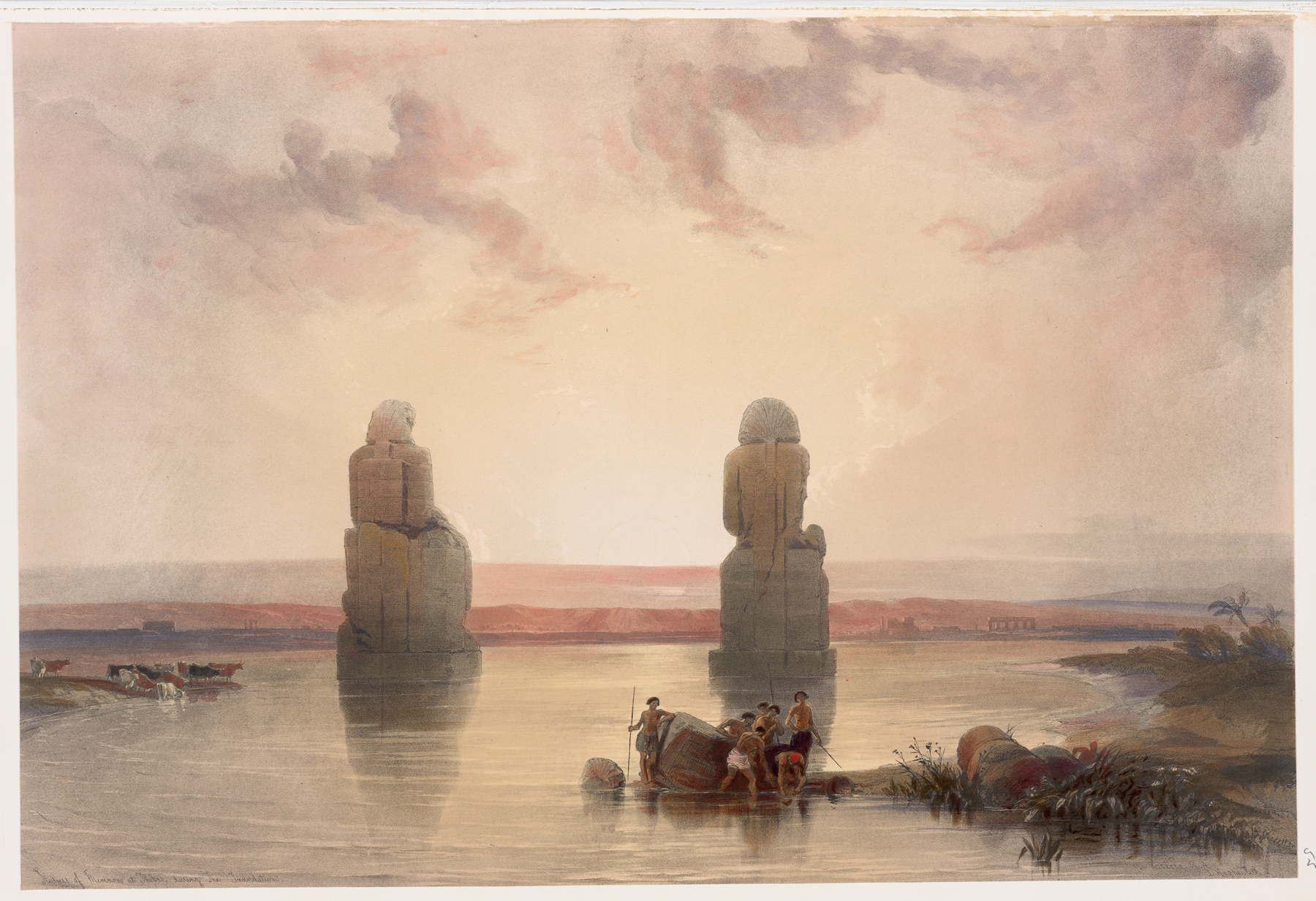
![Entrance to the tombs of the kings of Thebes. Bab-el-Malouk [Bîbân al-Mulûk]., by David Roberts, public domain](https://froigstrpvutwqtqikzt.supabase.co/storage/v1/object/public/art-images/artworks/9f12d85330f523f7a10051ef2b6b1ebe90468ae48e1601ee63ecff2779bfca39.jpg)
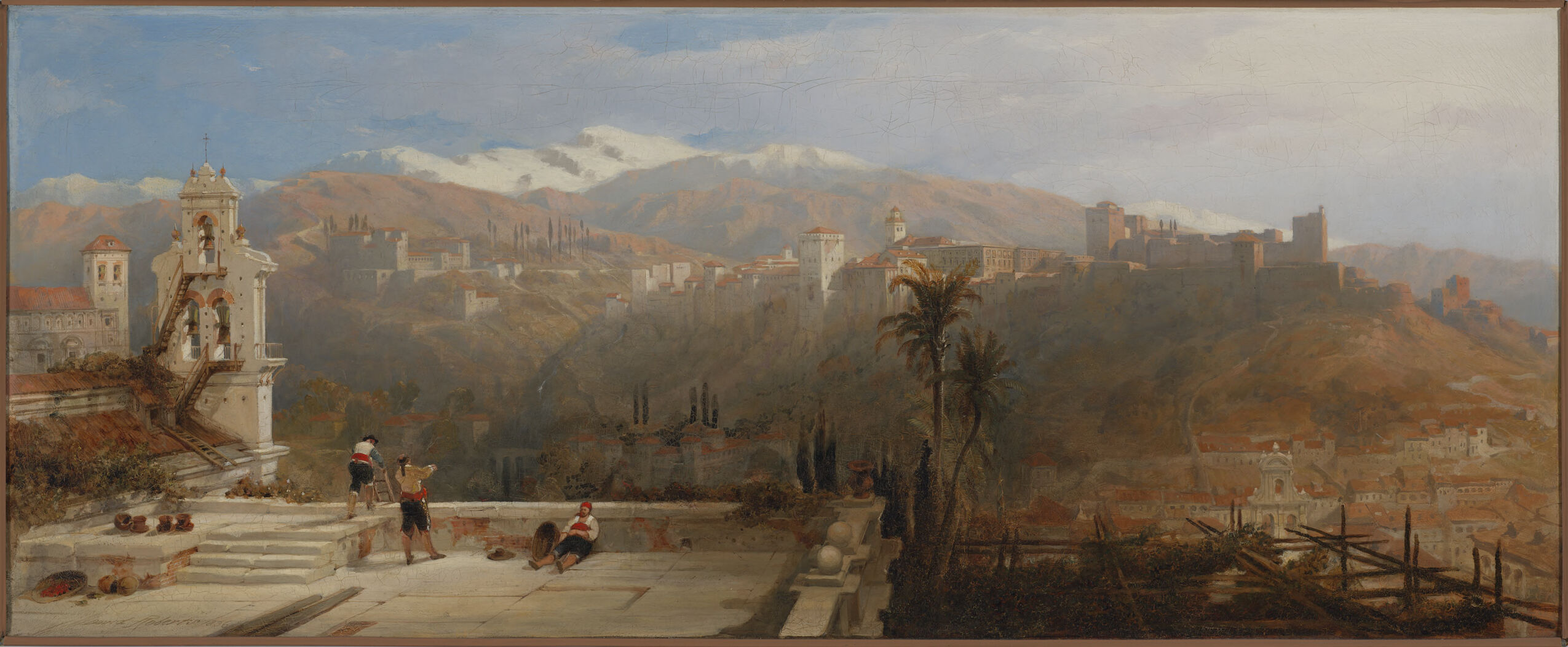
![Temple of Kalabshee [Kalabsha, Kalâbishah], Nubia. Nov. 1838., by David Roberts, public domain](https://froigstrpvutwqtqikzt.supabase.co/storage/v1/object/public/art-images/artworks/c5ed0b38c9a784f56a7ac4d7d514cecf800d77b6cf2f043be350b267a07d899e.jpg)