George Washington (1732-1799) — History & Analysis
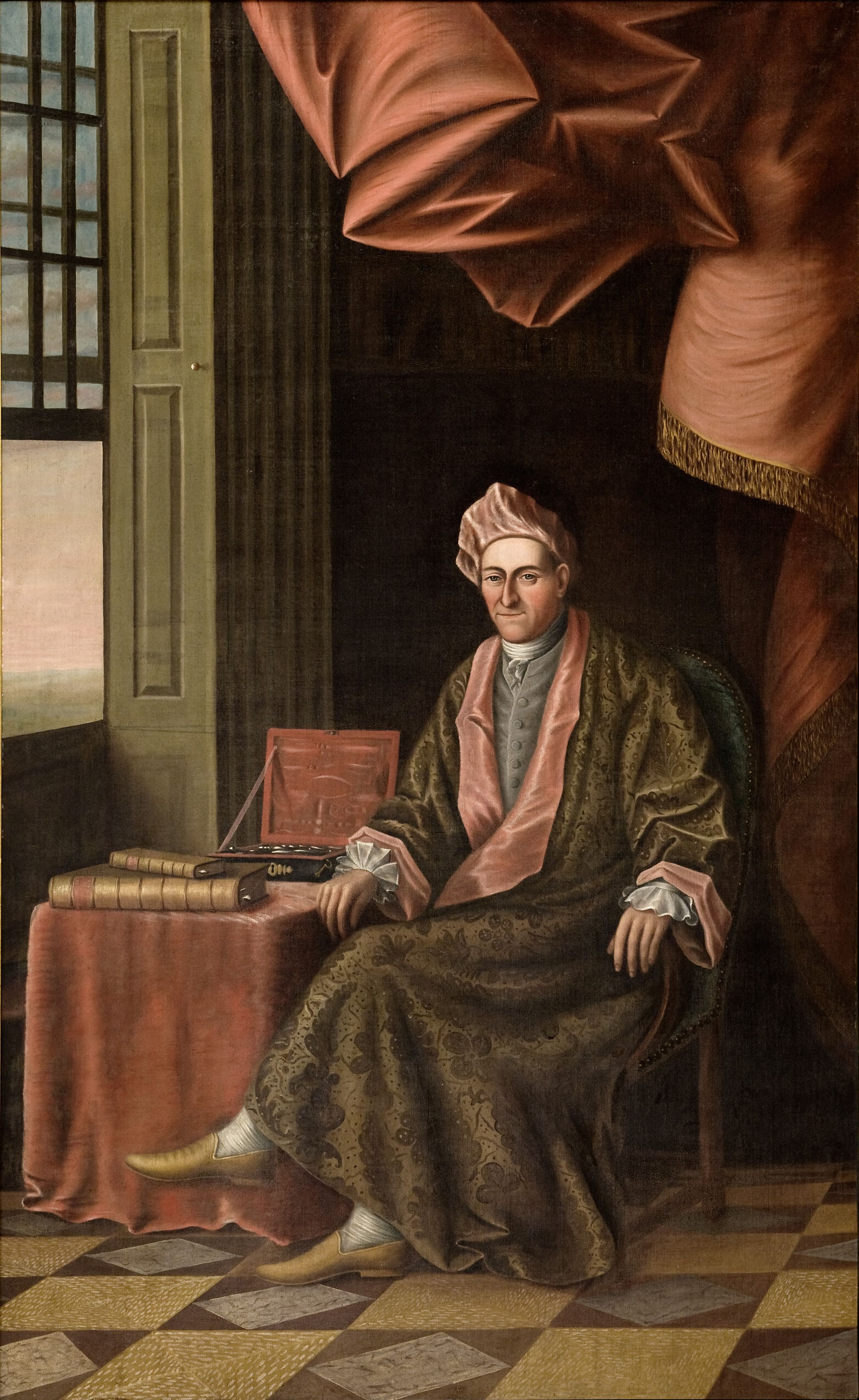
Under the brush, chaos becomes grace. What does it mean to embody a nation’s aspirations, to carry its hopes and dreams in a single gaze? In every brushstroke, longing unfolds, whispering of the weight of leadership and the sacrifices that accompany it. Focus on the figure of George Washington, centrally positioned in the composition. Notice how the light gently illuminates his face, casting a soft glow that invokes both warmth and authority.
Look to the drapery of his garments, flowing and meticulously rendered, suggesting a sublime elegance that contrasts with the ruggedness of the era he navigated. The background, a blend of muted greens and blues, serves as a reminder of the natural landscape that birthed a nation, framing Washington as both a man and a myth. Delve deeper into the symbols woven throughout the painting. The grandeur of his posture speaks of resolve and determination, yet his slight tilt of the head hints at an underlying vulnerability. The juxtaposition of his serious expression against the serenity of the landscape evokes a profound emotional tension—a longing for unity amidst the turbulence of nation-building.
The details, such as the folded letter in his hand, symbolize the weight of decisions yet to come, an echo of the compromises that define leadership. Edward Savage created this portrait in 1790, a period rich with political upheaval and nascent nationhood. Working in New York City, he captured Washington’s essence at a time when the American identity was being forged. The artist sought to immortalize the first president not merely as a leader but as a pivotal figure symbolizing hope and resilience during the fragile early years of the republic.