Granada — History & Analysis

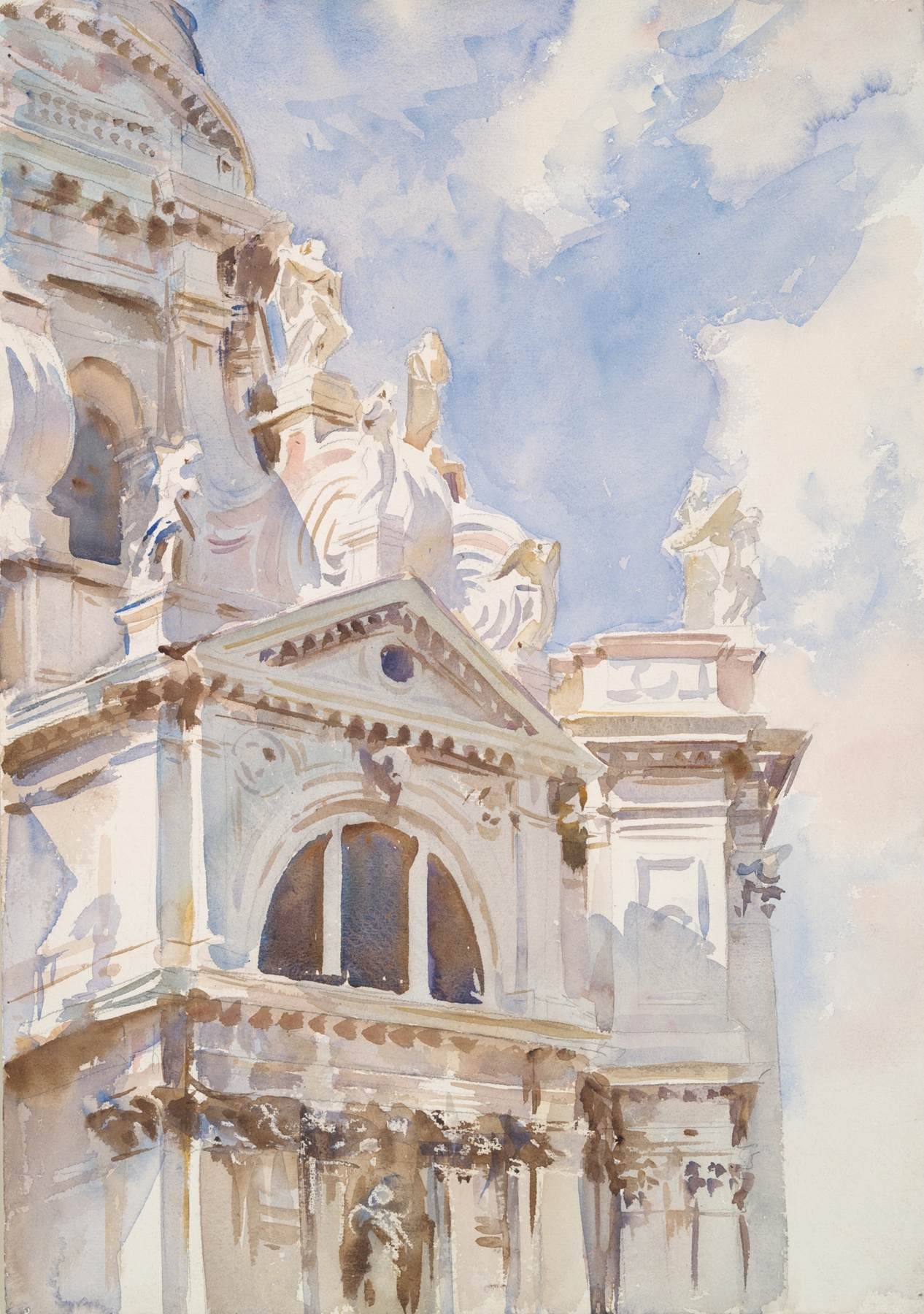
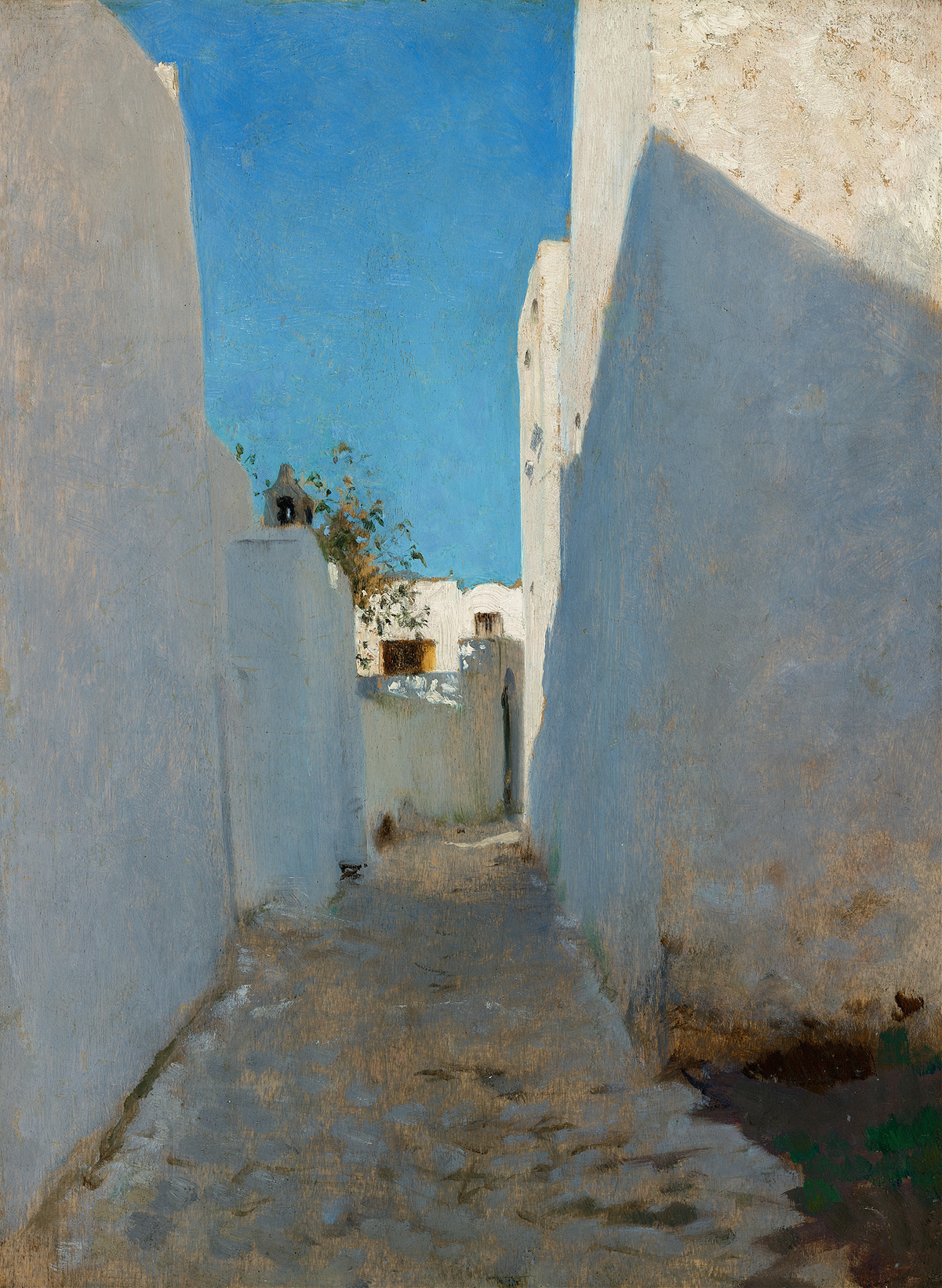
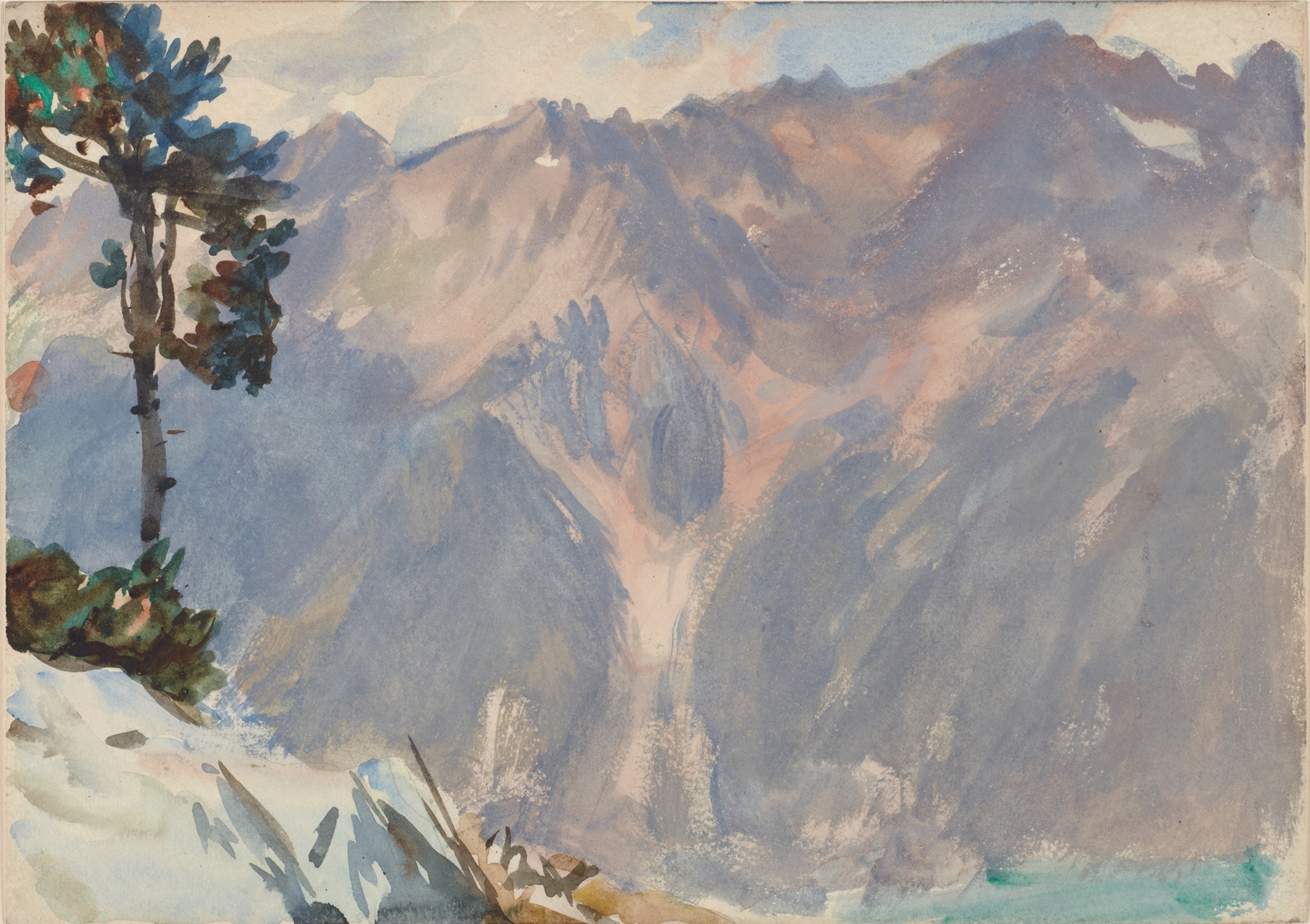
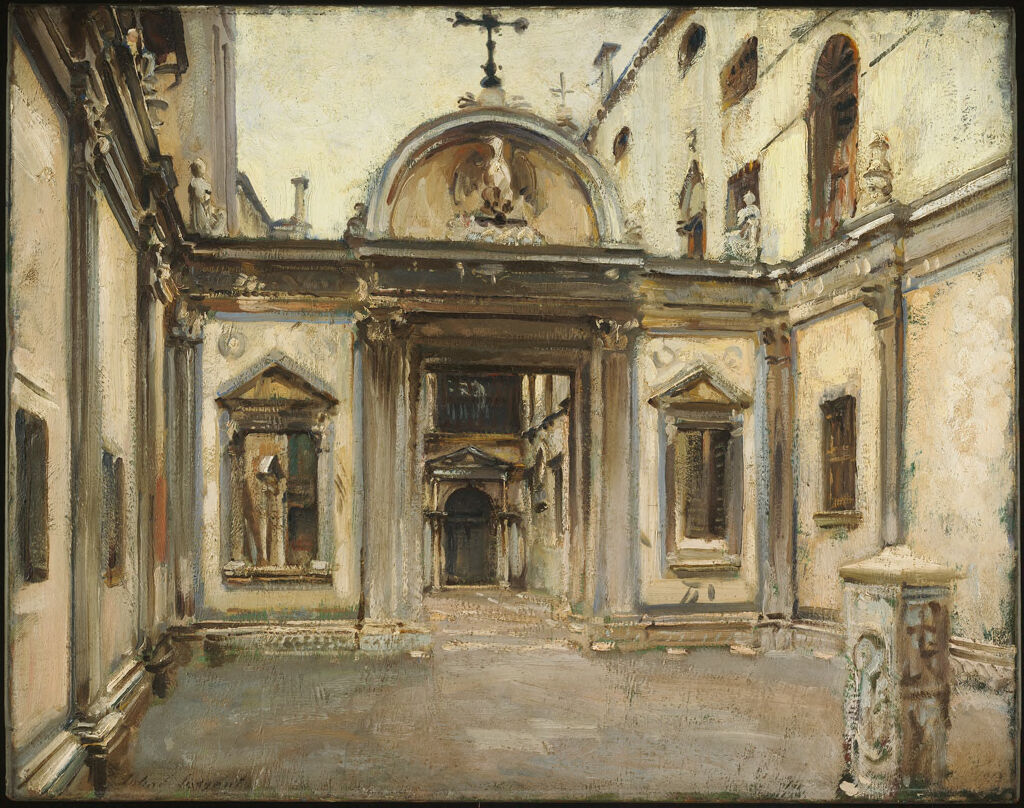
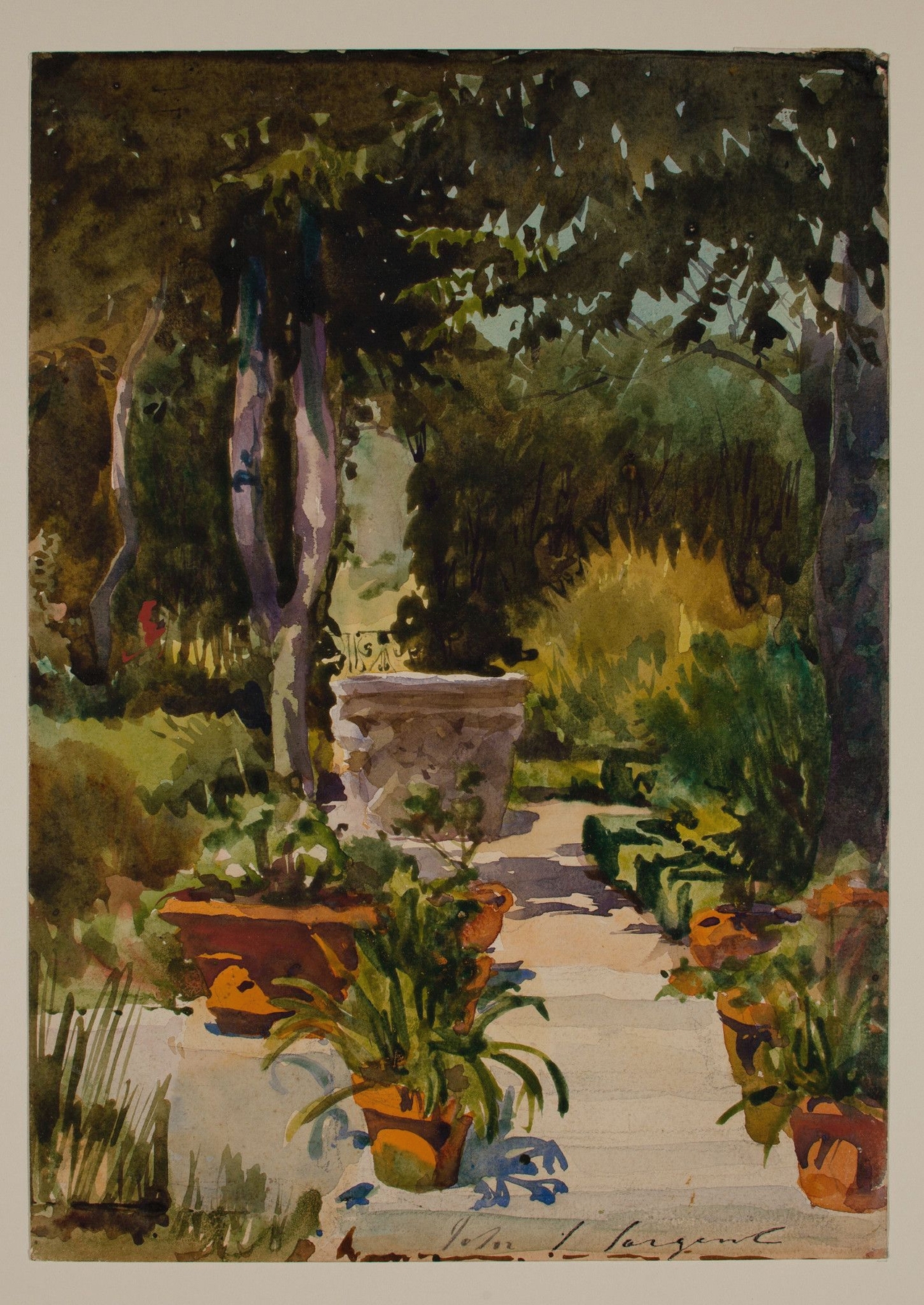
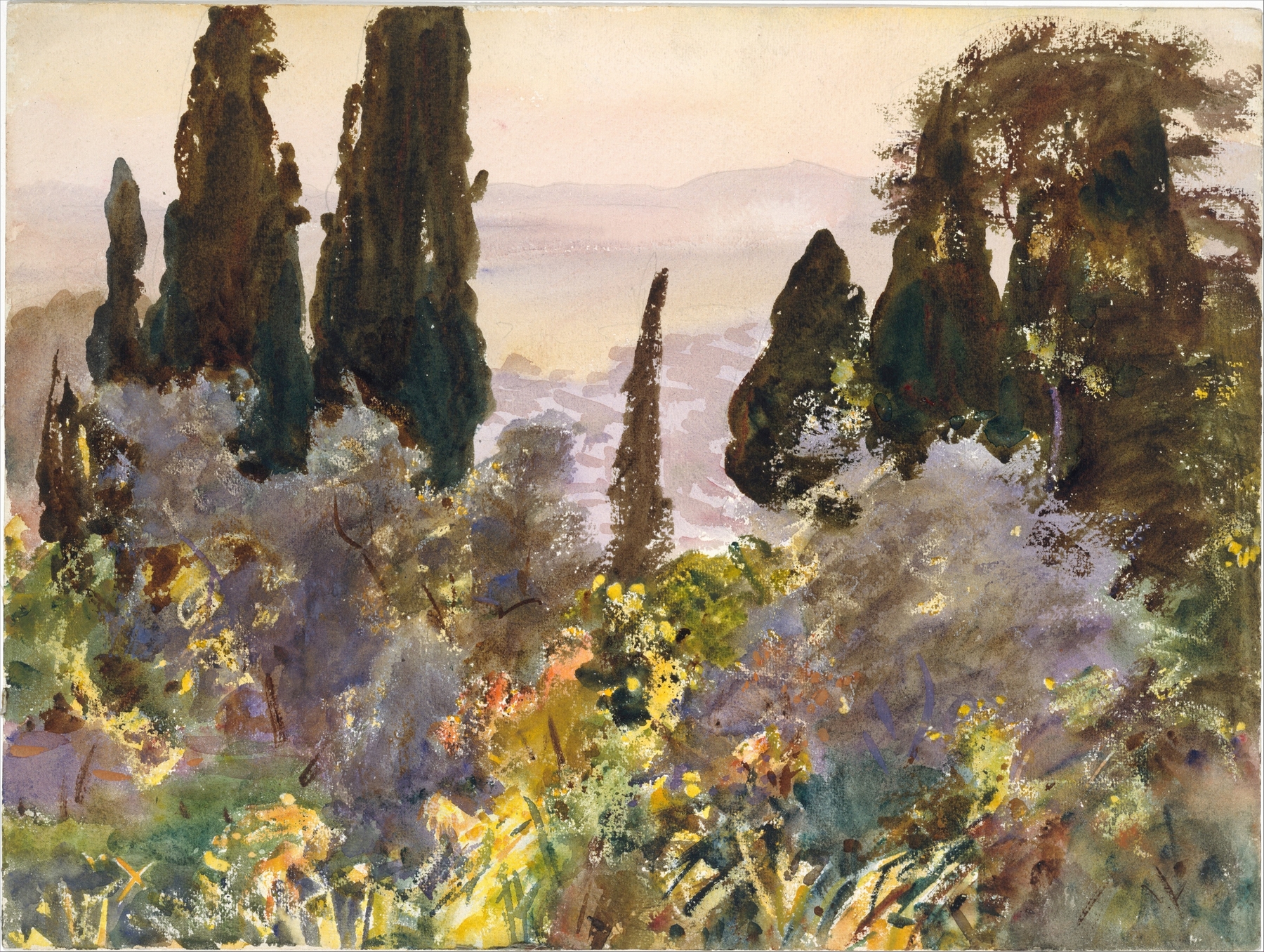
Did the painter know this moment would outlive them? In Granada, serenity emanates from every brushstroke, inviting viewers to step into a world imbued with tranquil beauty and timelessness. Focus on the soft hues that wash across the canvas, where shades of gold and lavender blend seamlessly in the twilight sky. Notice how the delicate architecture of the Alhambra emerges from the shadows, framed by the lush greenery in the foreground.
The artist’s confident yet fluid technique captures the essence of the landscape, inviting the eye to journey through the layers of color and detail. Each element feels alive, yet restrained, revealing an extraordinary balance between nature and human artistry. Beneath the surface, the painting resonates with a poignant contrast: the enduring strength of the historical structure juxtaposed with the ephemeral beauty of the evening light. The quiet serenity invokes a sense of nostalgia, as if the viewer is privy to a fleeting moment that transcends time.
This stillness invites contemplation, suggesting a deeper connection between the past and present, evoking feelings of longing and peace. In 1912, John Singer Sargent painted Granada during a period when he sought refuge from the social pressures of the art world. After establishing his reputation as a portraitist, Sargent turned to landscapes, exploring the serene beauty of Spain. This painting reflects not only his personal artistic evolution but also a broader cultural fascination with the picturesque and the exotic during the early 20th century.