Haskell’s House — History & Analysis
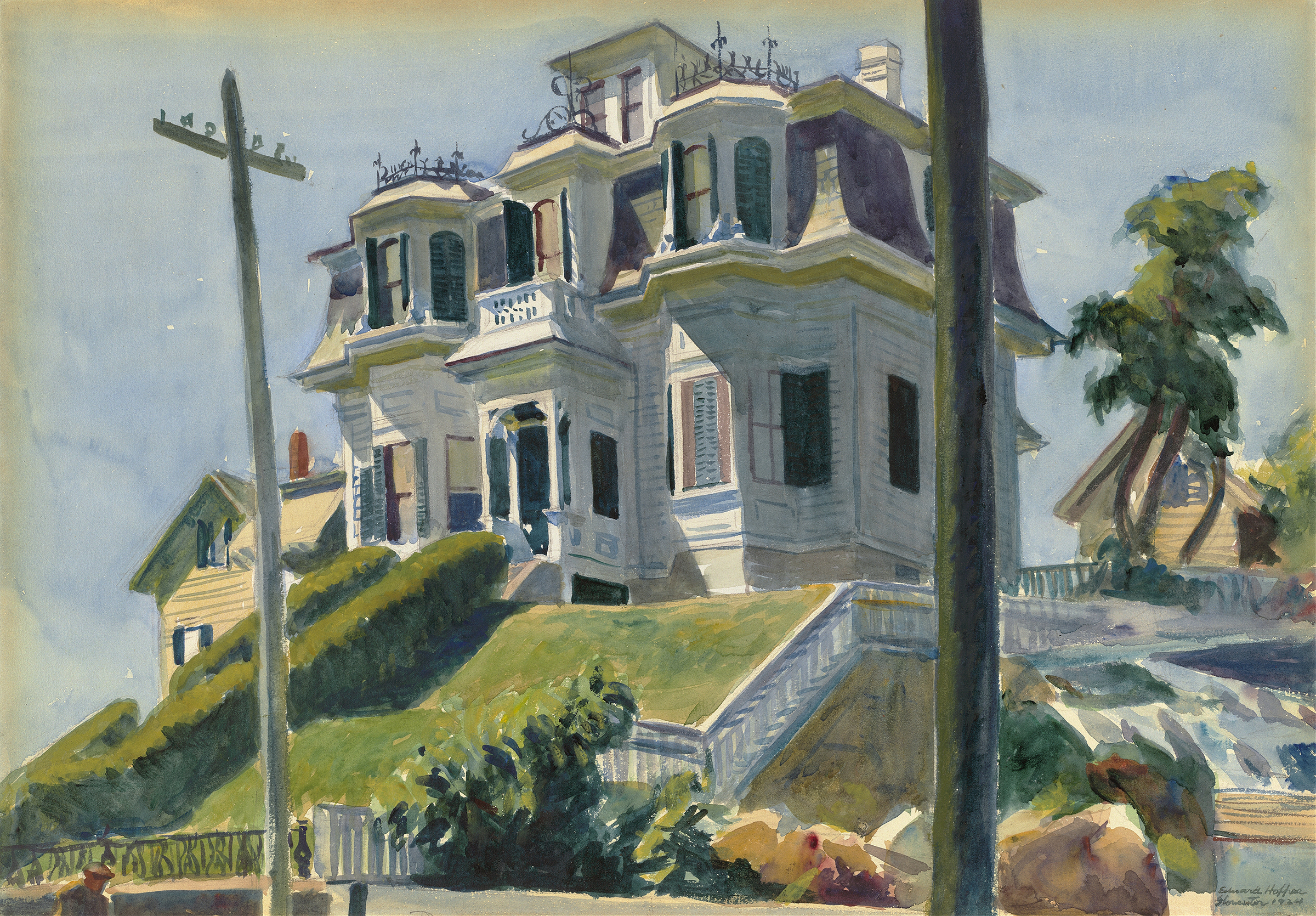
Where does light end, and longing begin? In the quiet embrace of solitude, Edward Hopper's Haskell’s House captures the essence of loneliness woven into the fabric of everyday life. Look to the left at the modest structure bathed in the golden hue of late afternoon light. The house stands alone against a backdrop of muted greens and browns, accentuated by the gentle play of shadow and light.
Notice how the sun casts elongated forms, creating an almost theatrical stage that enhances the isolation of the scene. The composition invites the viewer to step closer, drawing them into the stillness that permeates the air. The subtle contrasts between the warm light illuminating the house and the cool shadows wrapping around it speak to the duality of human experience—the warmth of hope tinged with the chill of solitude. The windows, framed yet uninviting, suggest stories untold and dreams unfulfilled.
Each detail, from the simple, weathered exterior to the lone tree leaning in the breeze, resonates with an emotional weight, evoking a sense of yearning that lingers beyond the canvas. In 1924, when this work was painted, Hopper was immersing himself in the exploration of American life and its complexities. Living in New York City, he was influenced by the evolving artistic movements around him, particularly the emergence of modernism. As he grappled with themes of isolation amid the bustling city life, Haskell’s House emerged as a poignant reflection of the human condition, capturing the universal ache for connection against a backdrop of stark solitude.