Hercules in gevecht met centaurs — History & Analysis
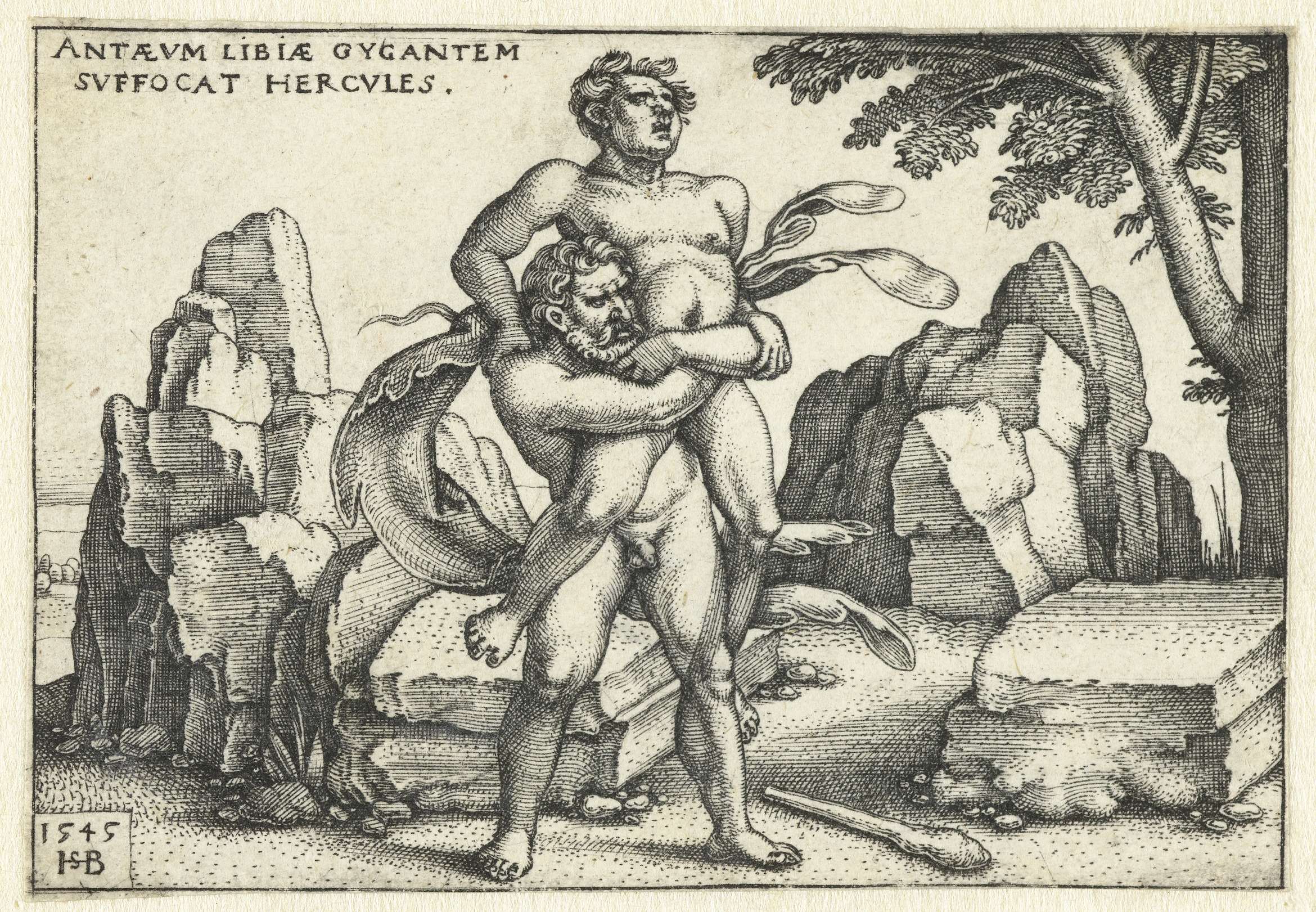
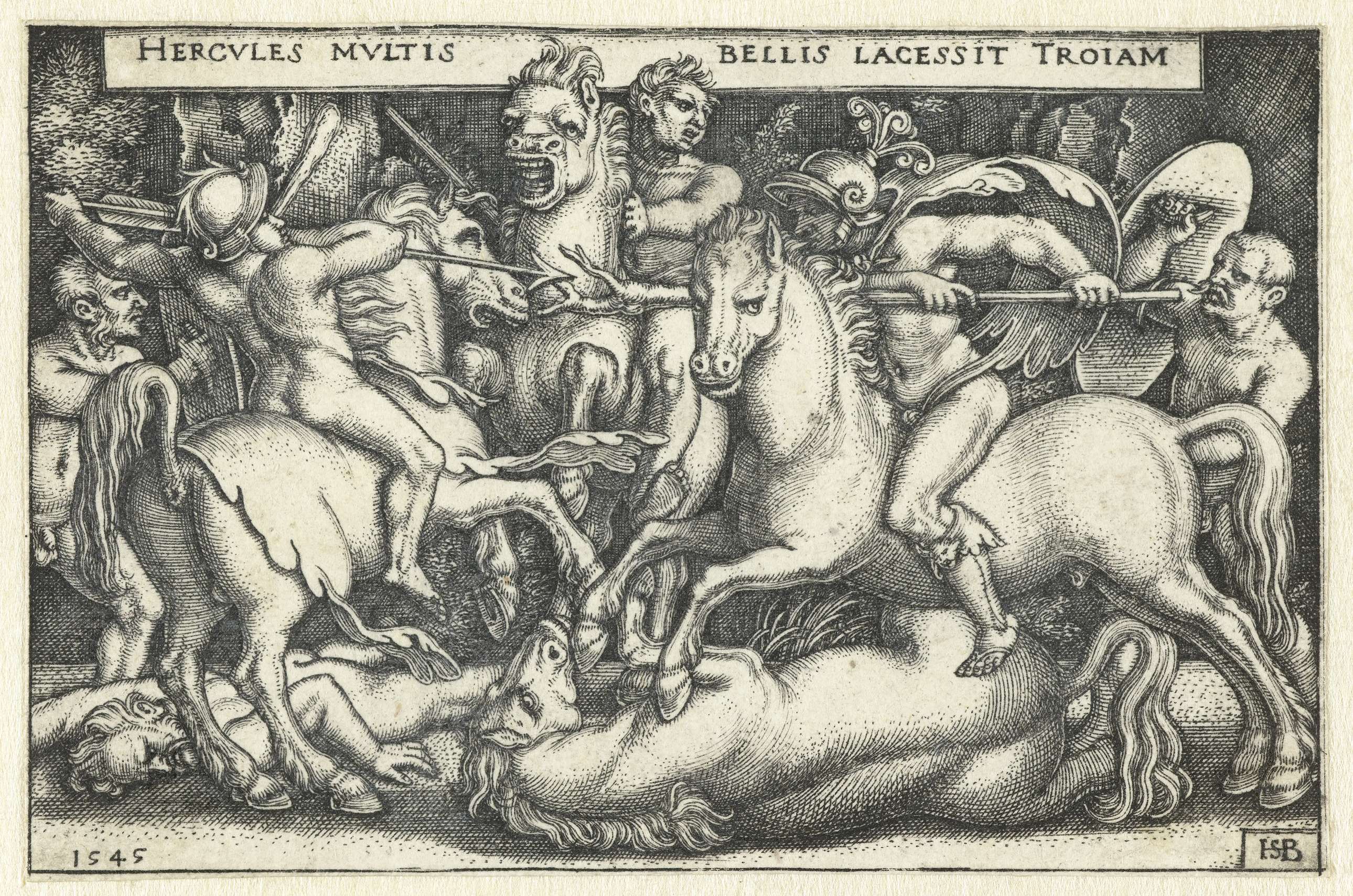
When did color learn to lie? Within the brushstrokes of this work, a void unfolds, revealing a clash of strength and chaos that transcends mere representation. Look to the center of the canvas, where Hercules stands resolute, muscles taut, illuminated by a harsh light that accentuates his defiance. The swirling forms of centaurs surround him, their frantic movements creating a stark contrast against his solid stature.
The palette is a tempest of browns and greens, evoking both the earthy wildness of the centaurs and the heroic glow of the figure at the forefront. Notice how the tension crescendos in the jagged lines of the centaurs' limbs, a dynamic composition that pulls the viewer into the fray. Amidst this violence is a poignant reflection of civilization confronts primal nature. Hercules embodies the struggle against chaos, while the centaurs symbolize the untamed forces of the natural world.
The interplay of light and shadow not only delineates the physicality of the combatants but also alludes to the philosophical dichotomy of order versus disorder, a deeply resonant theme in human experience that challenges the viewer's perception of heroism. In 1542, Hans Sebald Beham painted this piece during a period of artistic transformation in the Northern Renaissance. Working in Nuremberg, he was influenced by the burgeoning movement towards realism and emotional depth, juxtaposed with the broader political and religious upheaval of his time. This artwork encapsulates the artist's response to both the changing landscape of art and the tumultuous social climate, marking a significant moment in his exploration of myth and human conflict.