Highland Light, North Truro, Massachusetts — History & Analysis
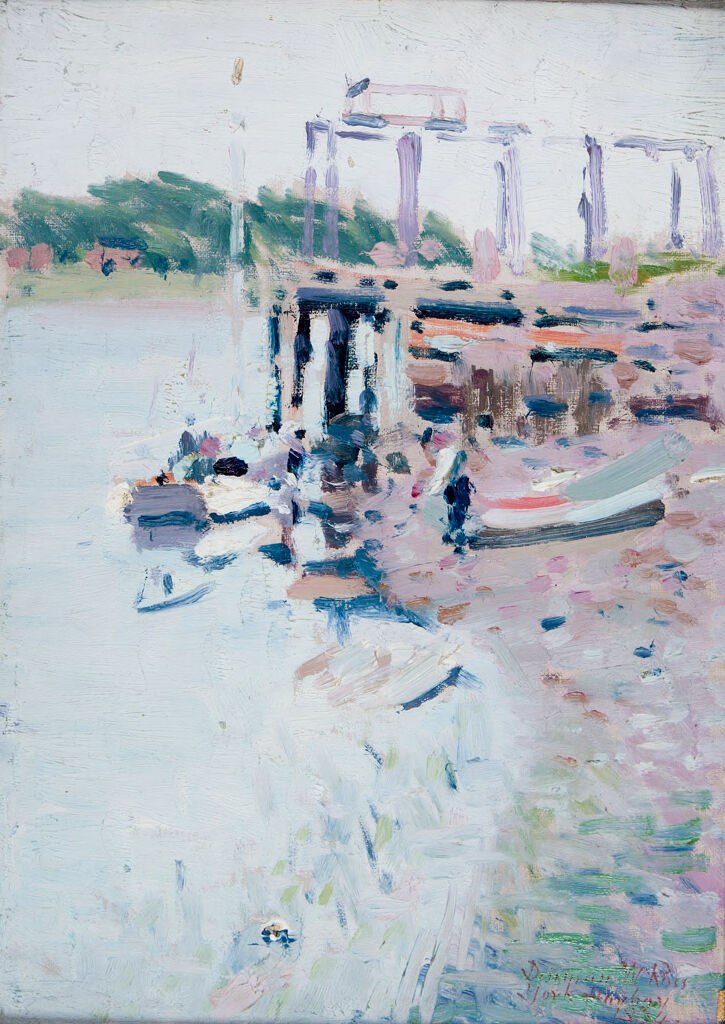
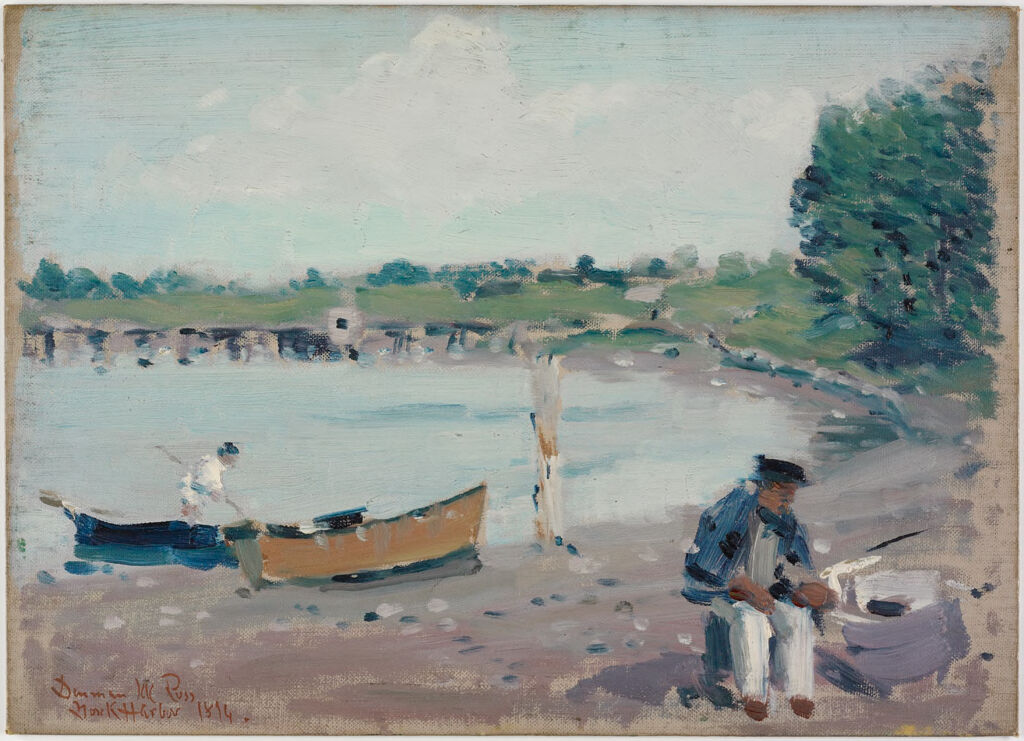
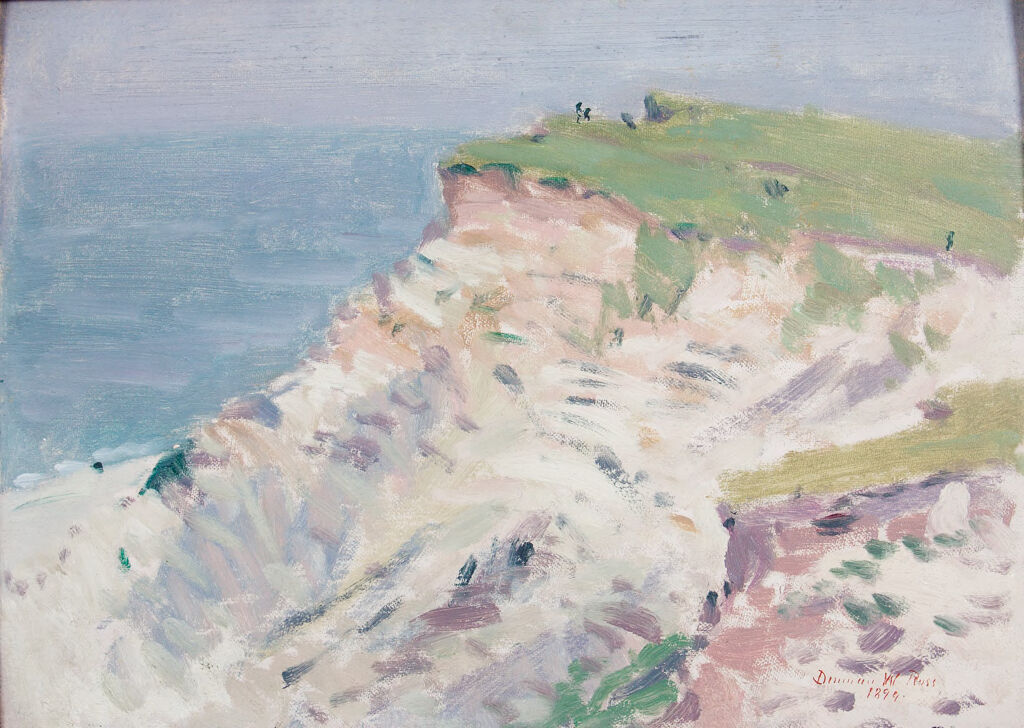
“Art reveals the soul when the world turns away.” In a moment of stillness, Ross distills the tumultuous essence of nature, an unspoken confrontation between tranquility and chaos. The artwork speaks to a hidden violence within the serene landscape, prompting the viewer to embark on a journey of introspection. Look closely at the horizon where the sea meets the sky; the swirling clouds seem almost animated, echoing the undercurrents of emotional tension. The pastel hues blend seamlessly, yet there is an aggressive brushstroke that belies the calm surface, suggesting a struggle just beneath the facade. Notice how the light flickers across the water, illuminating patches of violent color amidst softer tones, reflecting the duality of peace and turmoil inherent in nature. Delve deeper into the contrasts present in the scene. The gentle curves of the shoreline juxtapose the jagged edges of the clouds, embodying the fragility of existence. This interplay serves as a metaphor for the internal conflicts that rage within us, often masked by outward appearances. The painting compels us to confront our own 'highland light', illuminating the often violent truths that lie in quietude. Created in 1894, this work emerged during a period of burgeoning artistic experimentation in America. Ross was living in Massachusetts, a time marked by increasing dialogue in the art community surrounding impressionism and its representation of modern life. Amidst these transformations, he captured a moment that resonates with the viewer—an exploration of beauty, intensity, and the complex layers of perception.