Profile Portrait of a Boy in Suit and Tie — History & Analysis
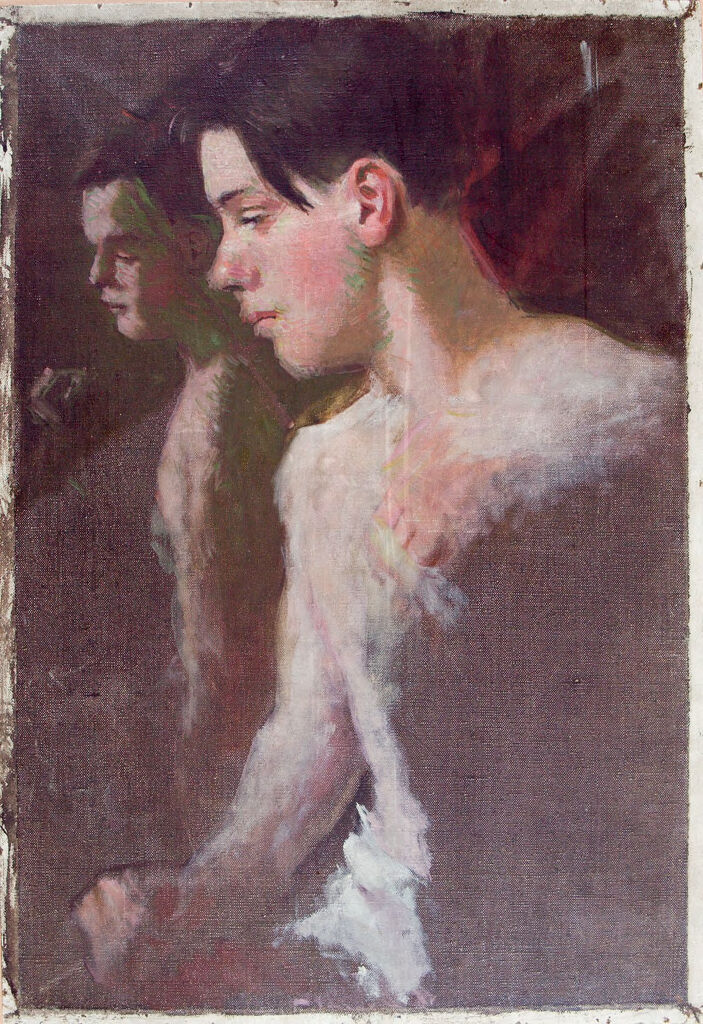
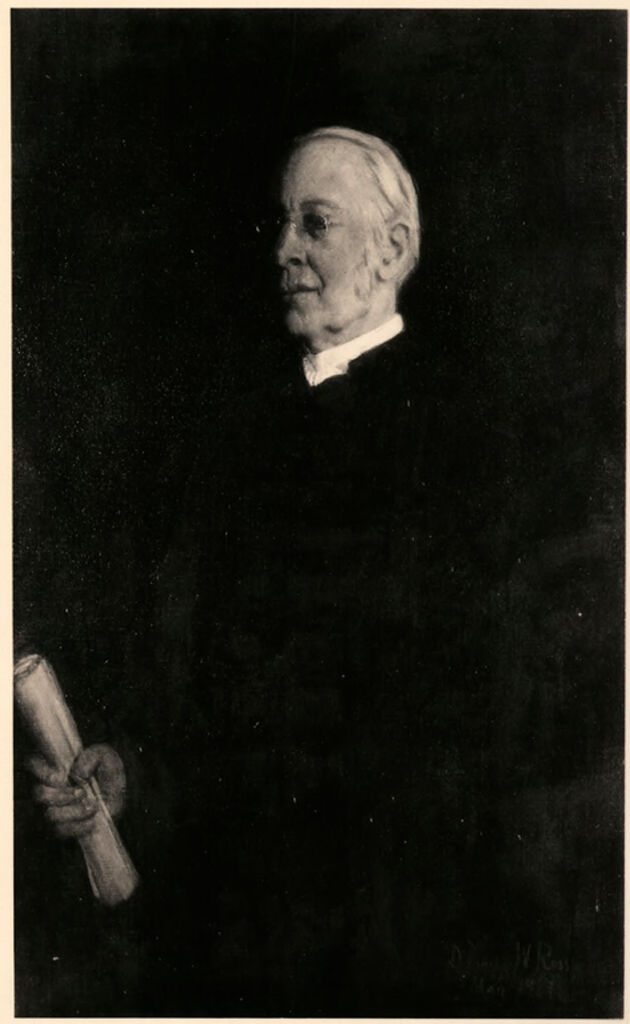
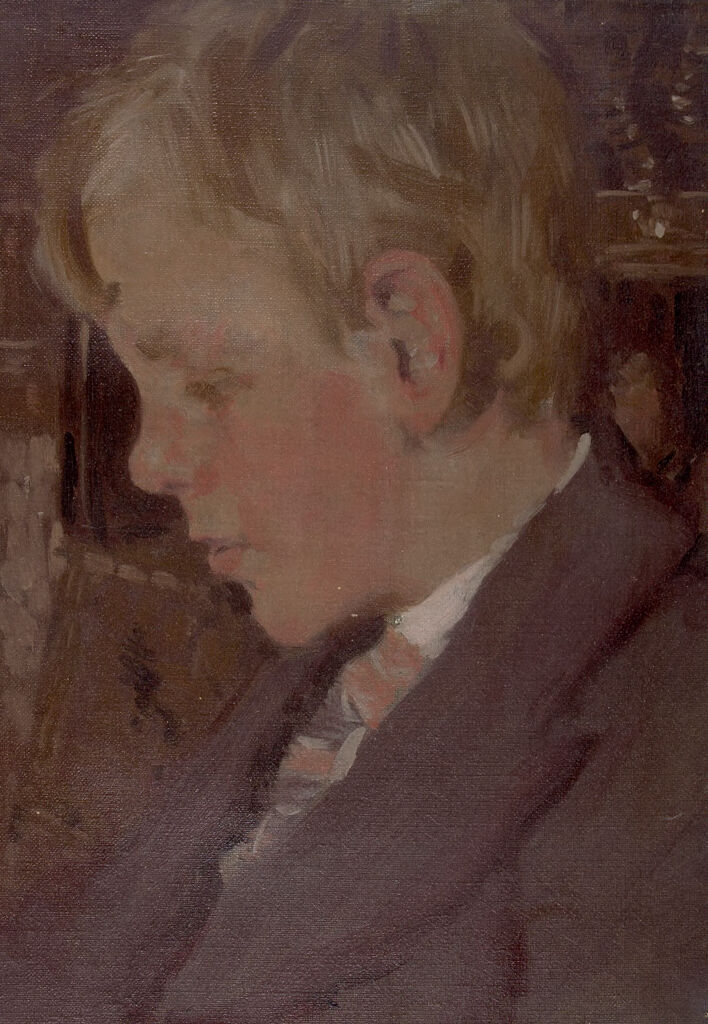
Could beauty survive in a century of chaos? This poignant question reverberates through the stillness captured in the profile of a boy dressed impeccably in a suit and tie, offering a glimpse into a world of innocence amidst the tumult of his time. Look to the left at the boy’s poised profile, where the light caresses his delicate features, illuminating the subtle contours of his face. His dark hair is meticulously styled, and the crisp collar of his shirt frames a serene expression, as if suspended in contemplation. The muted palette of soft grays and gentle blues enhances the boy’s calm demeanor, while the subtle brushwork hints at both precision and intimacy, inviting the viewer to engage with his quiet confidence. Beneath this composed exterior, a poignant contrast exists. The suit, a symbol of societal expectations and adulthood, juxtaposes the tender age of the boy, hinting at the pressures of growing up in a world on the brink of transformation. The simplicity of the background underscores his isolation, yet it also serves as a canvas for the possibility of dreams untainted by chaos. This delicate balance between innocence and expectation, beauty and burden, offers a glimpse into the conflicting emotions of a generation. Denman Waldo Ross created this work in the late 19th to early 20th century, during a period marked by rapid industrialization and societal change. Living in America, Ross was deeply influenced by the evolving art movements and the shifting cultural landscape that sought to reconcile the old with the new. In this moment, he captured not just a boy in a suit, but a symbol of hope and resilience at a time when the world was teetering on the edge of modernity.