Hoofd van een boeddha — History & Analysis
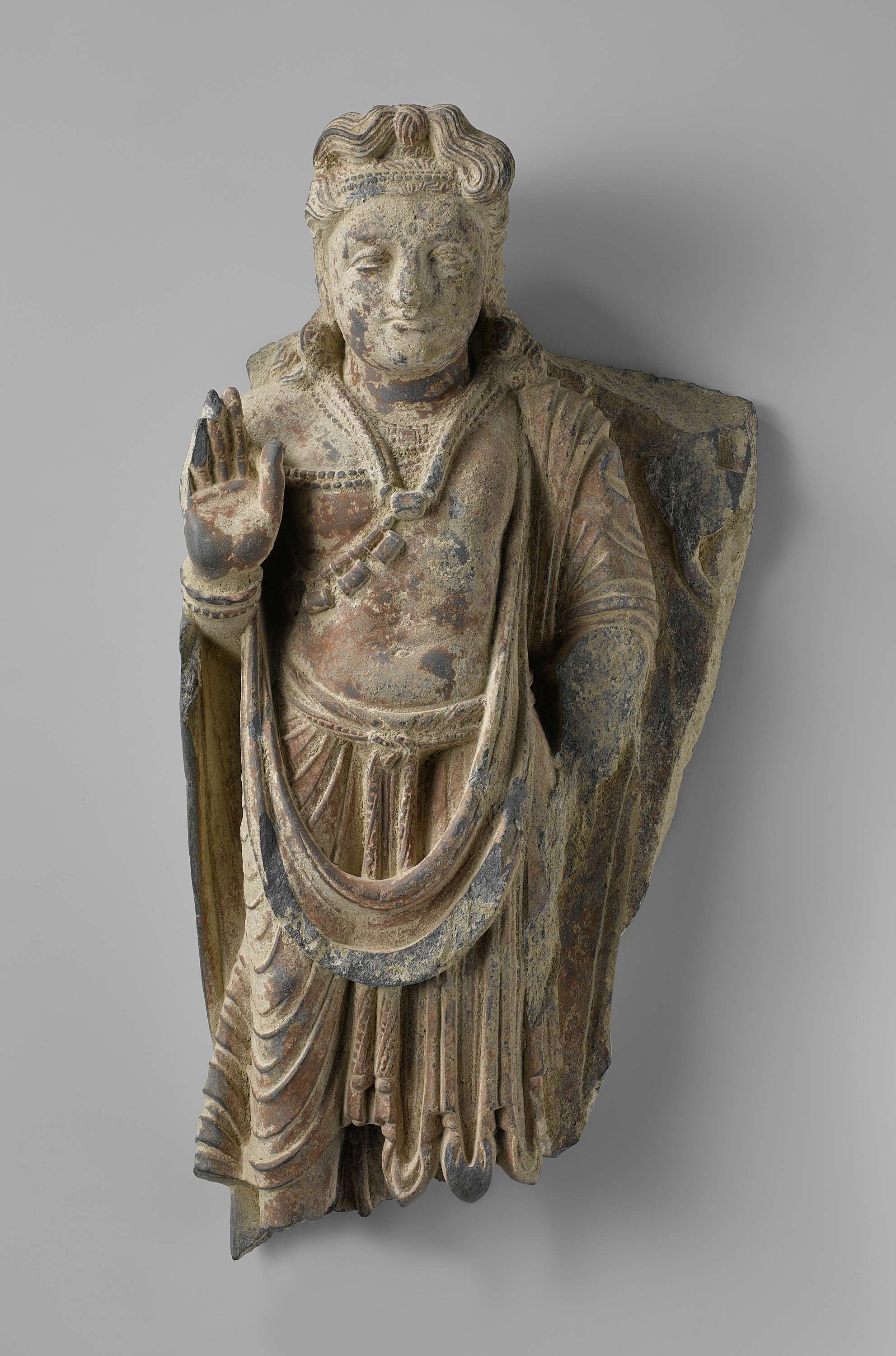
What secret hides in the quiet of the canvas? In the stillness of this artwork, echoes of a profound legacy whisper through generations, inviting contemplation and reverence. Focus on the serene visage of the Buddha, where an unwavering gaze meets the viewer's eyes. Notice how the artist has skillfully rendered the subtle textures of the stone, each chiseled line and curve revealing the passage of time. The rich, earthy tones speak of an ancient tradition, inviting you to explore the depth of spirituality embedded within every crevice.
The soft light that caresses the sculpture enhances its tranquil aura, creating a peaceful contrast against the surrounding shadows. Hidden within this exquisite head are the layers of meaning that transcend the physical form. The closed eyes suggest an inward journey, a moment of meditation that resonates with the universal quest for enlightenment. Each detail, from the gentle folds of the brow to the serene smile, conveys a harmony that contrasts with the chaos of existence.
This is not merely a representation; it is a reflection of the timeless pursuit of inner peace and wisdom that has captivated countless souls throughout history. Crafted between 1400 and 1500, this work emerges from a period when the art of sculpture flourished in Asia, particularly within Buddhist traditions. The unknown artist, drawing from centuries of spiritual and artistic heritage, encapsulated the essence of a culture that revered transcendence and enlightenment. This piece stands as a testament to the enduring legacy of artistic expression, bridging the past and present through the contemplation of the divine.