Portrait of Elizabeth I, Queen of England — History & Analysis
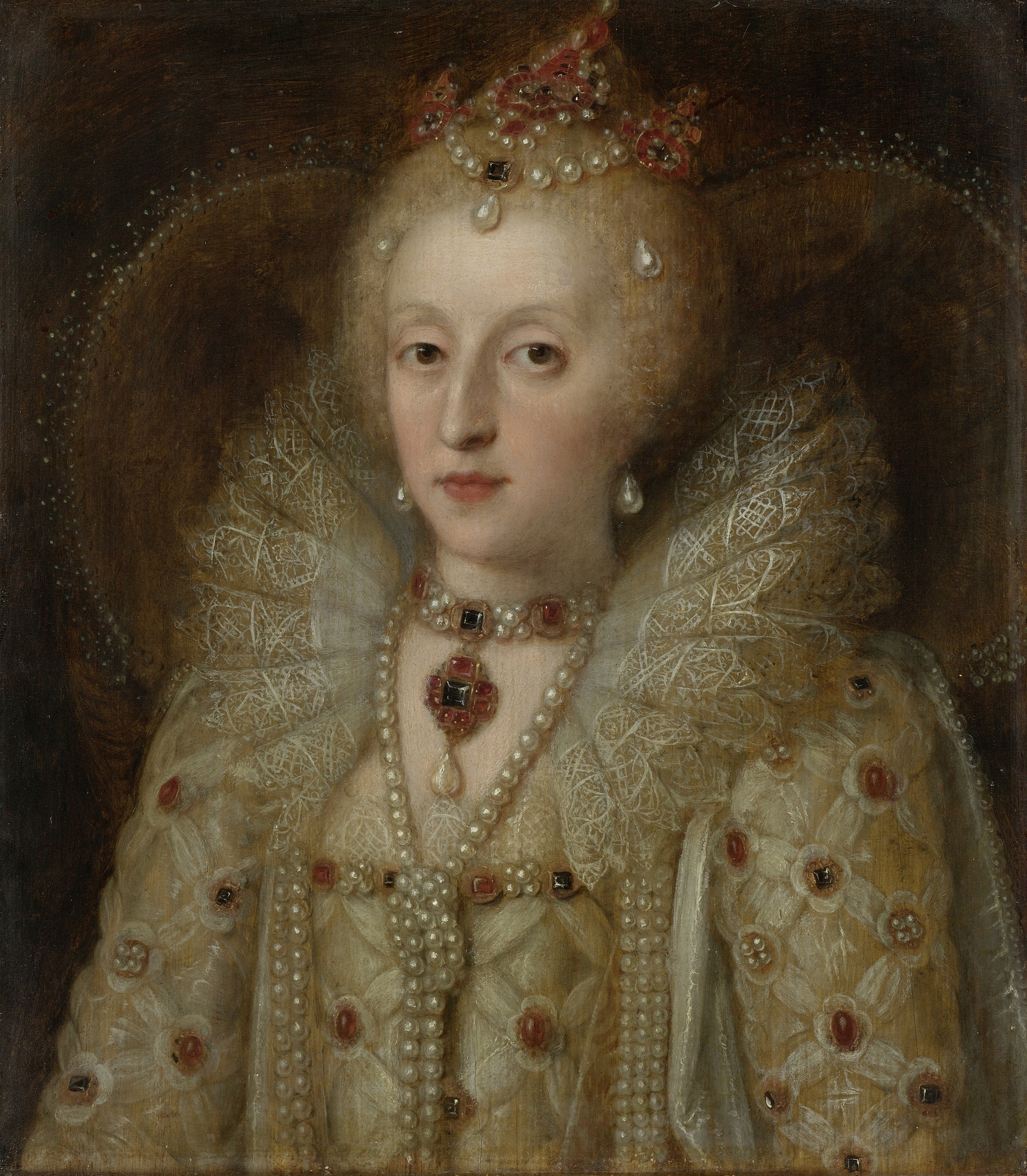
Art reveals the soul when the world turns away. In an era defined by power and fragility, the portrait of a queen transcends mere representation, inviting us to explore the delicate balance between authority and vulnerability. Look to the center of the canvas, where the regal figure of Elizabeth I commands the viewer’s attention. The intricate details of her gown, adorned with extravagant lace and jewels, shimmer under the soft glow of the light. Notice how the rich colors of her attire contrast sharply with the muted backdrop, emphasizing her stature while hinting at the isolation that accompanies such power. The artist’s meticulous brushwork brings texture to the fabric, creating an almost tangible sense of the queen’s presence. Beneath the surface, this portrait encapsulates a multitude of emotional tensions. The queen’s direct gaze simultaneously conveys strength and a flicker of fragility, reflecting a ruler well aware of her precarious position in a male-dominated society. The pearls encircling her neck, symbols of purity, serve as reminders of the burdens she bears — a queen’s identity intertwined with the expectations of her reign. The subtle asymmetry of her posture hints at the weight of responsibility, suggesting a woman forever poised yet unsteady beneath her crown. Created in the late 16th century, this striking portrayal emerged during a time of political turbulence and cultural flourishing in England. The artist, still unknown, crafted this piece against a backdrop of Elizabethan advancements in exploration and the arts, while reflecting the queen's struggles against domestic and foreign threats. This portrait not only encapsulates her reign but also serves as a testament to the complexities of sovereignty and the human spirit.