Jackson Lake in Wyoming — History & Analysis
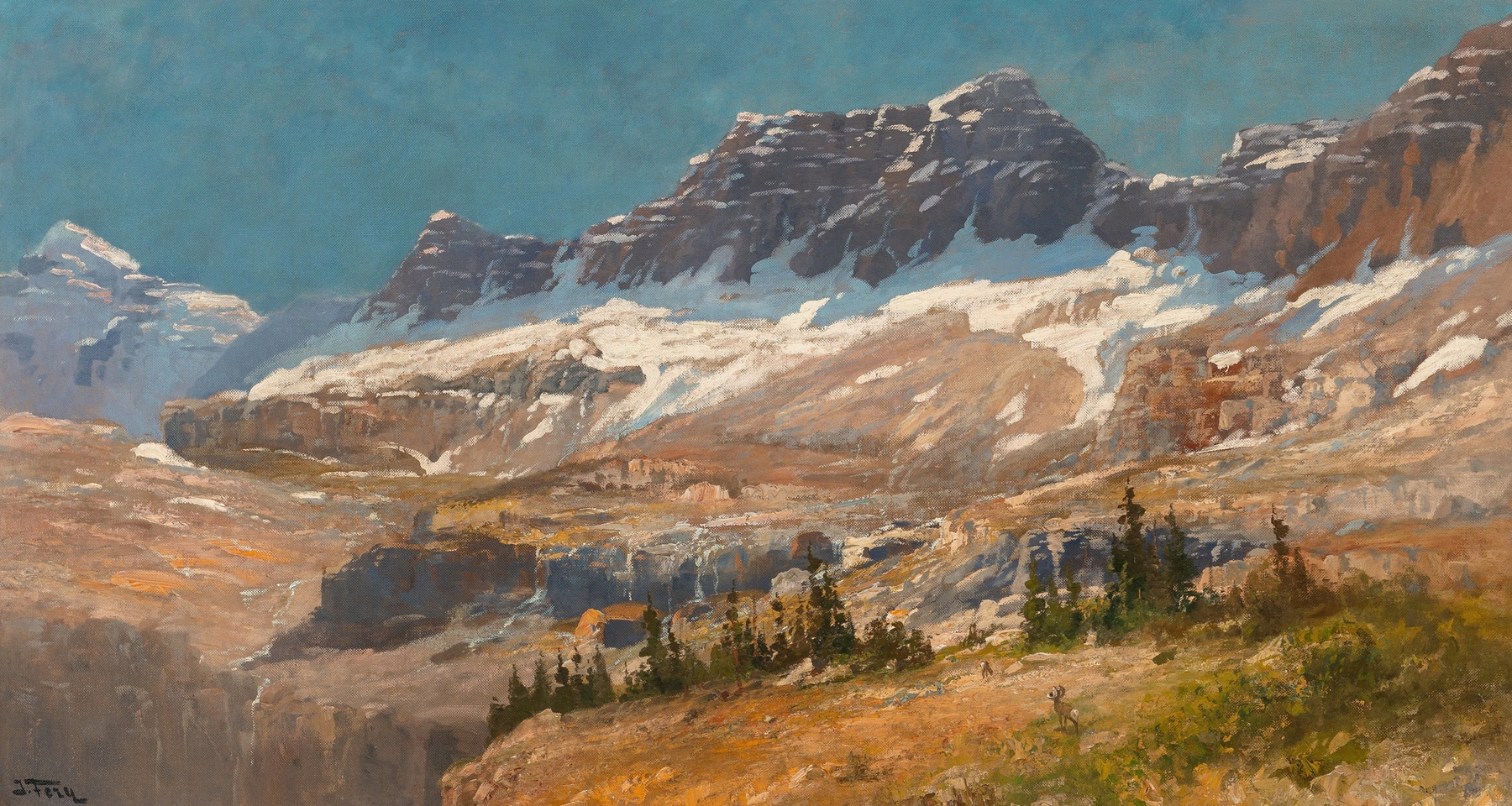
Is this a mirror — or a memory? In Jackson Lake in Wyoming, the artwork evokes a deep yearning for a place that feels both familiar and distant, capturing the essence of nature’s beauty and the heart’s desire for connection. Look to the foreground where the tranquil waters of Jackson Lake stretch across the canvas, their reflective surface shimmering with hues of azure and emerald. Notice how the delicate brushstrokes create ripples that seem to breathe life into the landscape, inviting the viewer to delve deeper into the scene.
The towering peaks of the Teton Range rise majestically in the background, their snowy caps contrasting elegantly with the soft green of the trees and the gentle golden light that bathes the entire composition. Upon closer examination, one can sense the weight of nostalgia woven into the landscape. The balance between the serene lake and the imposing mountains hints at the duality of nature — both inviting and daunting. It speaks of a longing for exploration and the solace found in untouched wilderness, echoing the emotional resonance of memories tied to specific places.
Each detail, from the wisps of clouds reflecting on the water to the subtle play of shadows, encapsulates a moment where time seems to stand still, urging the viewer to ponder their own connections to the natural world. In 1894, John Fery created this work during a period when artists were increasingly captivated by the American West. Having settled in Montana, he was inspired by the majestic landscapes surrounding him, capturing their grandeur and serenity. This painting reflects the era’s burgeoning appreciation for the American wilderness, signifying both an artistic exploration of new frontiers and a personal journey into the heart of nature’s splendor.