John Adams (1735-1826) — History & Analysis
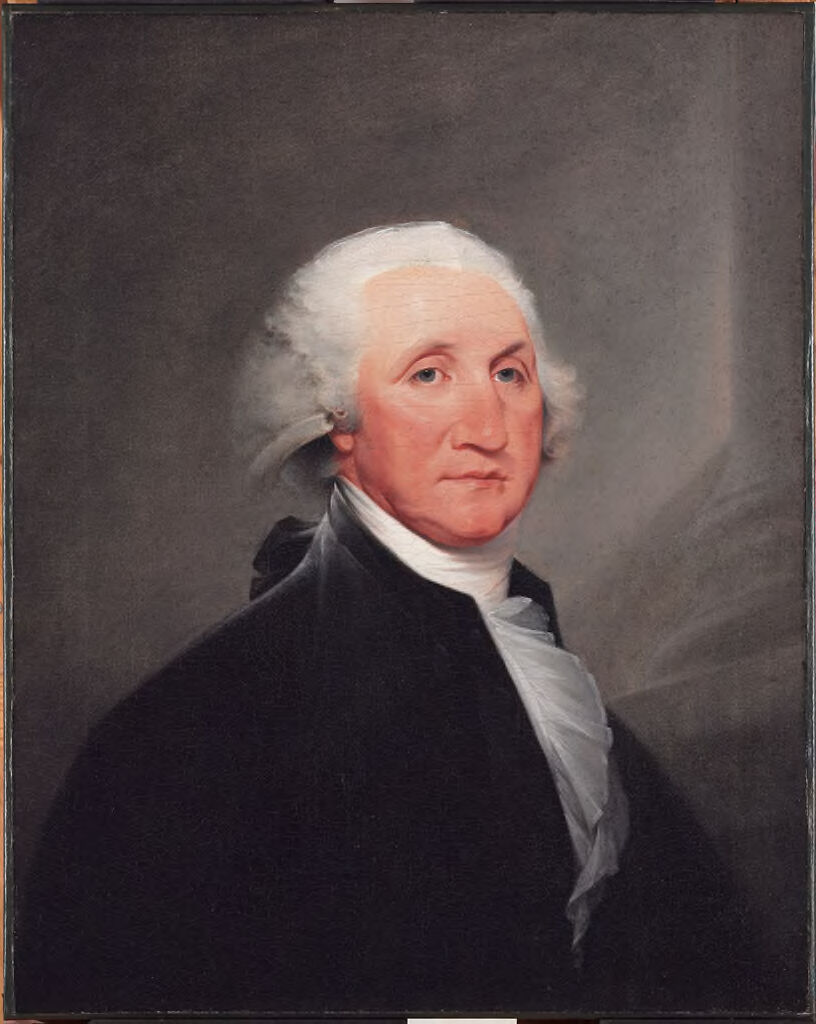
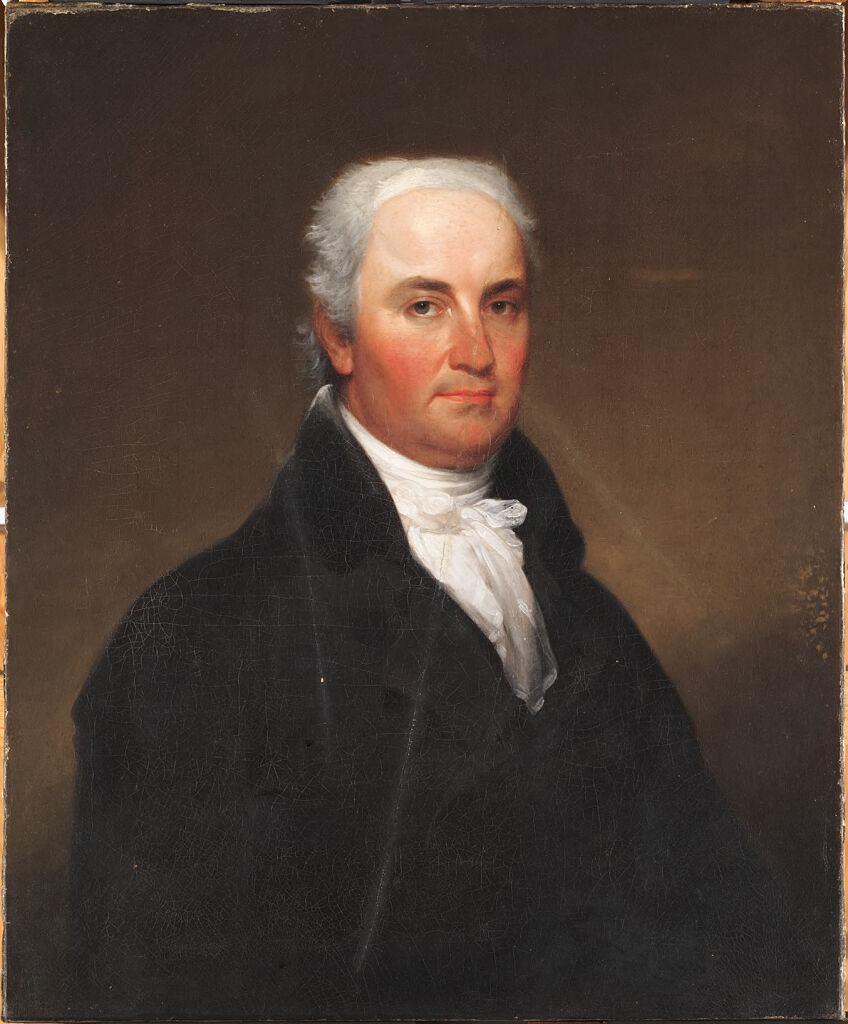
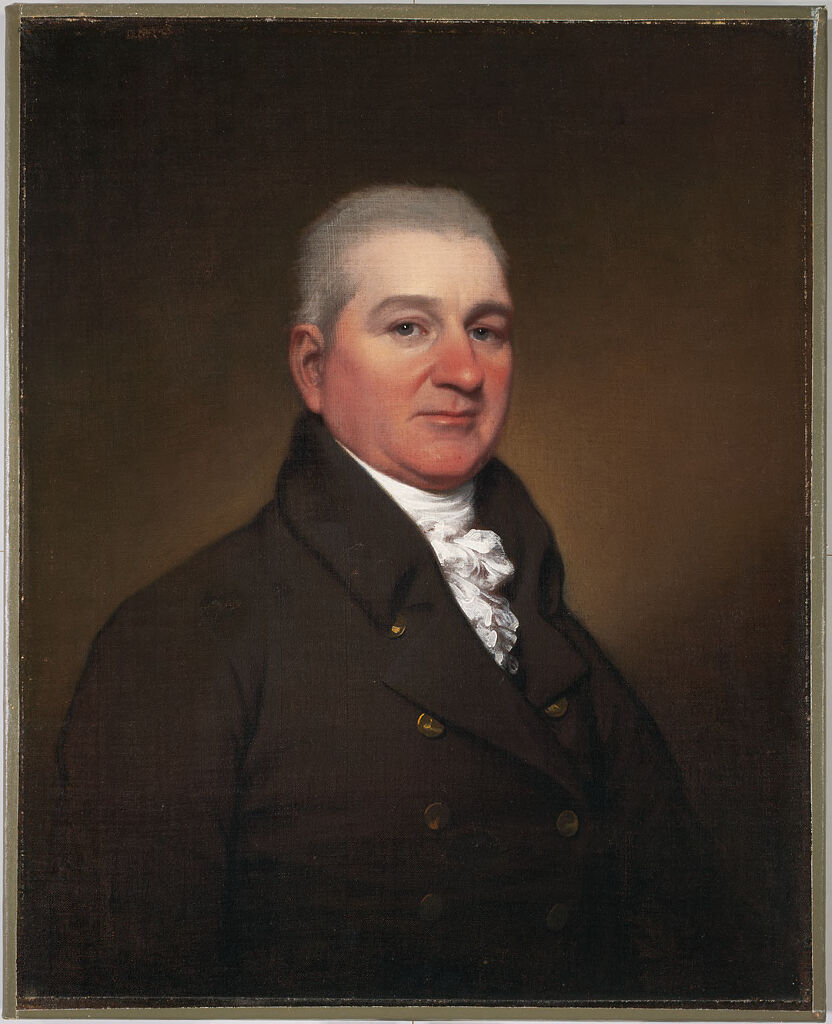
“The canvas doesn’t lie — it simply waits.” In this stillness, it holds the weight of history, whispering of transformations both monumental and intimate. The journey of a man captured in paint, an essence of leadership and change, emerges from the strokes of an artist’s brush. Look closely at the figure in the center, a stern yet contemplative visage. The light bathes John Adams in a soft glow, highlighting the contours of his face and the deliberate folds of his dark coat. Notice how the background fades into a hazy, indistinct landscape, drawing the gaze to his piercing gaze and resolute posture.
The palette balances subdued earth tones with subtle hints of brightness, suggesting the duality of his character — both approachable and formidable. This portrait encapsulates more than the likeness of its subject; it speaks to the tensions of a burgeoning nation. The slight arch of Adams' brow reveals the burdens he bears, the weight of ideals clashing with reality. The contrast between the darkness of his attire and the light surrounding him symbolizes the struggle for freedom against the shadows of tyranny.
Each brushstroke conveys an essence of transformation, from a colonial leader to a symbol of democratic ideals. John Trumbull painted this work in 1793, a time when he was deeply embedded in the revolutionary fervor of his homeland. Living in the nascent United States, he was both a soldier and an artist, capturing the spirit of the era. Amidst personal challenges and the evolving world of American art, Trumbull sought to immortalize figures such as Adams, whose vision would shape the future of a nation.