William Brown — History & Analysis
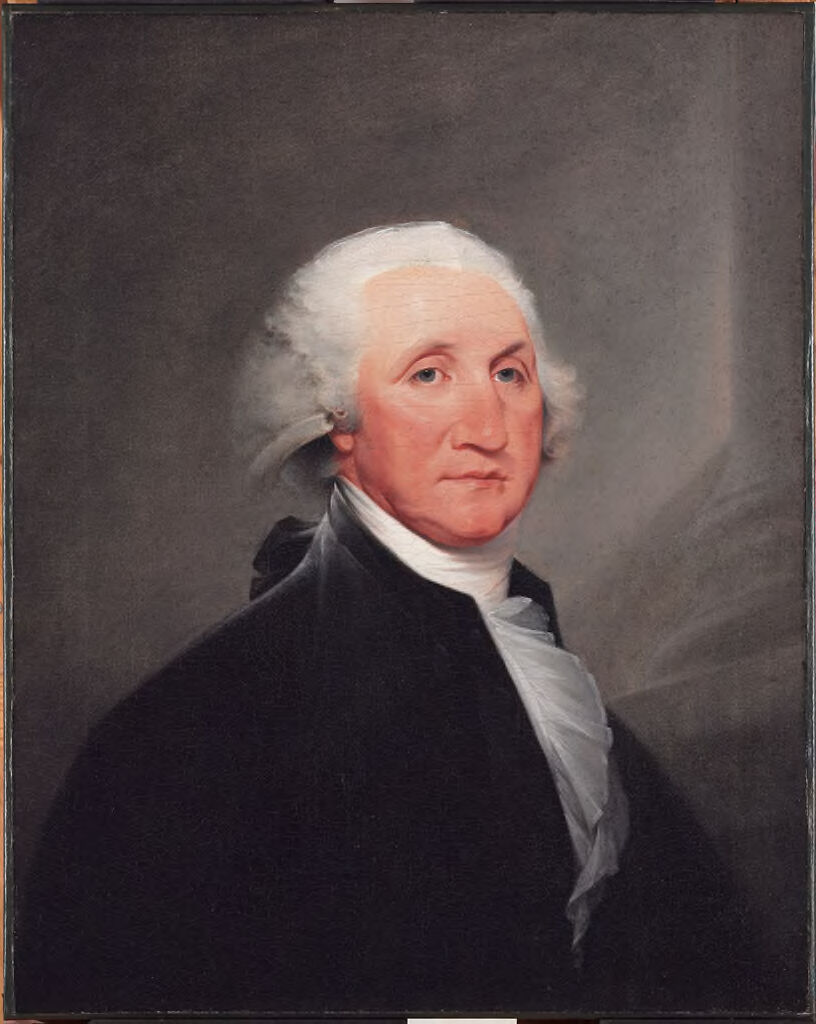
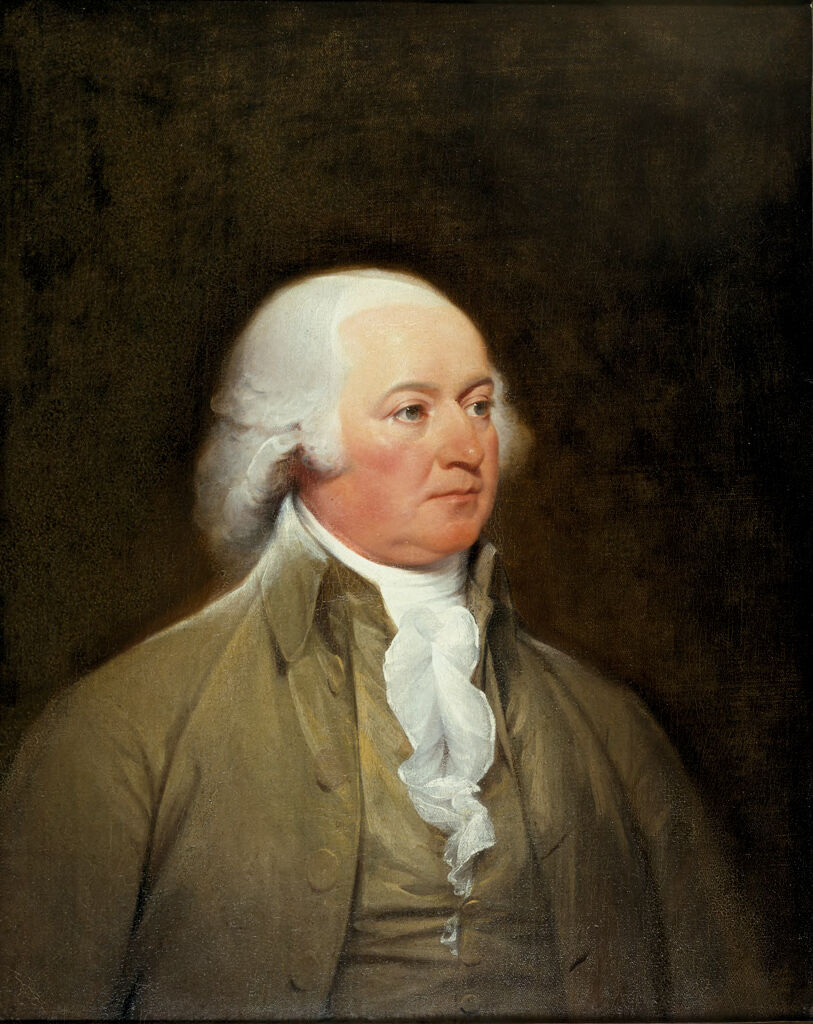
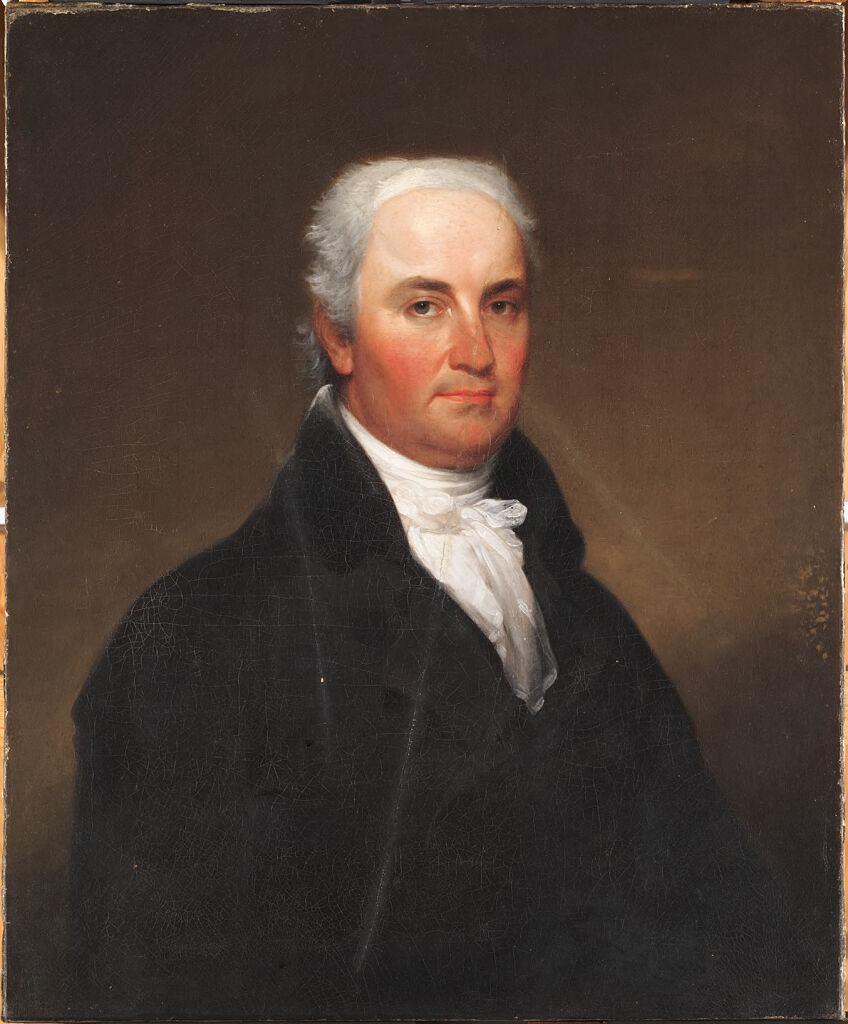
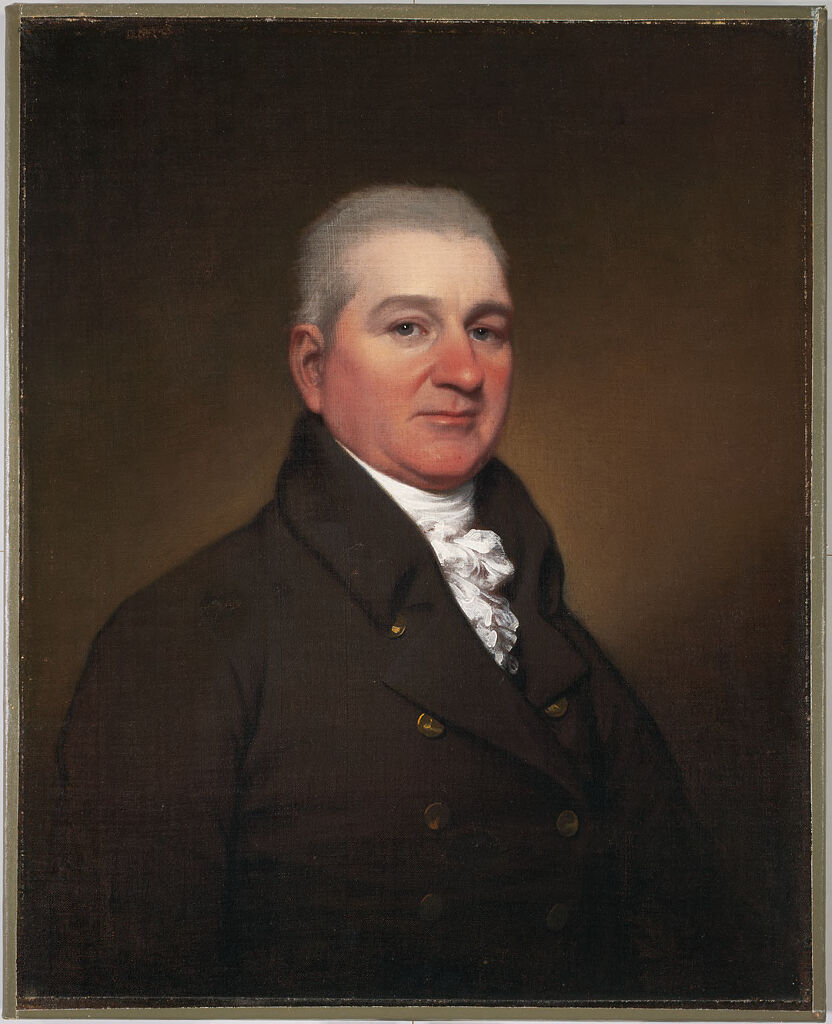
Could beauty survive in a century of chaos? In a world teetering on the edge of transformation, the fragility of grace becomes an urgent question, echoing through the ages and resonating within the depths of the human experience. Look to the center of the composition, where a young man’s face captures our gaze. His expression is one of deep contemplation, framed by soft, natural light that delicately illuminates his features, enhancing the sense of vulnerability.
Surrounding him, subtle colors blend harmoniously—muted greens and warm earth tones create an intimate atmosphere, while the chiaroscuro technique expertly evokes a sense of dimensionality and emotion, inviting viewers to delve deeper into his story. The dichotomy of youth and wisdom permeates this work, as the subject’s gentle gaze reflects both innocence and the weight of impending adulthood. The slight curvature of his posture suggests a burden of expectation, hinting at personal struggles that may lie beneath the surface. This tension between vulnerability and strength resonates universally, capturing the essence of a fleeting moment in time that echoes broader themes of resilience amidst adversity.
Created between 1804 and 1808, this portrait emerged during a period of significant change for John Trumbull, who was navigating the complexities of his artistic career in post-revolutionary America. As he sought to define a distinctly American style, he found inspiration in the delicate interplay of light and emotion, drawing from his experiences and the sociopolitical landscape around him. In this work, he encapsulates not only the individual spirit but also the larger narrative of a nation grappling with its identity.