Lac de Thoune depuis le Pavillon du Cimetière — History & Analysis
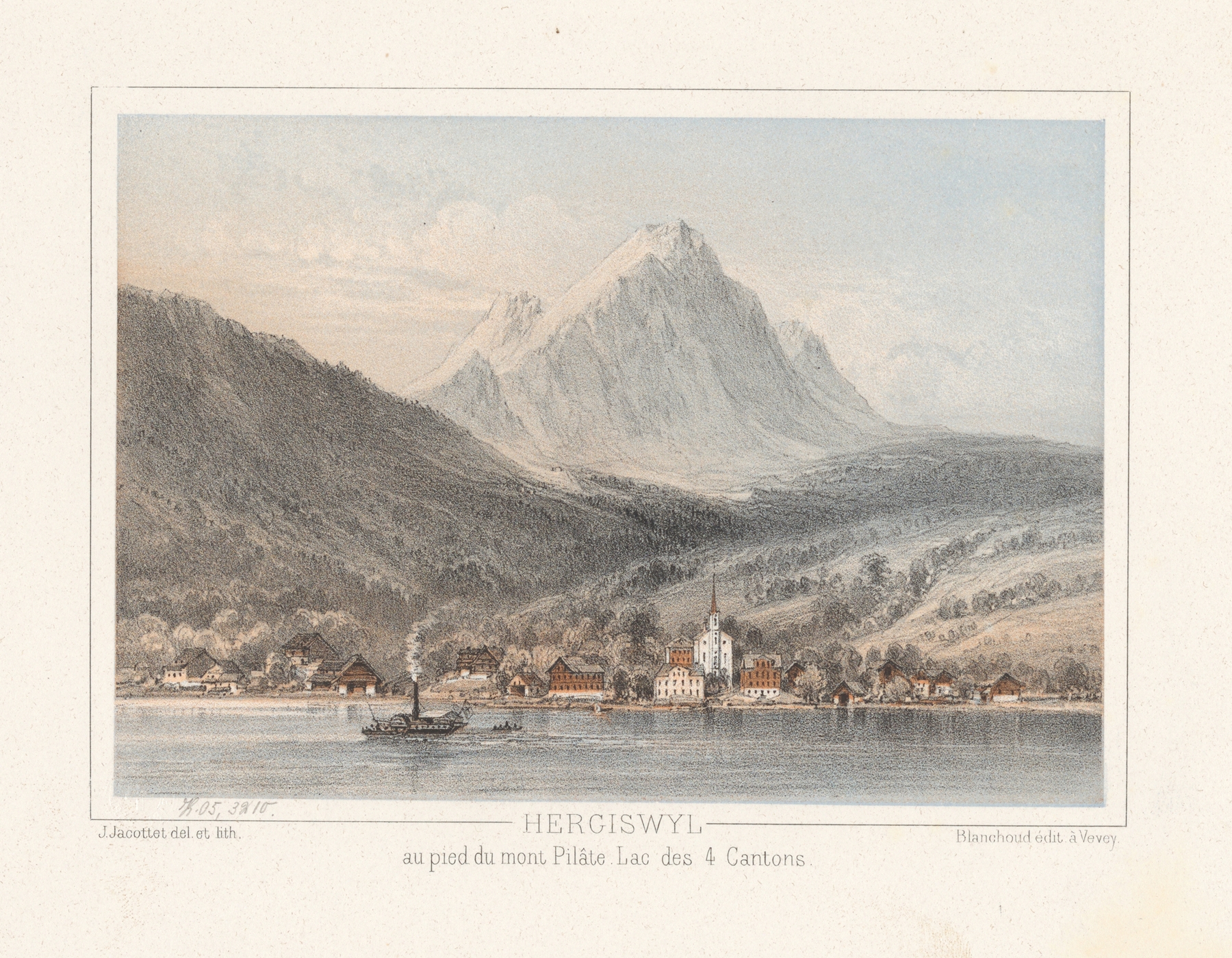
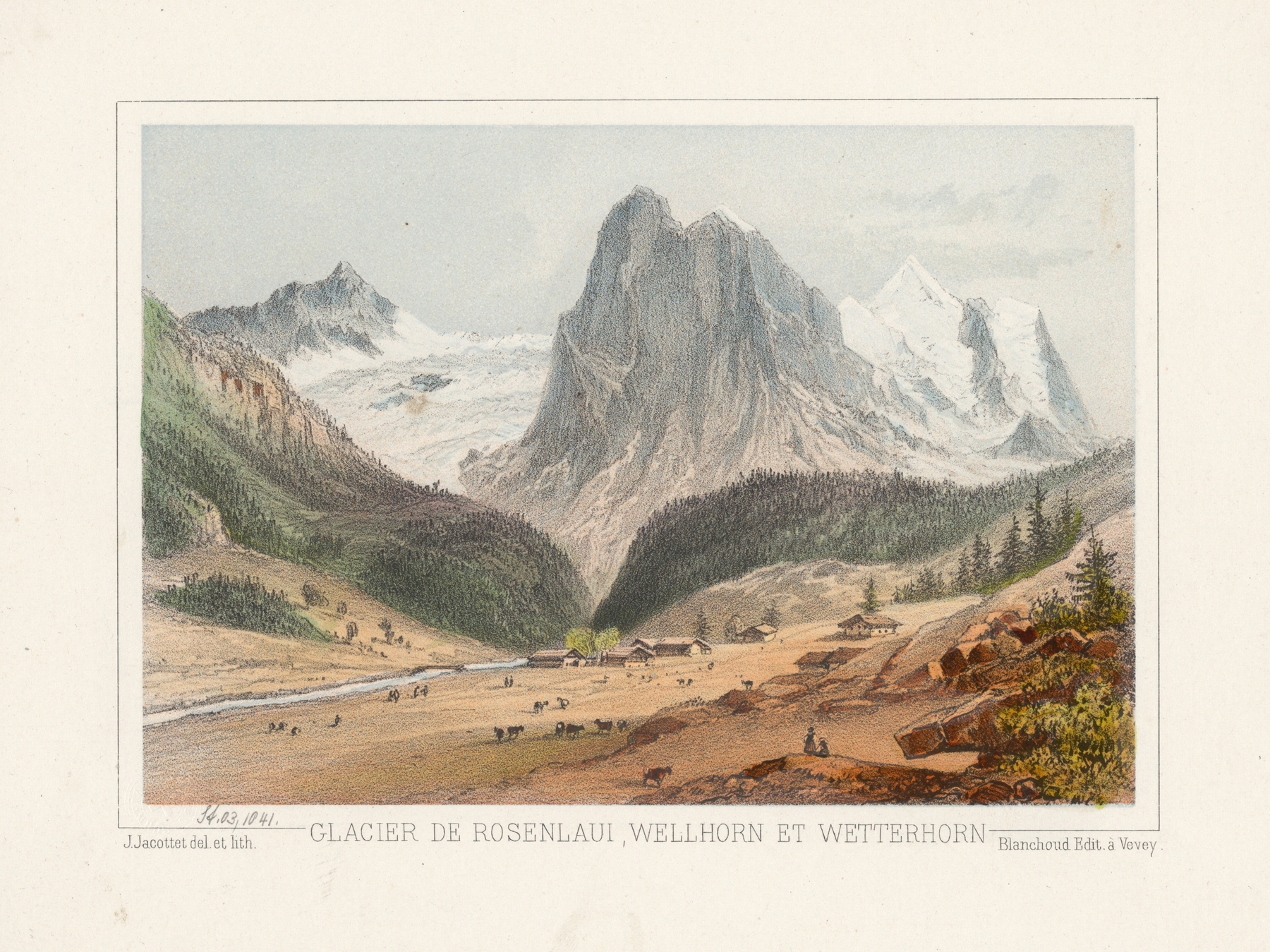
“To paint is to remember what time wants us to forget.” In Lac de Thoune depuis le Pavillon du Cimetière, the viewer is transported to a moment suspended between the ephemeral and the eternal, where memory lingers like a gentle breeze over tranquil waters, inviting contemplation on legacy. Look to the foreground, where the delicate brushstrokes form a serene pavilion, its intricate details softly framed against the shimmering lake. The cool hues of blue and green contrast with the warmer tones of the surrounding foliage, creating a harmonious balance that draws the eye in. Notice how light plays upon the surface of the water, reflecting not just the scenery but also the whispers of those who have come before.
Each stroke seems deliberate, a testament to the artist's reverence for both nature and memory. Delve deeper, for this scene is more than a picturesque view; it embodies the tension between presence and absence. The pavilion stands as a silent guardian, a marker of remembrance amid the ebb and flow of life. The gentle undulations of the water evoke the passage of time, suggesting that while nature remains, human experience is fleeting.
This juxtaposition invites reflection on how we honor our legacies and the spaces we inhabit, leaving behind echoes that resonate in the hearts of those who come after us. When Jean Jacottet painted this piece, the exact date remains elusive, yet his work captures the essence of a period ripe for introspection, likely amidst a backdrop of artistic exploration in Switzerland. The era was marked by a growing appreciation for landscapes intertwined with personal and collective histories, as artists began to examine the psychological depth behind natural beauty. In this context, the painting stands as a quiet yet powerful declaration of remembrance, skillfully connecting the past with the present.