Lake Traun with Mountain Sleeping Greek Woman — History & Analysis
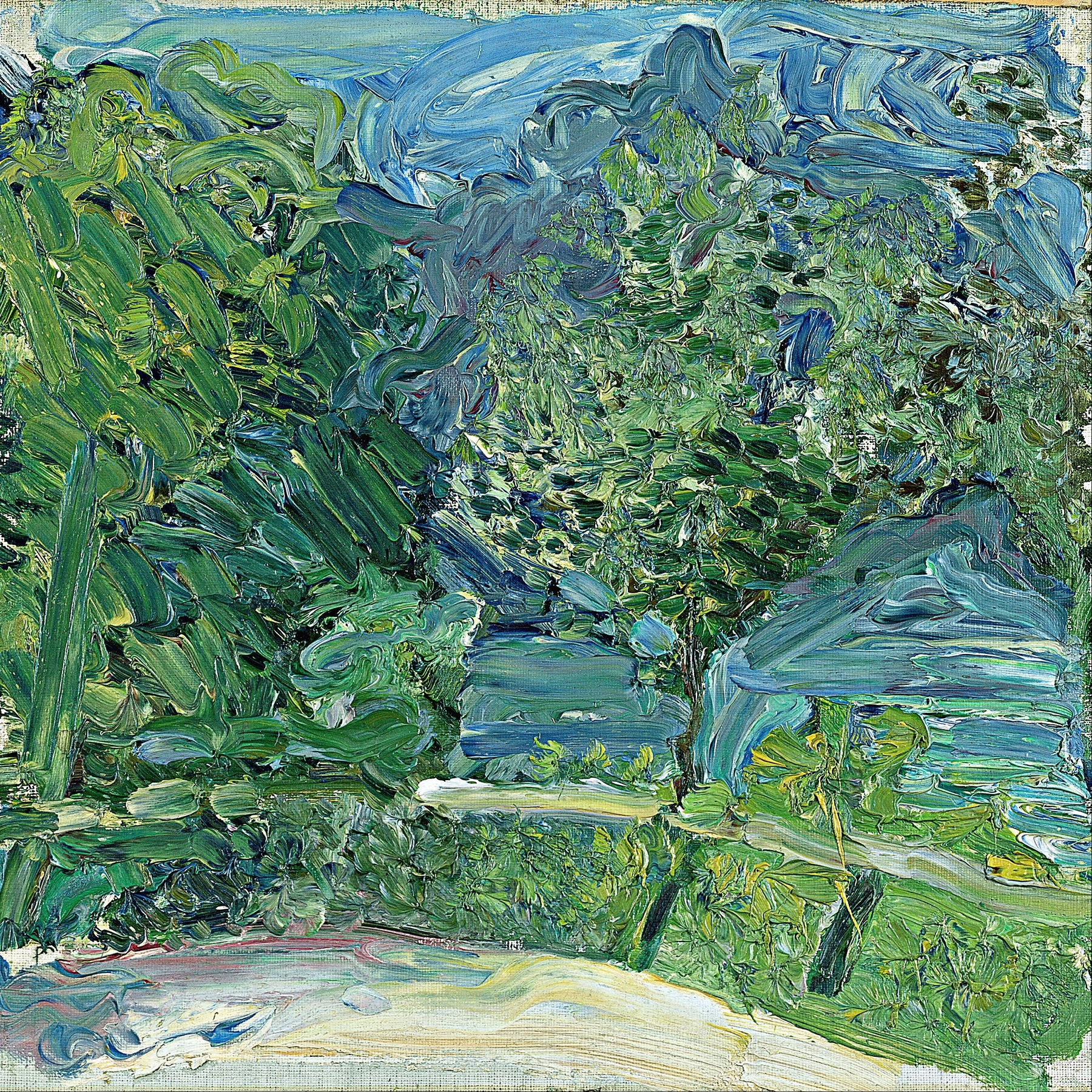
What if silence could speak through light? In Richard Gerstl's Lake Traun with Mountain Sleeping Greek Woman, the stillness of the scene resonates with an unspoken sorrow, as the landscape cradles a deep, profound grief. Look to the foreground, where the serene lake mirrors the soft contours of a slumbering figure, her form nearly melding with the tranquil waters. The painter employs delicate brushstrokes to create a harmonious blend of blues and greens, inviting the viewer's gaze to wander among the reflections of the mountains, rising like sentinels in the background.
Notice how the faint light bathes the figure in a gentle warmth, contrasting sharply with the cooler hues of the surrounding landscape, suggesting a fragile tranquility amidst the weight of loss. Deeper still, the painting speaks of longing and absence, the sleeping woman representing a complex interplay of vulnerability and peace. Her repose contrasts with the vibrant life surrounding her—the undulating waves of the lake and the towering mountains—hinting at the internal struggle between acceptance and grief. The juxtaposition of her stillness against the dynamic landscape evokes a haunting silence, as if nature itself mourns alongside her.
Created in 1907, during a tumultuous time in Gerstl's life, this piece reflects not only the artist's personal turmoil but also a broader search for identity in the wake of modernity. Working in Vienna, Gerstl was part of a world grappling with change, and his art is a testament to the emotional depths he explored. Through Lake Traun with Mountain Sleeping Greek Woman, he captures a moment suspended in time—an elegy for loss, rendered in the language of light and color.