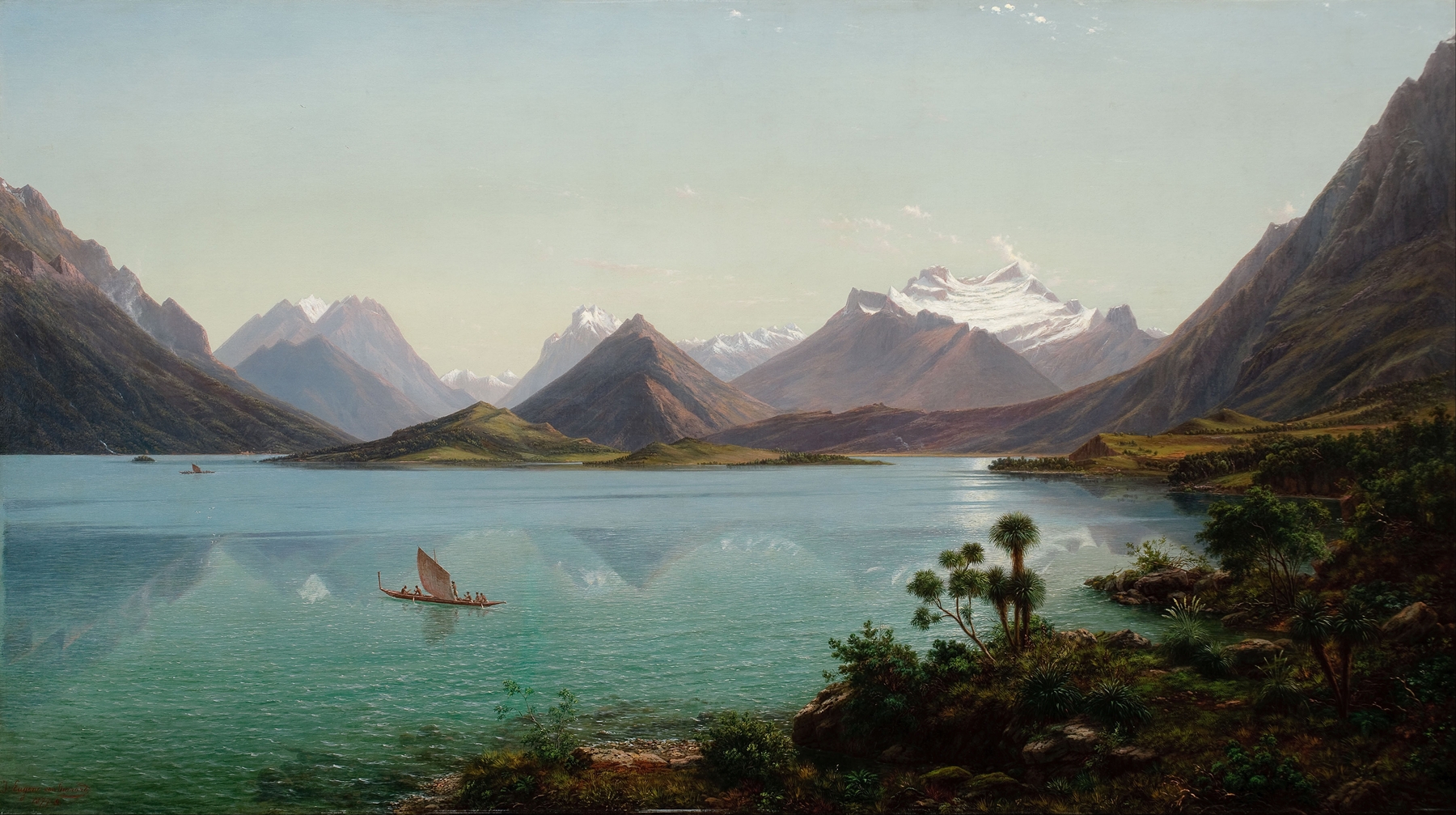
Lake Wakatipu with Mount Earnslaw, Middle Island, New Zealand — History & Analysis
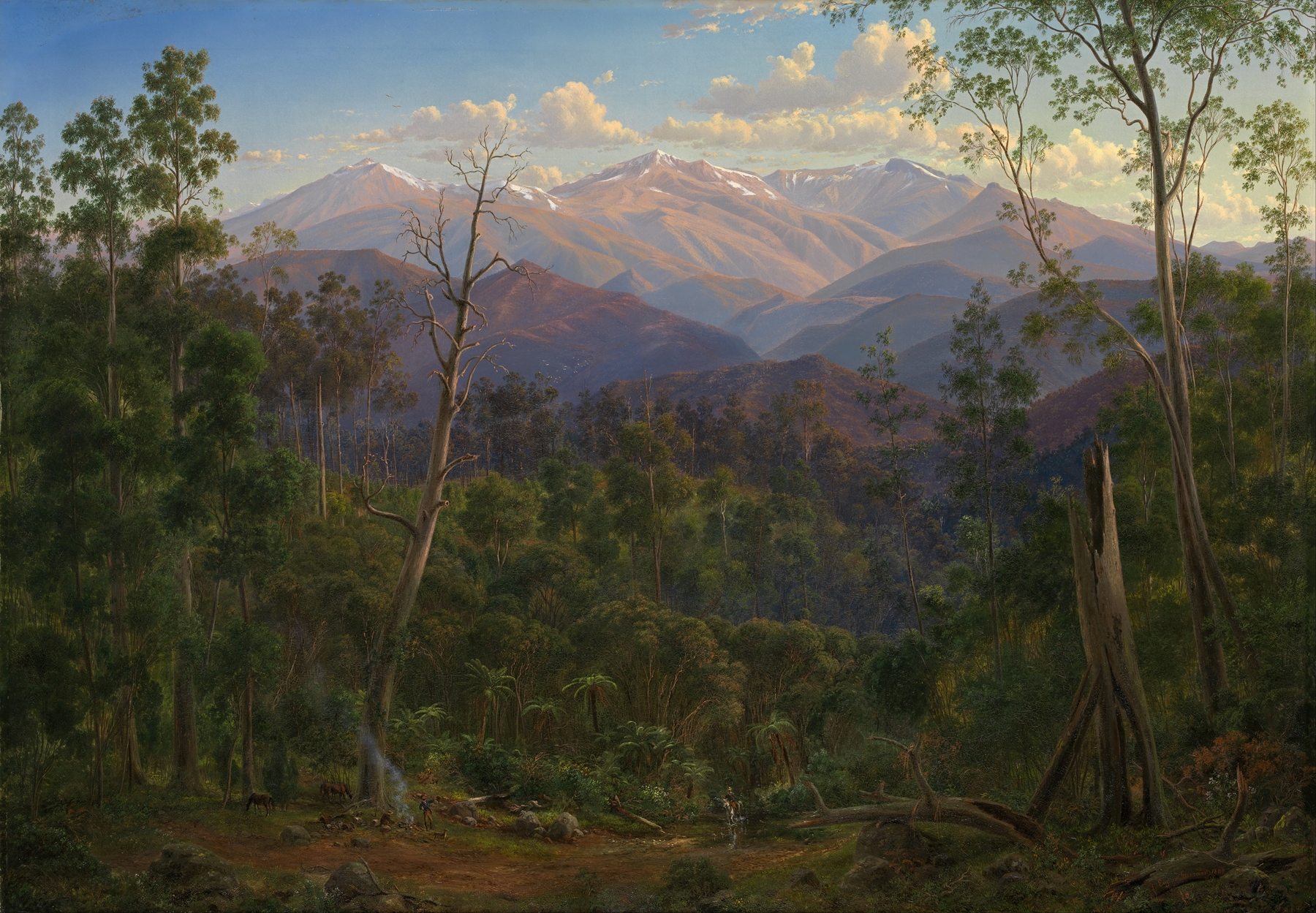
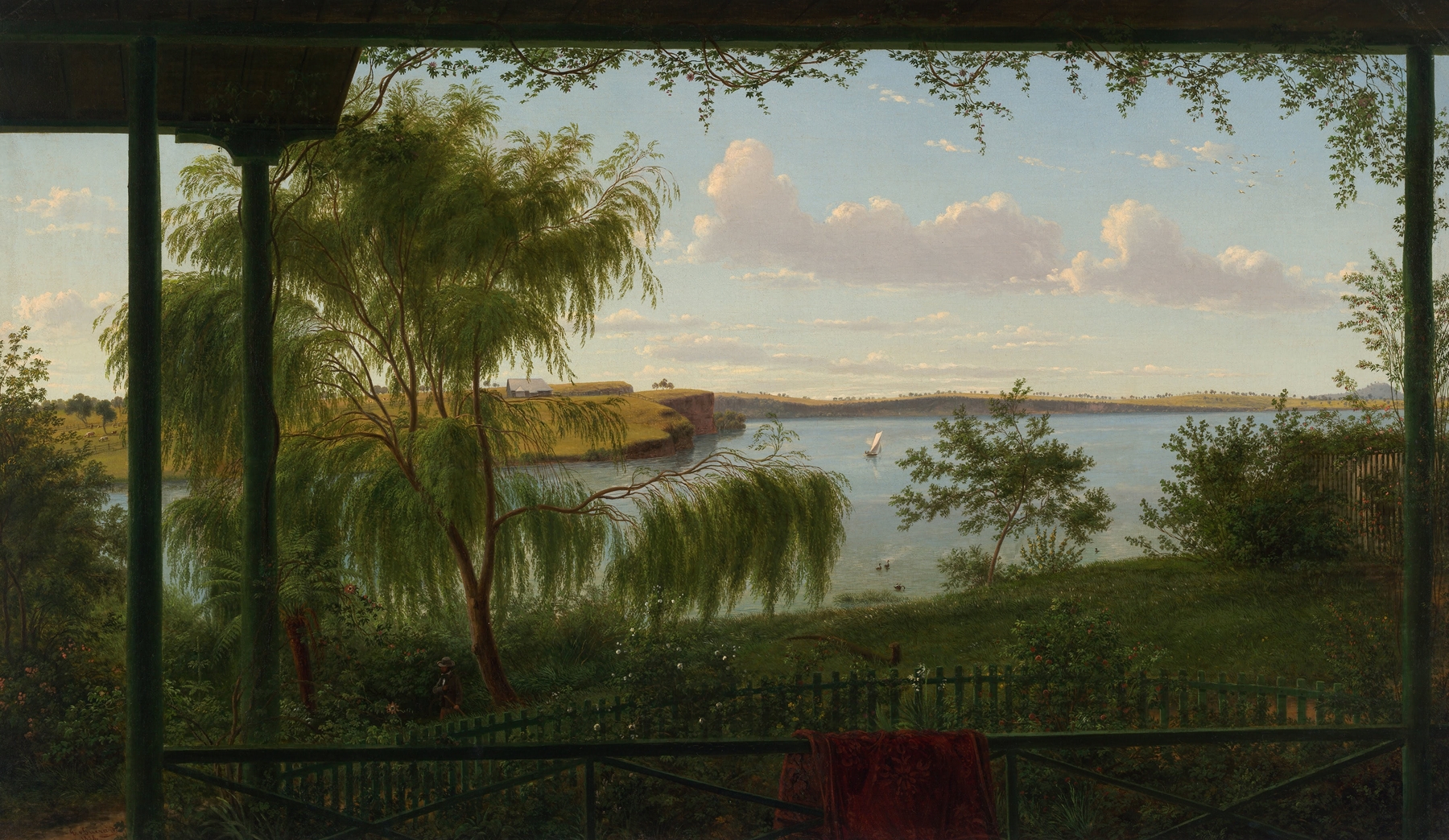
When did color learn to lie? Each brushstroke seems to whisper secrets of isolation and beauty, revealing the profound melancholy that often clings to nature’s splendor. Focus on the distant peaks where light dances upon Mount Earnslaw’s rugged surfaces, drawing your eye upward into the vastness of the sky. The blue waters of Lake Wakatipu reflect a palette that oscillates between tranquil serenity and an unsettling depth, inviting contemplation.
Notice how the subtle use of greens in the foreground contrasts with the cool tones of the mountains, creating a feeling of distance and solitude, as if the lake holds its breath in quiet yearning. Within this landscape lies an emotional tension, a duality where grandeur meets desolation. The vibrant hues may suggest life, yet they also mask a profound loneliness. The stillness of the water and the imposing mountains cast an almost oppressive silence, evoking the sensation of being adrift in a vast, uninhabited world, emphasizing nature’s ability to both comfort and isolate.
Eugène von Guérard painted this work during the mid-19th century, a time when European artists were increasingly fascinated by the untamed beauty of New Zealand. Living in Australia at the time, von Guérard sought to capture the essence of this remote landscape, a representation of both newfound wonder and the solitude that accompanies it. His work reflects the Romantic era's appreciation for nature, intertwined with the artist's personal experiences in a land that was both foreign and awe-inspiring.