Castle Rock, Cape Schanck — History & Analysis
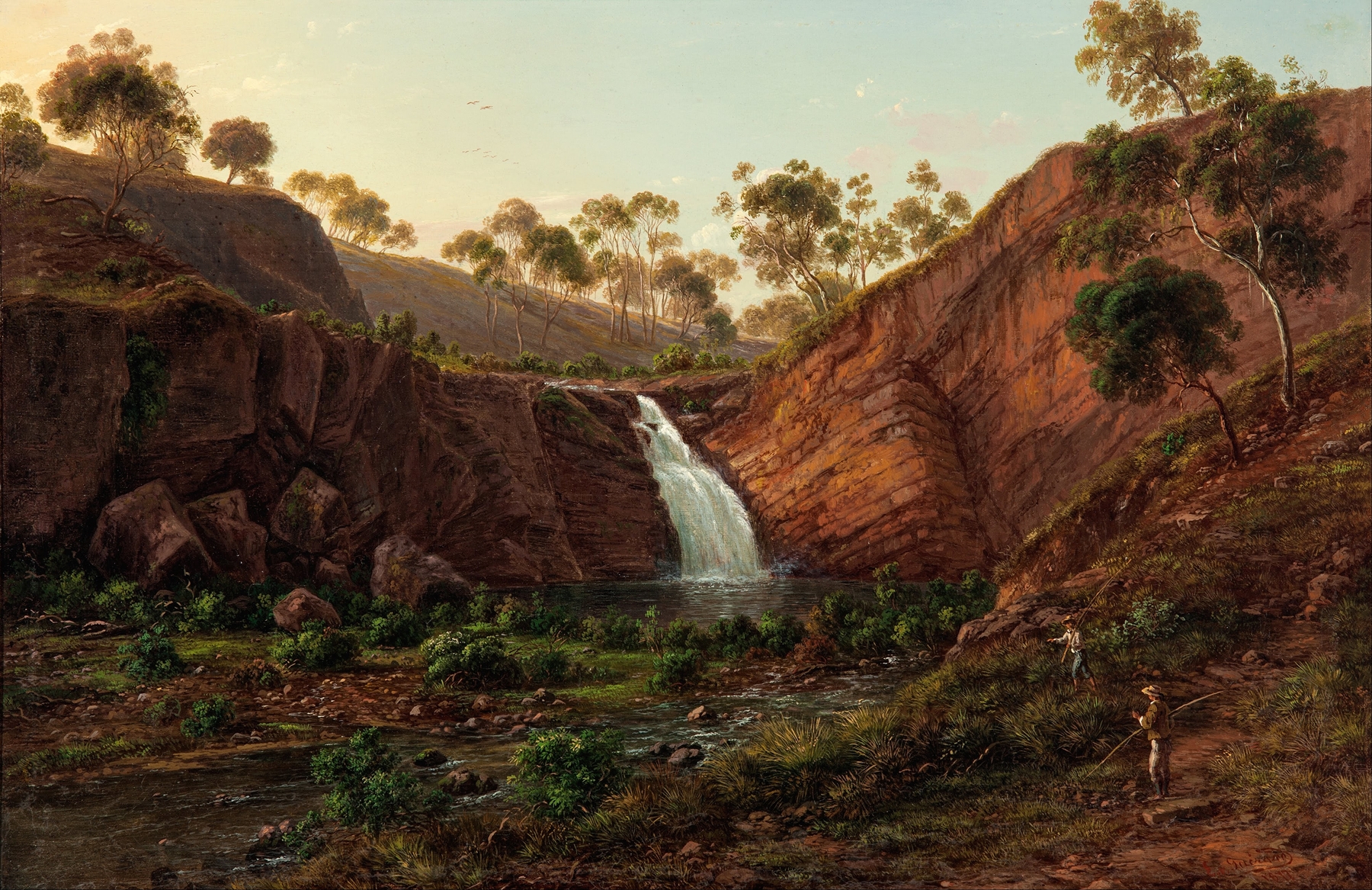
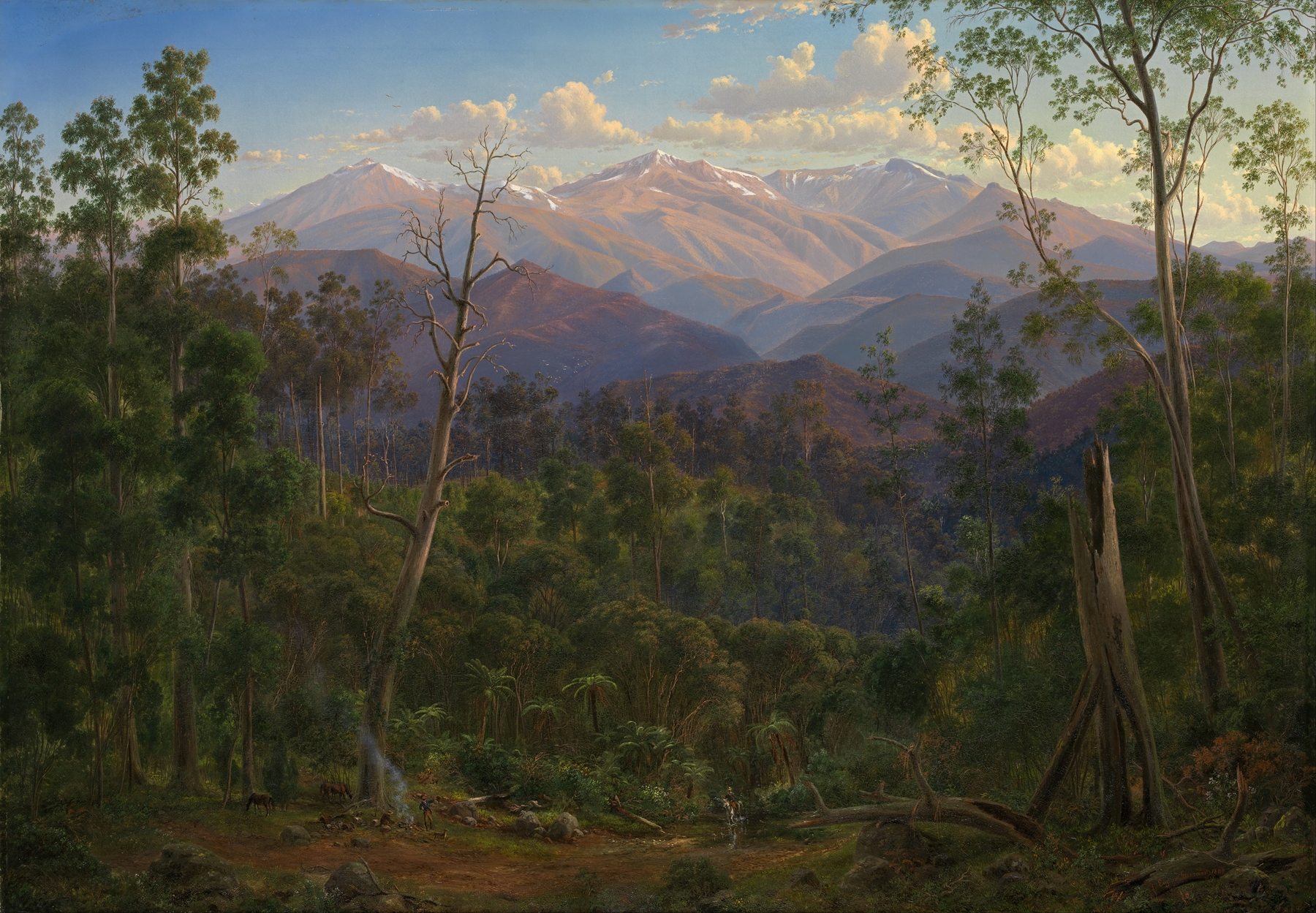
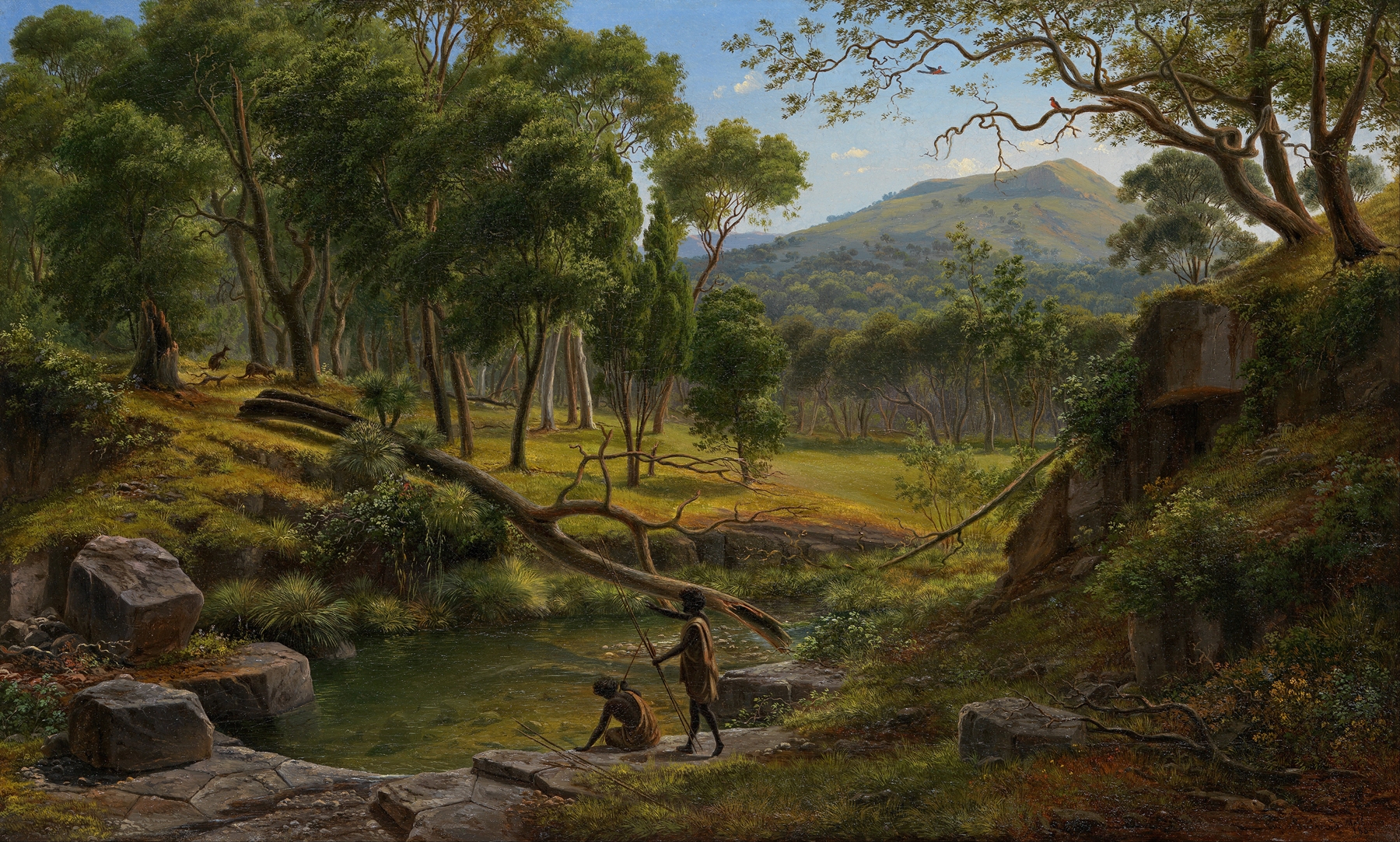
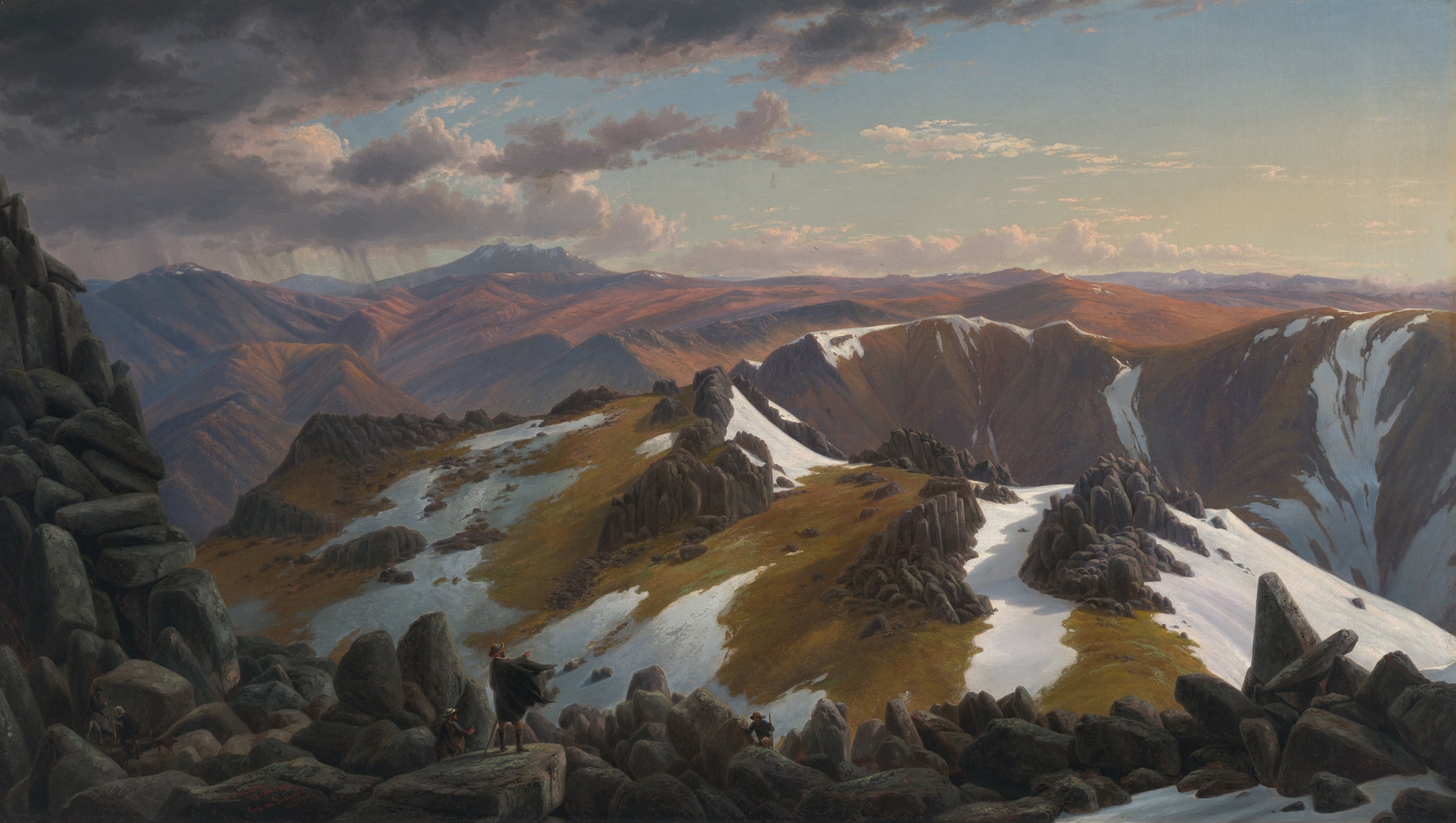
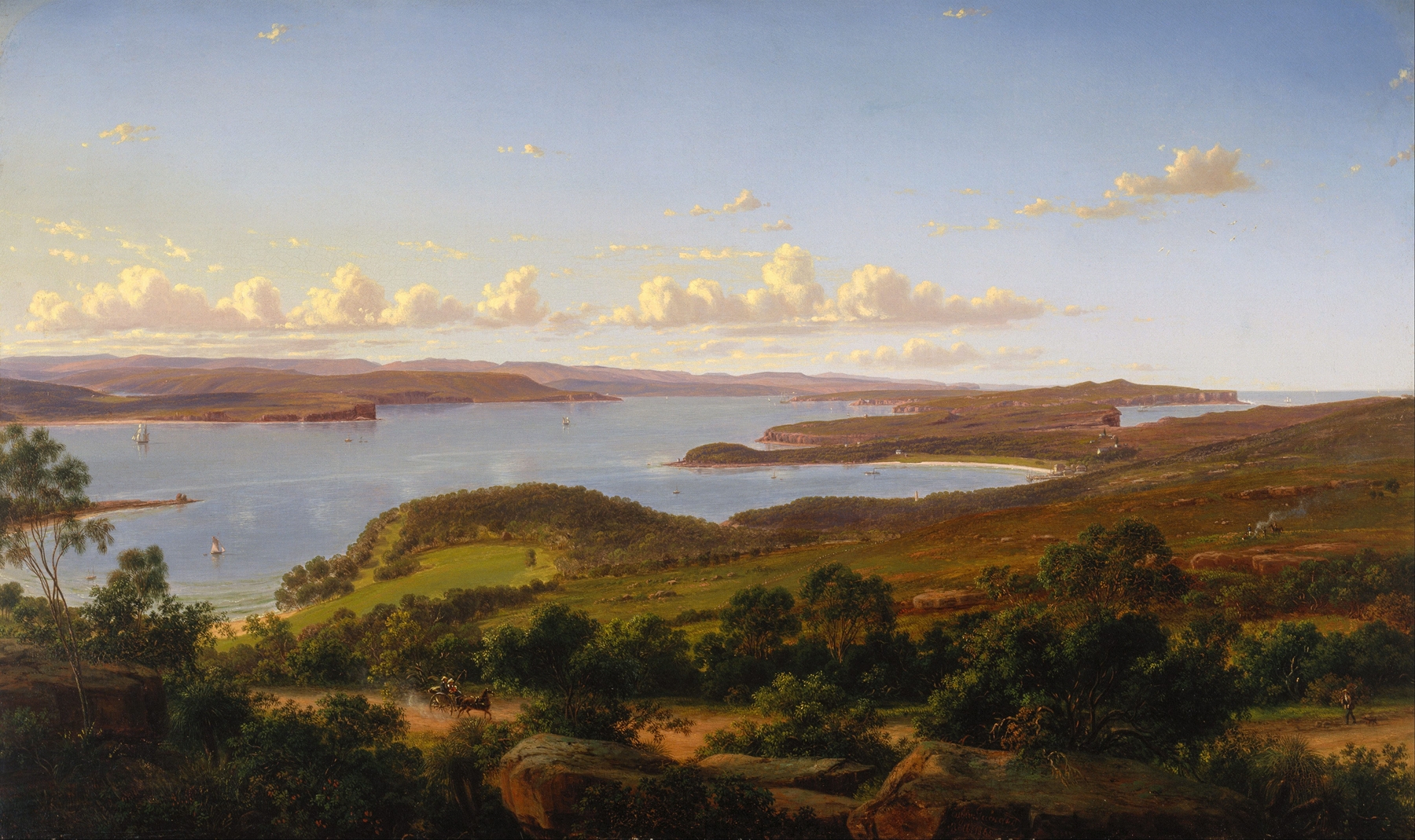
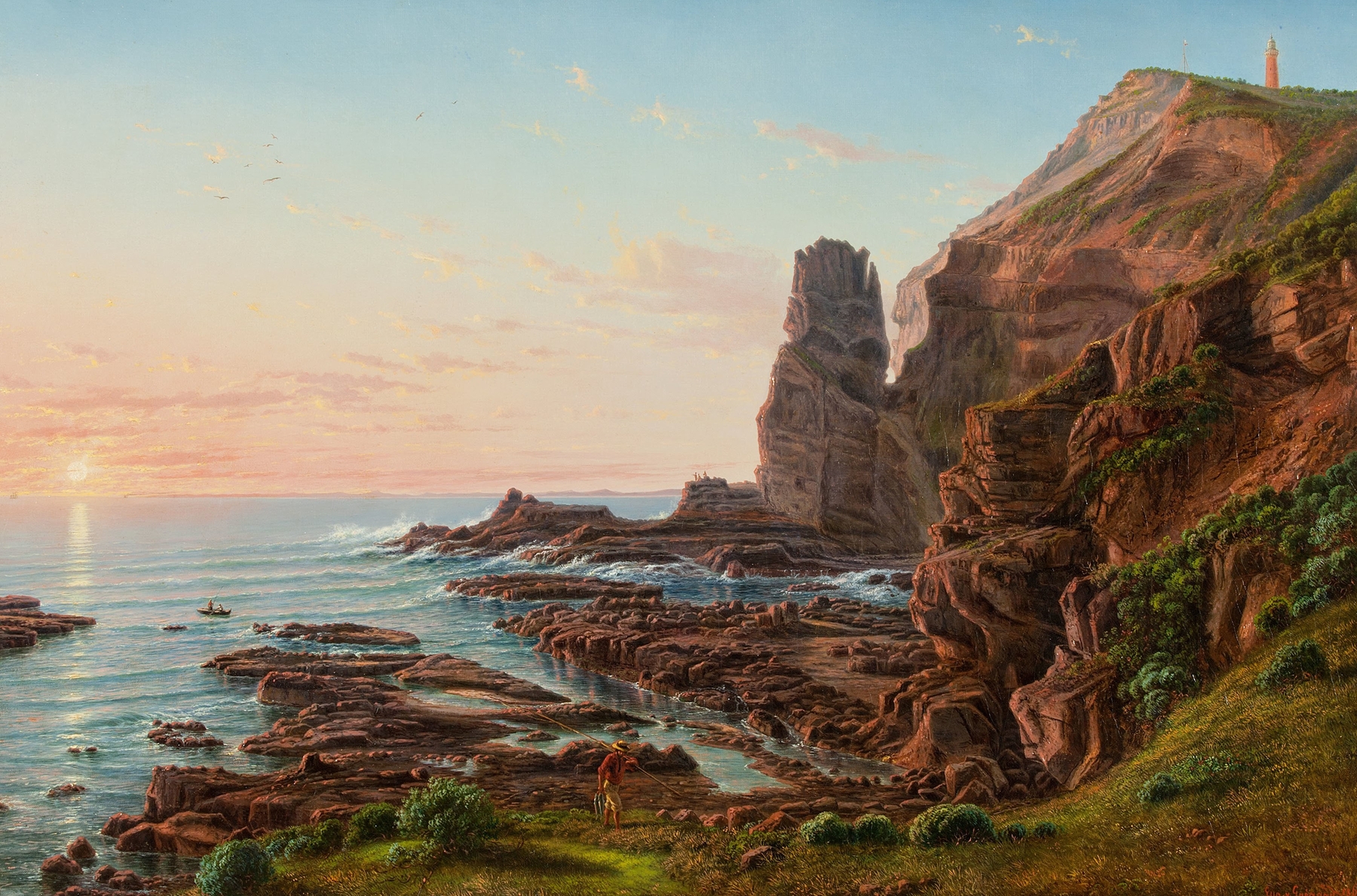
Can beauty exist without sorrow? The landscape's sweeping grandeur often conceals the whispers of melancholy that linger in its shadows. Look to the left at the towering cliffs that rise majestically from the crashing waves, their rugged edges softened by a gentle haze. Notice how the warm golden light captures the craggy surfaces, highlighting the interplay of shadow and sunlight that breathes life into the scene. The tranquil sea, painted in deep blues and greens, contrasts starkly with the tempestuous sky above, where clouds swirl ominously, hinting at an approaching storm.
This tension between serenity and impending turmoil serves as a poignant reminder of nature's duality. Hidden within the expanse are tender details that evoke deeper contemplation. The solitary figure, barely discernible against the vast landscape, symbolizes the isolation one feels amidst beauty—lost yet connected to the grandeur of the surroundings. The way the light dances upon the water suggests a fleeting moment, hinting at the passage of time and the inevitable change that follows. Each brushstroke implicitly conveys the artist's acknowledgment of the beauty and sadness intertwined in life.
Eugène von Guérard painted this work in 1865, during a time of exploration and burgeoning artistic movements in Australia. Emigrating from Europe, he arrived at a landscape that inspired both awe and introspection. The artist's deep connection to the Australian wilderness allowed him to capture its essence while navigating the emerging awareness of his own place within it. This painting reflects his evolving understanding of nature and self, bridging the divide between the sublime and the sorrowful.