Landscape — History & Analysis
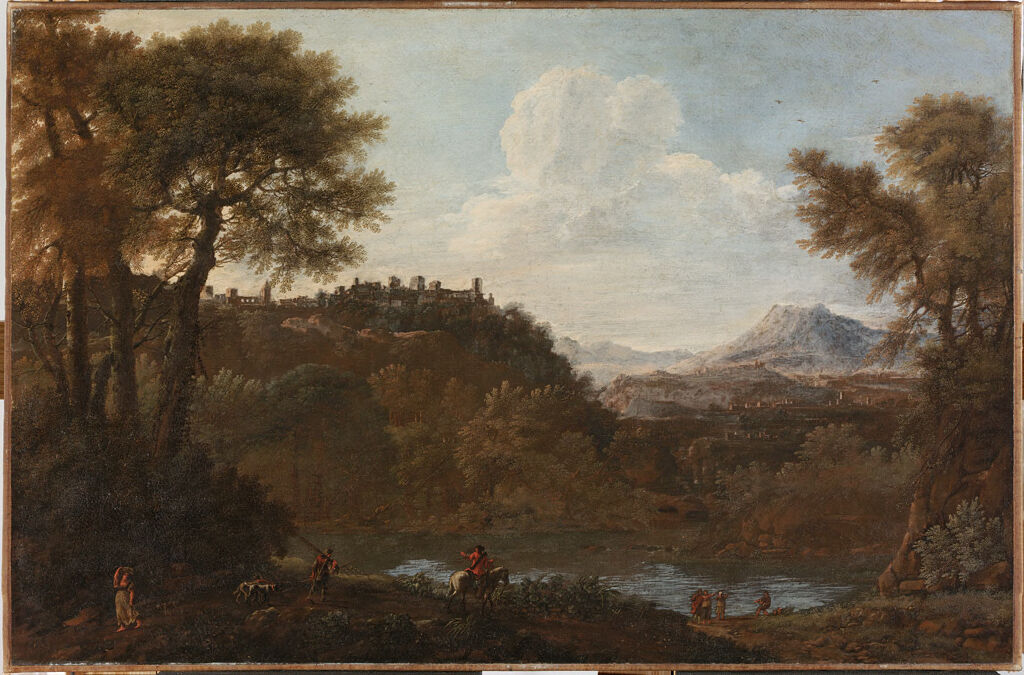
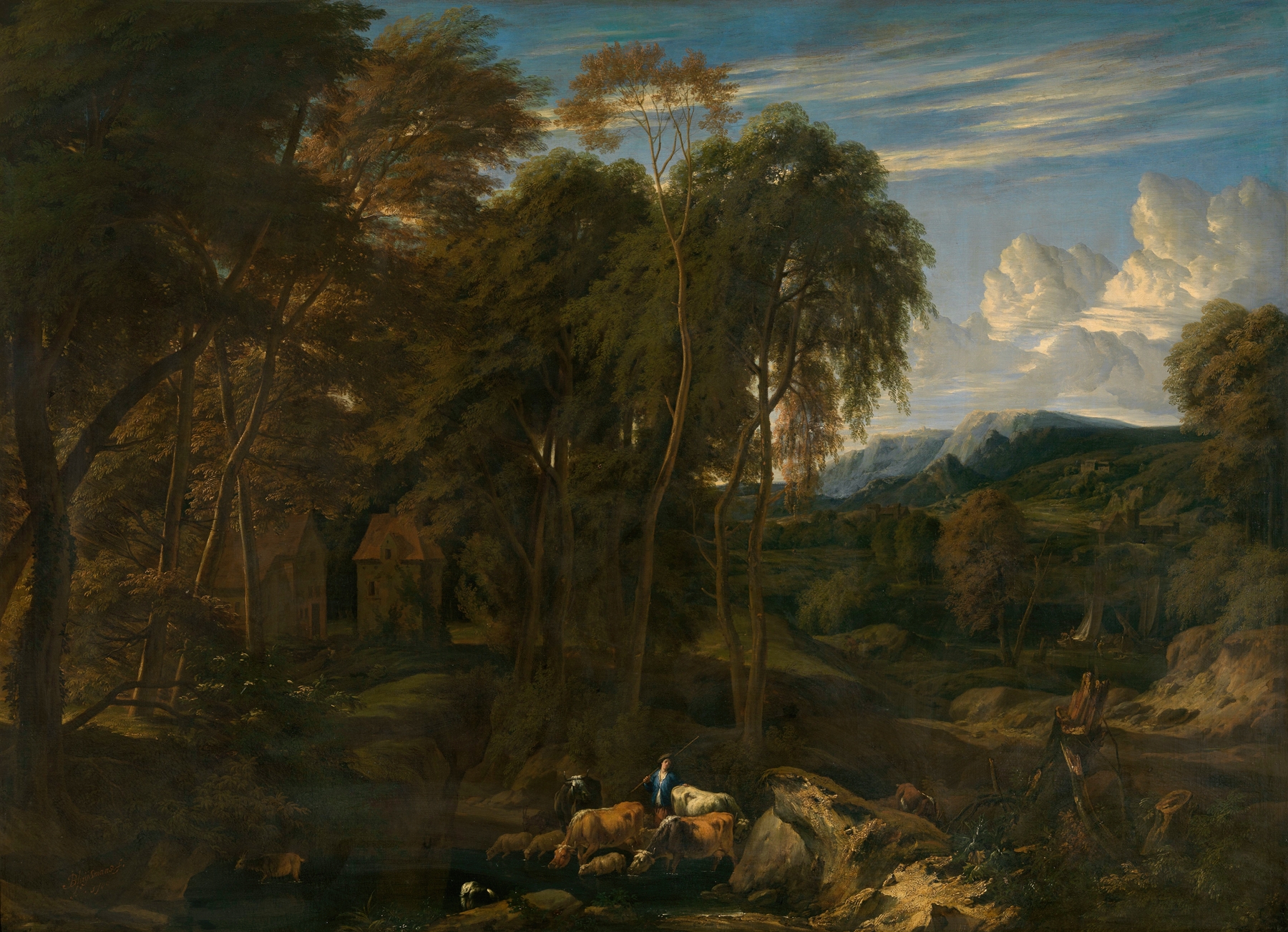
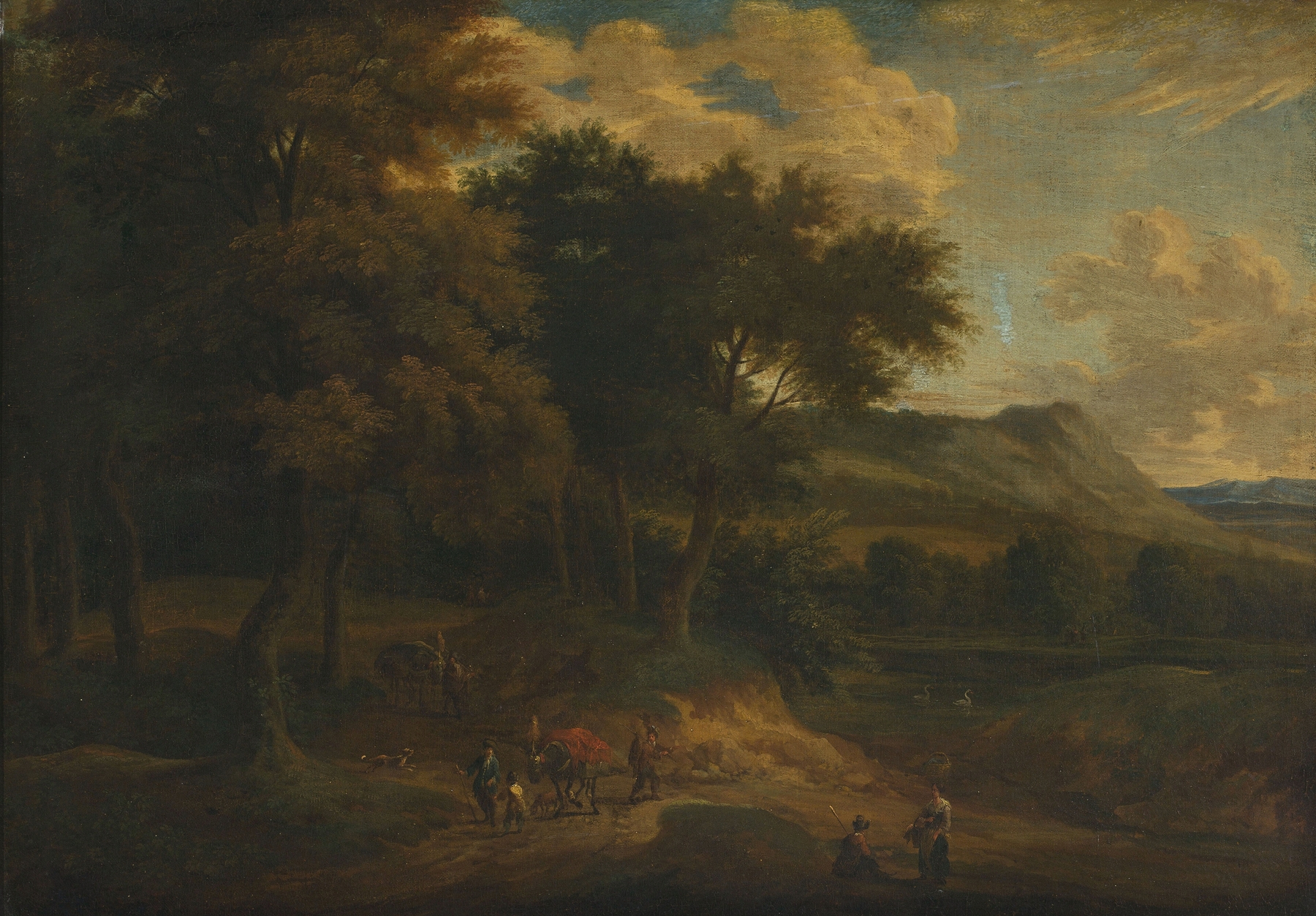
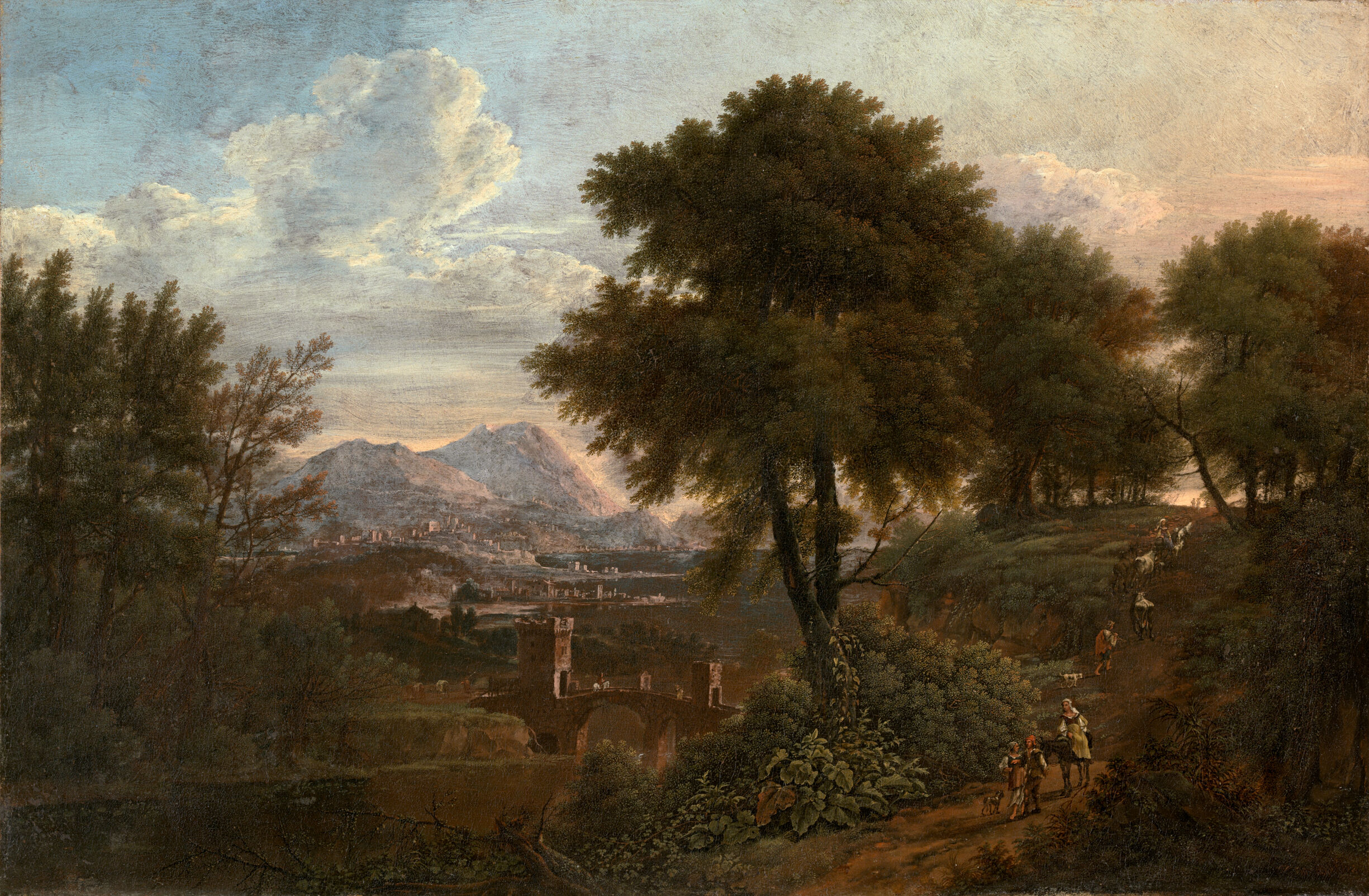
What if beauty was never meant to be finished? In the hushed realm of nature, where earth meets sky, lies a canvas that suggests an eternal dialogue between impermanence and revelation. Focus on the sweeping horizon cradled by rolling hills; let your gaze drift towards the soft, verdant greenery that undulates under a gentle breeze. Notice the delicate brushwork that gives life to the landscape, as dappled sunlight dances across the terrain, casting shadows that stir with whispers of movement.
The muted color palette, a symphony of greens and browns, creates an intimate tapestry, inviting you to explore every inch of this tranquil vista. Yet, within this serene exterior resides a tension. The stark contrast between the vibrant foreground and the subdued background hints at a dichotomy: the transitory beauty of nature versus the permanence of the painted image. Hidden in the layers of color are stories of cyclical change—the fleeting moment captured, yet the scene itself remains eternally alive in our contemplation.
The artist weaves a narrative about the beauty of the incomplete, urging us to find solace in the evolving essence of the world around us. During the late 17th to early 18th century, the artist painted this masterpiece amid a burgeoning interest in natural landscapes and the emerging Baroque style. Living in the Netherlands during a time of artistic transition, he found inspiration in the rich surroundings of his country, capturing both the simplicity and complexity of nature. This period was marked by a pursuit of realism and emotion, elevating landscapes to a coveted subject, and Huysmans became a notable figure of this transformative era in art.