Landscape — History & Analysis
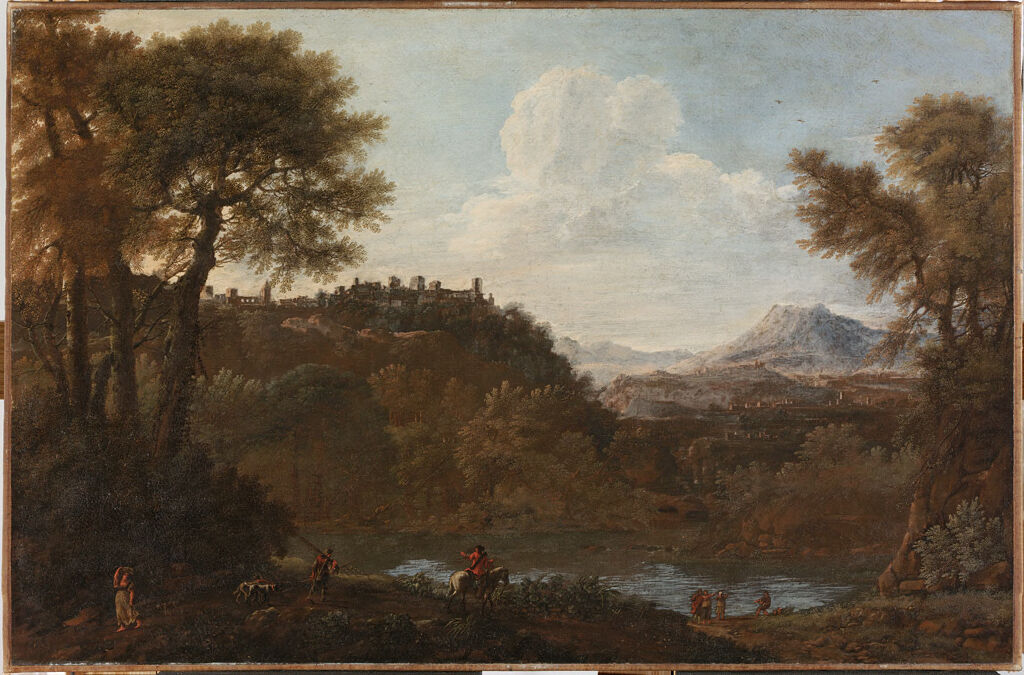
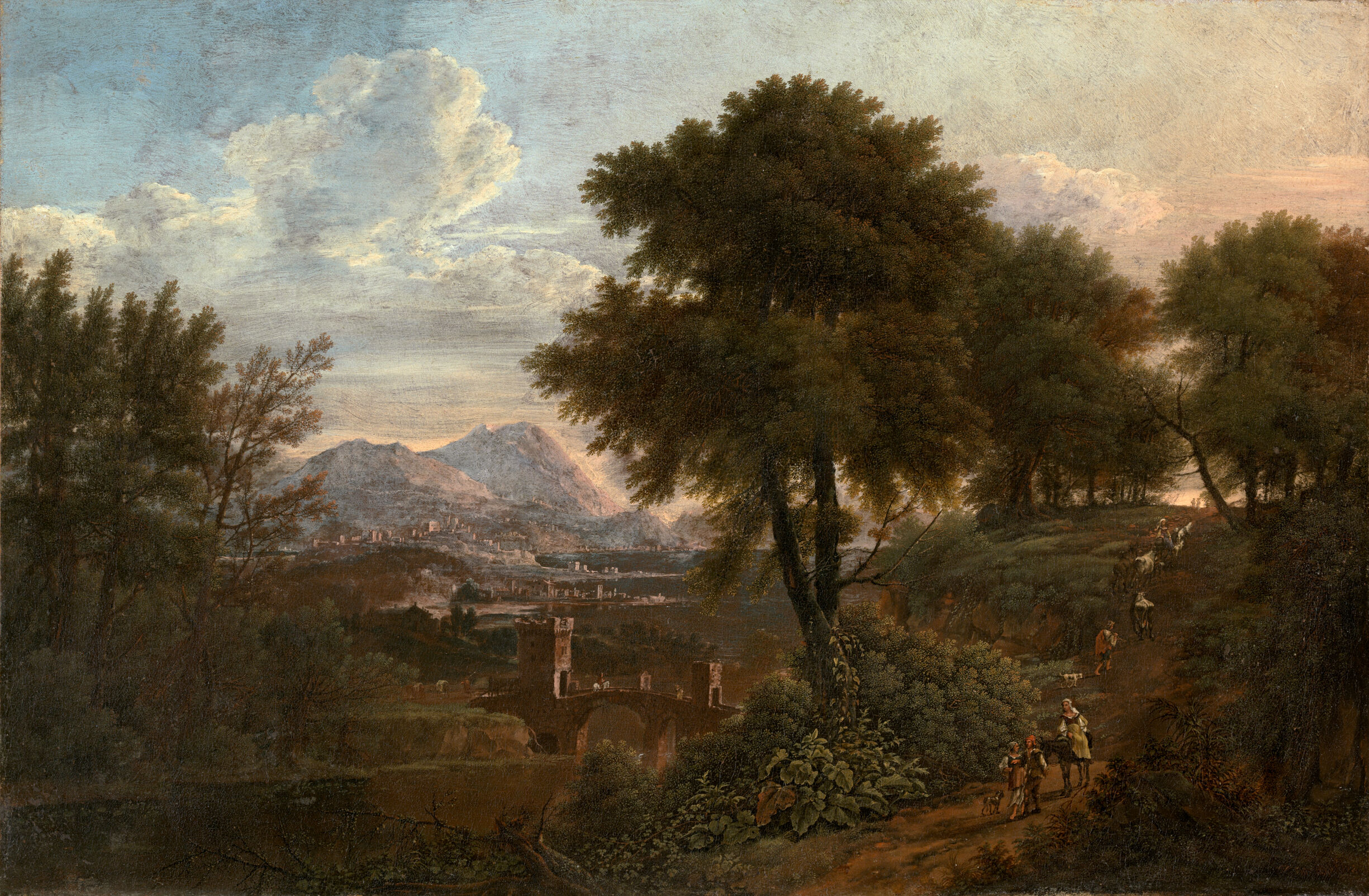
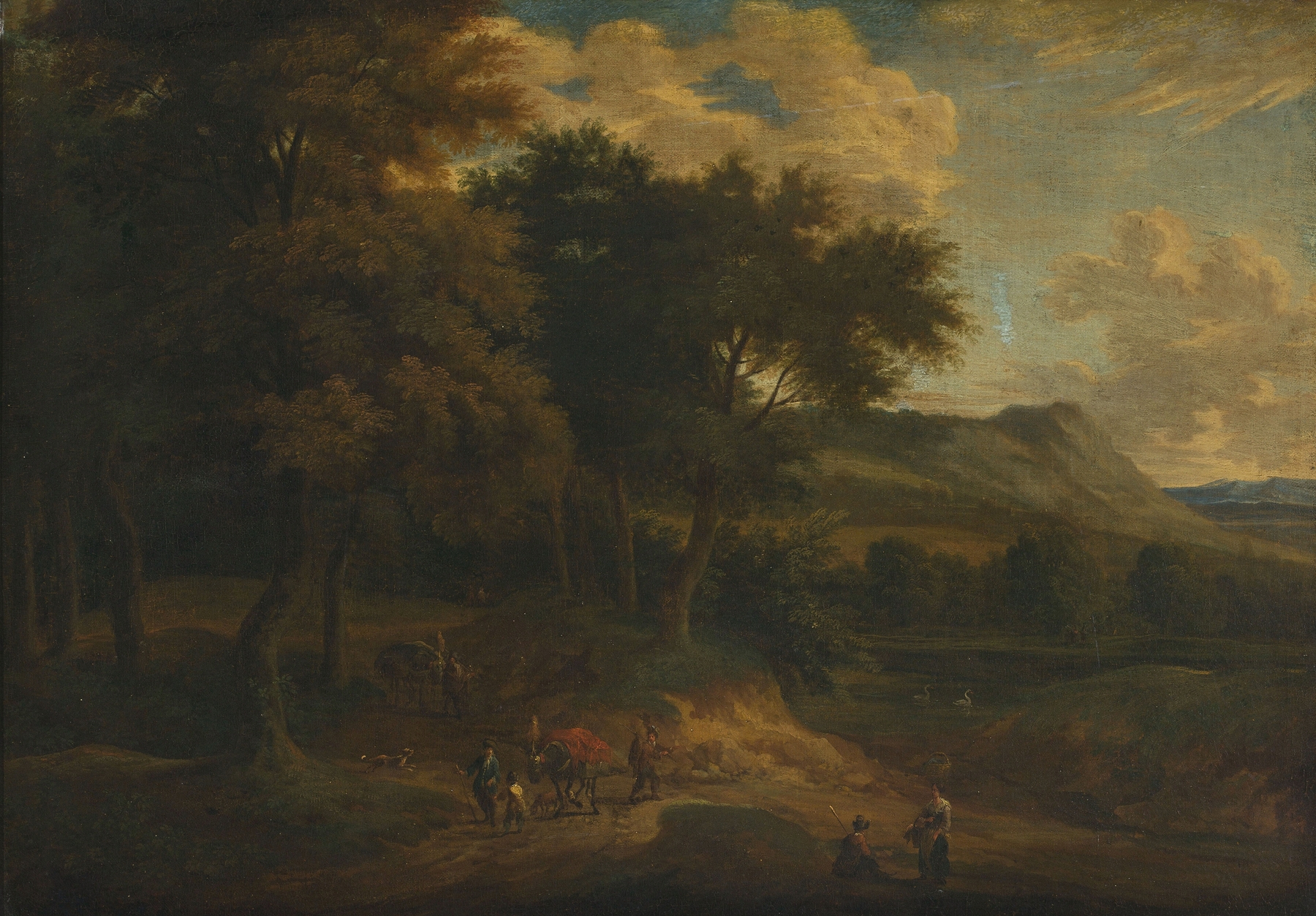
“To paint is to remember what time wants us to forget.” In the quiet brushstrokes of memory lies a world suspended between yesterday and today, urging us to linger in the beauty of fleeting moments. Look to the center of the canvas, where a tranquil river meanders through lush greenery, reflecting the soft hues of a setting sun. The gentle undulations of the landscape draw the eye, while the rich greens and warm earth tones create a sense of harmony and peace. Notice how the clouds hang lazily above, their tints of pink and gold blending seamlessly, as if whispering secrets of the day’s end.
The delicate balance of light and shadow elevates this serene scene, inviting contemplation. Beneath the idyllic surface, there lies an emotional tension between the vibrant life of the landscape and the inevitable passage of time. The river, both a life-giver and a reminder of ephemerality, captures the essence of nostalgia, evoking memories that become more precious as they fade. The interplay of light and dark reflects the complexities of existence, hinting at joy intertwined with melancholy as the day slips away.
Jan Baptist Huysmans painted Landscape around 1700 during a period of emerging Baroque influences in the Netherlands. Living in the aftermath of the Dutch Golden Age, he sought to capture the tranquil beauty of nature while navigating personal and societal changes. This work exemplifies his mastery of light and atmosphere, positioning him within a rich artistic tradition that celebrated both landscape and memory.