Landscape with a Village. Study from North Norway — History & Analysis
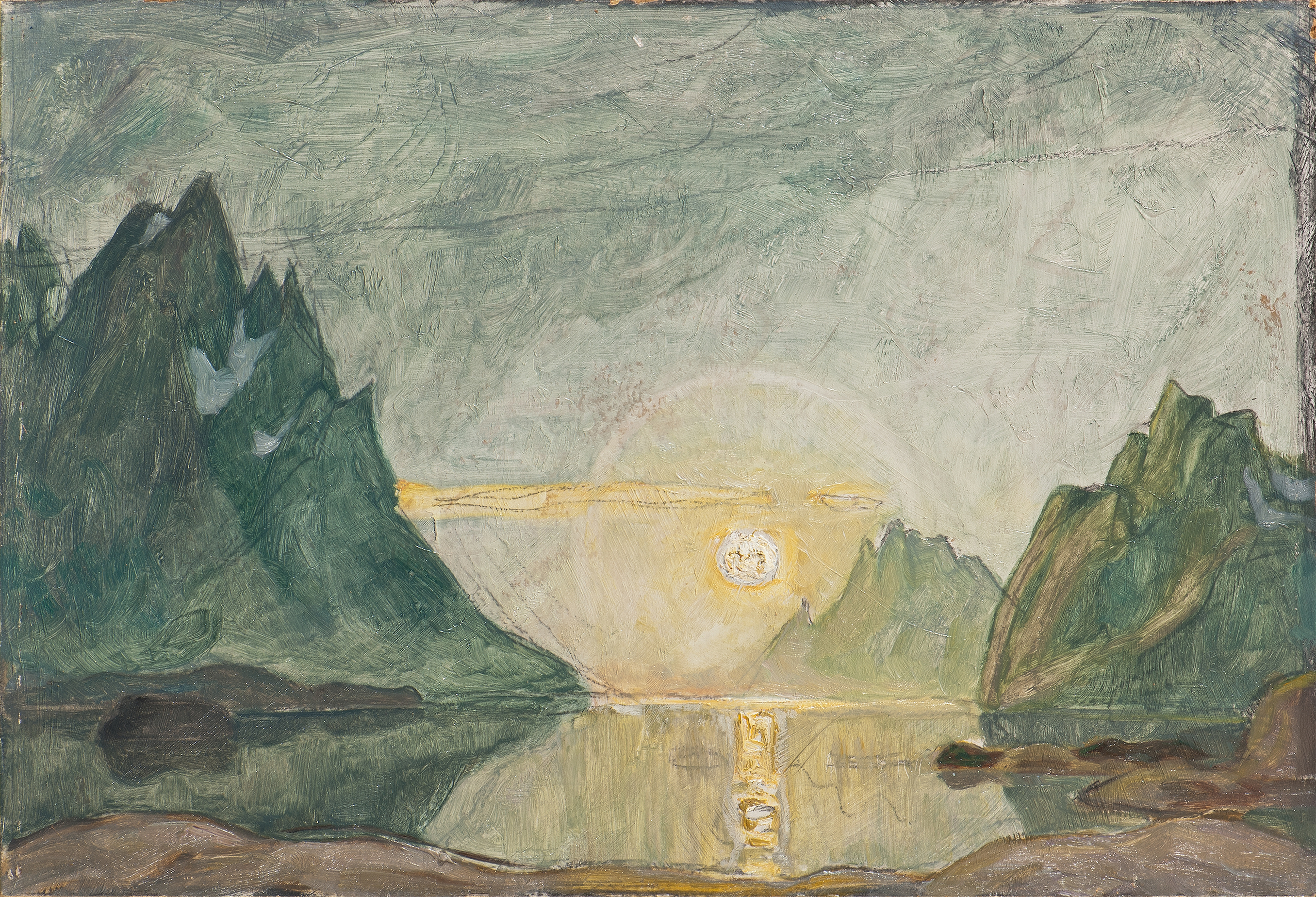
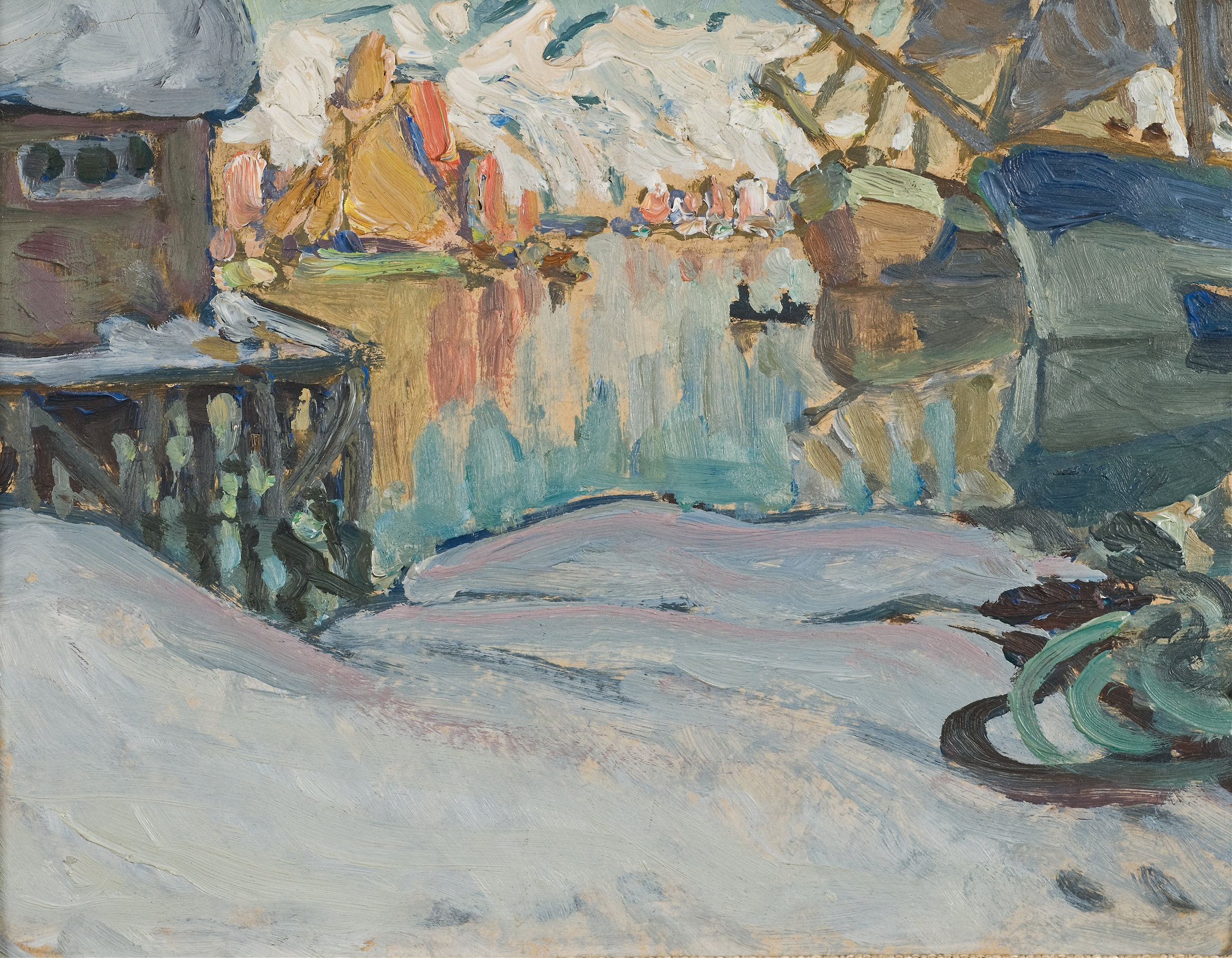
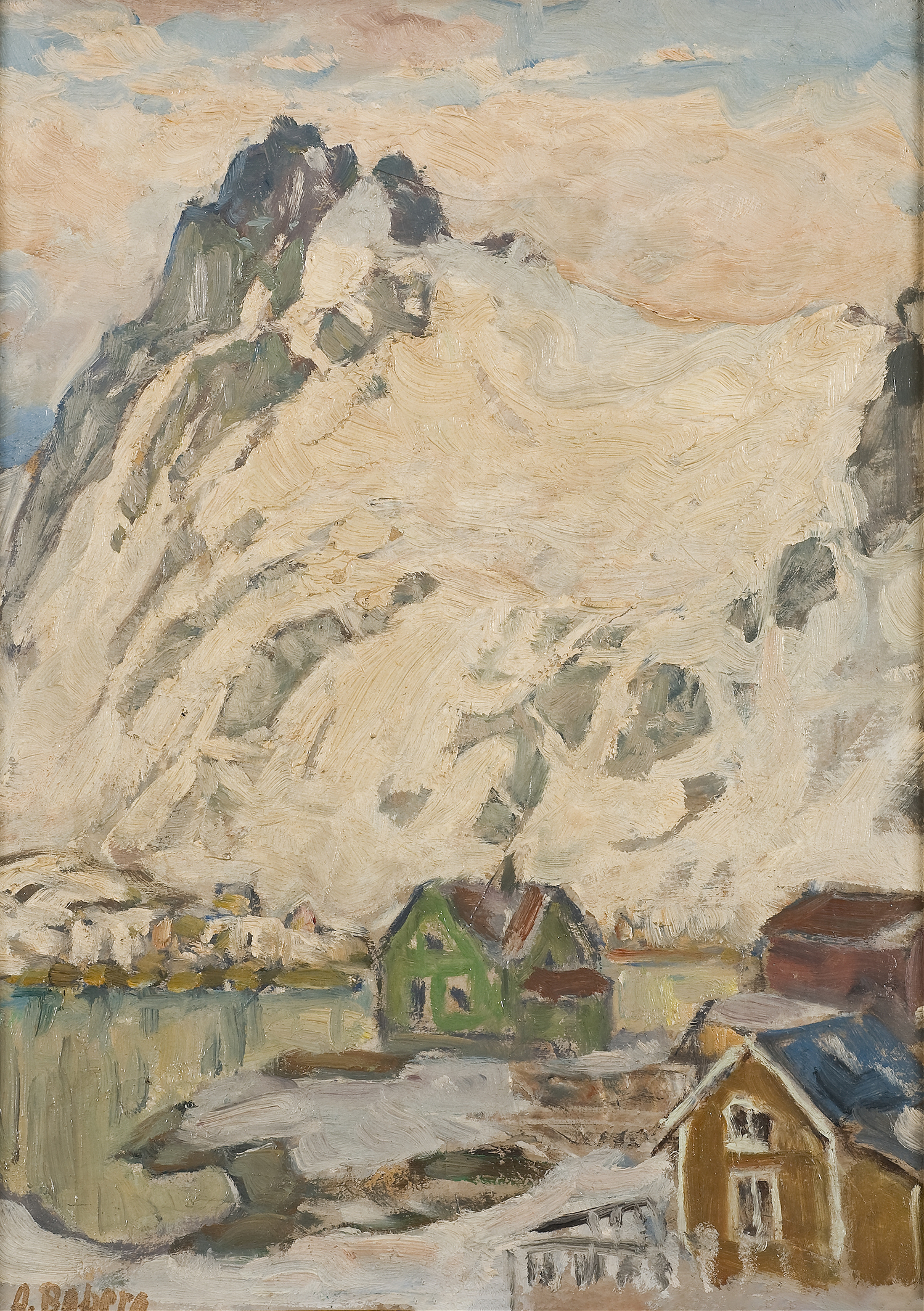
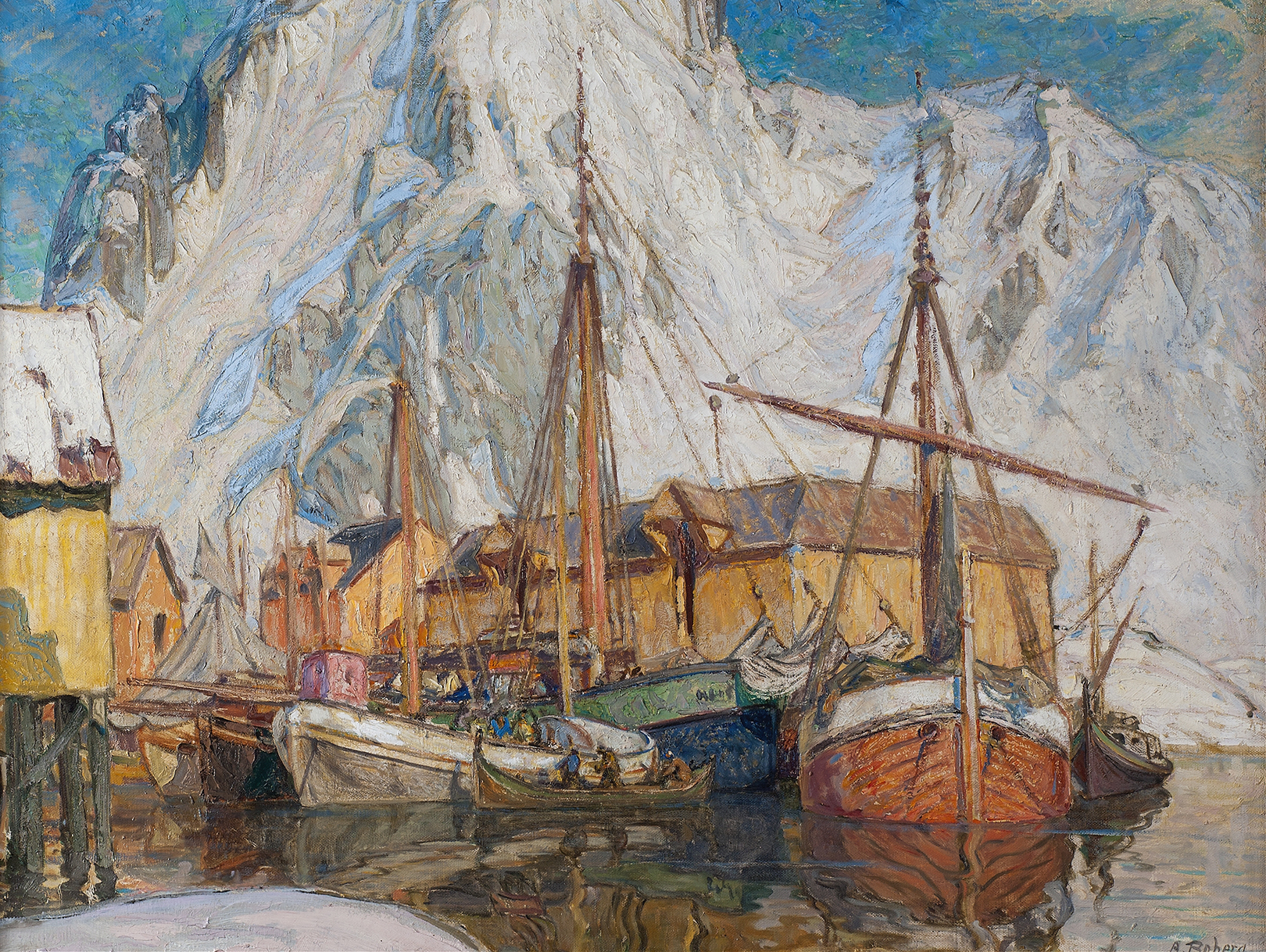
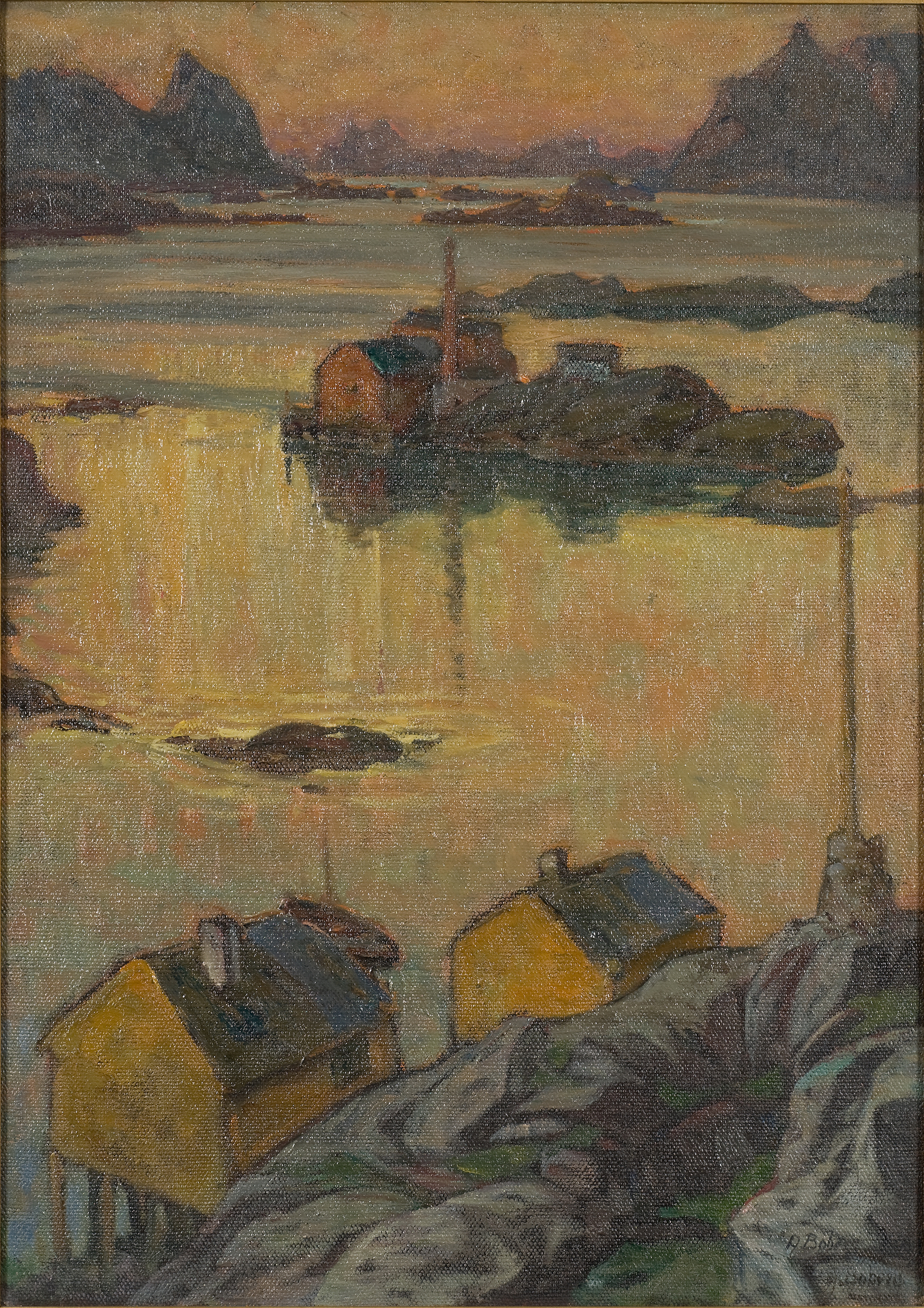
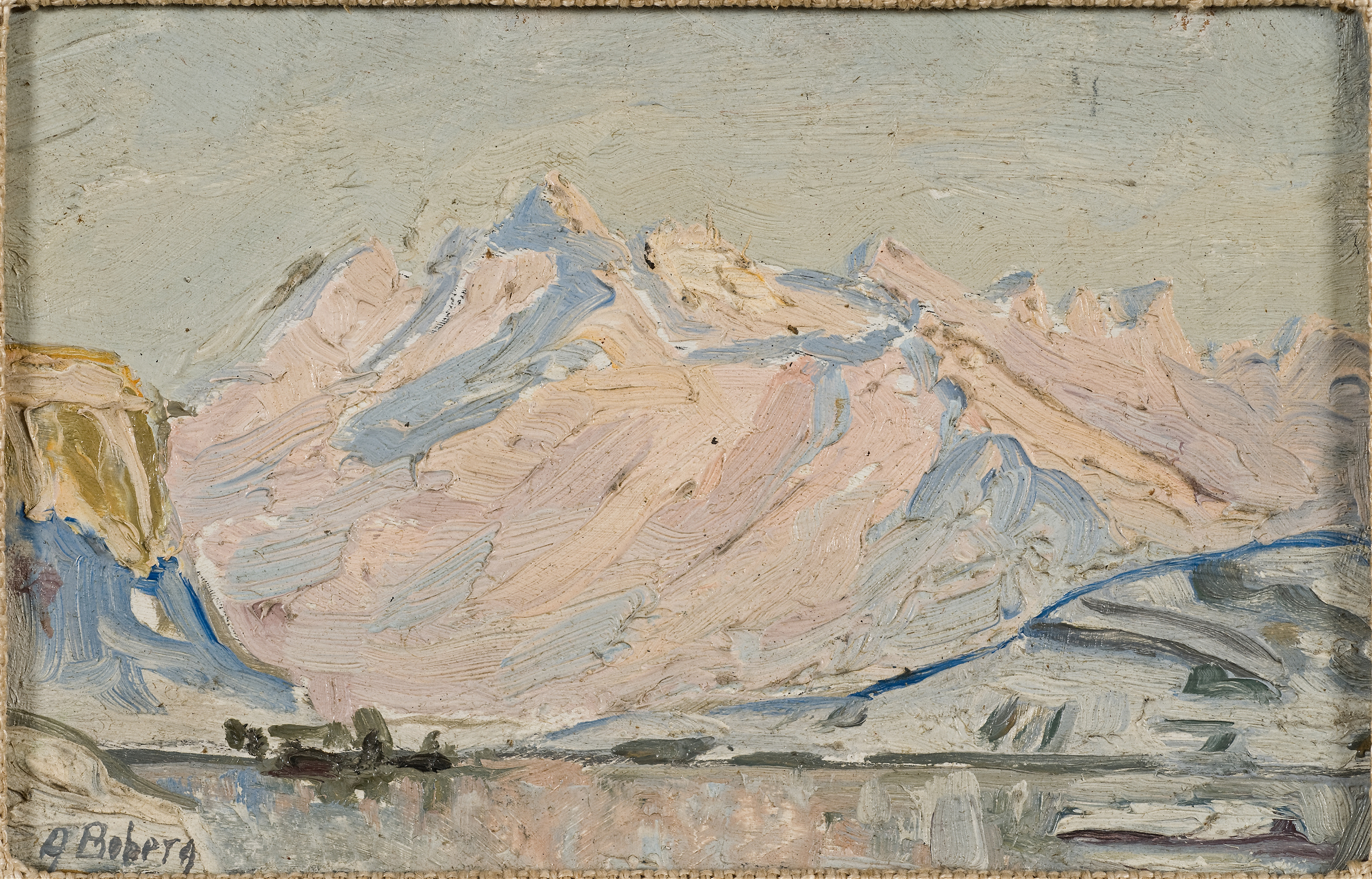
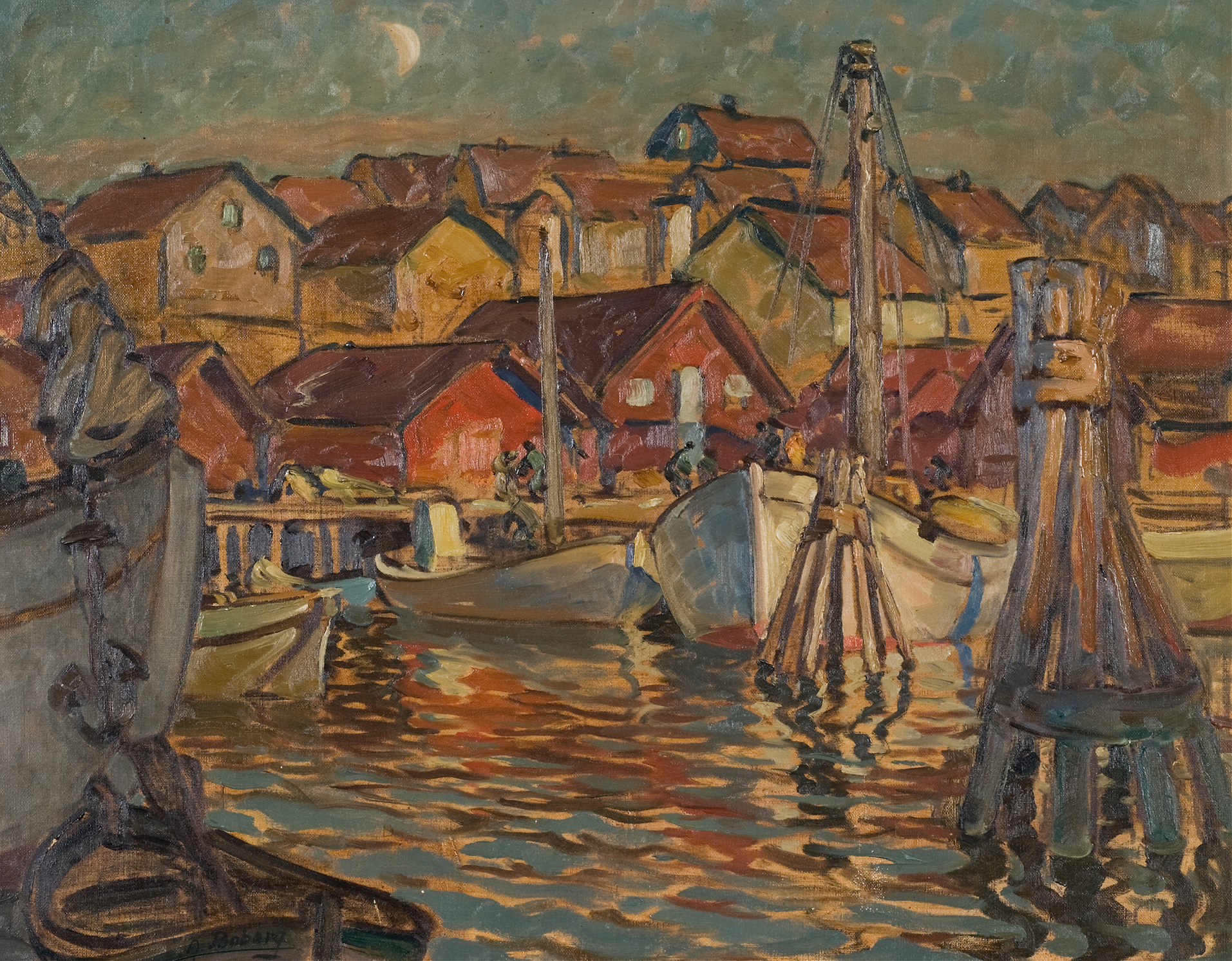
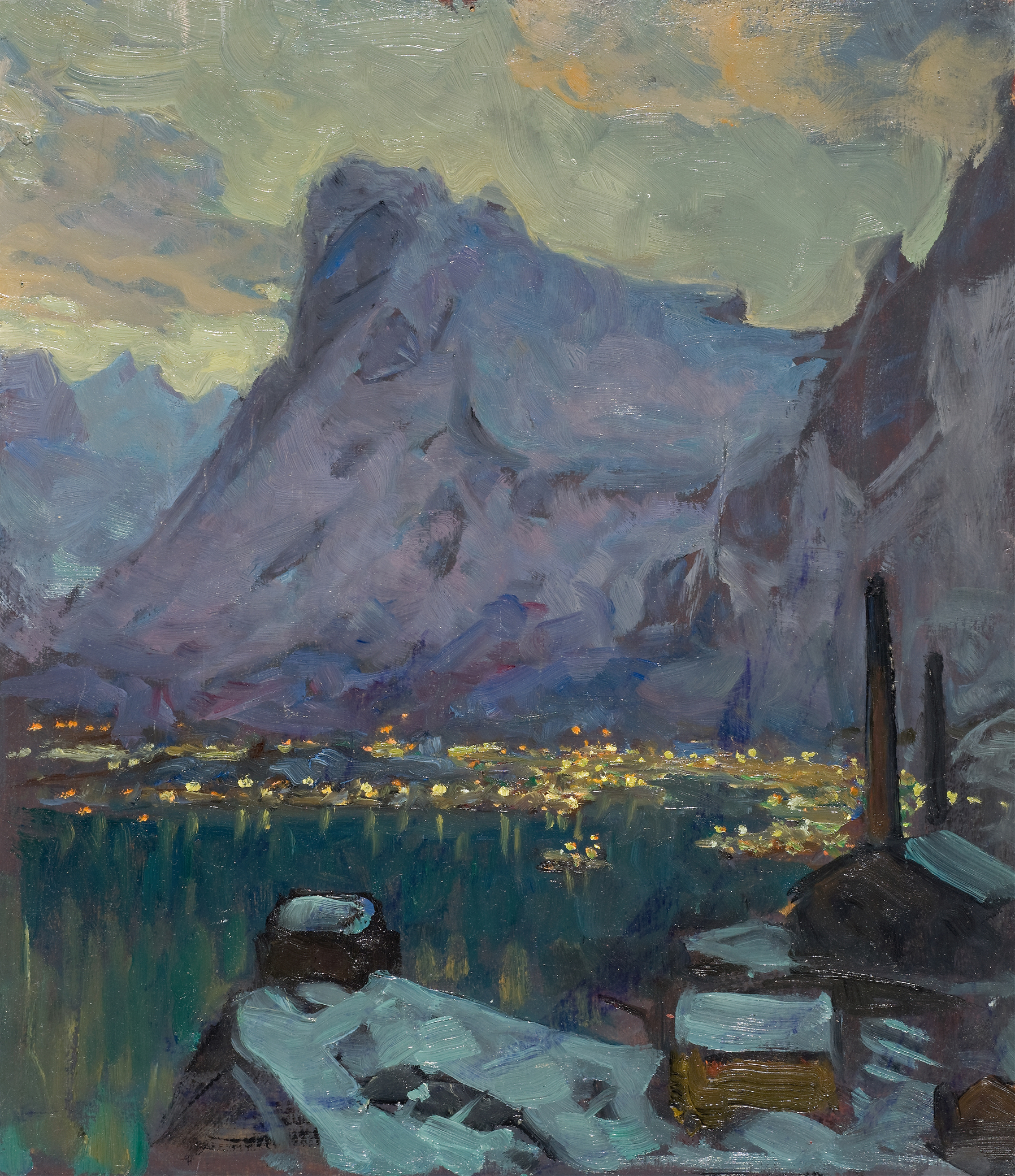
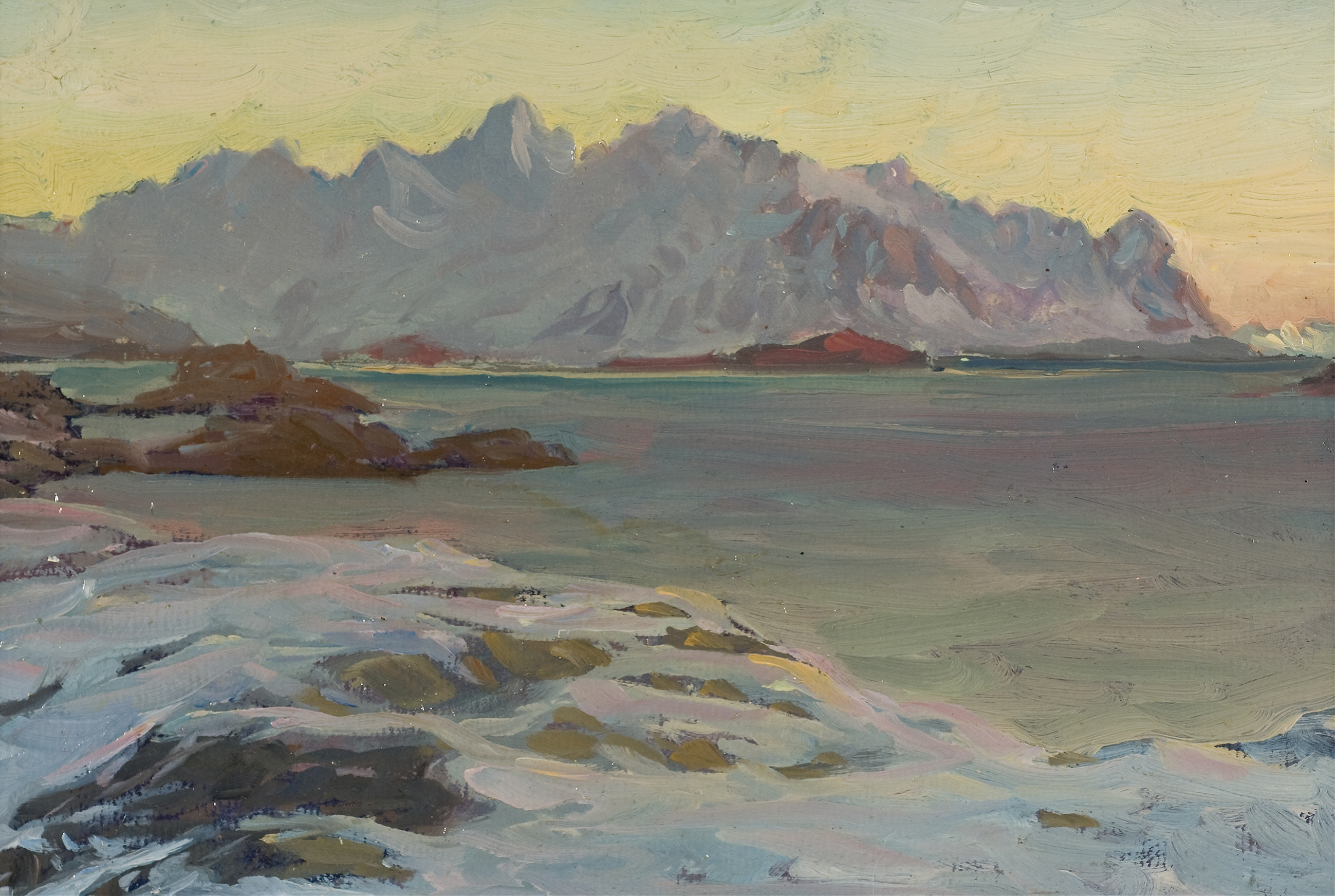
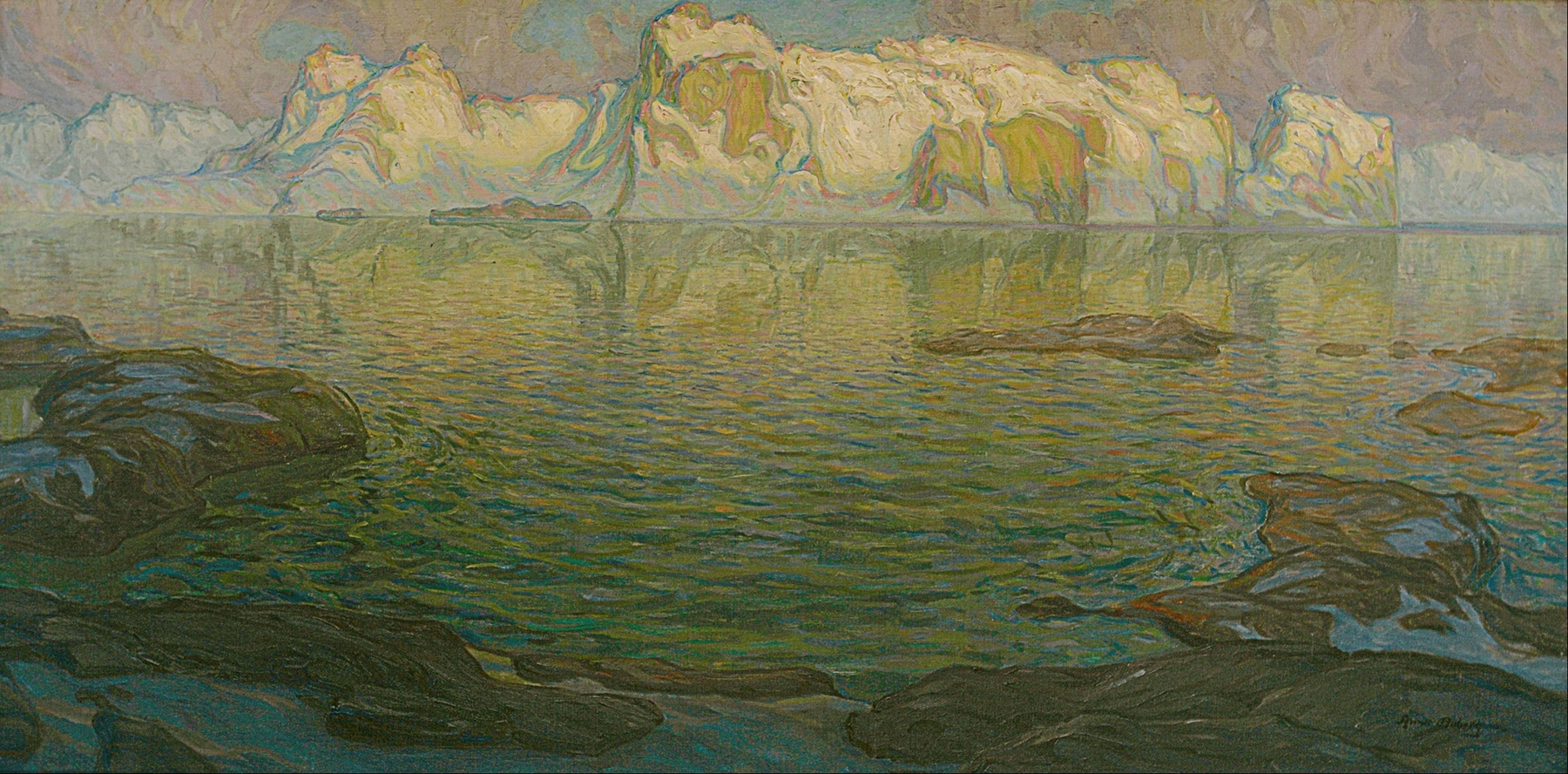
Can paint confess what words never could? In Landscape with a Village. Study from North Norway, the luminous brushstrokes invite the viewer to explore the divine connection between nature and human existence. Look to the center where the village nestles amidst the undulating hills, each structure rendered with a gentle precision.
The palette of soft greens and earthy browns is illuminated by the ethereal glow of the sky, creating a harmonious dialogue between the earthly and the celestial. Notice how the wispy clouds hover above, infused with strokes of delicate whites and blues, suggesting an impending change—a moment caught between day and night. Beneath the tranquil surface, tension simmers. The juxtaposition of the serene village against the vast, untamed landscape evokes a sense of isolation and introspection, as if the inhabitants are both blessed and burdened by their surroundings.
This delicate balance between the security of community and the vastness of nature speaks to humanity's eternal search for belonging, hinting at a deeper yearning for connection to something greater than oneself. Anna Boberg painted this work during a time of exploration and rediscovery in the late 19th century, when artists sought to capture the sublime beauty of the natural world. Living in Norway, she found inspiration in the dramatic landscapes, which contrasted sharply with the burgeoning industrialization of Europe. This period marked a significant moment in art, where the impression of a moment began to hold as much value as the moment itself, allowing for a personal, emotional connection to nature’s splendor.