Landscape with Animals Resting — History & Analysis
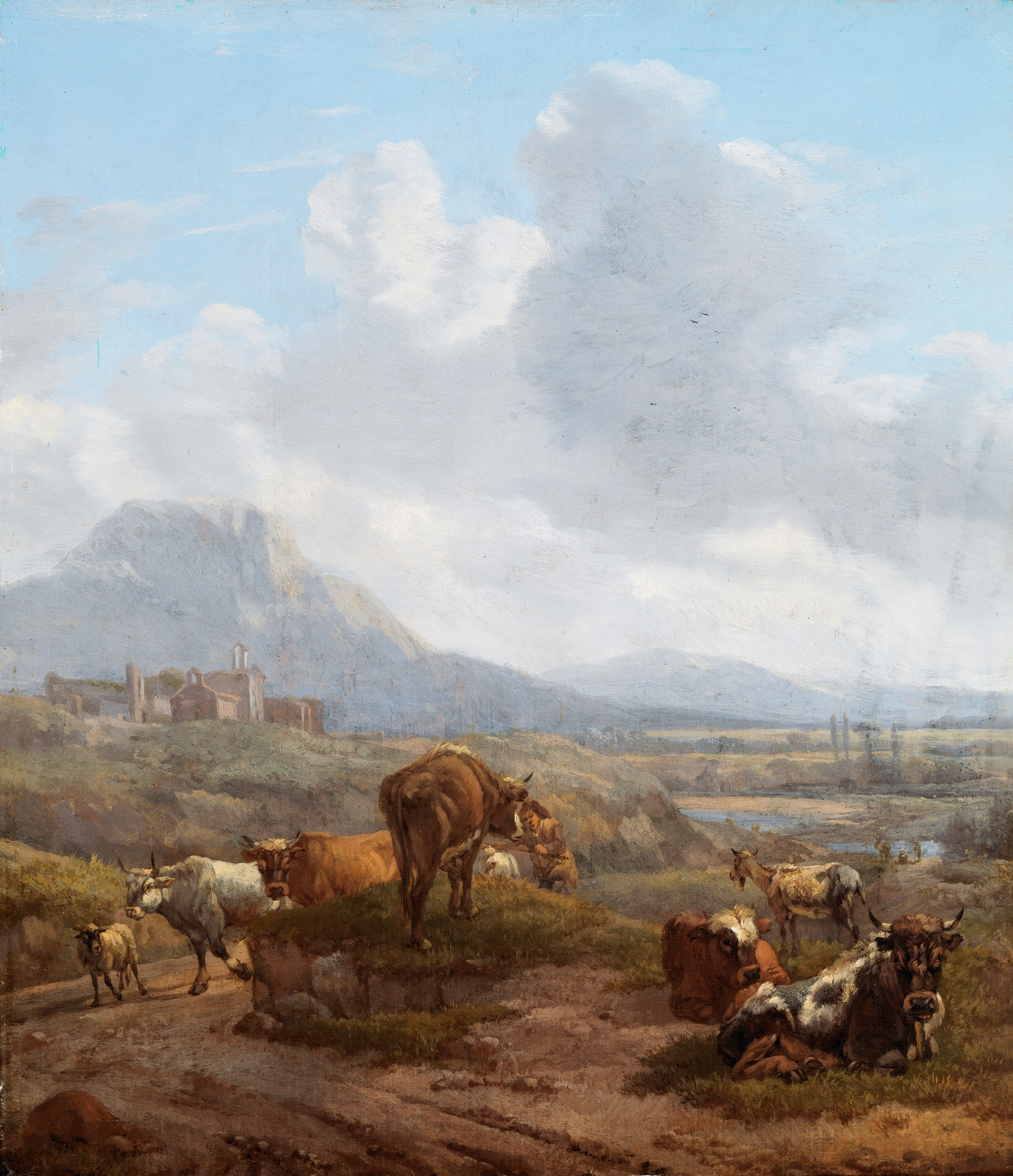
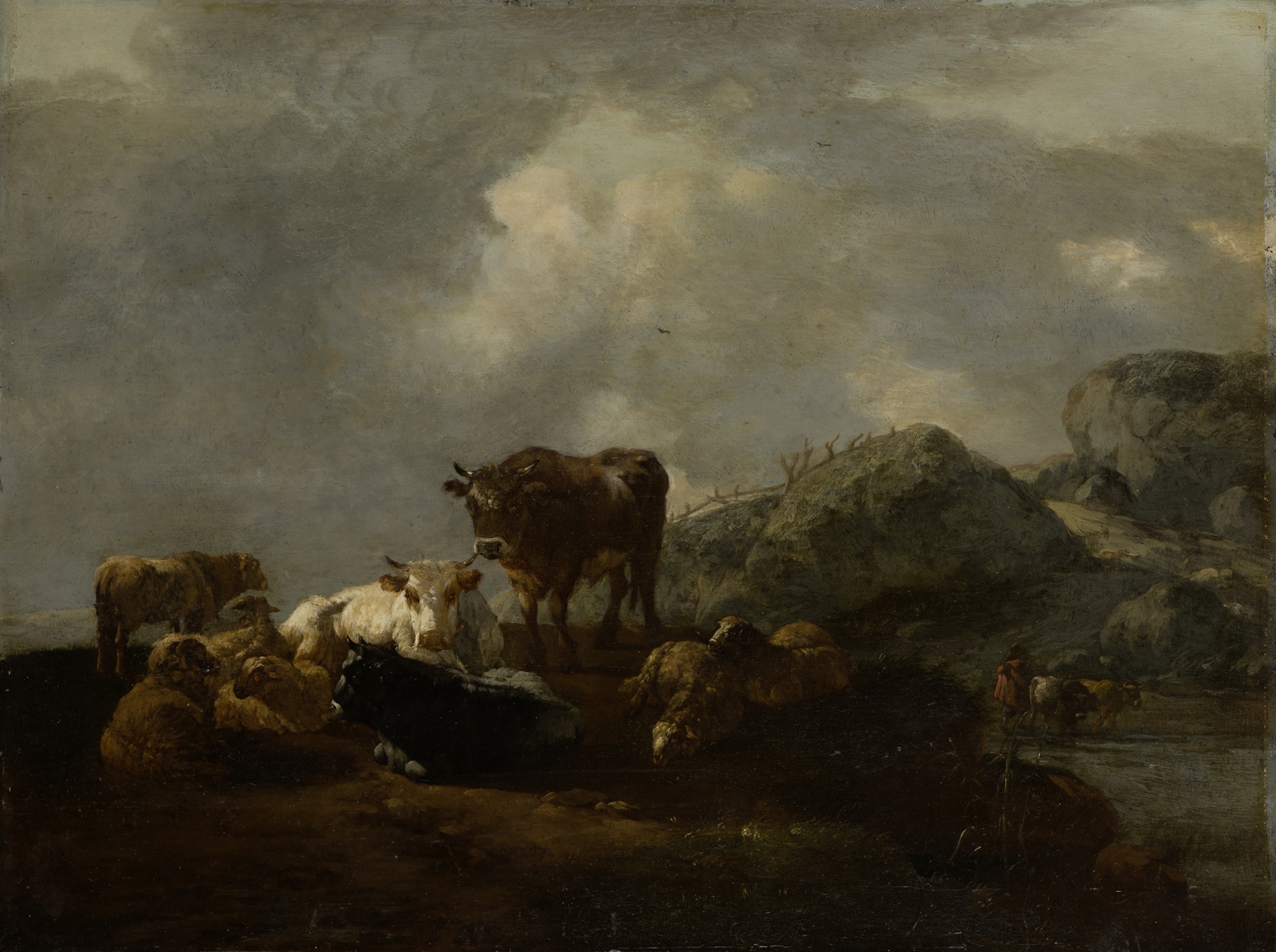
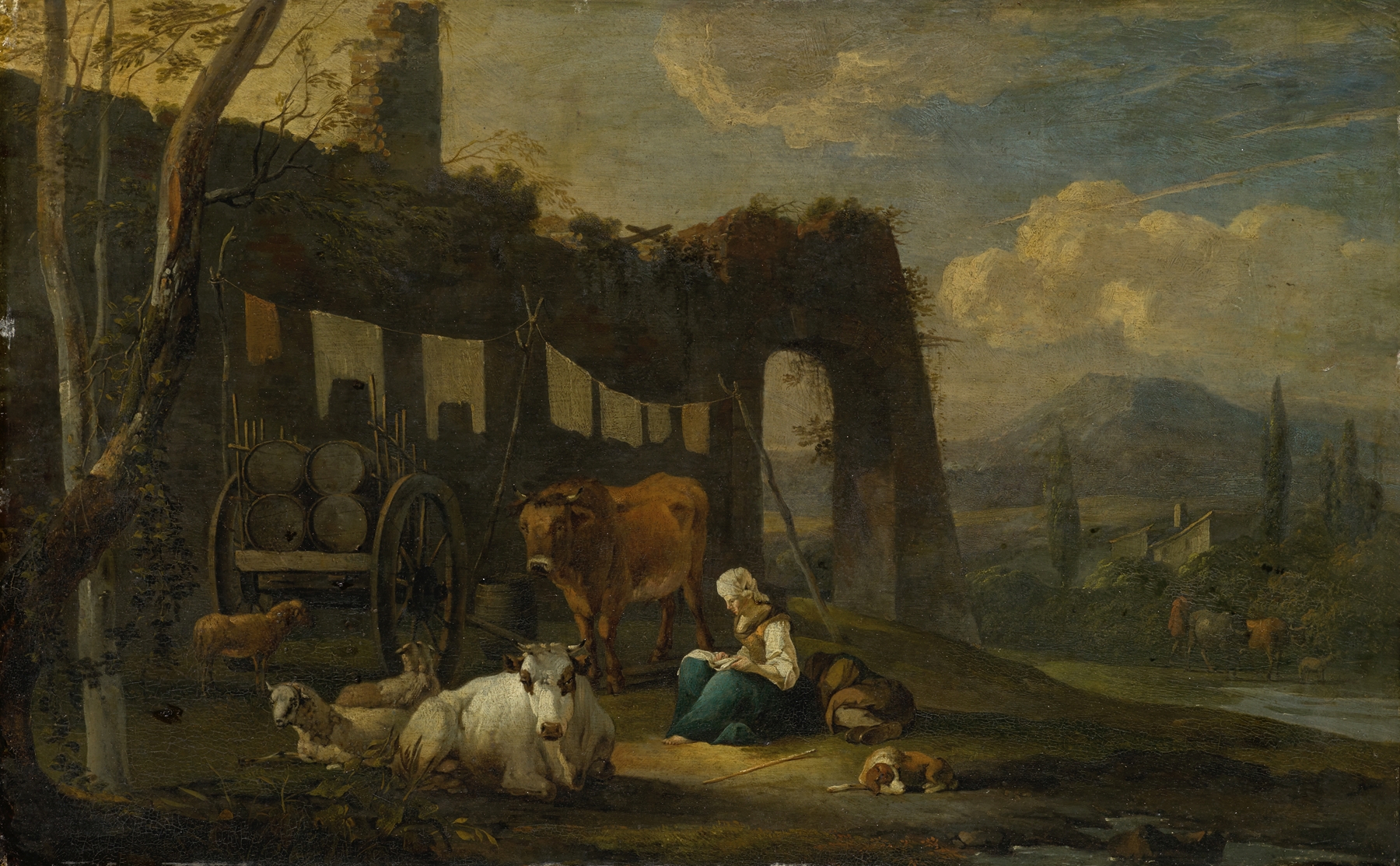
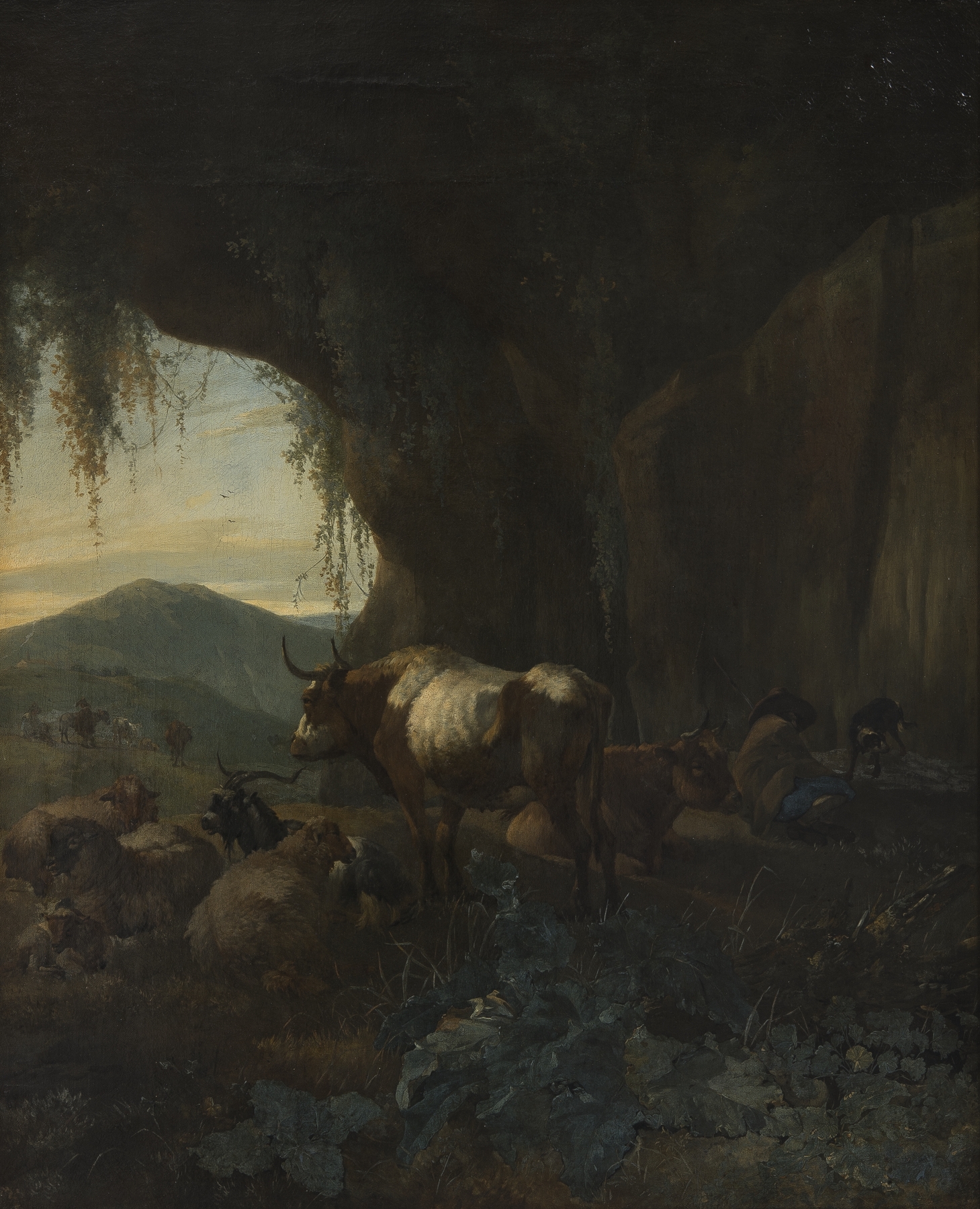
“Sometimes beauty is just pain, disguised in gold.” In the world of Landscape with Animals Resting, the serene beauty of nature stands as a quiet testament to the cycles of life and rebirth. The painting invites us to contemplate the juxtaposition of tranquility and transience inherent in every corner of existence. Look to the foreground where a group of animals—deer, hares, and fowl—rest amid a lush, verdant landscape. The soft brushstrokes give life to the textures of the animals' fur and feathers, while a gentle light illuminates the scene from the left, casting soft shadows that heighten the sense of calm.
The warm earth tones harmonize beautifully with the greens, creating a rich tapestry of color that draws the eye deeper into the composition, inviting a moment of reflection on the peaceful coexistence of wildlife. Yet, beneath this idyllic surface, contrasts whisper their truths. The stillness of the resting creatures belies the predatory nature of the world beyond the canvas's edge, where survival is a constant struggle. The golden light may symbolize hope and rebirth, but it also serves to remind us that beauty exists alongside vulnerability, with each creature embodying its own delicate balance between peace and peril.
In 1650, Willem Romeyn painted this work during a time when the Dutch Golden Age was flourishing, reflecting both the burgeoning art market and the public's growing fascination with nature. Living in Amsterdam, Romeyn was amidst a vibrant community of artists who were exploring the interplay of light and shadow, a technique he skillfully employed to evoke emotional depth in his landscapes. Such works captured the essence of an era where art not only celebrated nature but also served as a meditative space for reflection on life's inherent struggles.