Landschap met ruiter in octagonaal kader — History & Analysis
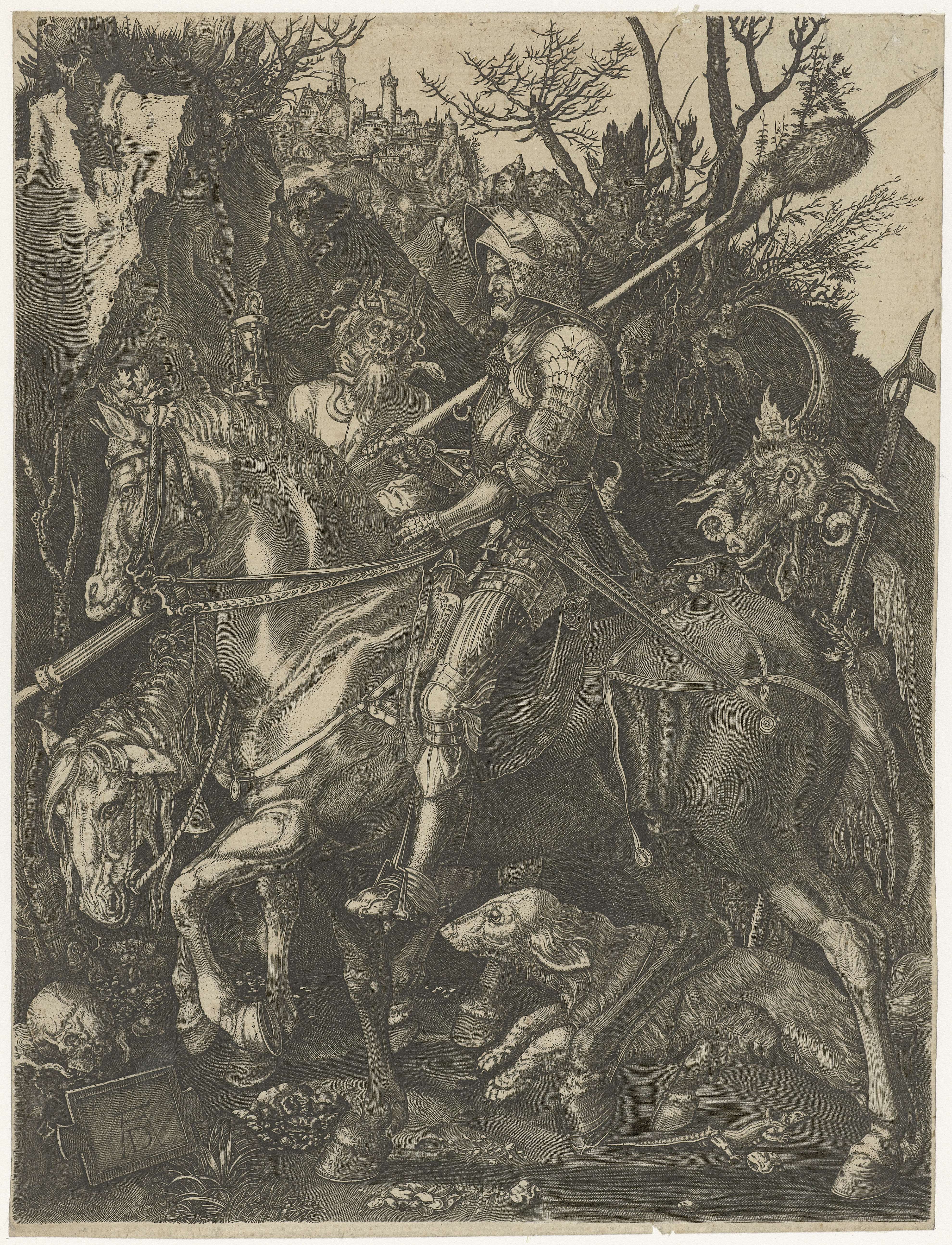
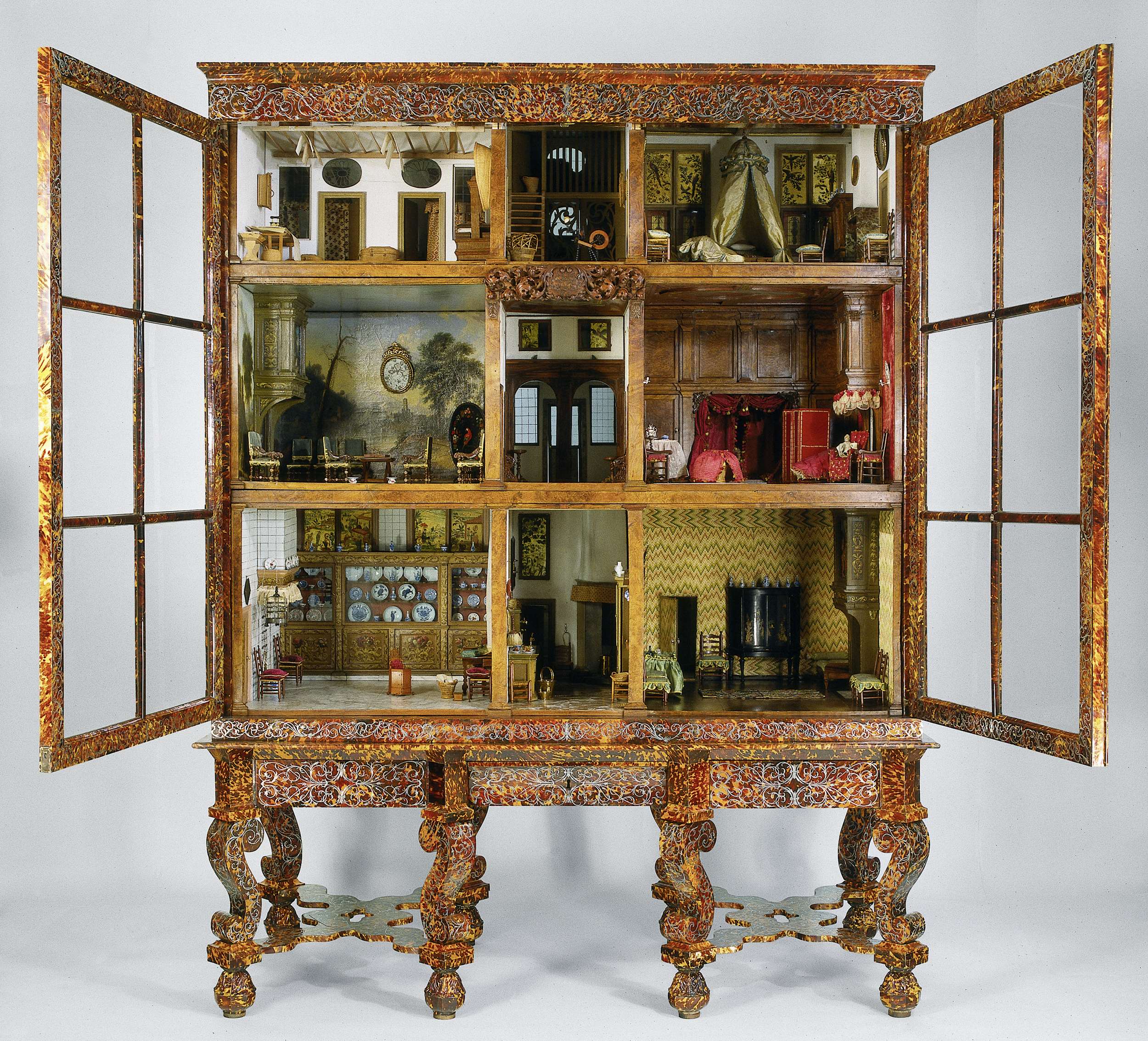
What if beauty was never meant to be finished? The allure of the unresolved pulses through the landscapes of the past, whispering secrets of desire and longing that echo through time. Look to the center of the painting, where an elegant rider is framed within an octagonal border, drawing the viewer’s eye with a sense of purpose. Surrounding this figure, a lush landscape unfolds, a tapestry of verdant greens and glimmers of soft gold that shimmer under a gentle, diffused light.
The colors are rich yet subdued, allowing the rider's posture—poised yet slightly turned away—to convey an intriguing blend of presence and solitude. Each brushstroke invites contemplation, guiding the gaze across the harmonious interplay of nature and humanity. Beneath the surface, this composition evokes a tension between the rider’s journey and the expansive landscape that surrounds them. The octagonal frame suggests a quest for completeness, while the open fields symbolize endless possibilities, reflecting the desire for connection and exploration.
One cannot help but notice the juxtaposition of solitude and aspiration, as the rider stands on the brink of adventure, yet anchored by an innate yearning that remains unresolved. Created between 1582 and 1700 by an unknown artist, this work belongs to a rich era of transitional artistic styles and burgeoning emotional expressions. At this time, Europe was navigating the complexities of the Renaissance and the Baroque; the artist likely sought to explore the deeper human experience amidst the evolving landscape of art. In this piece, beauty is not merely captured but conversely breathes in the space between the known and the unknown, inviting the viewer to ponder what lies beyond the frame.