Landschap met vee — History & Analysis
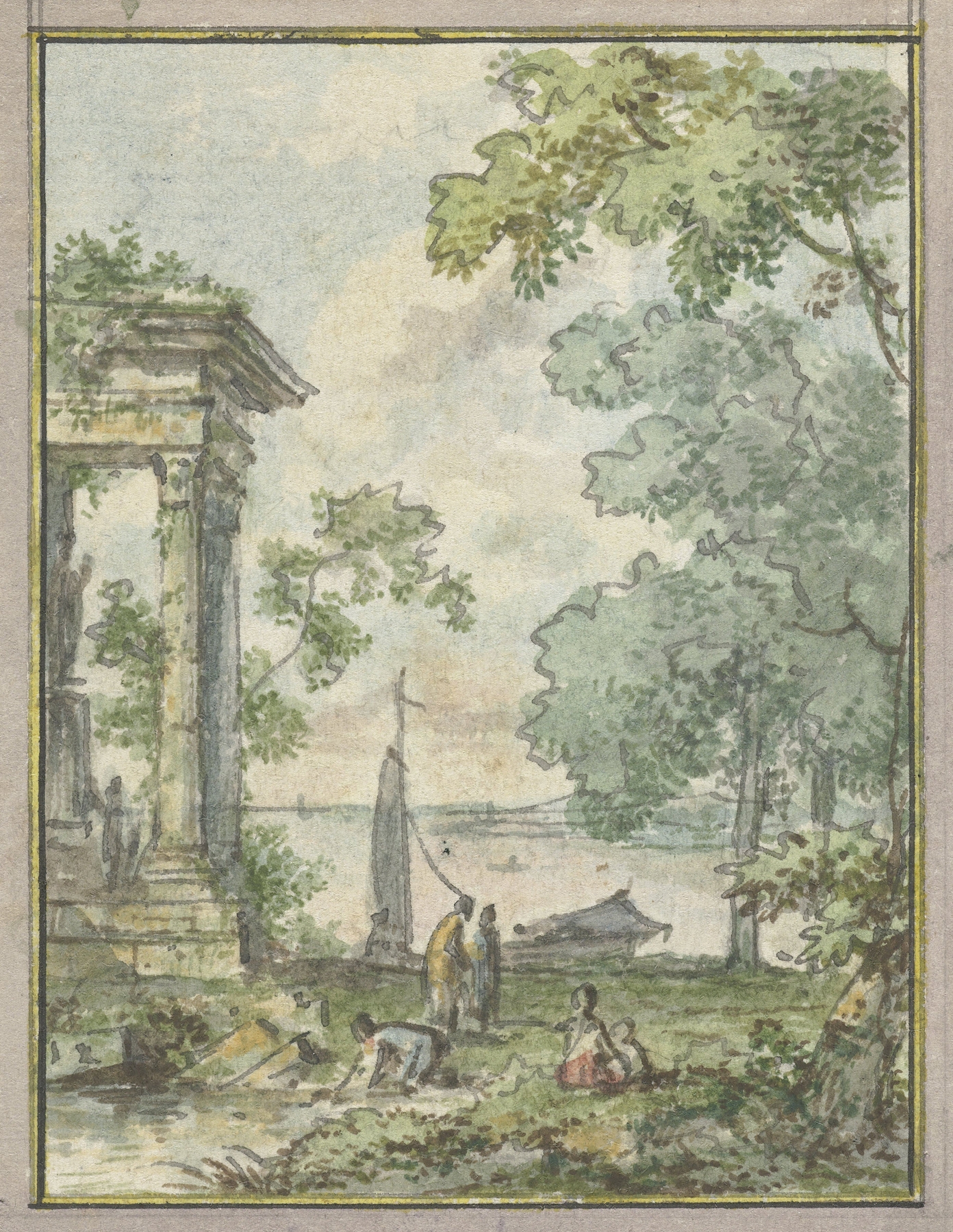
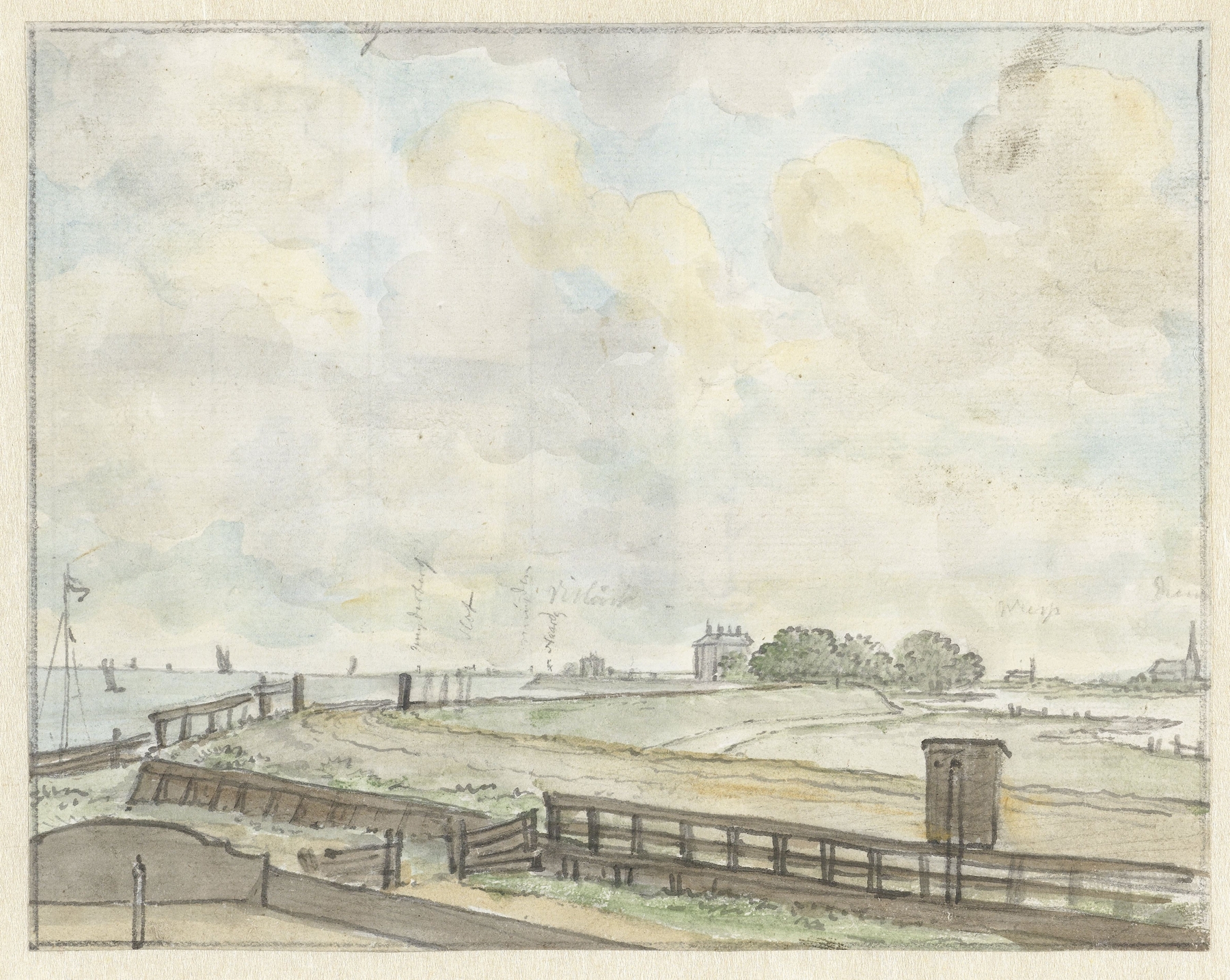
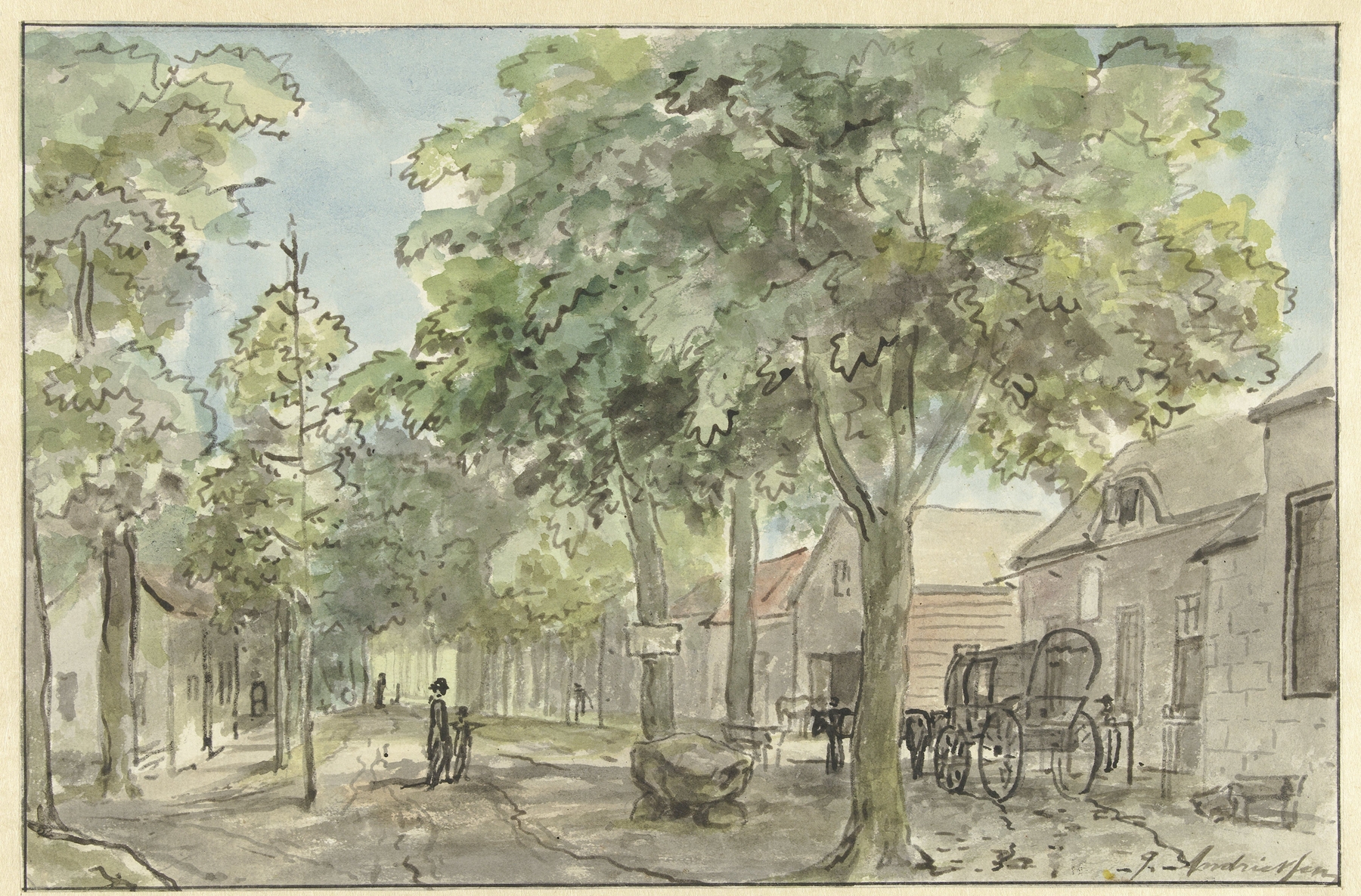
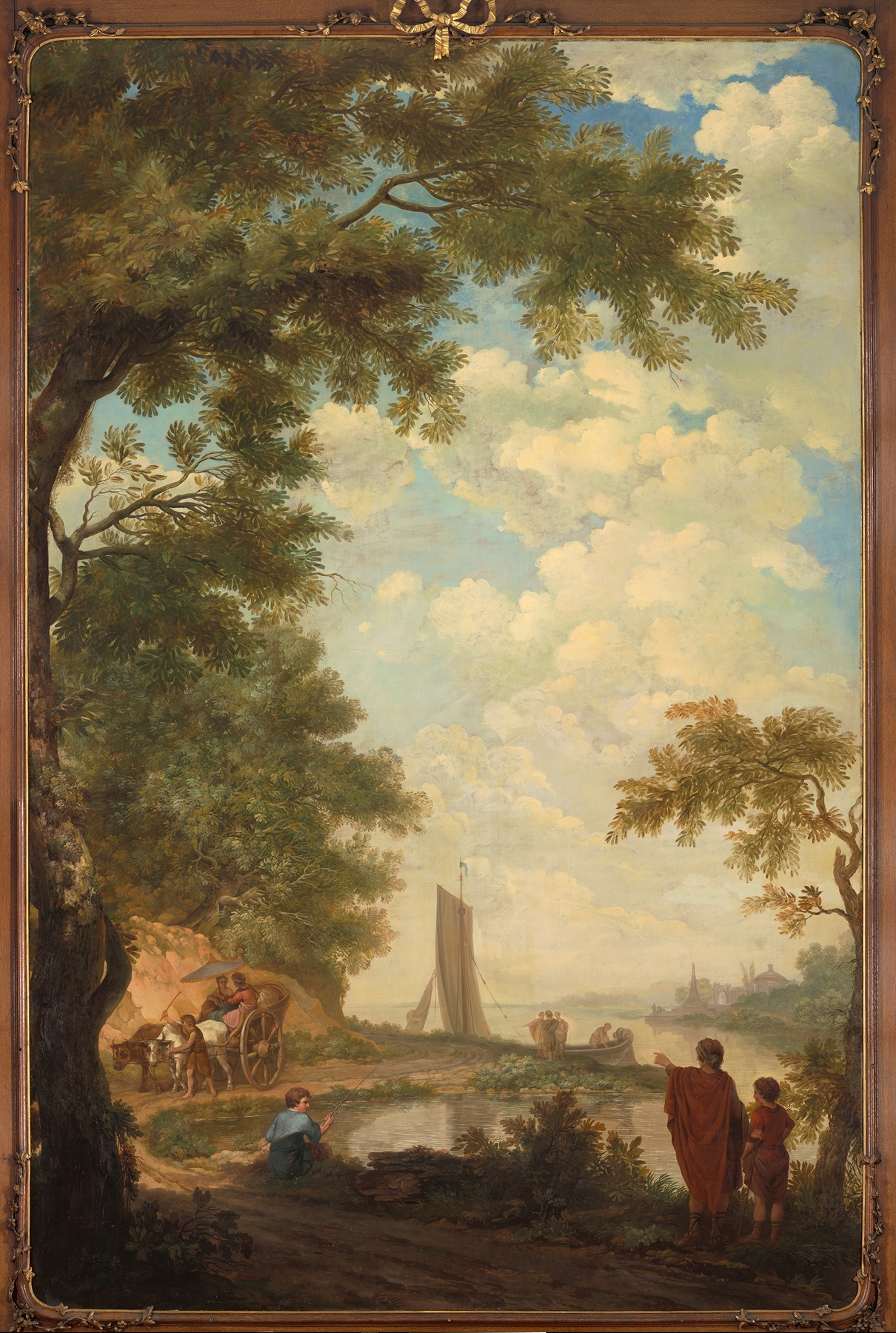
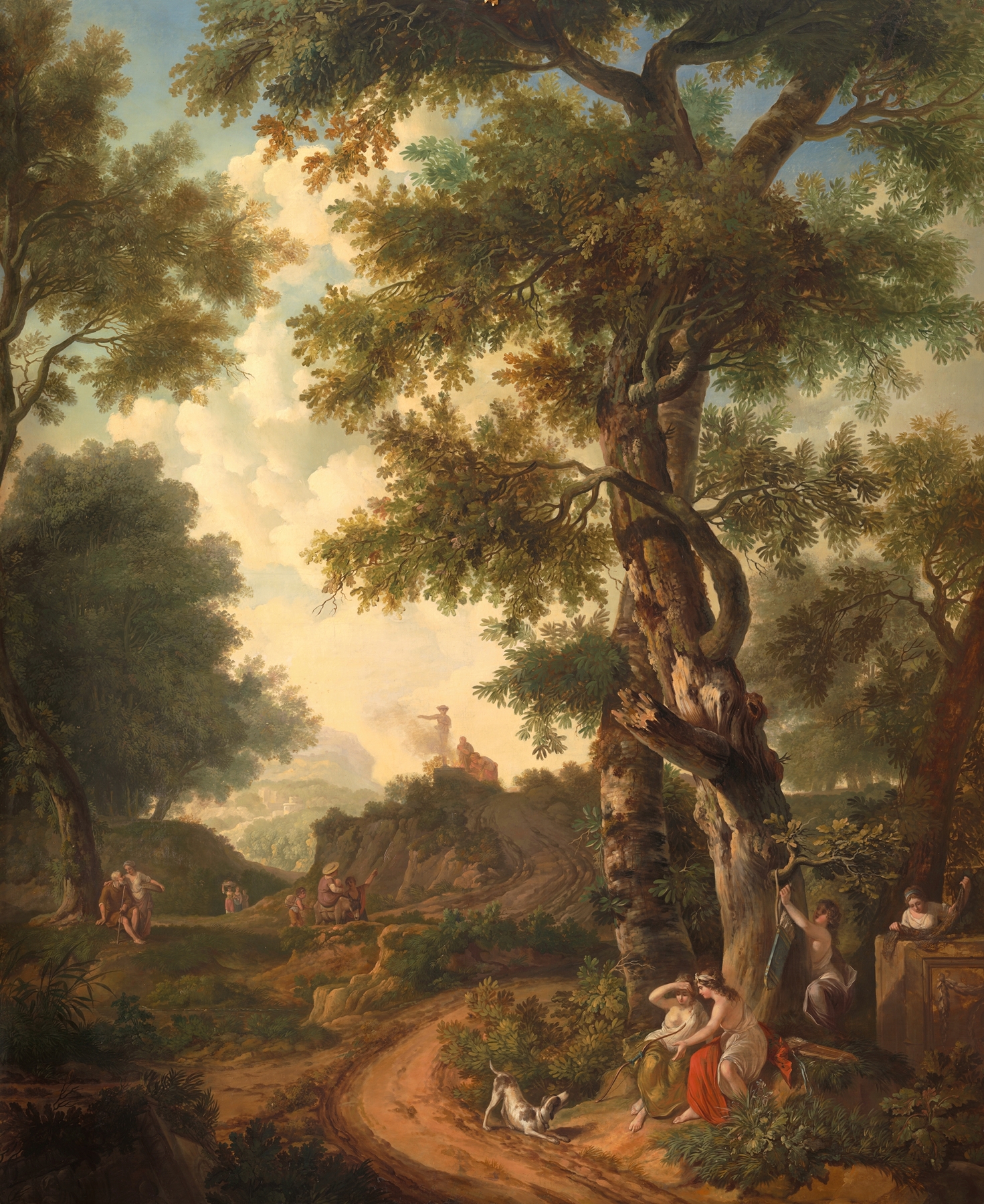
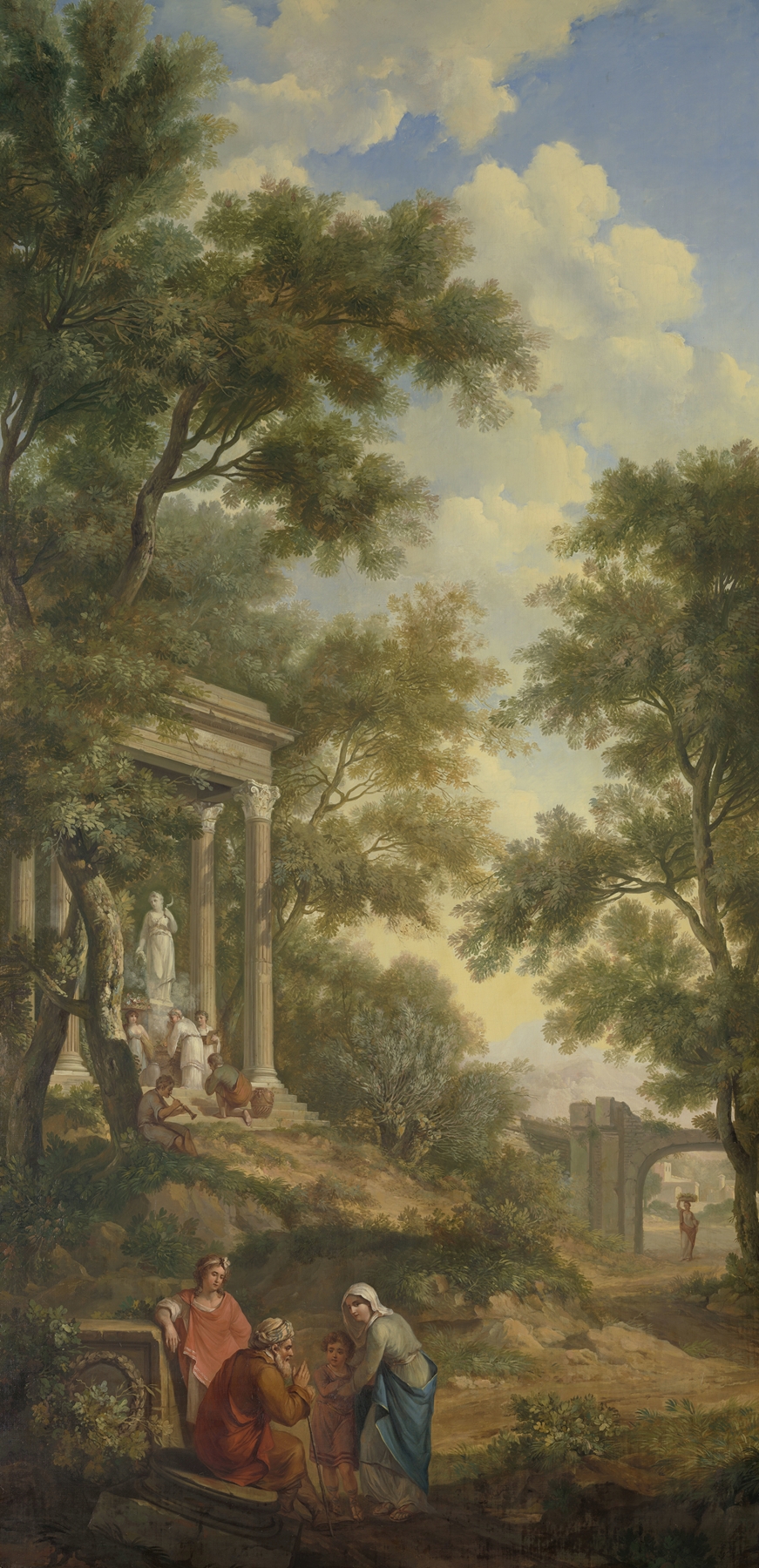
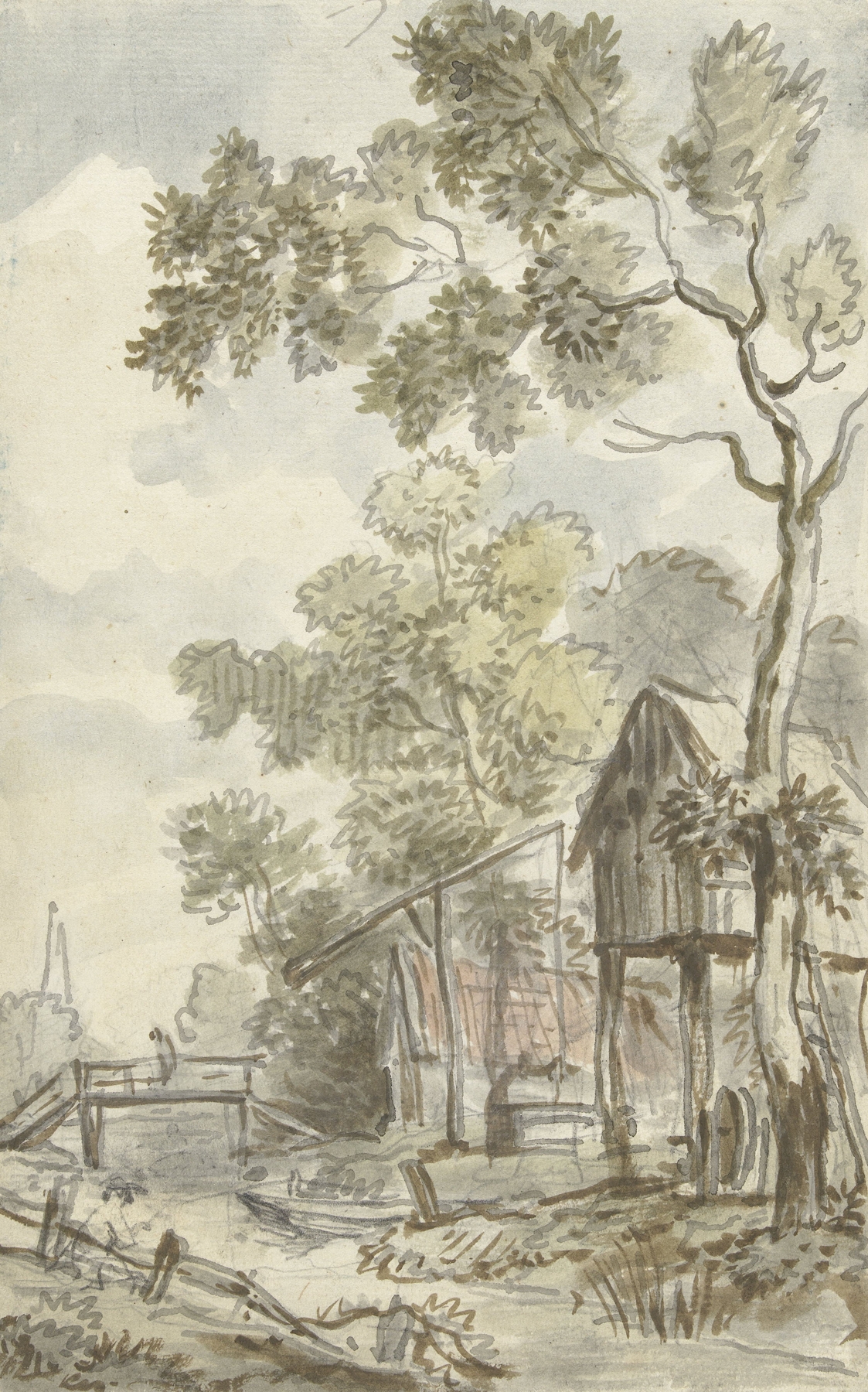
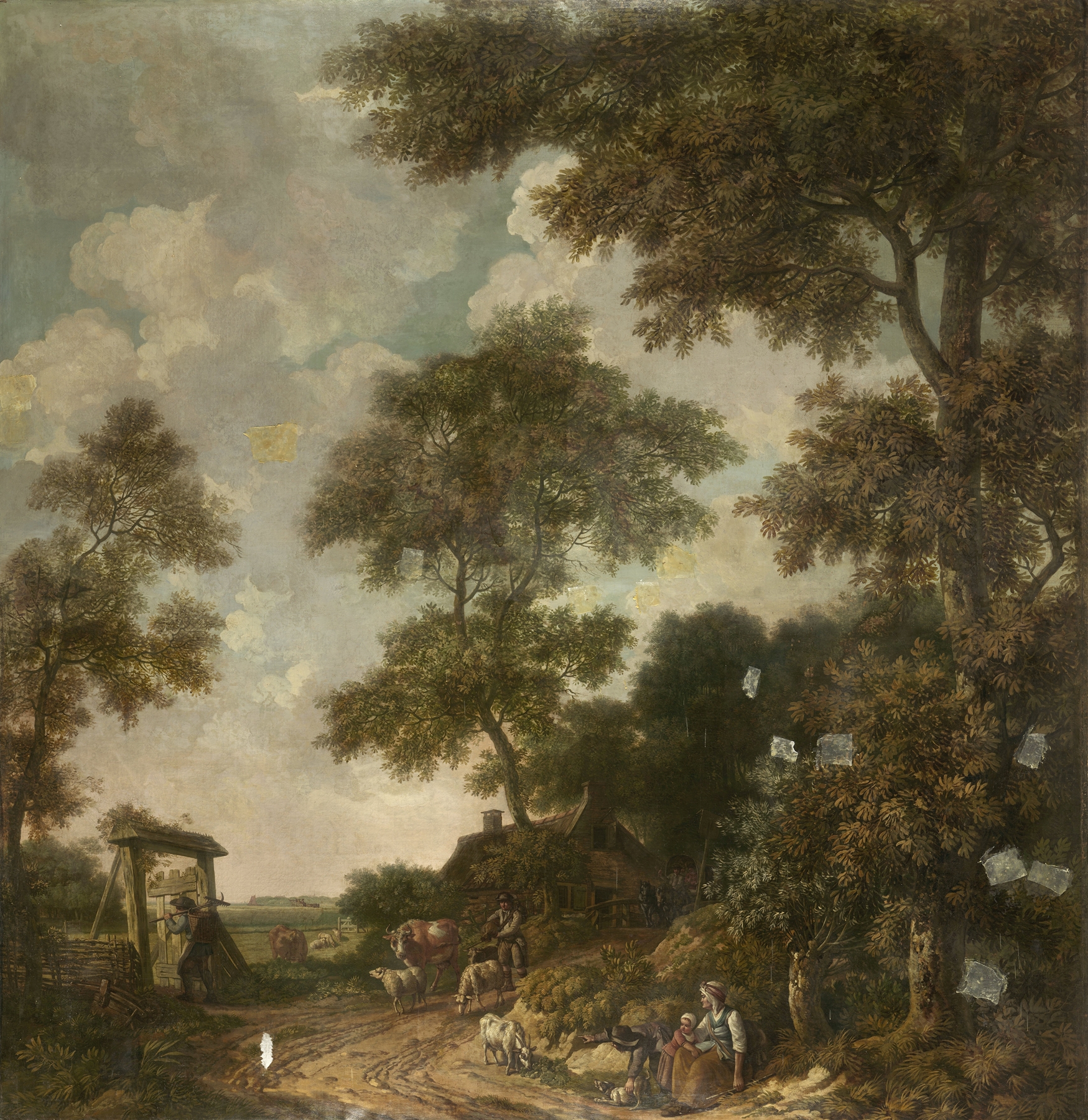
“Sometimes beauty is just pain, disguised in gold.” In the tranquil landscape before us, an illusion unfolds, where pastoral serenity dances with hidden tensions. Focus first on the expansive sky, painted with strokes of soft blues and radiant whites. The clouds, albeit idyllic, carry a weight that foreshadows the complexity of human existence below. Notice how the light cascades over the verdant fields, casting elongated shadows that lead your eye towards the scattered cattle, their forms grounding the ethereal nature of the scene.
The careful composition draws the viewer into a world that appears harmonious yet hints at deeper narratives just beneath the surface. As you delve deeper into the details, consider the juxtaposition of the lush landscape with the presence of the cattle. They symbolize not only pastoral beauty but also the burden of agricultural labor and the fragility of nature. The vibrant greens of the grass contrast starkly with the muted browns of the soil and animals, revealing the tension between life and toil.
Each element contributes to an uneasy balance, suggesting that even in the midst of beauty, there lies an undertone of struggle and illusion. Jurriaan Andriessen created this work during a period of considerable change in the art world, from 1752 to 1819, primarily in the Netherlands. As he painted, the transition towards Romanticism began to emerge, offering a new lens through which to view nature and humanity's relationship with it. This was a time marked by a burgeoning interest in landscape painting, where artists sought to capture not only the external world but the internal emotions it evokes.