Landweg langs muur met koepel — History & Analysis
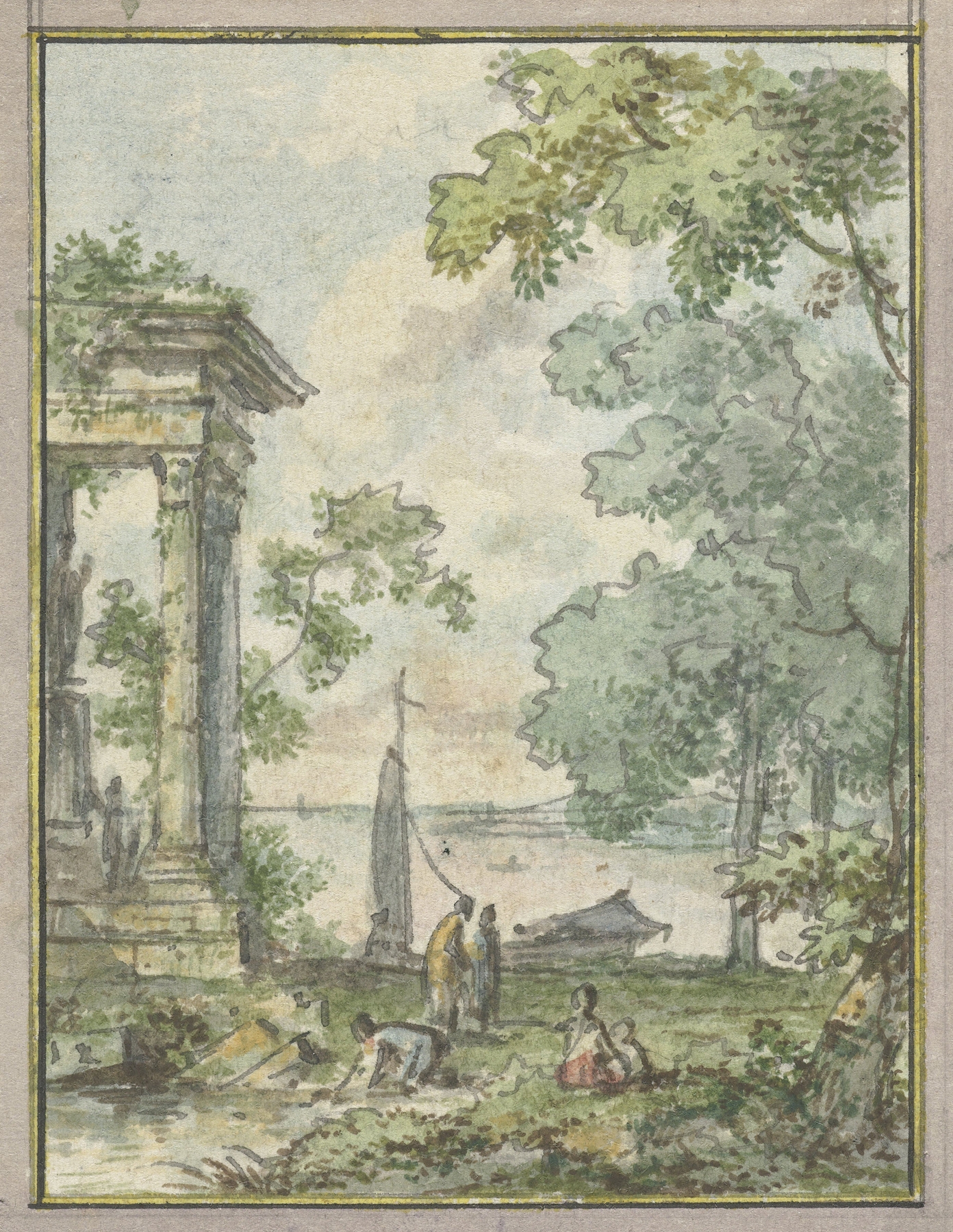
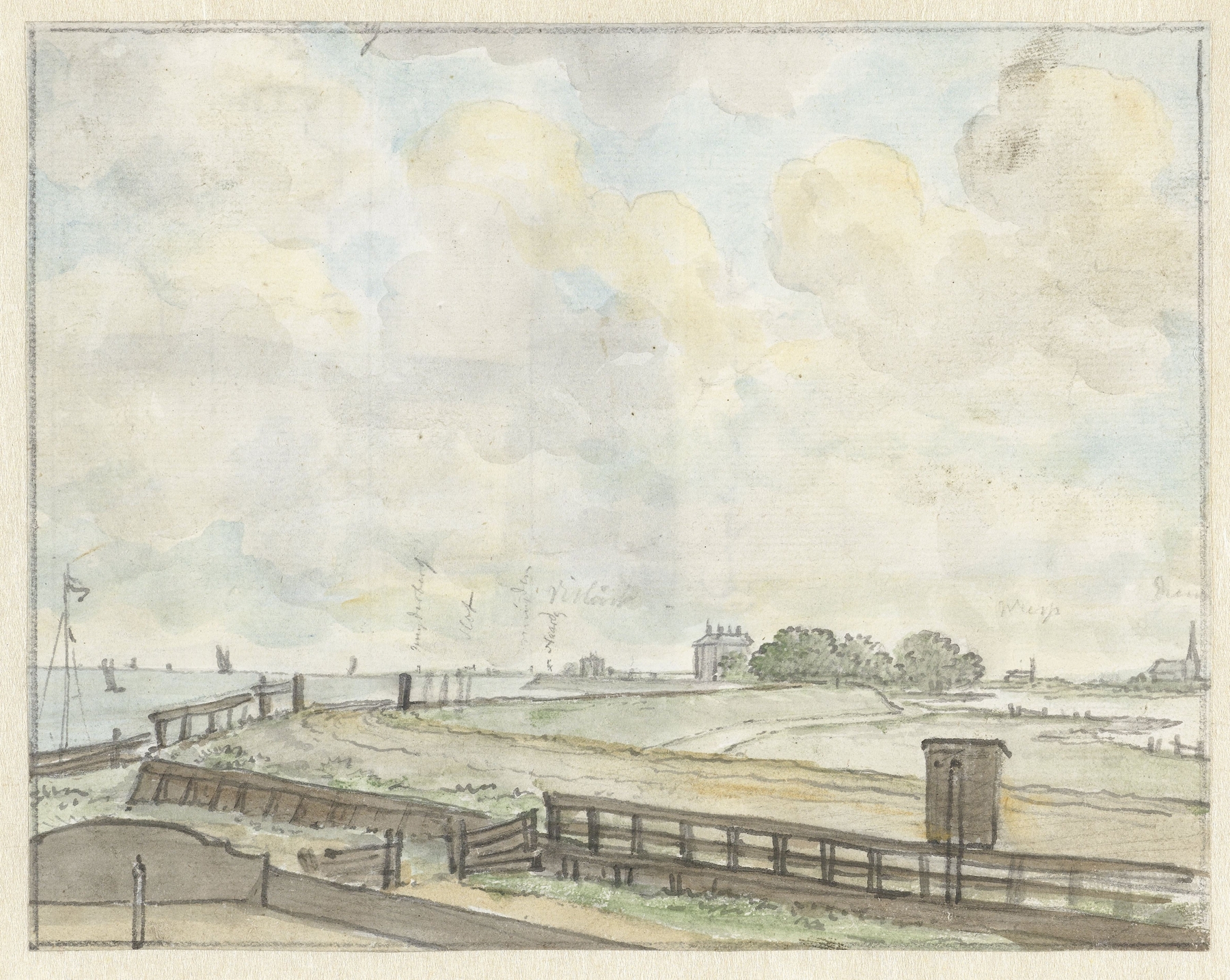
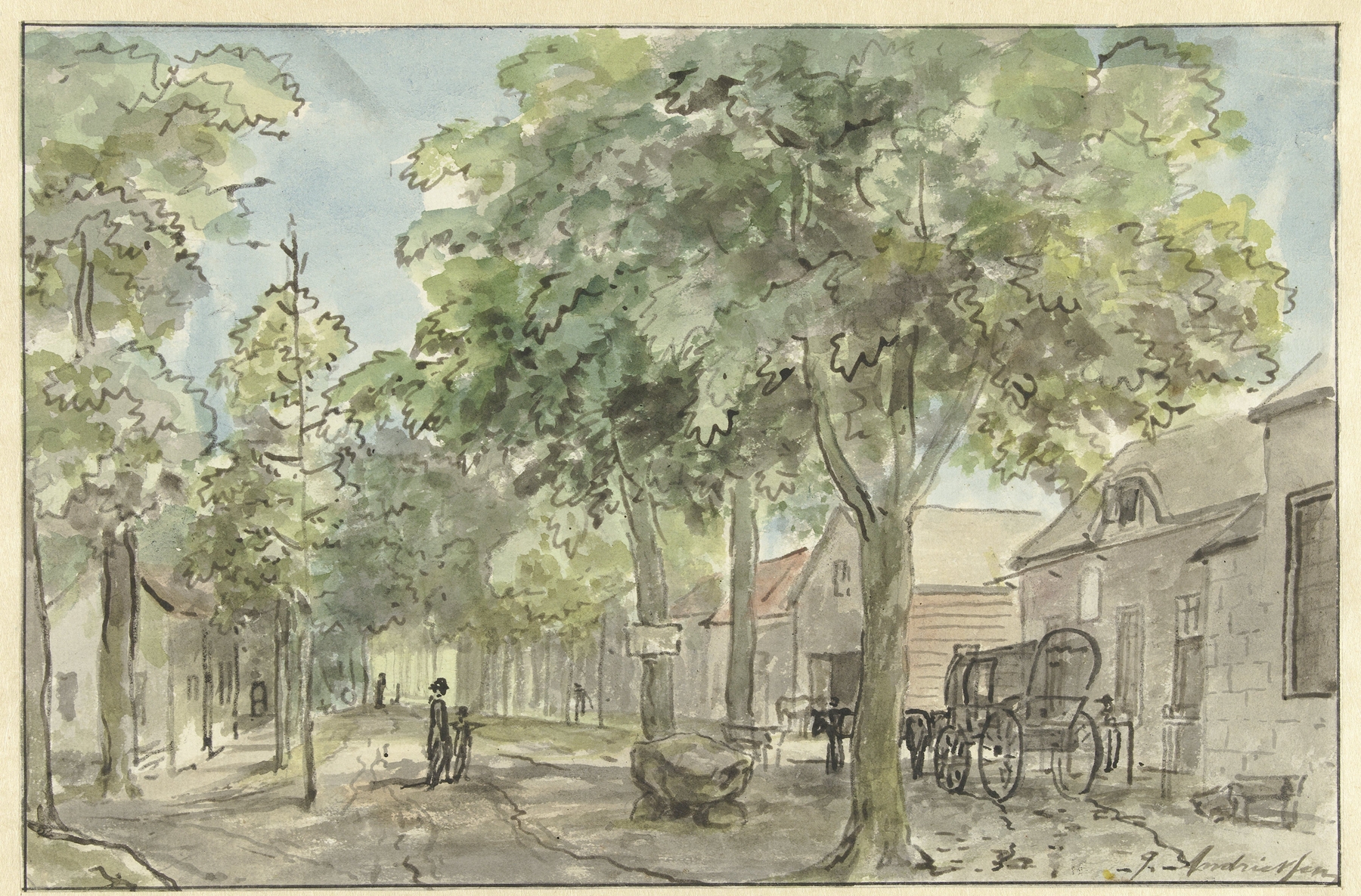
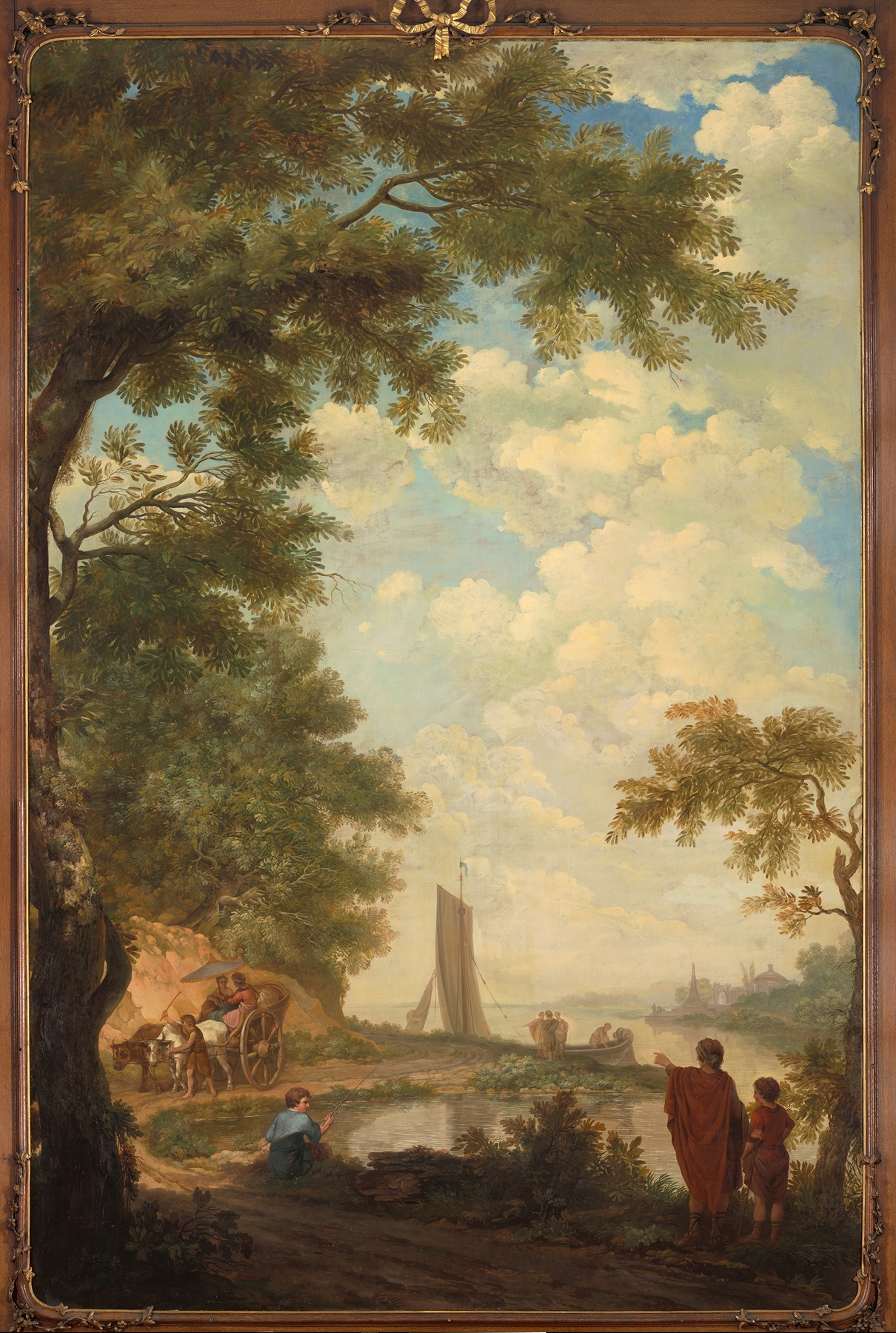
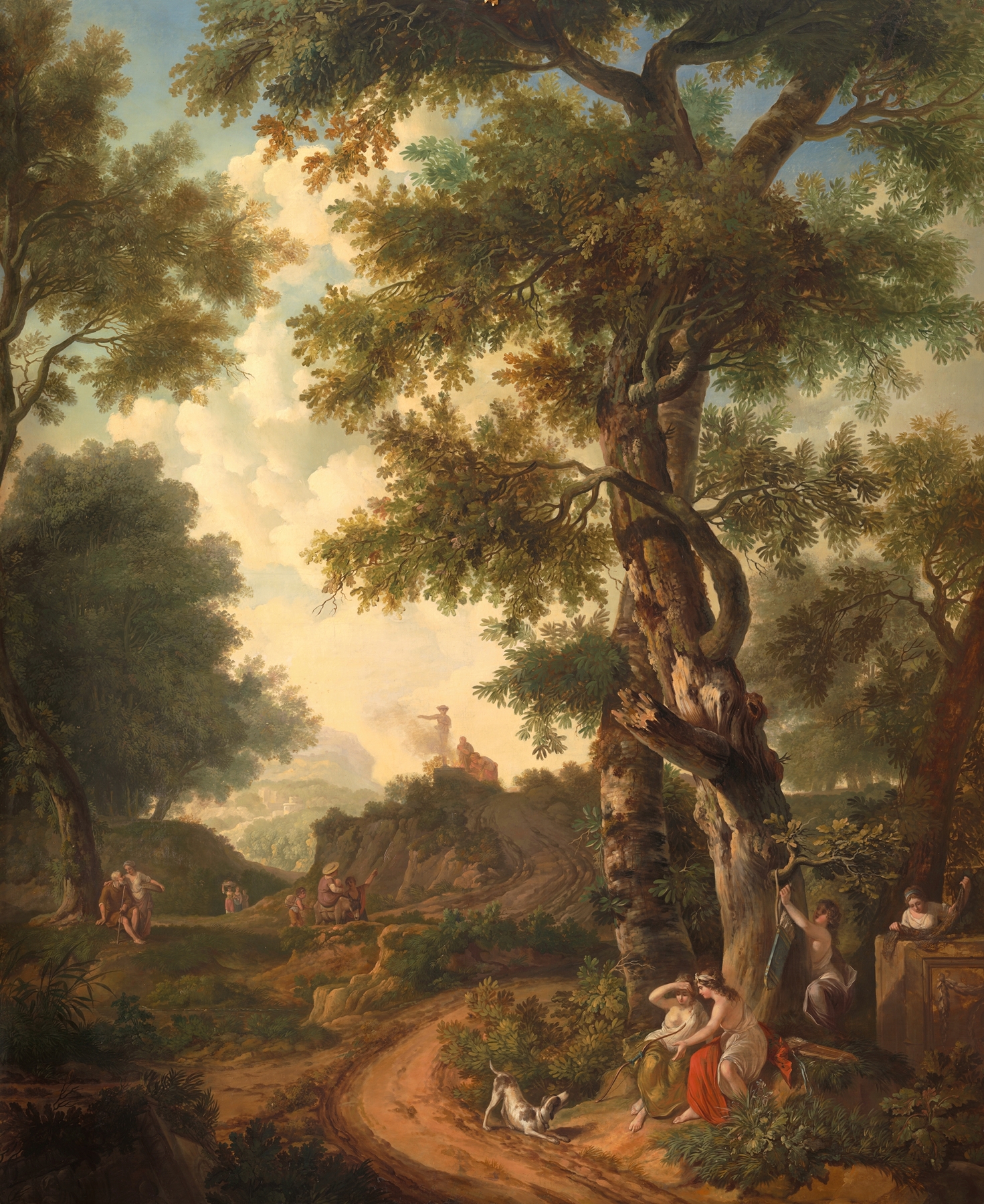
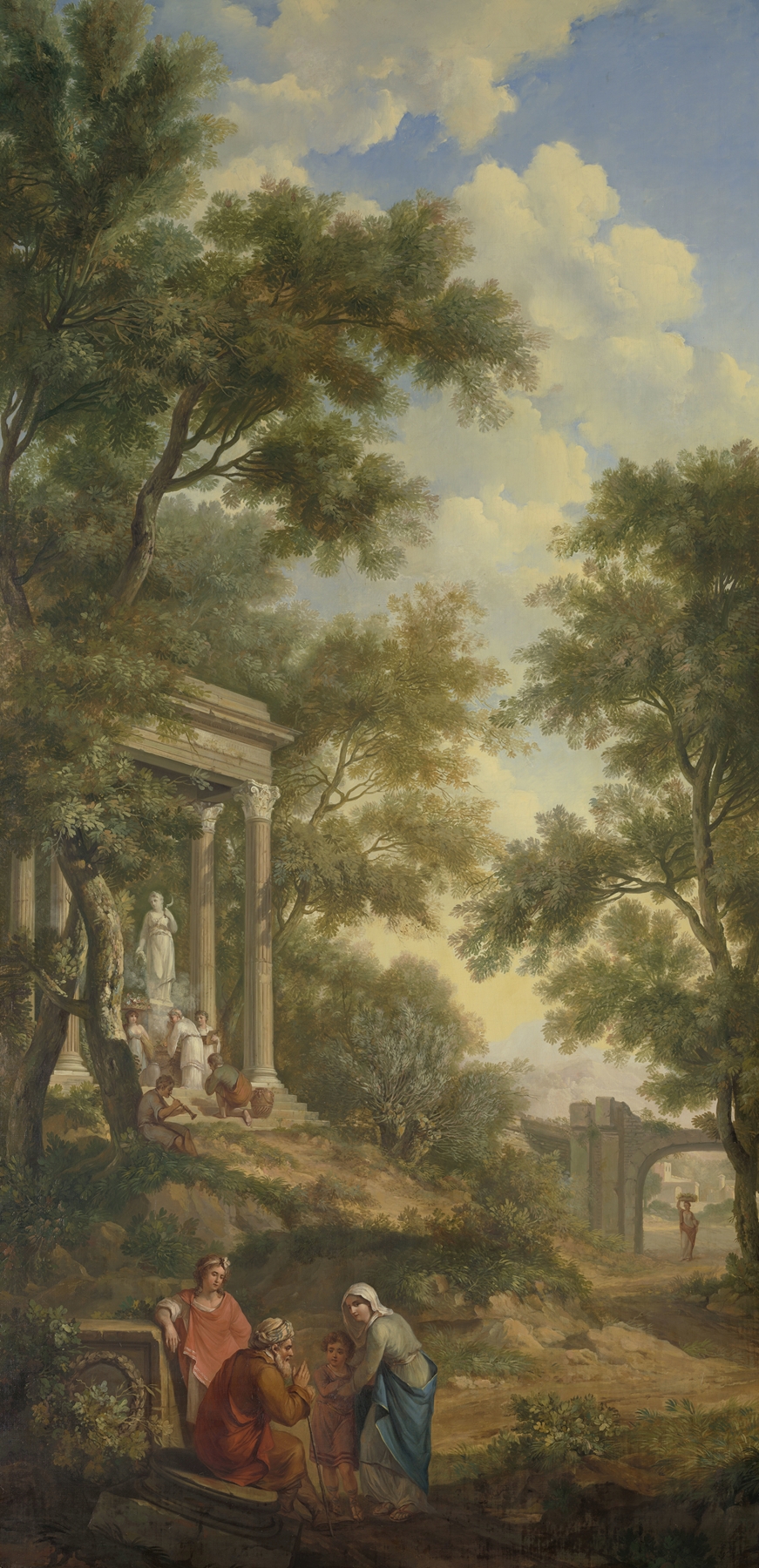
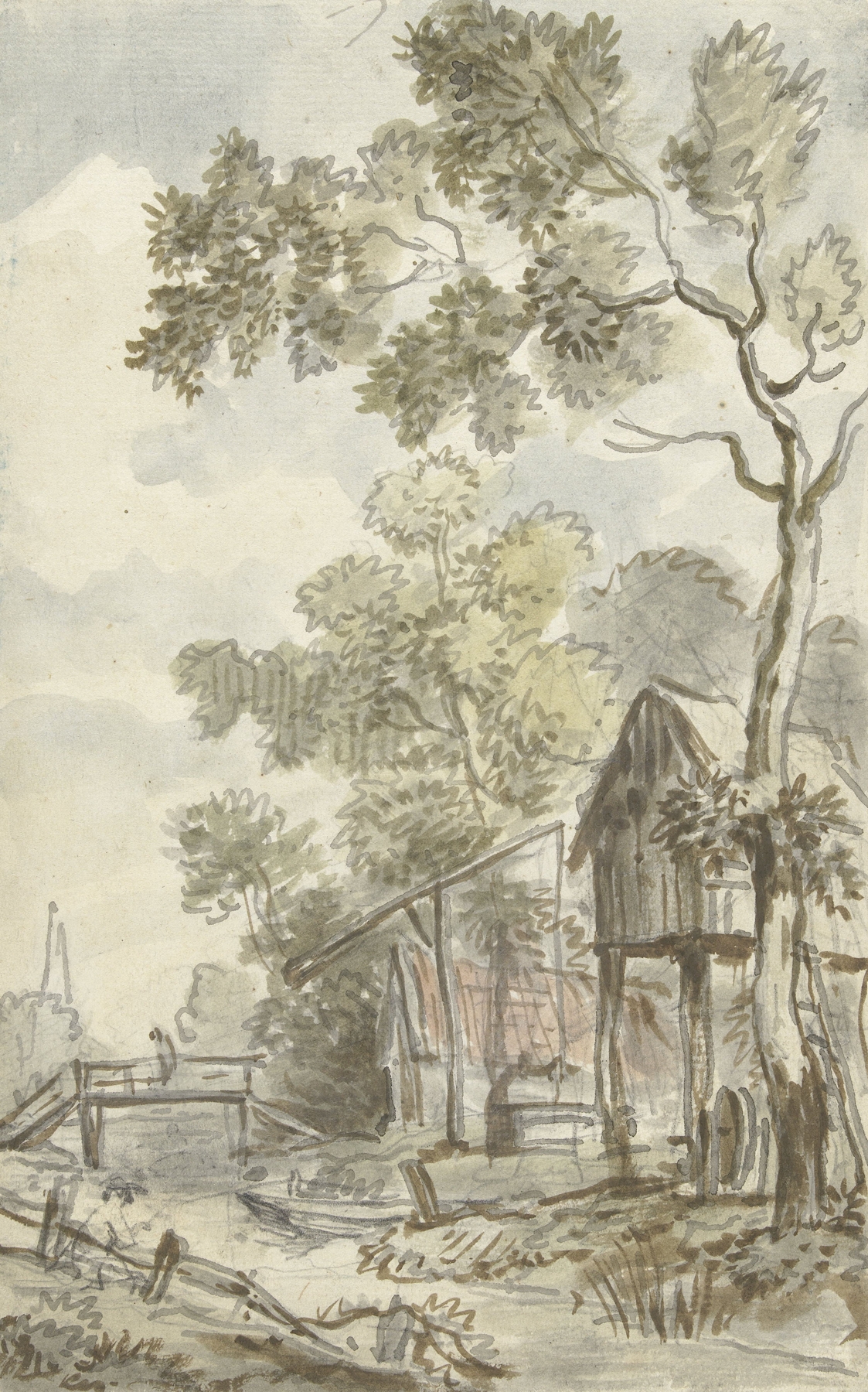
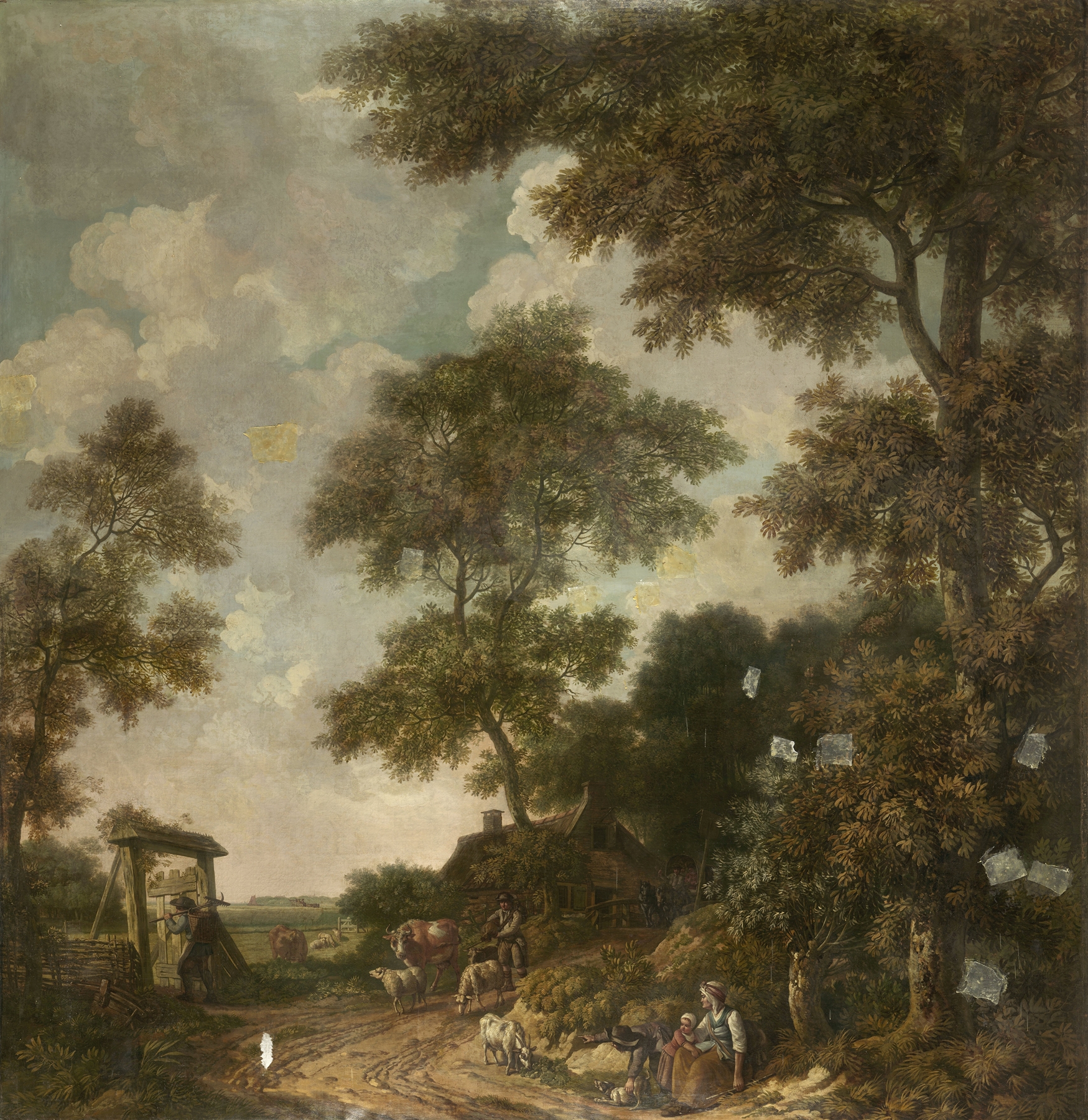
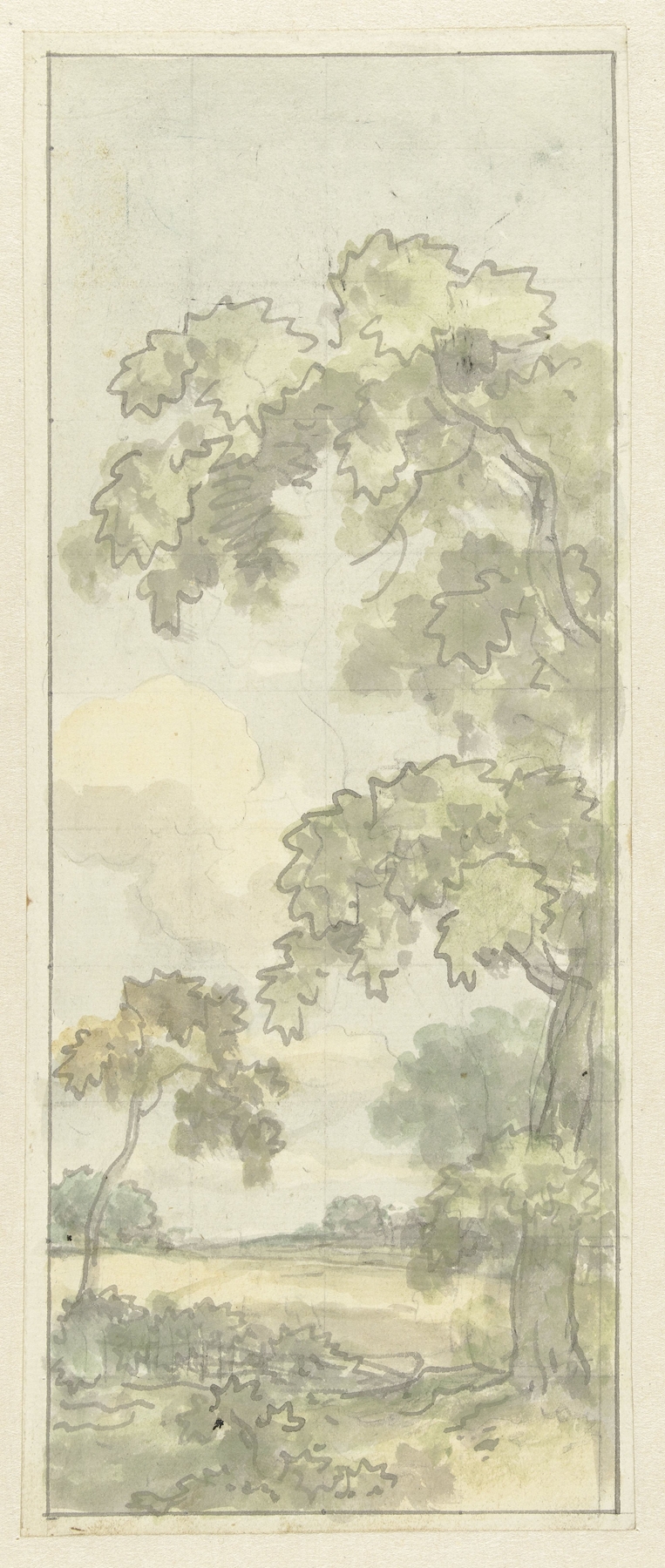
Could beauty survive in a century of chaos? Look closely at the serene pathway winding along the ancient wall, where delicate brushstrokes suggest a story held within the shadows. Notice how the muted earth tones juxtapose the tranquil sky, inviting a contemplative gaze. The dome looms overhead, majestic yet imposing, its architectural grandeur softened by the surrounding greenery, creating a striking tension between nature and man-made structures.
As you observe, the hidden meanings begin to unfold—the pathway represents a journey through uncertainty, shadowed by the looming wall that could symbolize societal constraints or the fear of isolation. The delicate interplay of light and shade conveys a sense of fragility, hinting at the vulnerability of beauty amid chaos. The dome’s silent watch over the landscape evokes an air of nostalgia, as if reminiscing about a past that teeters on the edge of memory and oblivion.
Jurriaan Andriessen created this artwork during a time when Europe grappled with transformation, as political upheaval and artistic innovation began to reshape the landscape. Painted between 1752 and 1819, it mirrors the tensions of a world in flux, where the ideals of beauty and order were constantly challenged. As a prominent figure in the Dutch neoclassical movement, Andriessen's work reflects his struggle to find harmony amidst the disarray of his era.