Le Puy-En-Velay, Ciel D’orage — History & Analysis
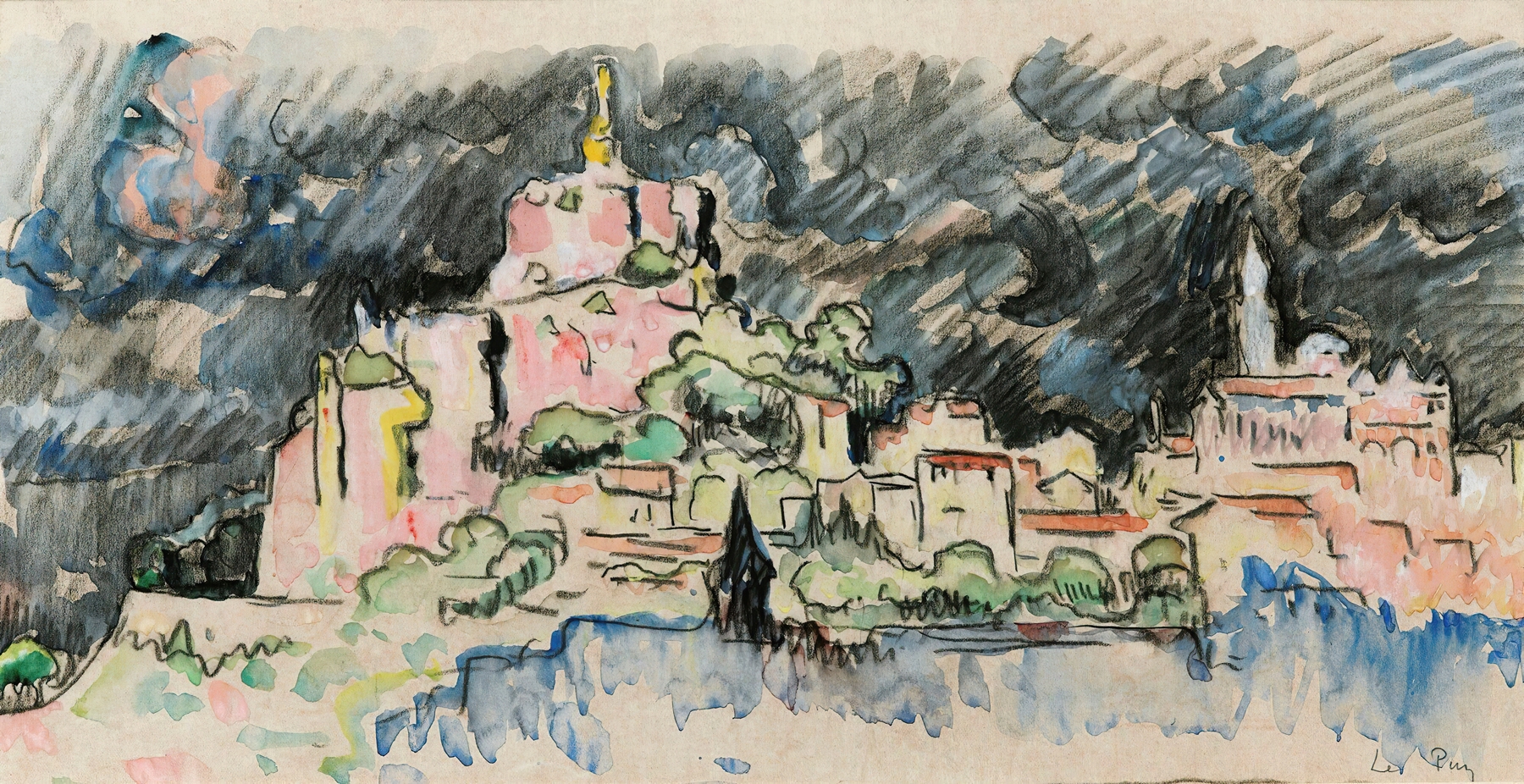
Can paint confess what words never could? In Le Puy-En-Velay, Ciel D’orage, a tempest brews not just in the sky but within the very heart of desire. The swirling clouds, thick with tension, seem to pulse with unspoken longings, evoking a profound emotional landscape that transcends mere representation. Look to the left, where the dark, stormy sky looms, its vibrant blues and grays contrasting sharply with the soft hues of the landscape below.
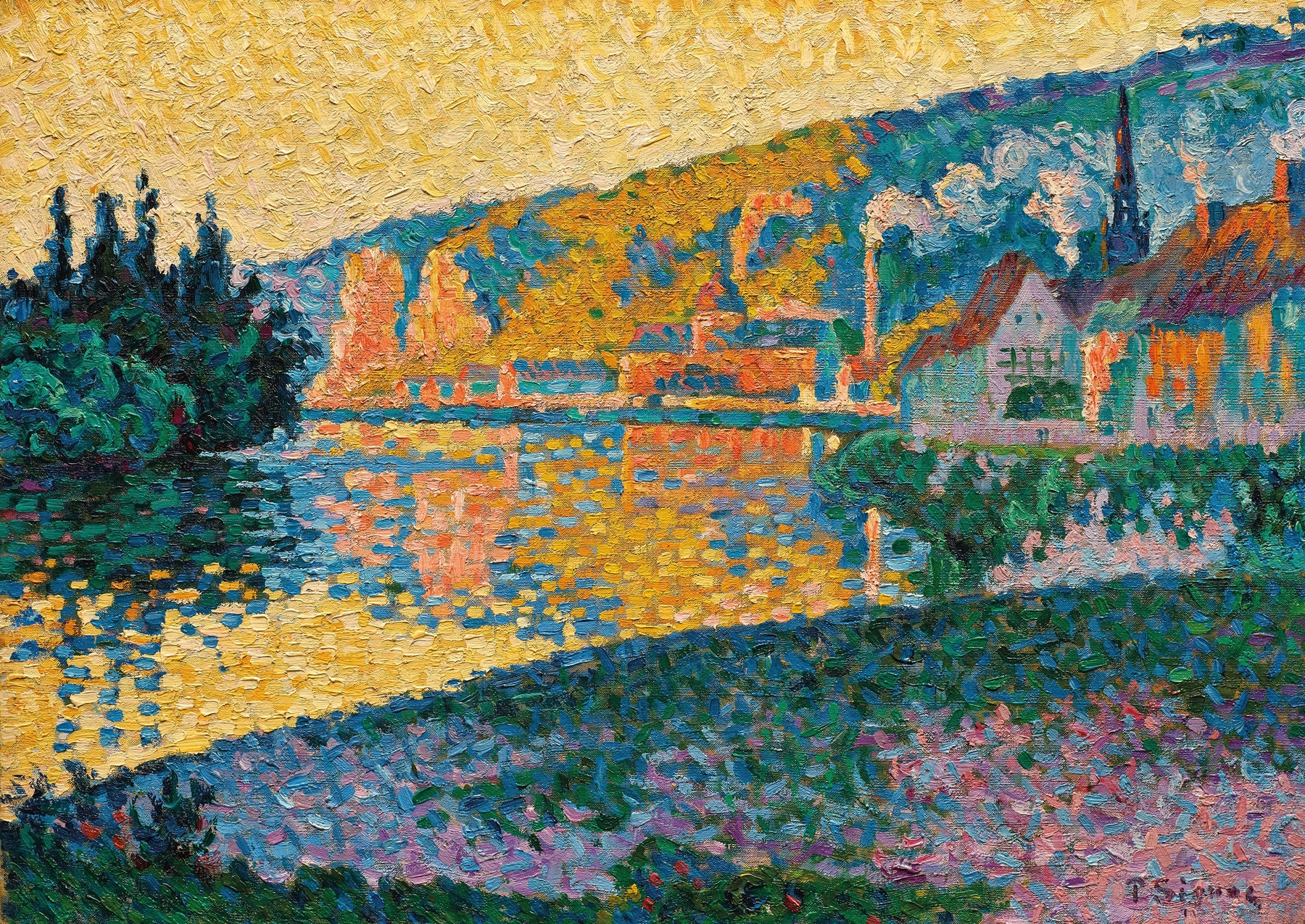
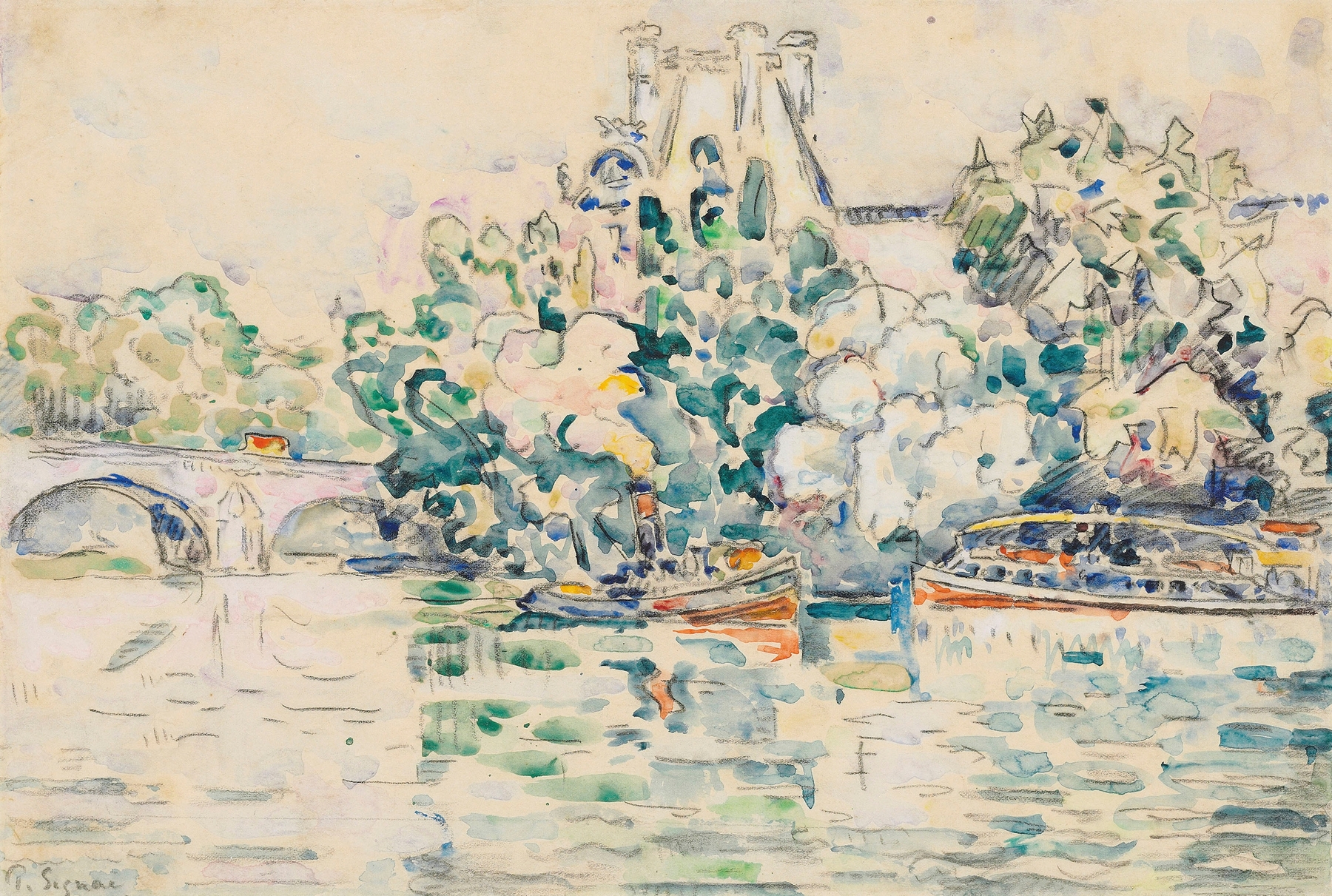
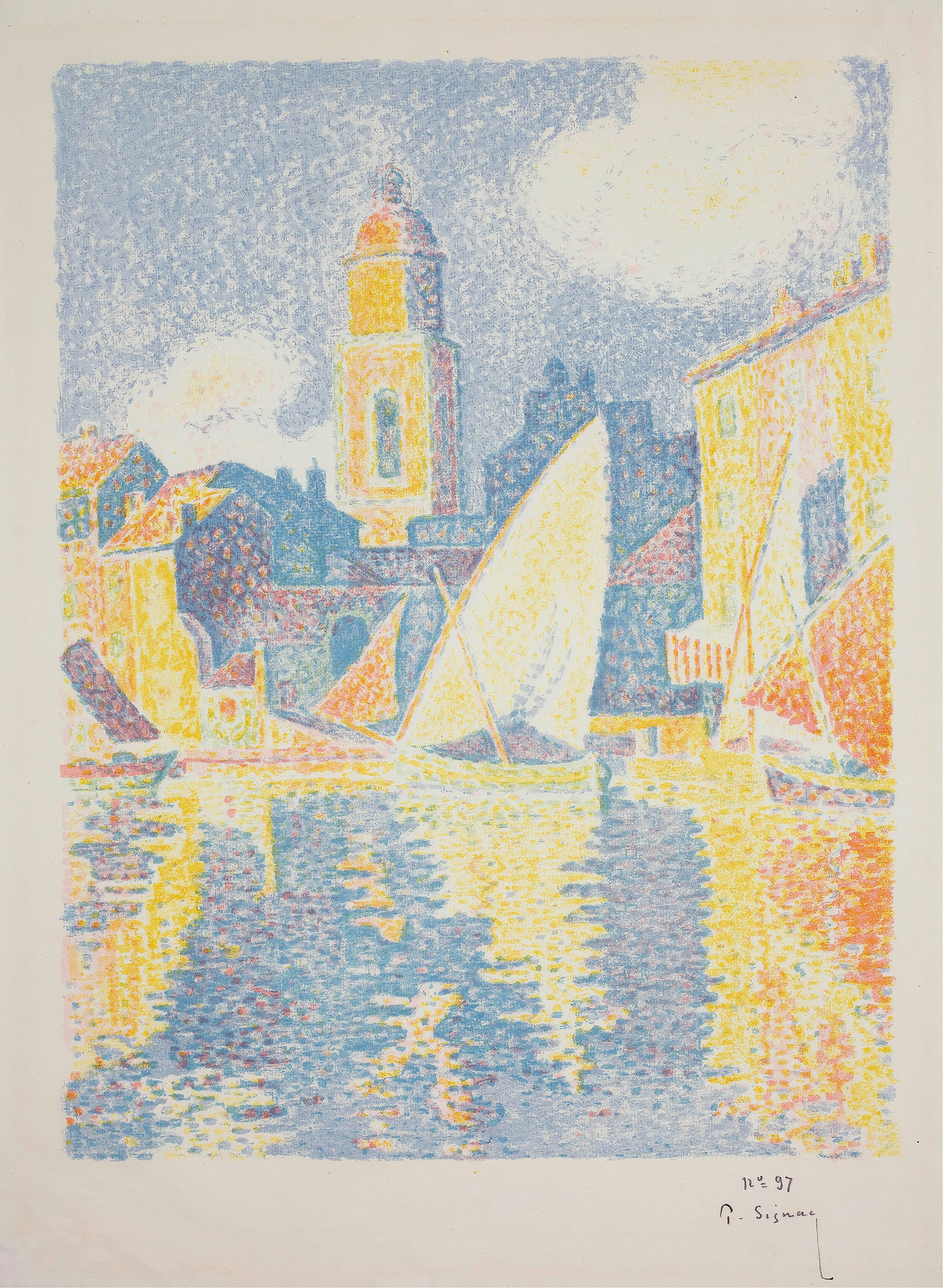
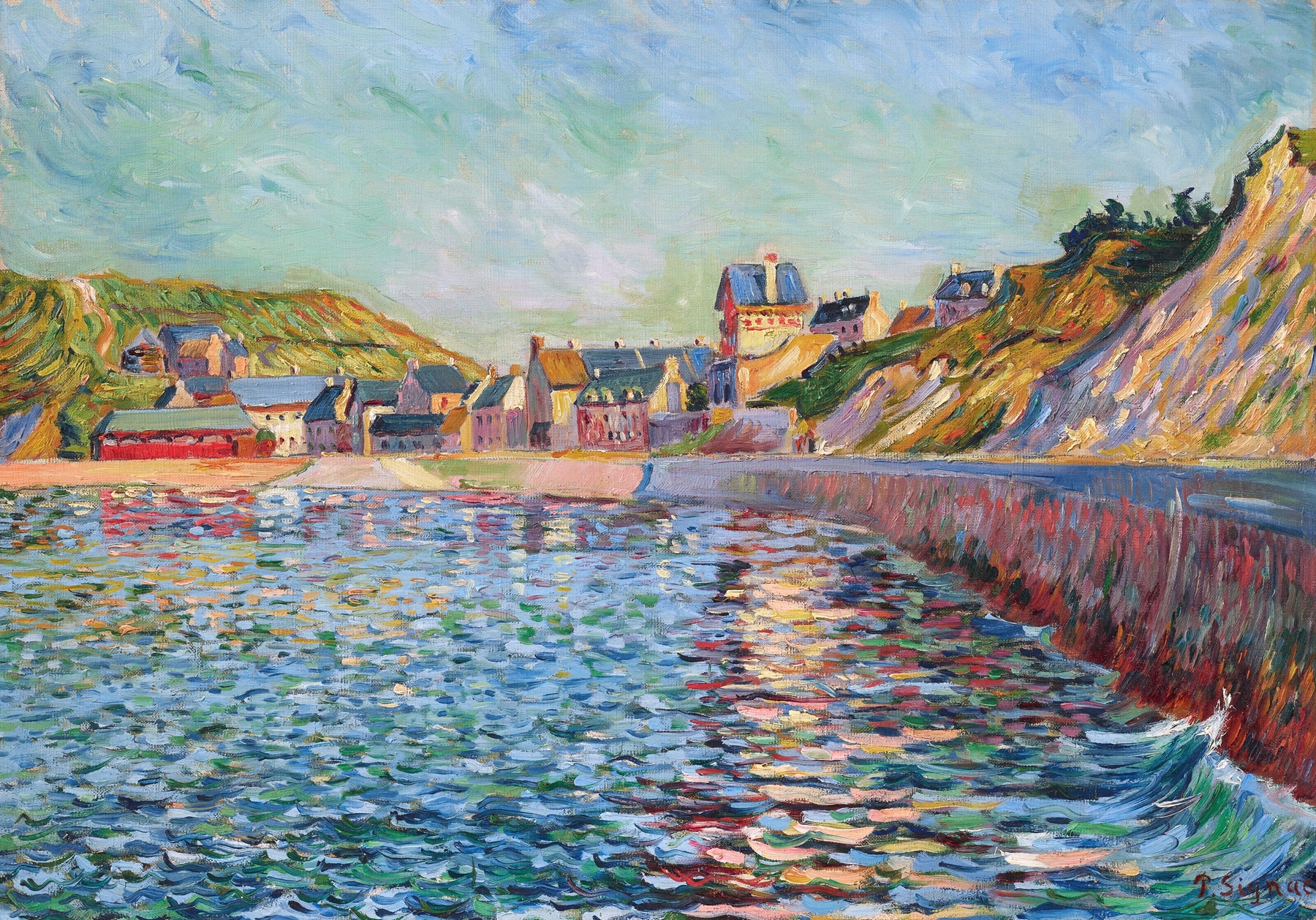
Notice how the dappled light breaks through, illuminating patches of the fields and quaint buildings, inviting your gaze to wander over the textured brushstrokes that pulse with energy. The artist utilizes pointillism, layering tiny dots of color to create depth and movement, infusing the canvass with a rhythm that echoes both nature's chaos and beauty. In this artwork, the interplay of light and shadow creates a tension between hope and foreboding. The impending storm not only suggests turmoil but also evokes the anticipation of transformation.
The juxtaposition of tranquil fields with the menacing sky speaks to the duality of human desire—an eagerness for change, yet a fear of what that change may bring. Each flicker of light and dark embodies an emotional conflict that resonates deeply within the viewer. During this period, Paul Signac was immersed in the post-Impressionist movement, developing his unique approach to color and form. Painted in the late 19th century, this work reflects both his personal artistic evolution and the broader shifts in the world around him, with emerging modernist sentiments beginning to challenge traditional artistic conventions.