
The Port of St. Tropez — History & Facts
What if silence could speak through light? In Paul Signac's The Port of St. Tropez, shimmering reflections dance upon the water's surface, whispering stories of a tranquil yet vibrant seaside locale. Focus first on the brilliant azure hues that dominate the canvas, guiding your gaze toward the horizon where the sea meets the sky. Notice how meticulously applied dabs of color conjure the rippling waves, while the boats bob gently in the harbor, their hulls painted with lively strokes of red and yellow.
The composition expertly balances the vibrant palette with an airy luminosity, inviting you to linger and absorb the peaceful scene. Yet beneath the surface beauty lies a tension between stillness and movement. The bright boats are not merely vessels; they symbolize fleeting moments of leisure amidst the bustling life of a port. Observe how the interplay of light and shadow creates a sense of depth, evoking the passage of time as the day wanes.
Each reflection captures an ephemeral quality, suggesting that this idyllic harbor is ever-changing, like the seasons of life. In the late 1890s, Signac was immersed in the Neo-Impressionist movement, exploring color theory and the divisionist technique that defined his work. Painted during a period of personal and artistic exploration, The Port of St. Tropez reflects both the serenity of his surroundings and the dynamic shifts occurring in the art world, as artists began to embrace new ways of perceiving and portraying their environments.
More Artworks by Paul Signac
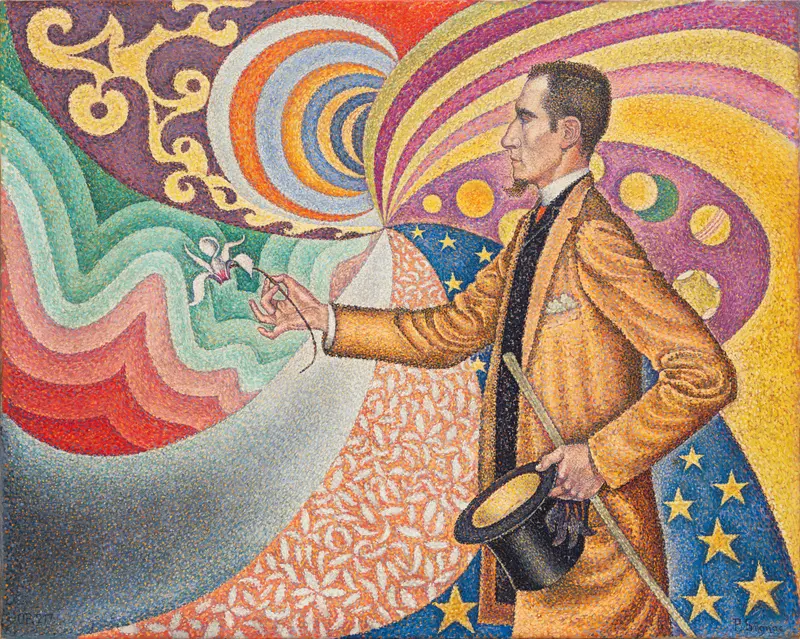
Portrait of Félix Fénéon (Opus 217)
Paul Signac
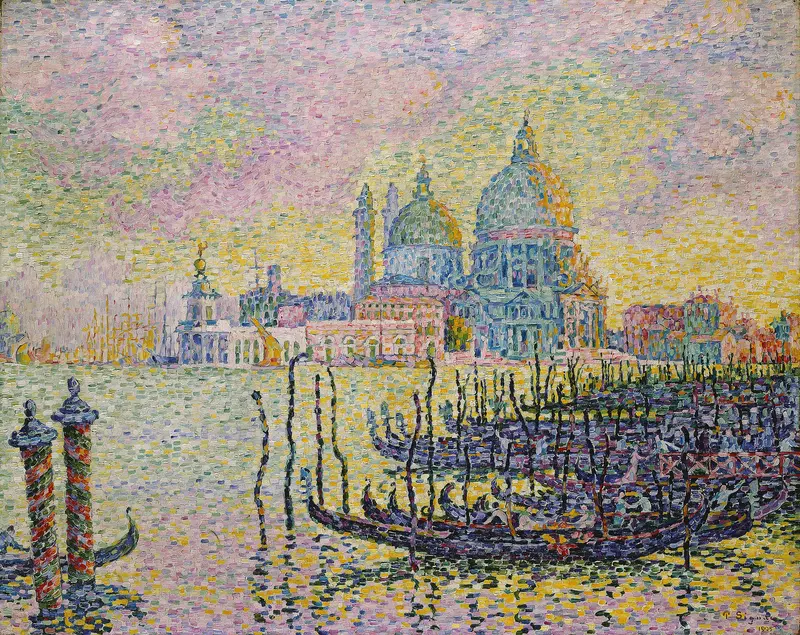
Entrance to the Grand Canal, Venice
Paul Signac
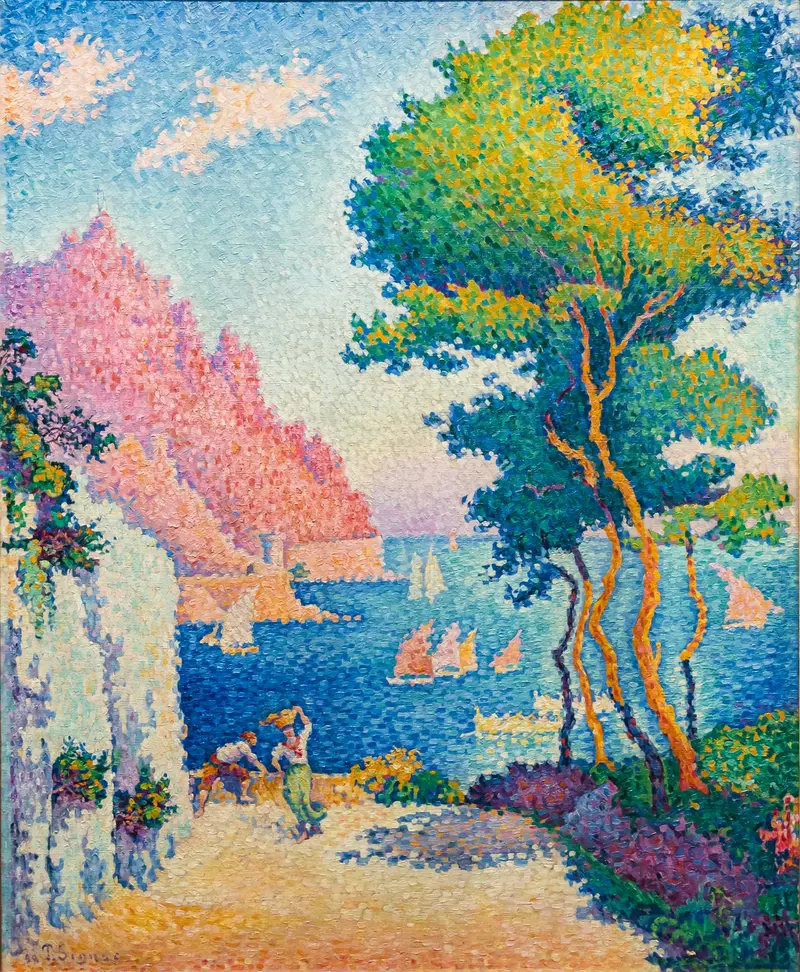
Capo di Noli, near Genoa
Paul Signac

Les Andelys. Soleil couchant
Paul Signac

Saint-Tropez, le port
Paul Signac
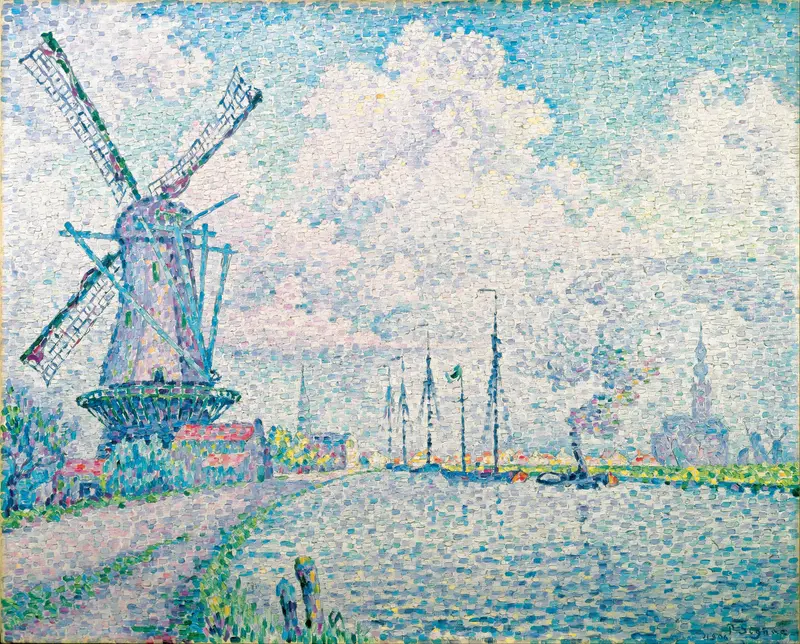
Canal of Overschie
Paul Signac
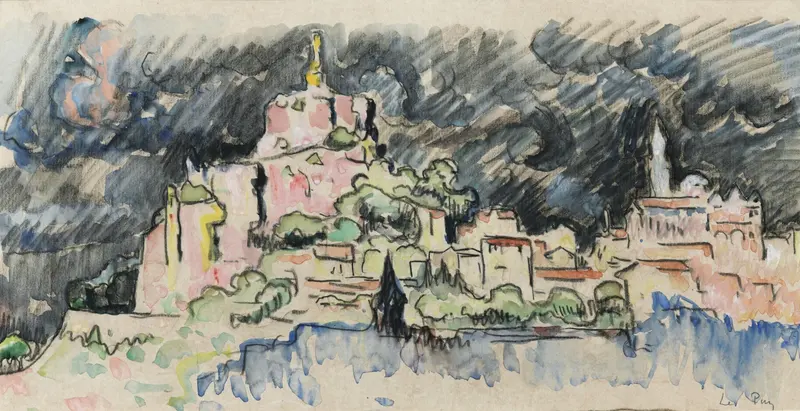
Le Puy-En-Velay, Ciel D’orage
Paul Signac
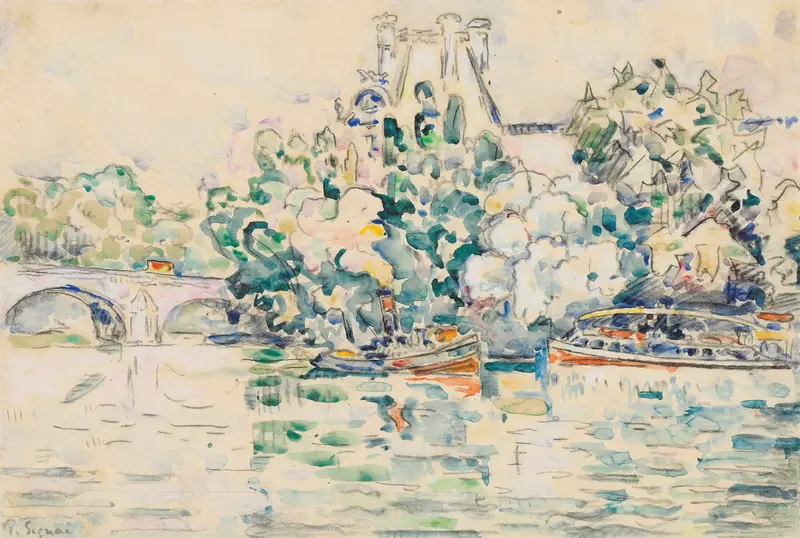
Paris, La Seine au Pont-Royal
Paul Signac
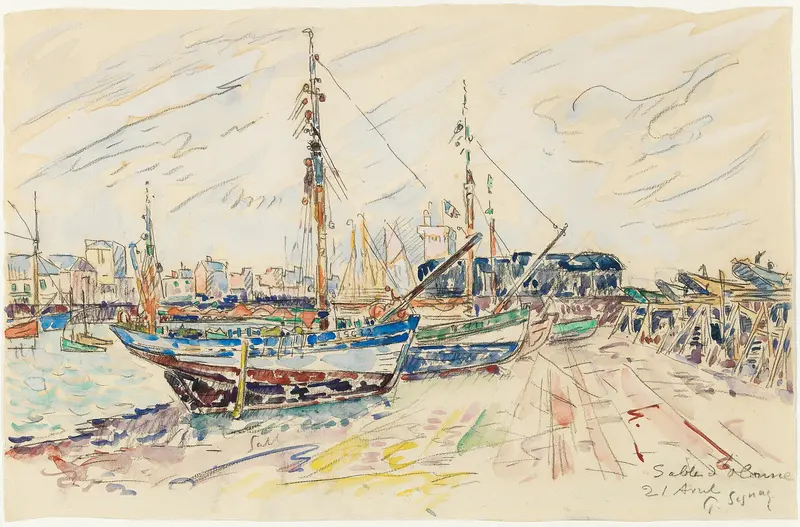
Sables d’Olonne
Paul Signac
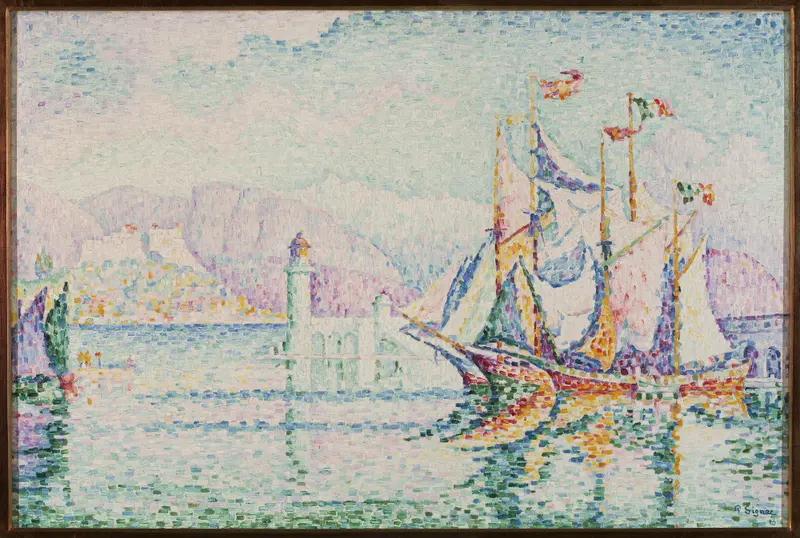
Antibes – Morning
Paul Signac





