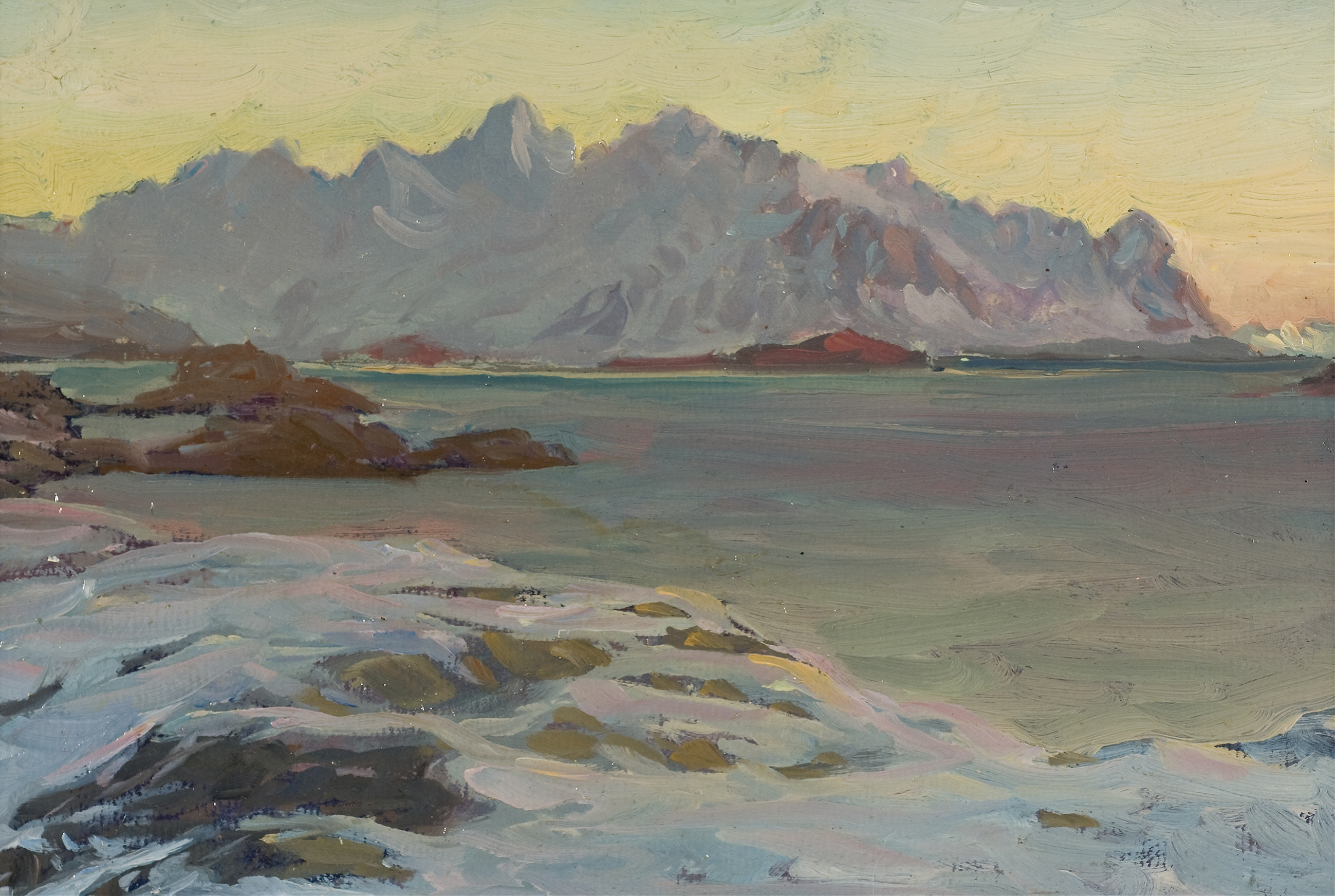
Lofoten in the Evening Light. Study — History & Analysis
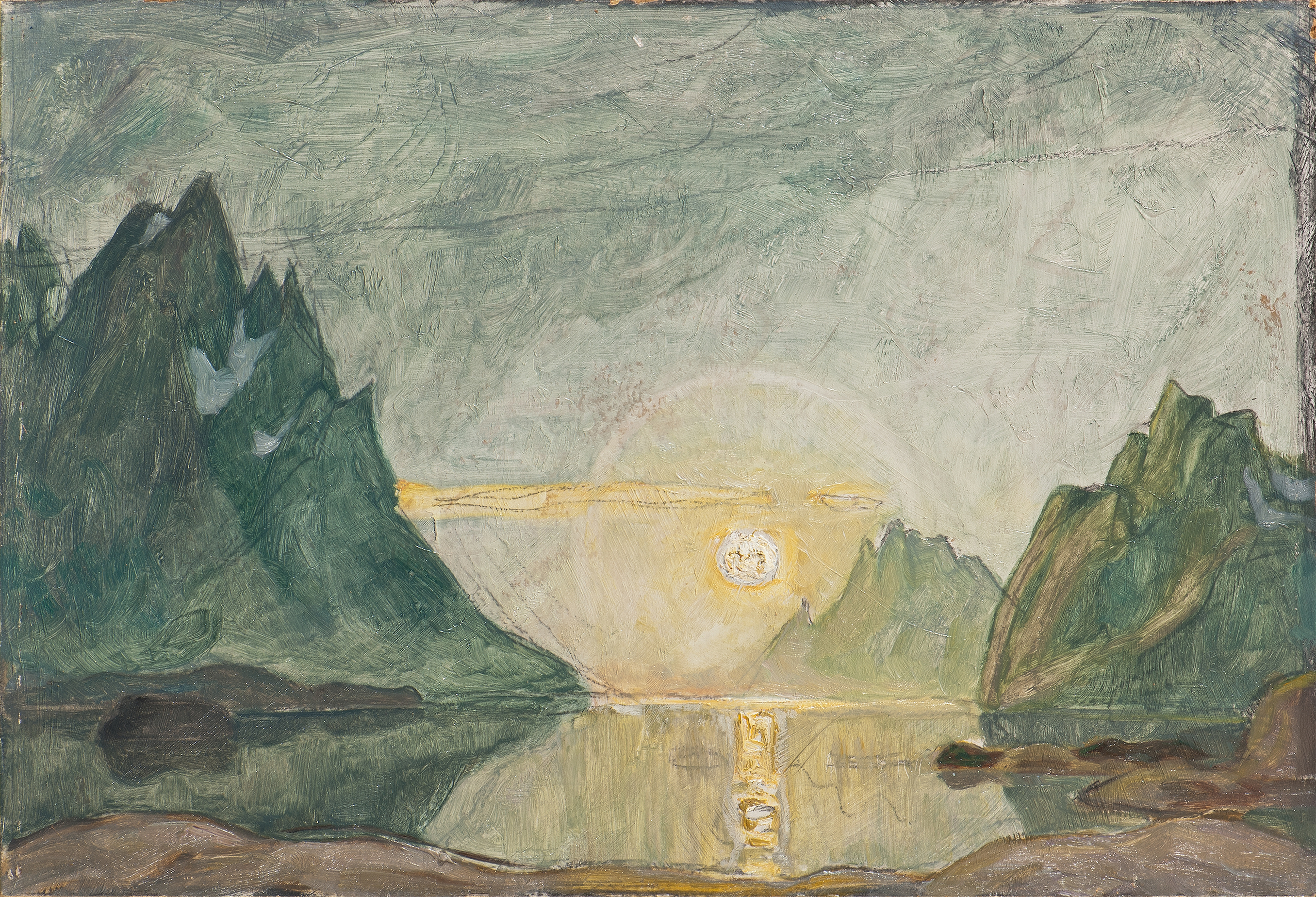
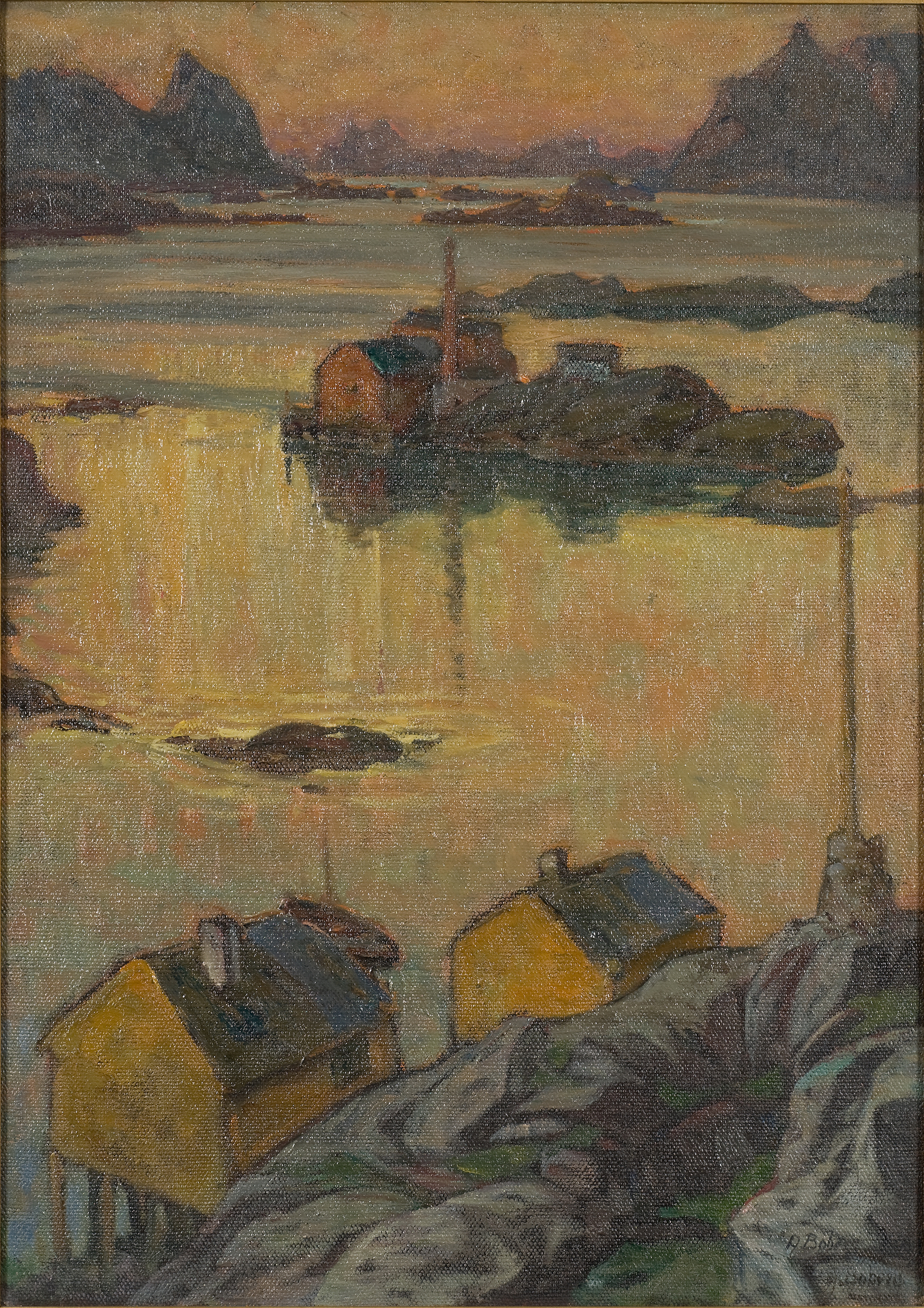
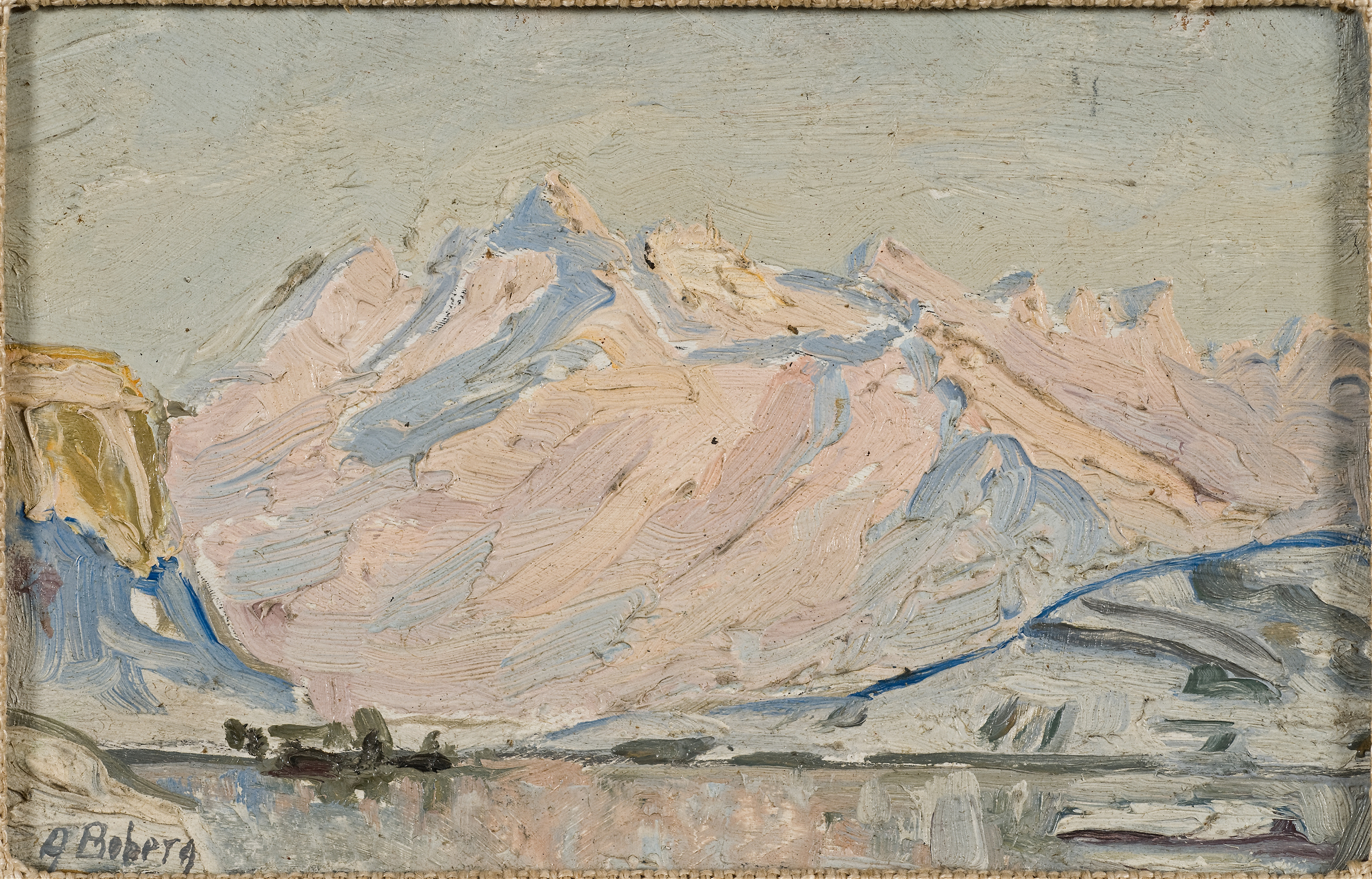
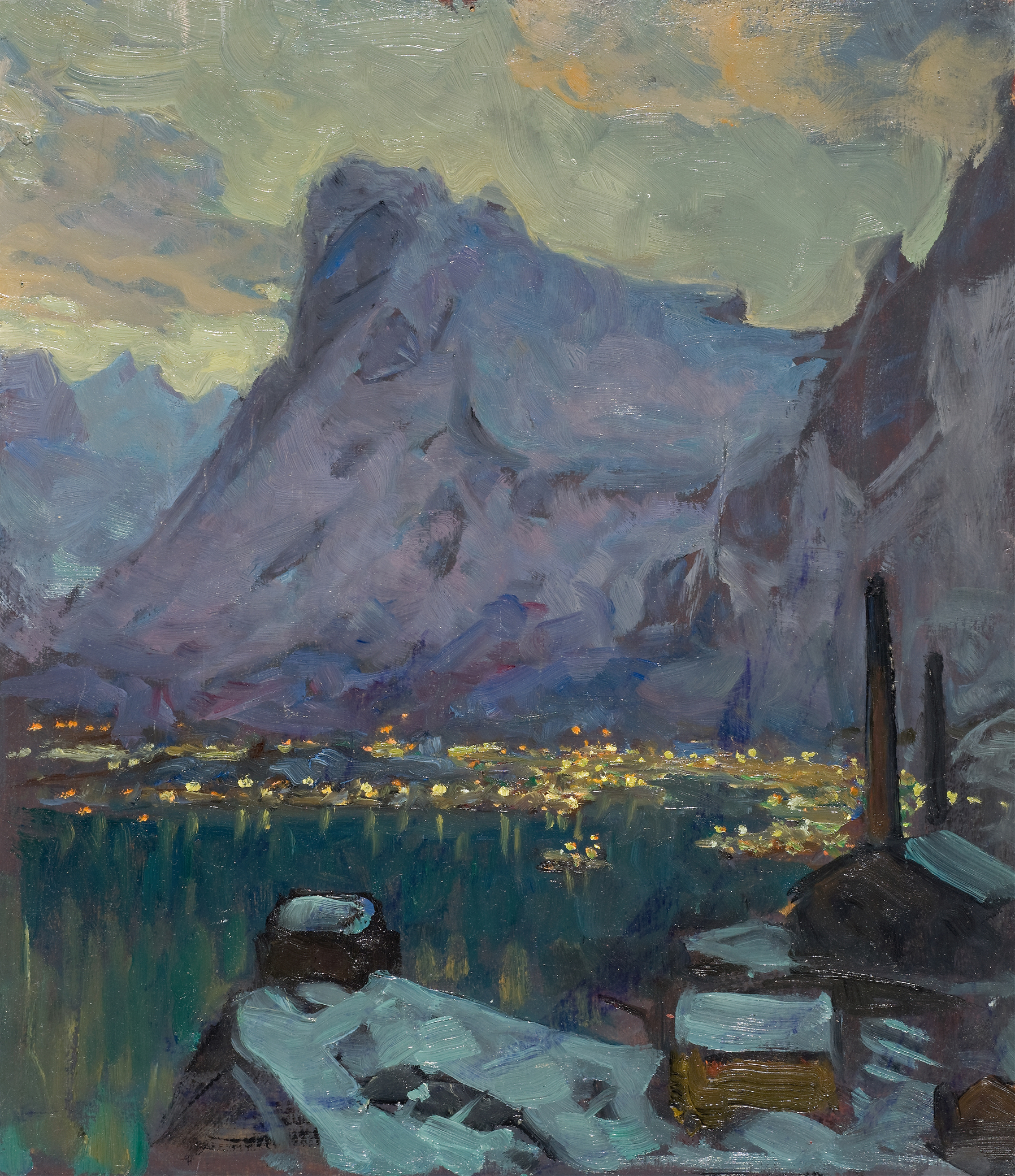
Can paint confess what words never could? The vibrant hues and soft textures in this study evoke an awakening that transcends mere description, inviting viewers to feel rather than simply see. Look to the center, where the sunset spills across the horizon, igniting the water with streaks of orange and pink. The gentle undulation of the waves mirrors the sky, creating a seamless connection between earth and atmosphere. Notice how the light dances across the rugged peaks, casting sharp shadows that convey both solitude and grandeur.
The brushwork, expressive yet refined, suggests a fleeting moment, a whisper of the ephemeral beauty of twilight. As you absorb the scene, consider the interplay between warmth and coolness in the color palette. The fiery sky contrasts with the deep blues of the sea, symbolizing the tension between day and night. The solidity of the mountains stands firm against the transient colors, representing resilience in the face of change.
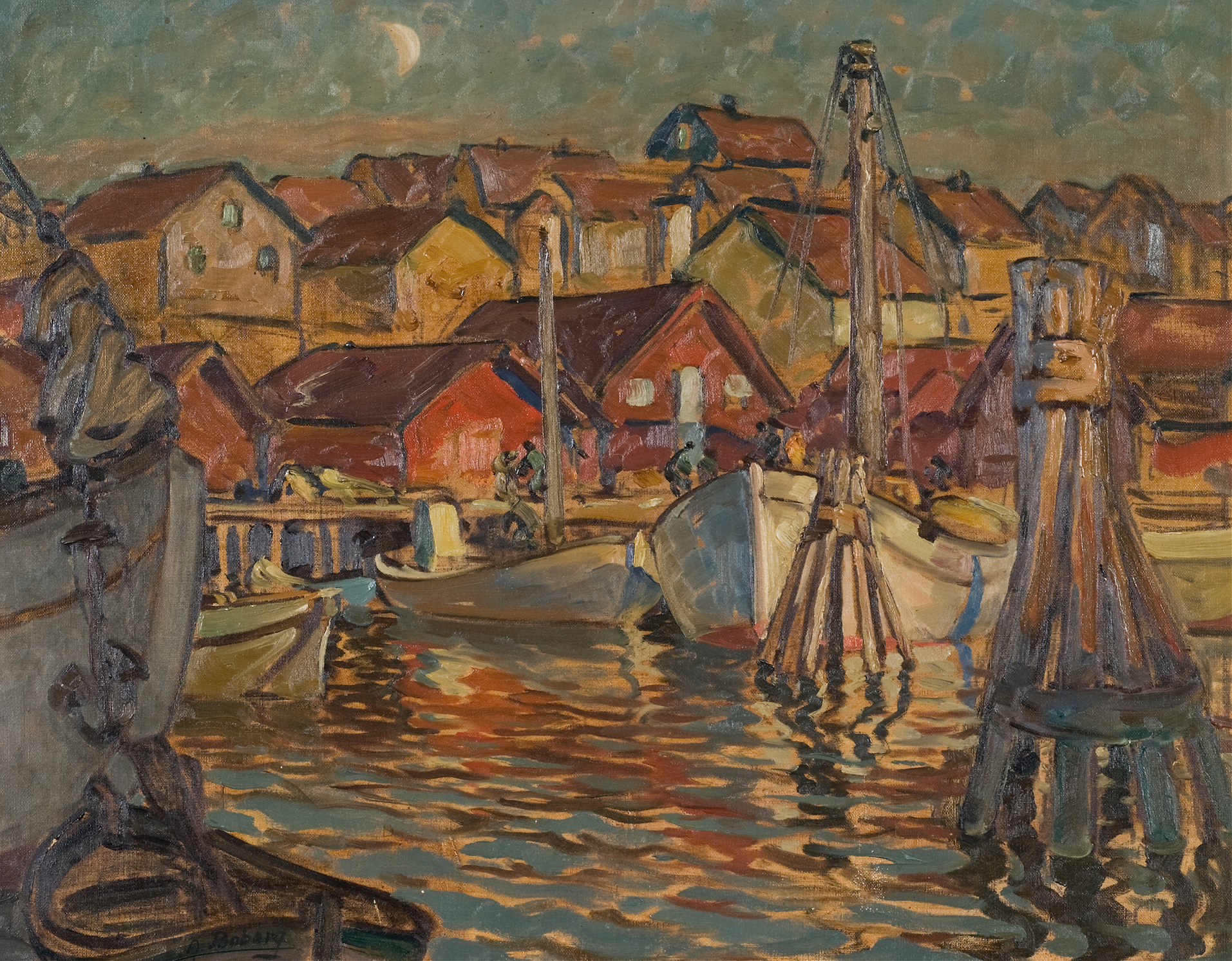
Yet there is an underlying softness in the waves, hinting at fragility—a reminder that even the most majestic landscapes are subject to the passage of time. In 1915, the artist worked on this piece in Norway, a period marked by considerable upheaval in Europe. Boberg was deeply influenced by her surroundings, capturing the unique light of Lofoten while navigating the challenges of a changing art world. Her intimate understanding of the Northern landscape and the emotional resonance of its beauty reflect her dedication to painting as a means of expression in tumultuous times.