Loggia, Villa Giulia, Rome — History & Analysis
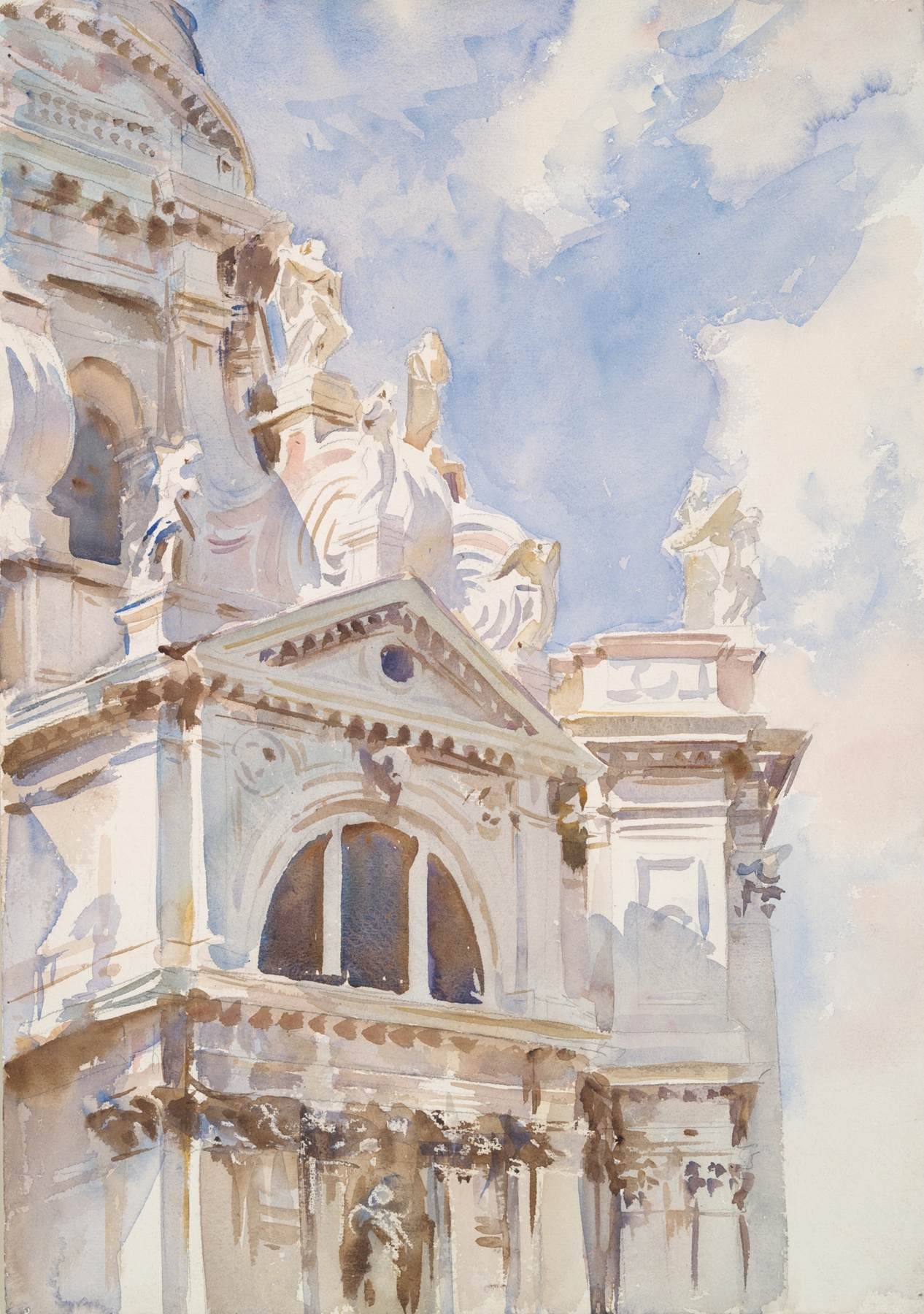
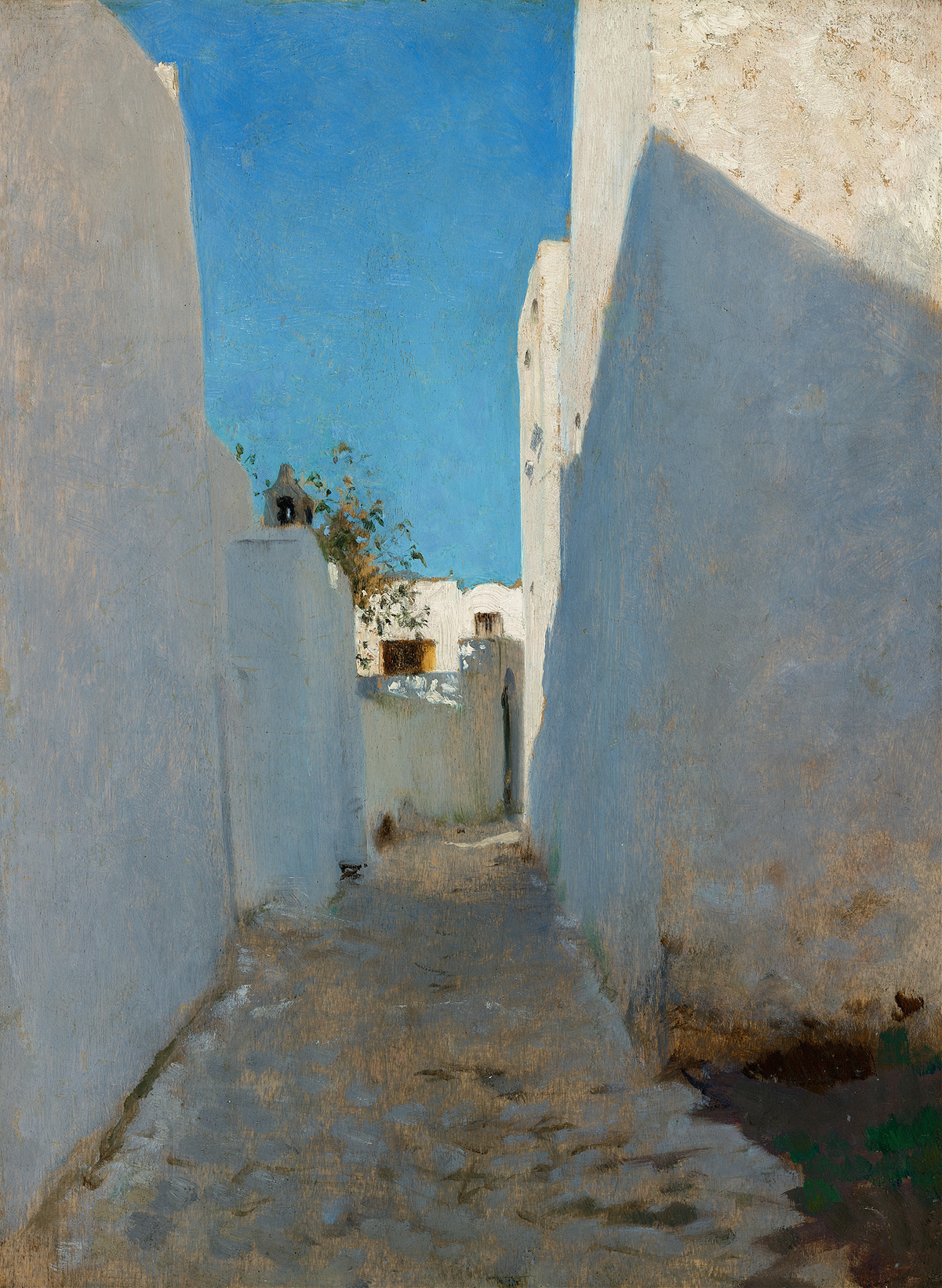
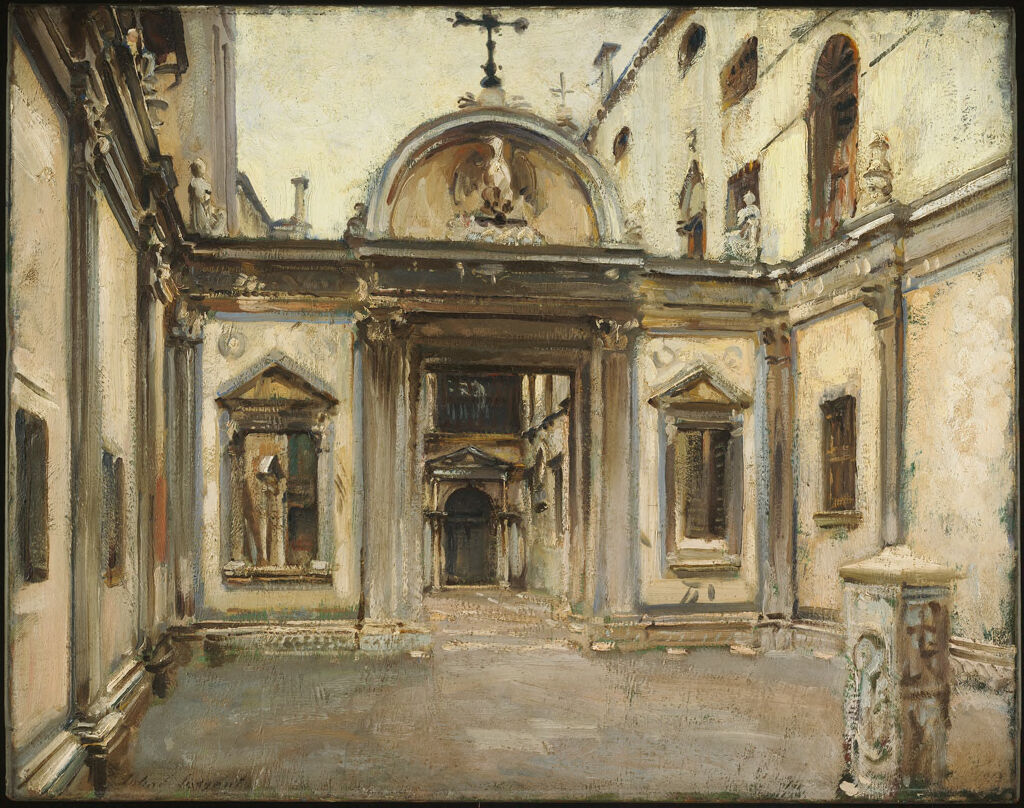
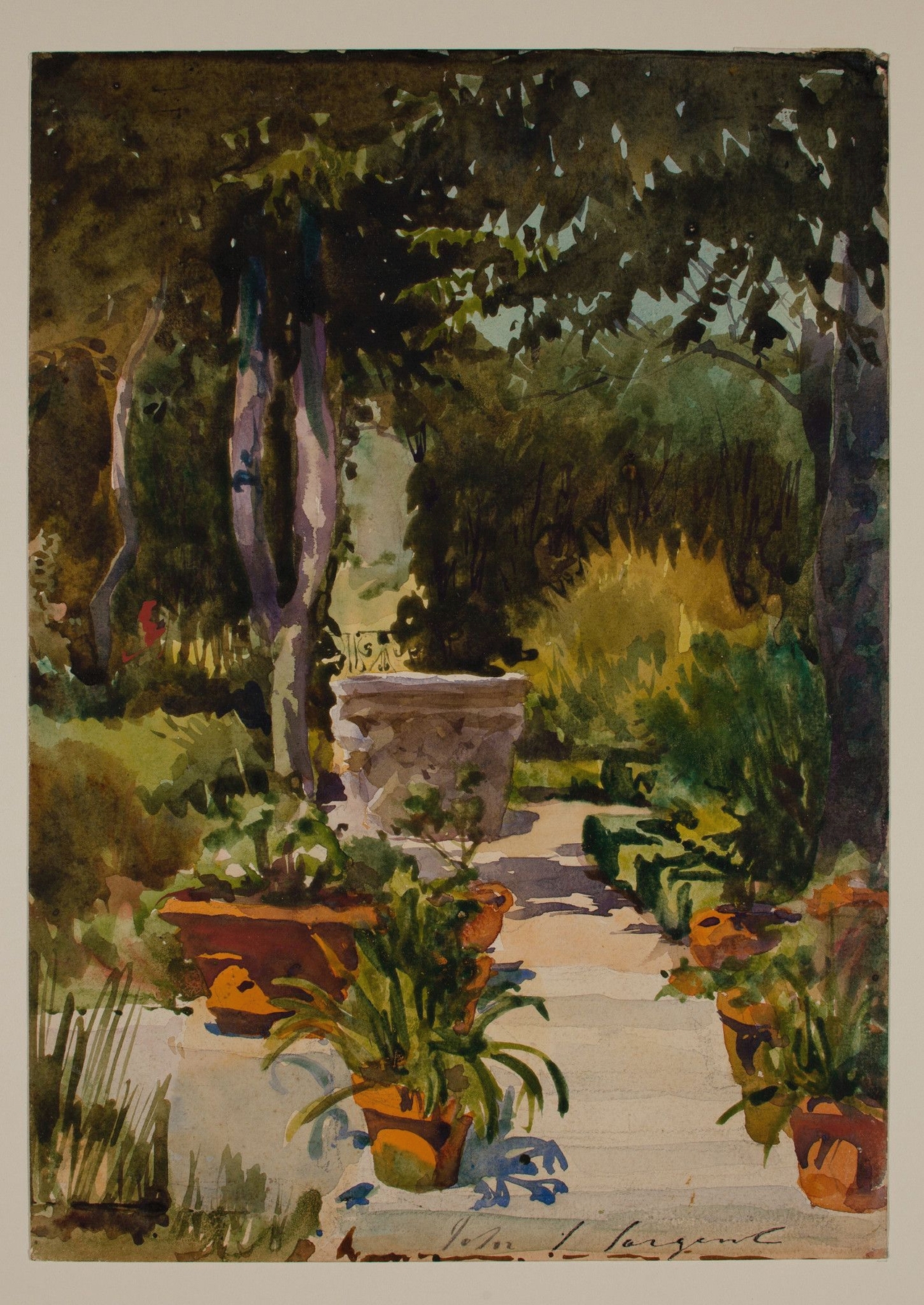
Where does light end, and longing begin? In the gentle interplay of shadows and reflections, Loggia, Villa Giulia, Rome evokes a world where reality dances with the ephemeral. Look to the left, where the sun spills through the intricately patterned arches, casting soft, dappled light across the tiled floor. Notice the cool blues and warm terracotta hues that Sargent masterfully balances; they create a serene yet vibrant atmosphere. The framing of the loggia, open to the lush green surroundings, invites the viewer to step into this tranquil retreat.
Each brushstroke reveals not just the architecture but the essence of a moment suspended in time. As your gaze wanders to the delicate reflections in the water, consider the deeper meanings hidden within. The stillness of the pond mirrors not only the physical beauty of the loggia but also a sense of introspection and yearning. The contrast between the lively colors and the calm reflections suggests a longing for connection—between nature and mankind, the past and the present.
This duality resonates through the work, underscoring the emotional weight carried within the scene. John Singer Sargent painted Loggia, Villa Giulia in 1907 during a period marked by his growing prominence in the art world and increasing recognition for his portraiture. At this time, he was deeply engaged in exploring different themes and settings beyond portraiture, influenced by his travels through Italy. The villa itself, a Renaissance gem, provided a perfect backdrop for his exploration of light and space, embodying the blend of cultures that marked the era.