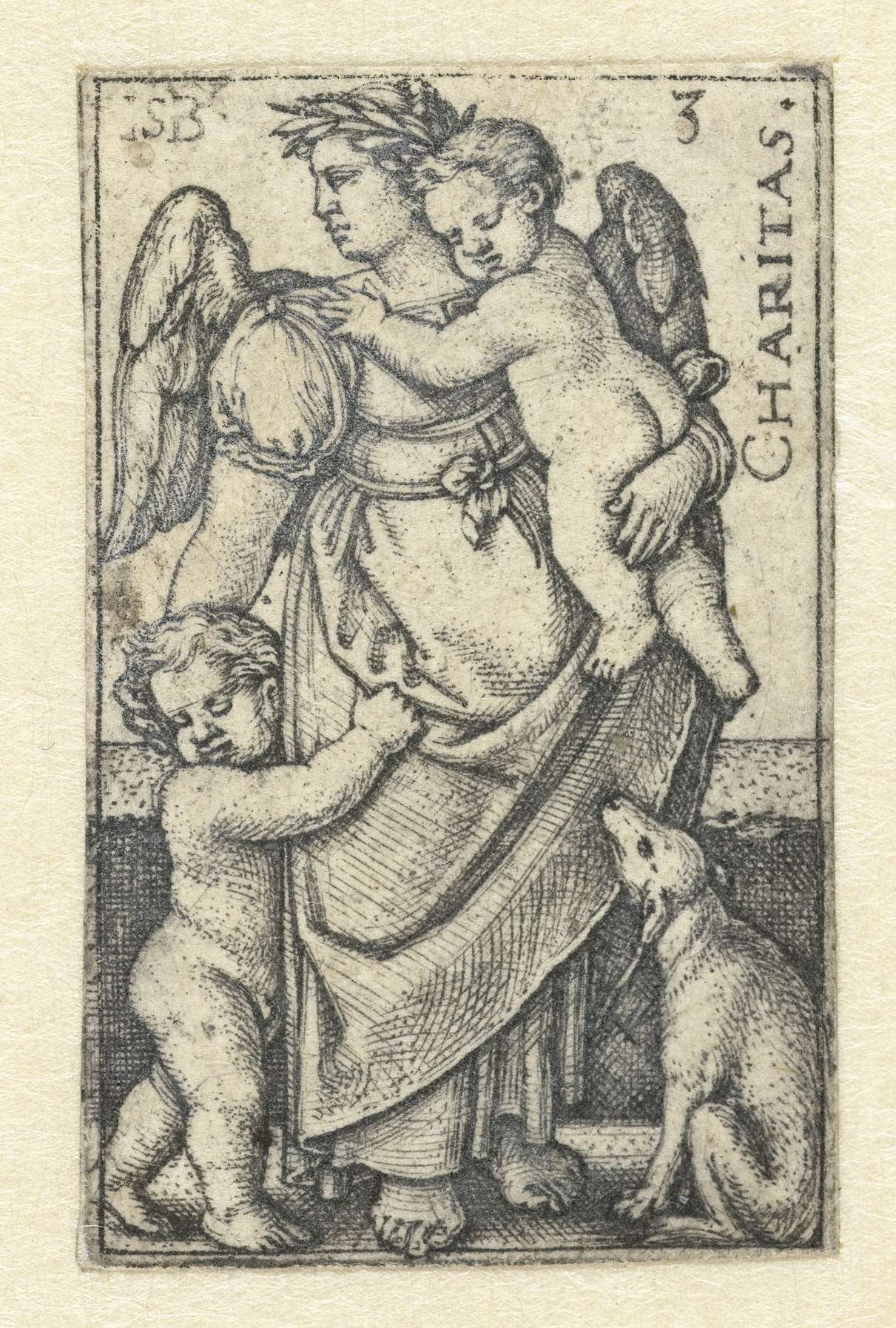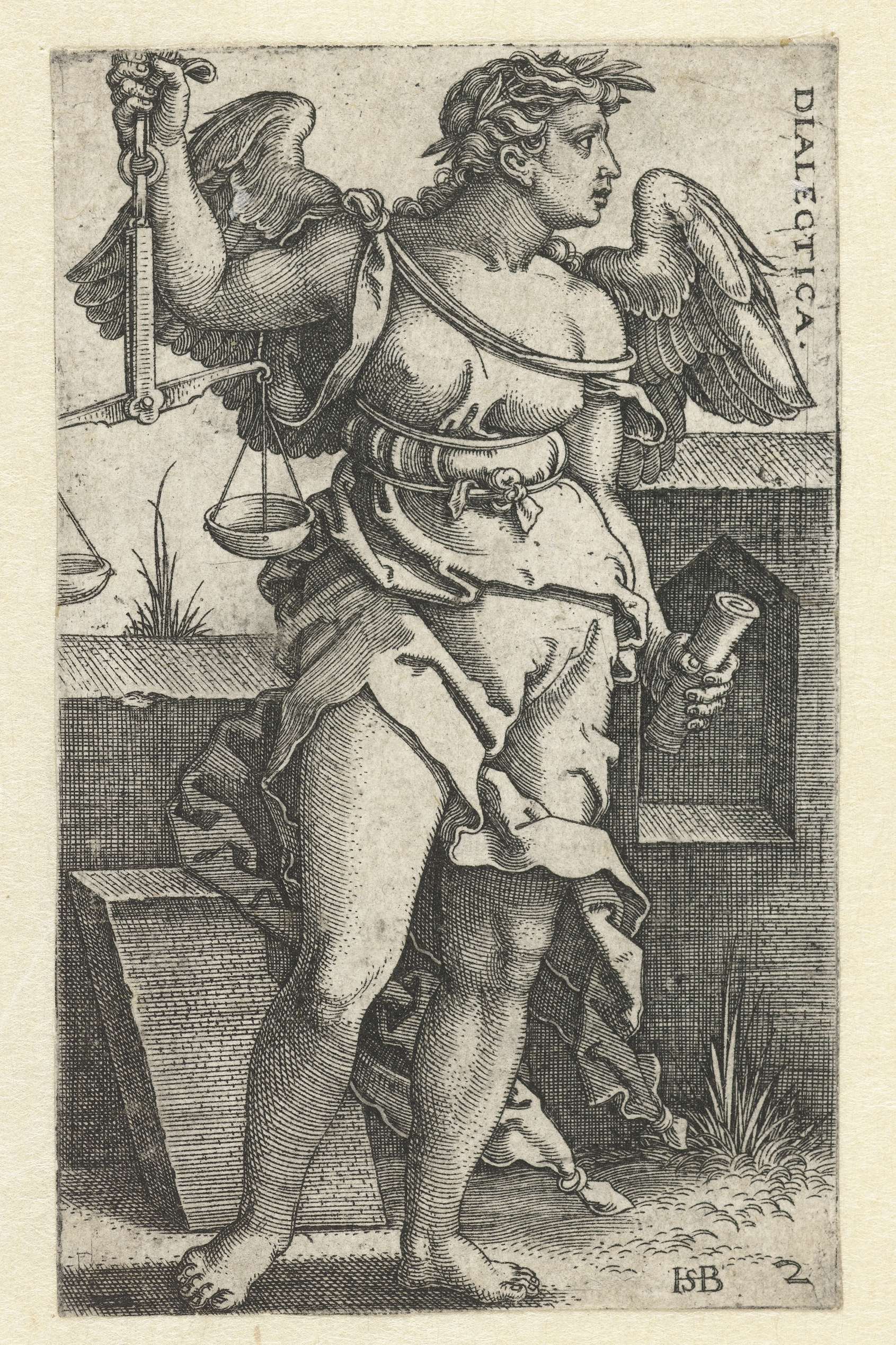
Logica (Dialectica) — History & Analysis
“Sometimes beauty is just pain, disguised in gold.” This poignant reflection resonates deeply within the intricate layers of the artwork, offering a glimpse into the duality of human experience. What appears as a harmonious composition often conceals an underlying tension, challenging viewers to look beyond the surface. Focus first on the delicate figures at the center, where their gestures seem to intertwine in a fluid dance of intellect and emotional depth. Notice how the intricate detailing of their robes captures the light, creating a rich interplay of shadow and brilliance.
The palette, dominated by deep blues and warm golds, evokes a sense of both serenity and unease, as if the colors themselves are whispering secrets of a deeper truth. As you explore further, pay attention to the expressions on their faces—an enigmatic blend of resolve and vulnerability. The circular arrangement hints at the cyclical nature of logic and emotion, suggesting that beauty, much like truth, can be both a refuge and a source of torment. Every fold of fabric and every draped hand tells a story, revealing how the pursuit of beauty often invites pain into the fold, crafting an experience that is as rich as it is complex.
During the period from 1510 to 1550, Beham flourished in Nuremberg, Germany, amidst the burgeoning artistic movements of the Northern Renaissance. His work reflected not only the aesthetic shifts of the era but also the intellectual currents that sought to reconcile reason and emotion. As Europe grappled with profound changes, his art emerged as a testament to the exploration of beauty, logic, and the human condition.