Madonna and Child with Saints — History & Analysis
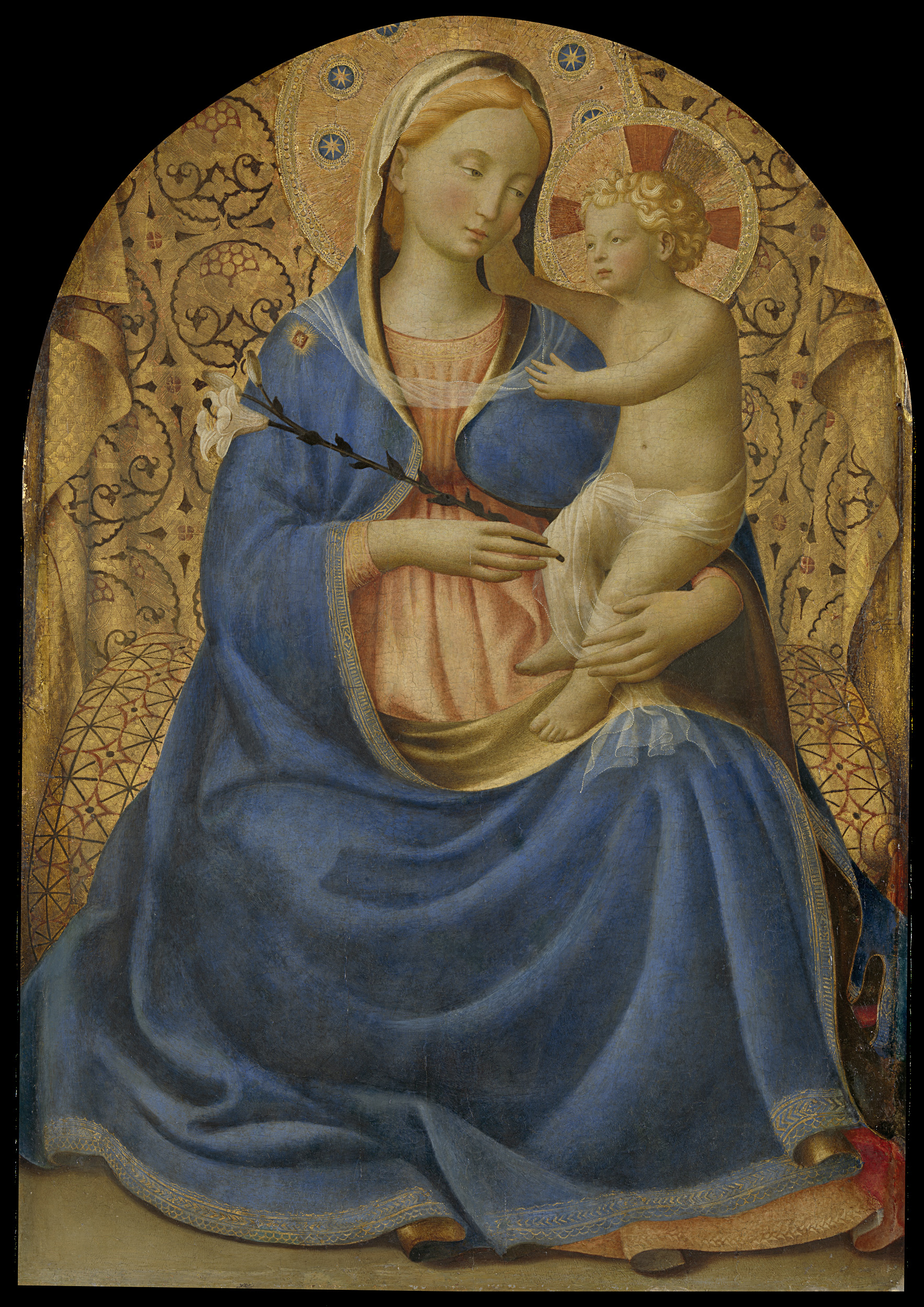
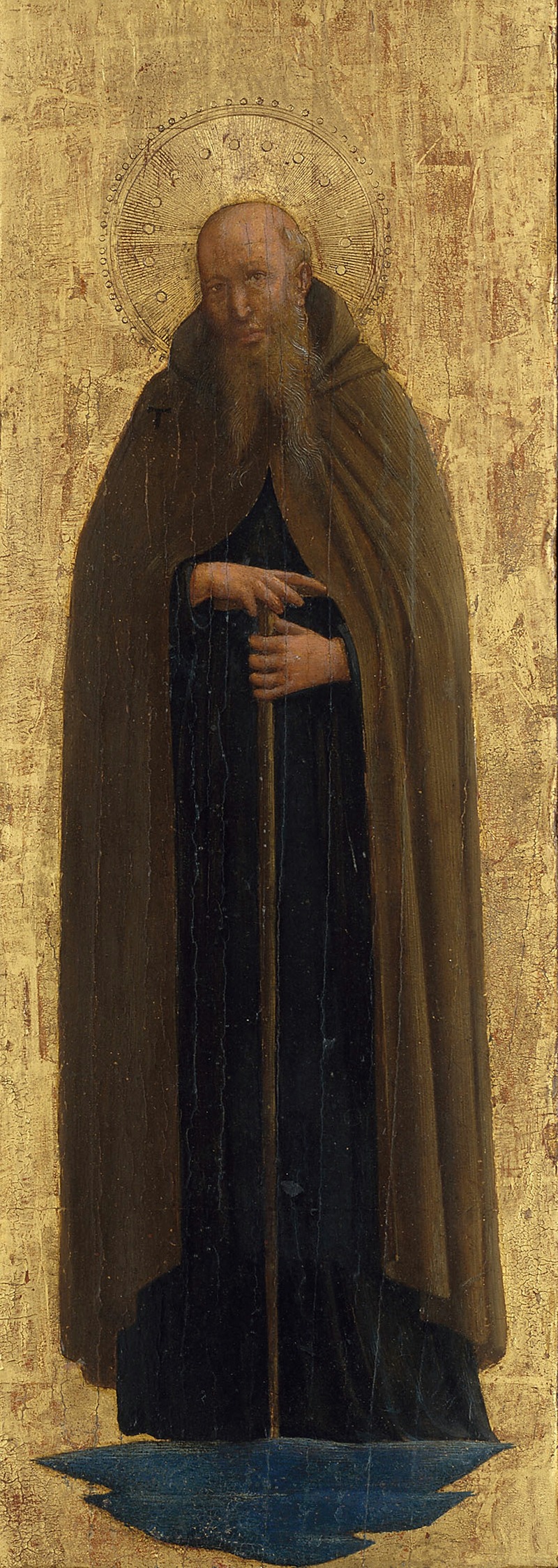
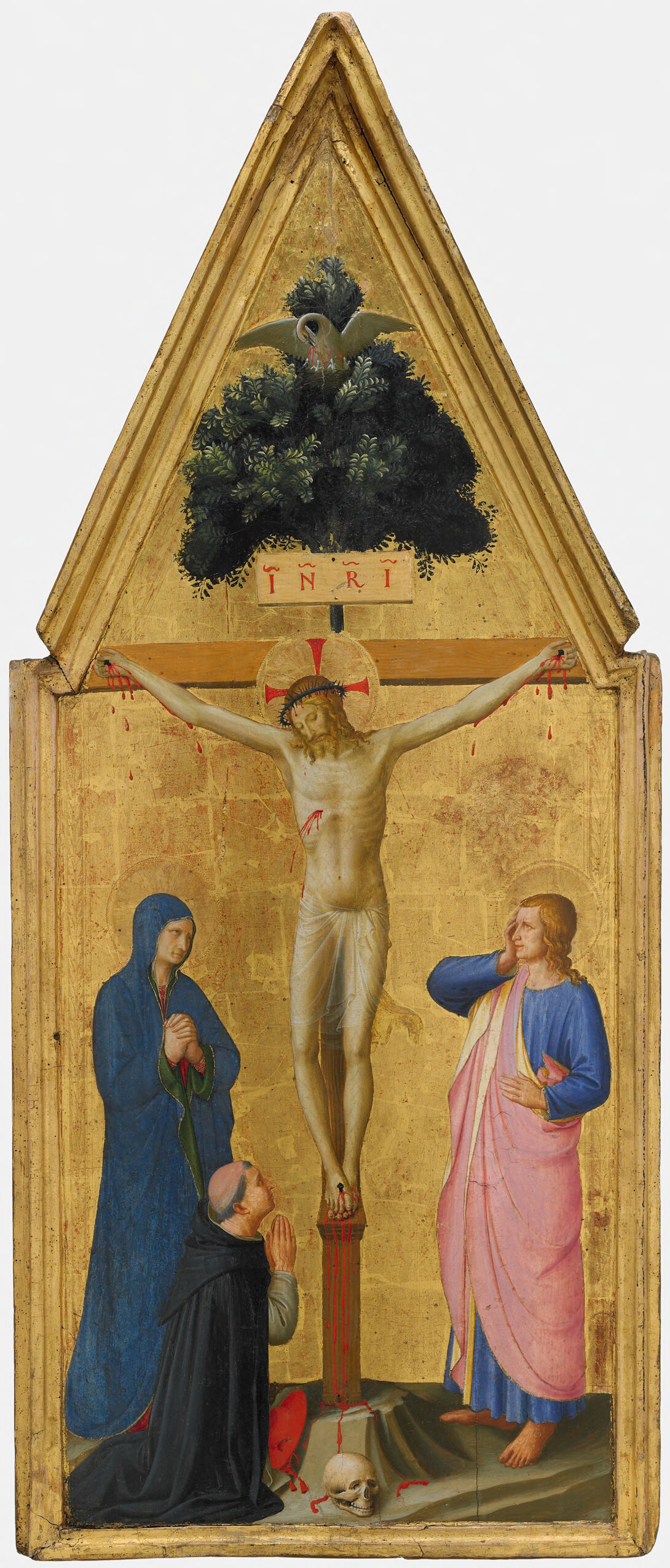
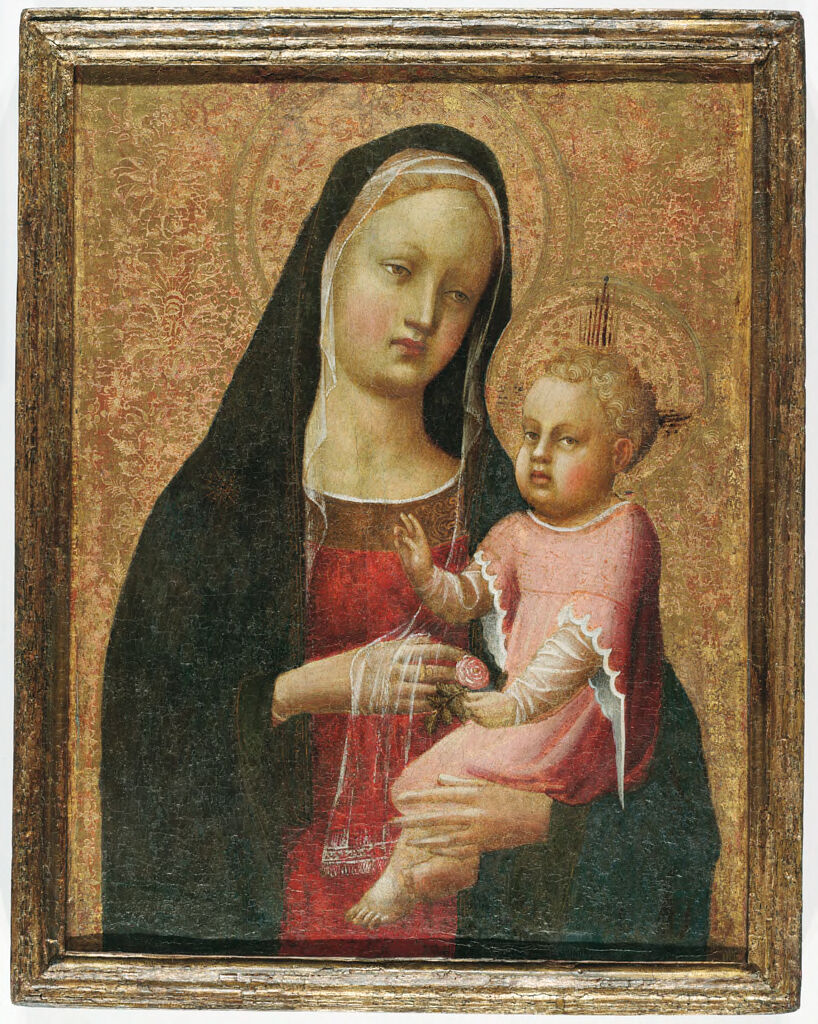
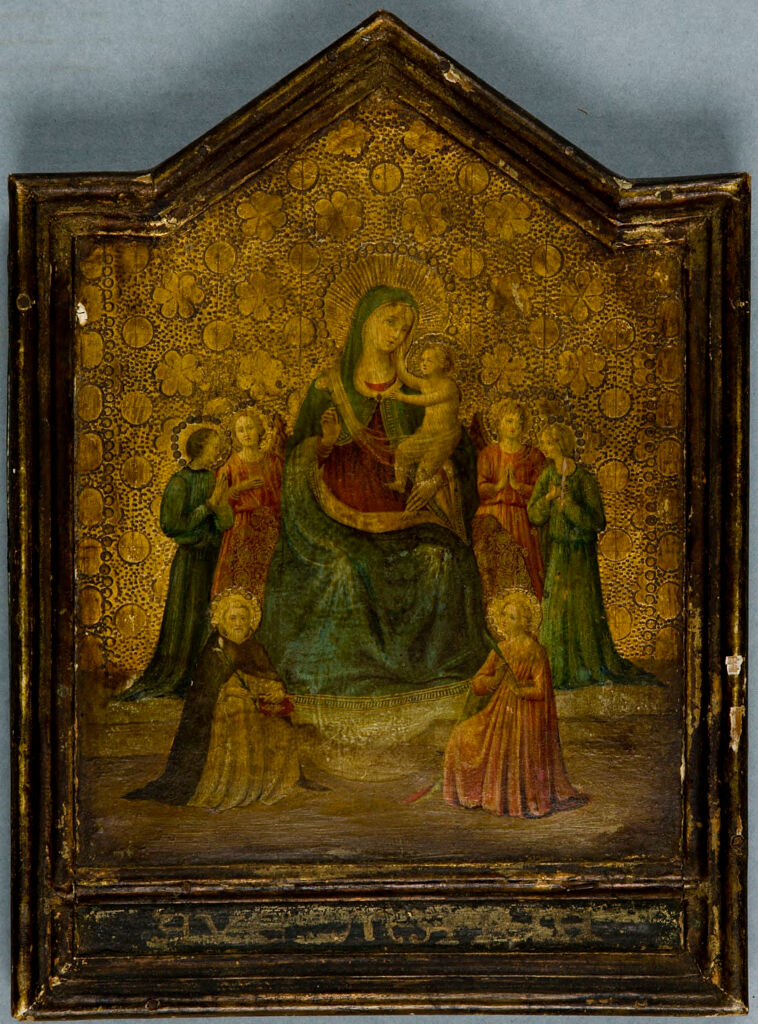
Can paint confess what words never could? In Madonna and Child with Saints, the canvas breathes a profound truth, inviting viewers into a sacred space where divine love and earthly reverence intertwine. Look to the center where the Virgin cradles her child, their serene expressions softly illuminated by a heavenly light that bathes the figures in a golden glow. Notice how the rich, warm colors of the drapery contrast with the cool blues and greens of the background, creating a harmonious balance that draws the eye inward.
The composition is meticulously arranged, with saints positioned around the central figures, each embodying distinct emotions that enhance the overall narrative. The emotional tension within this work lies in the juxtaposition of earthly fragility and divine strength. Each saint, from the sorrowful gaze of Saint Dominic to the gentle reverence of Saint Francis, reveals a facet of human experience—faith, sacrifice, and the longing for connection. These details, from the delicate folds of fabric to the subtle gestures of prayer, create a dialogue about devotion and sanctity, prompting contemplation of how the sacred permeates everyday life.
Fra Angelico painted this masterpiece in the 19th century while residing in Florence, a period marked by a revival of interest in religious themes and classical art forms. During this time, he was deeply influenced by the principles of the Renaissance, merging spiritual devotion with artistic innovation. His work became a beacon of light in a changing world, embodying a longing for transcendence through beauty and truth.