Marcus Atilius Regulus in ton gestopt door Carthagen — History & Analysis
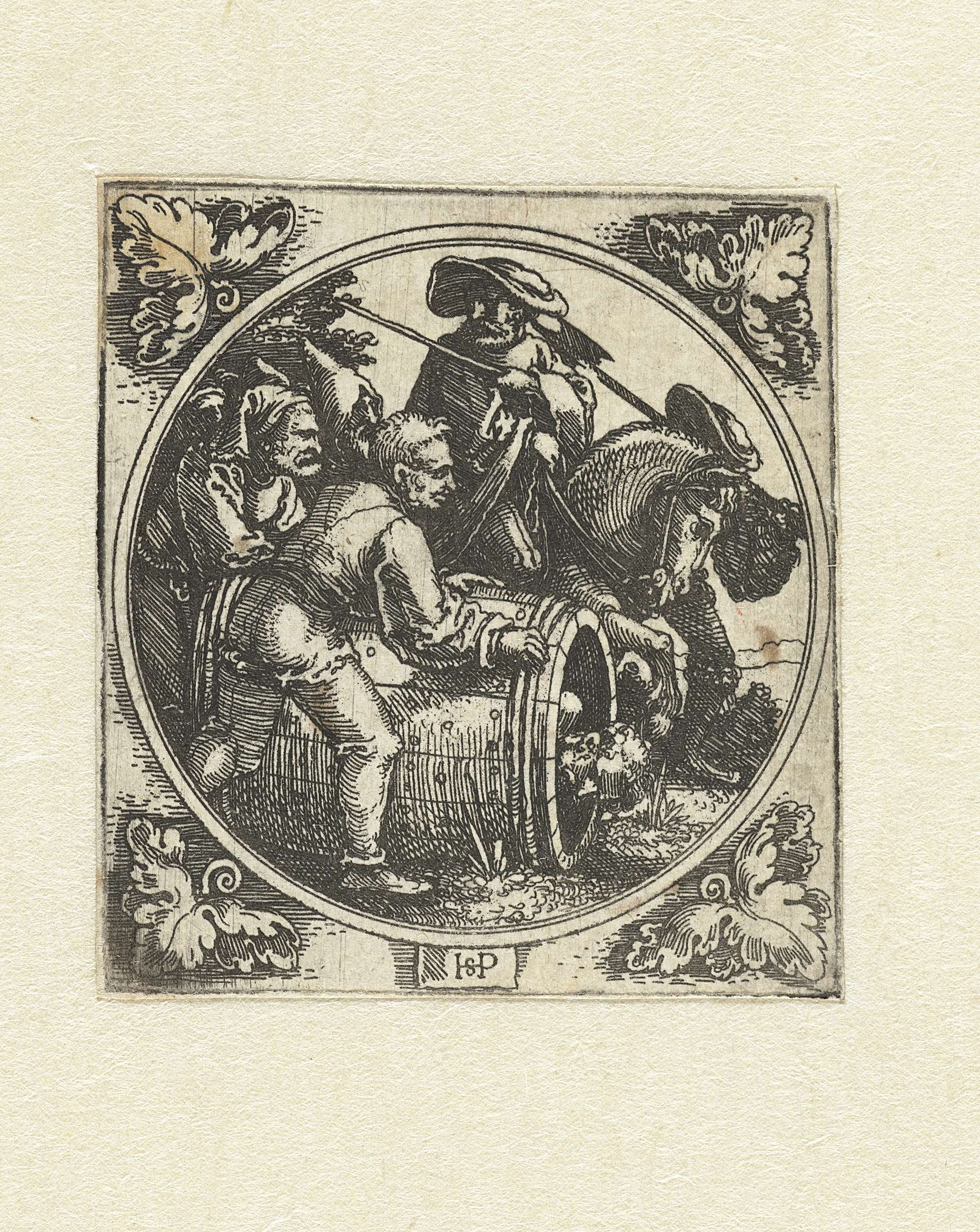
What secret hides in the quiet of the canvas? In Marcus Atilius Regulus in ton gestopt door Carthagen, the stillness speaks volumes, drawing the viewer into a moment of profound contemplation and unspoken truths. Look to the left at the figure of Regulus, poised in a moment of tense deliberation. His weary expression, rendered with exquisite detail, reflects the weight of his impending fate. Notice how the muted hues of earth tones envelop the scene, creating a somber atmosphere that contrasts sharply with the vibrant reds and golds of the Carthaginian soldiers who surround him.
The artist’s delicate line work captures the anxious gestures of the figures, drawing a palpable tension that echoes throughout the composition. Delve deeper into the emotional undercurrents at play. The juxtaposition of Regulus’s stoic resolve against the opulent, almost menacing presence of his captors hints at the clash between duty and despair. The shadows that linger around the characters evoke a sense of impending doom, suggesting the inevitable sacrifice that fate has in store.
This tension invites viewers to ponder the nature of truth—how it can be both a guiding light and a heavy burden. During the 1510s in Nuremberg, where the artist worked, the art world was undergoing a significant transformation. Scholars and artists were increasingly drawn to classical themes, often juxtaposing humanist ideals with moral dilemmas. In this context, Marcus Atilius Regulus in ton gestopt door Carthagen serves not only as a reflection of historical events but also as a commentary on the ethical complexities of loyalty and sacrifice within the human experience.