
Minaret of the principal mosque. Siout, Upper Egypt. — History & Analysis
Could beauty survive in a century of chaos? This question resonates deeply within the intricate strokes and vibrant hues of this remarkable work. It invites reflection on the resilience of culture and artistry amid the tumult of time. Look to the left where the minaret rises like a sentinel against a vast, azure sky. The structure, adorned with exquisite architectural details, draws the eye upward, urging viewers to appreciate the delicate interplay of shadows and light.
Notice how the warm earth tones of the mosque harmonize with the surrounding landscapes, creating a sense of home and belonging. The meticulous attention to detail showcases the artist's commitment to authenticity, capturing not just a building but the essence of a place steeped in history. Beneath the surface, there lies a tension between permanence and transience. The minaret stands proud, yet it is surrounded by signs of decay, hinting at the passage of time and the fragility of human endeavors. The contrasting elements of light and shadow symbolize hope and despair—emphasizing that beauty, while often fleeting, can also be a monument to resilience.
Every brushstroke speaks of a world caught between the allure of grandeur and the inevitability of change. During the years 1846 to 1849, the artist traveled through Egypt, documenting its landscapes and architecture, reflecting both a personal journey and the growing Western fascination with the East. This period marked a significant transformation in art, as Romanticism began to intertwine with realism, revealing deeper connections between culture and representation. In this context, the work stands as a testament to the enduring power of beauty amidst a rapidly changing world.
![Karnac [Karnak]. Nov. 29th, 1838., by David Roberts, public domain](https://froigstrpvutwqtqikzt.supabase.co/storage/v1/object/public/art-images/artworks/4d03dc1f7193c7d916a2bc790dd85d799ca595e465dea5741c39c1c0d95500f2.jpg)
![Temple of Edfou [Idfû], ancient Appolinopolis, Upper Egypt., by David Roberts, public domain](https://froigstrpvutwqtqikzt.supabase.co/storage/v1/object/public/art-images/artworks/b51e83da008fb52a9e3832297709f860ad8821d94936f0ccc0984f79e32cfea9.jpg)
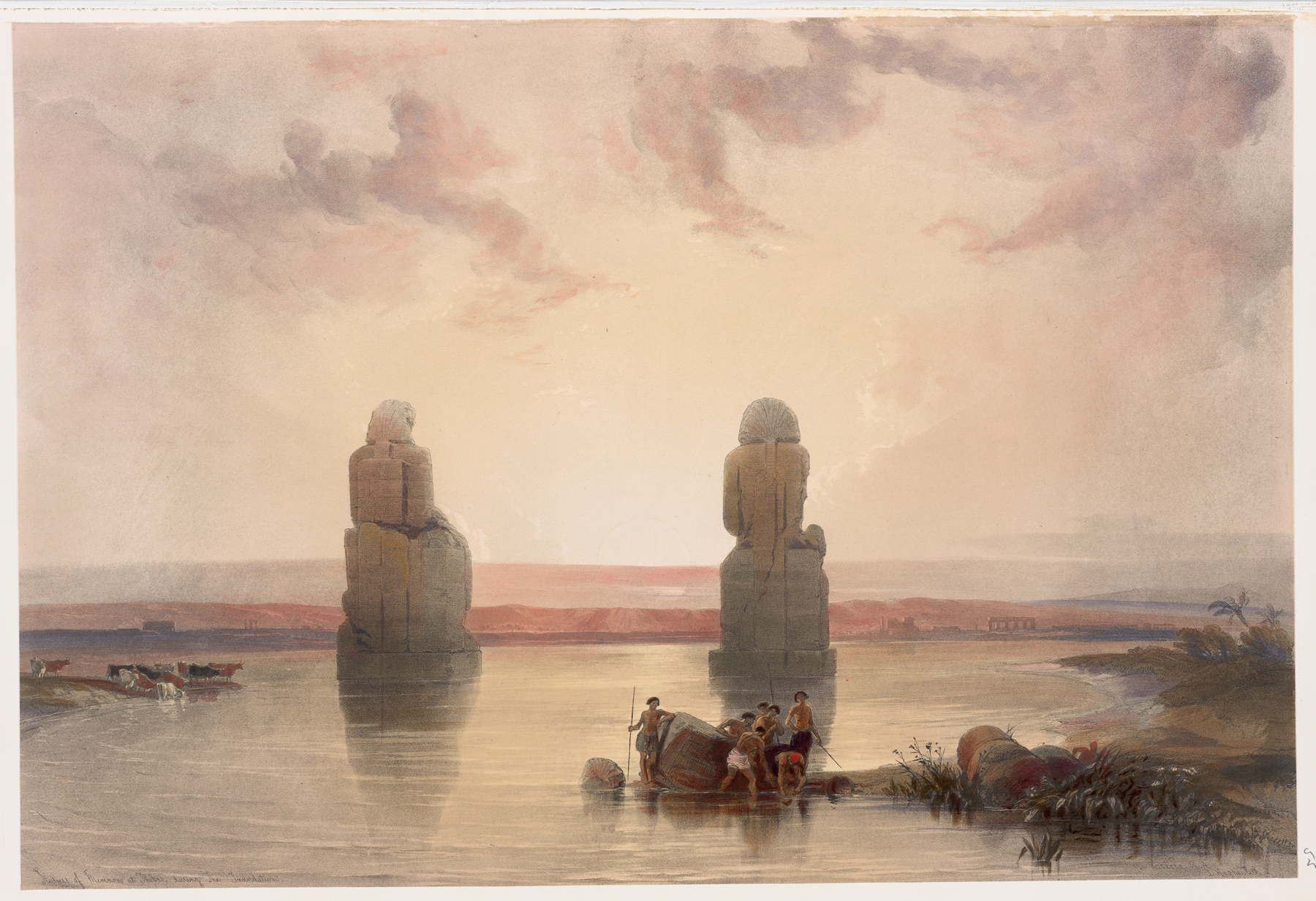
![Entrance to the tombs of the kings of Thebes. Bab-el-Malouk [Bîbân al-Mulûk]., by David Roberts, public domain](https://froigstrpvutwqtqikzt.supabase.co/storage/v1/object/public/art-images/artworks/9f12d85330f523f7a10051ef2b6b1ebe90468ae48e1601ee63ecff2779bfca39.jpg)
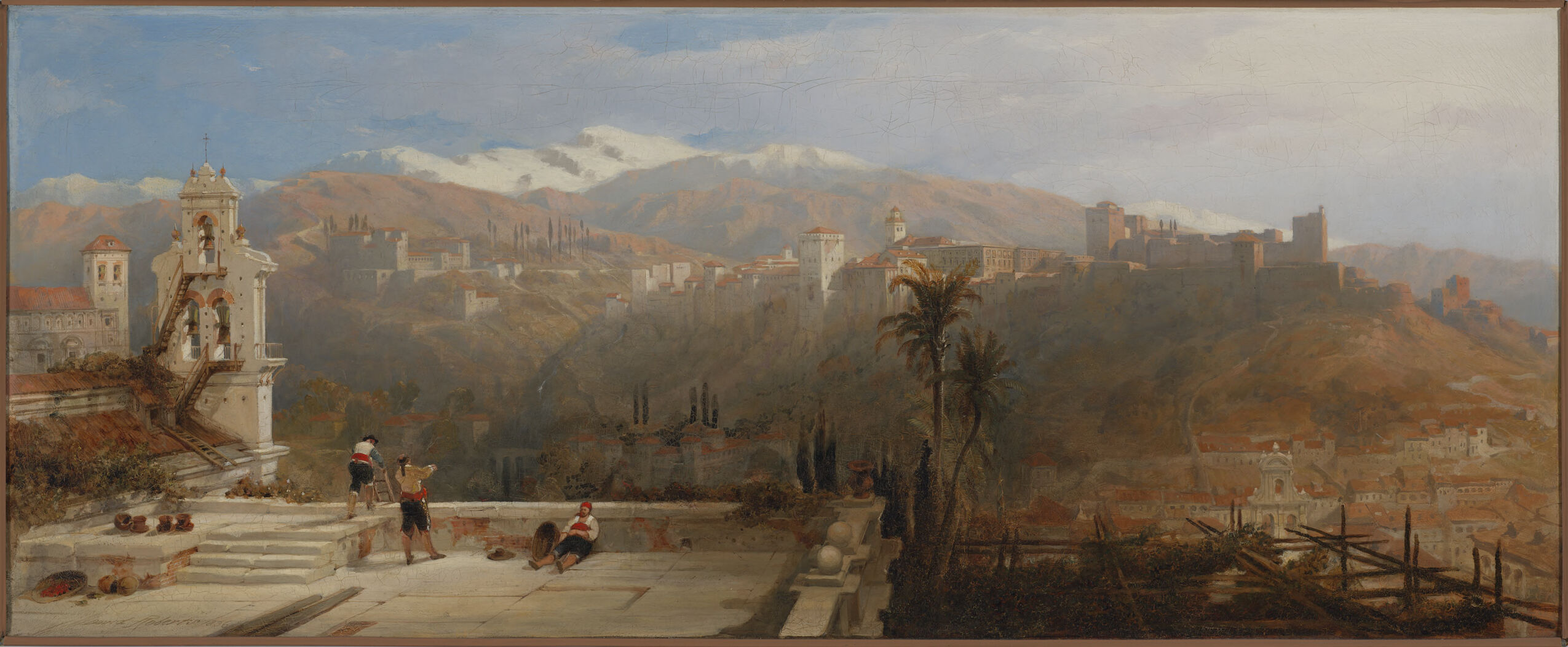
![Temple of Kalabshee [Kalabsha, Kalâbishah], Nubia. Nov. 1838., by David Roberts, public domain](https://froigstrpvutwqtqikzt.supabase.co/storage/v1/object/public/art-images/artworks/c5ed0b38c9a784f56a7ac4d7d514cecf800d77b6cf2f043be350b267a07d899e.jpg)