Moonlight Landscape — History & Analysis
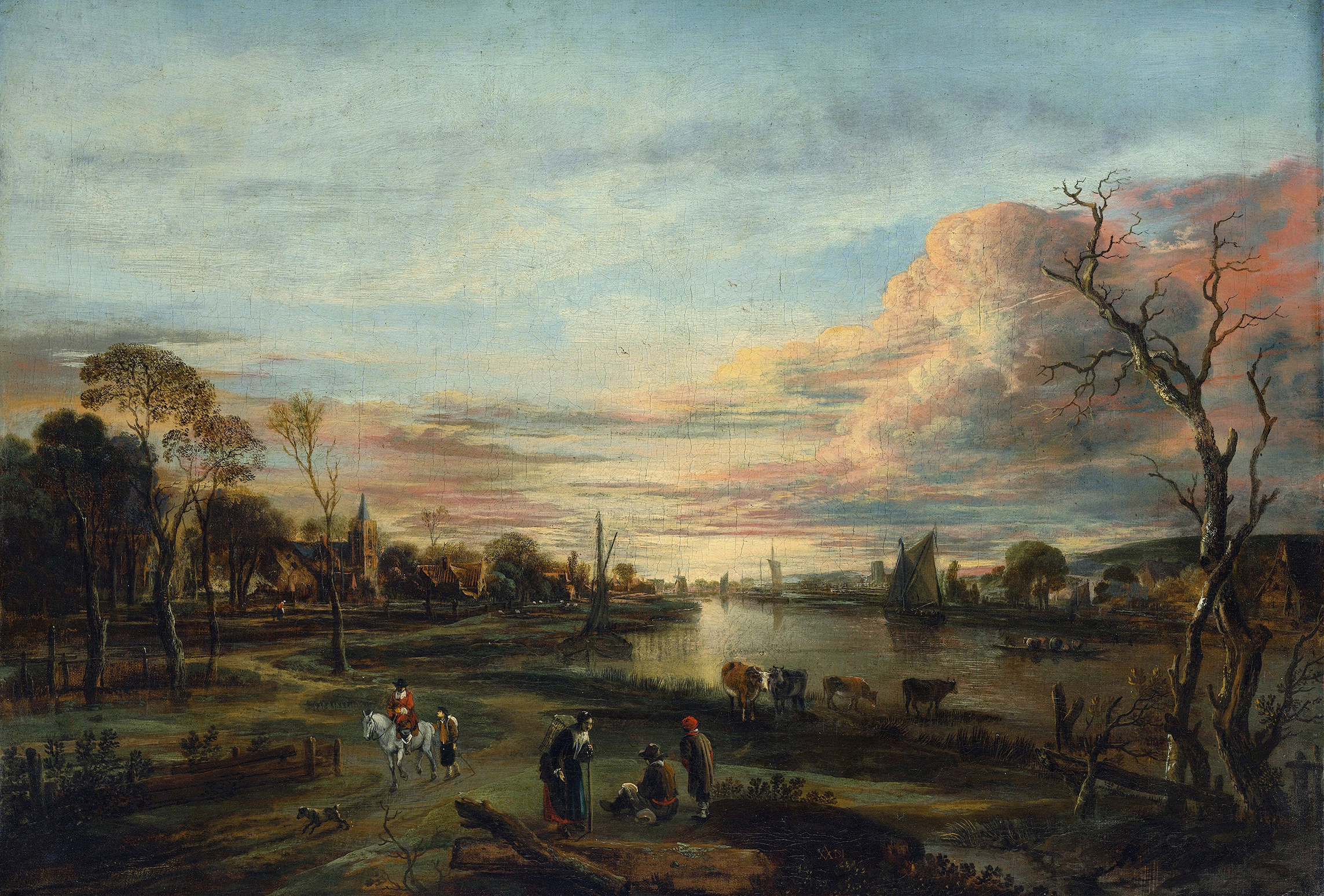
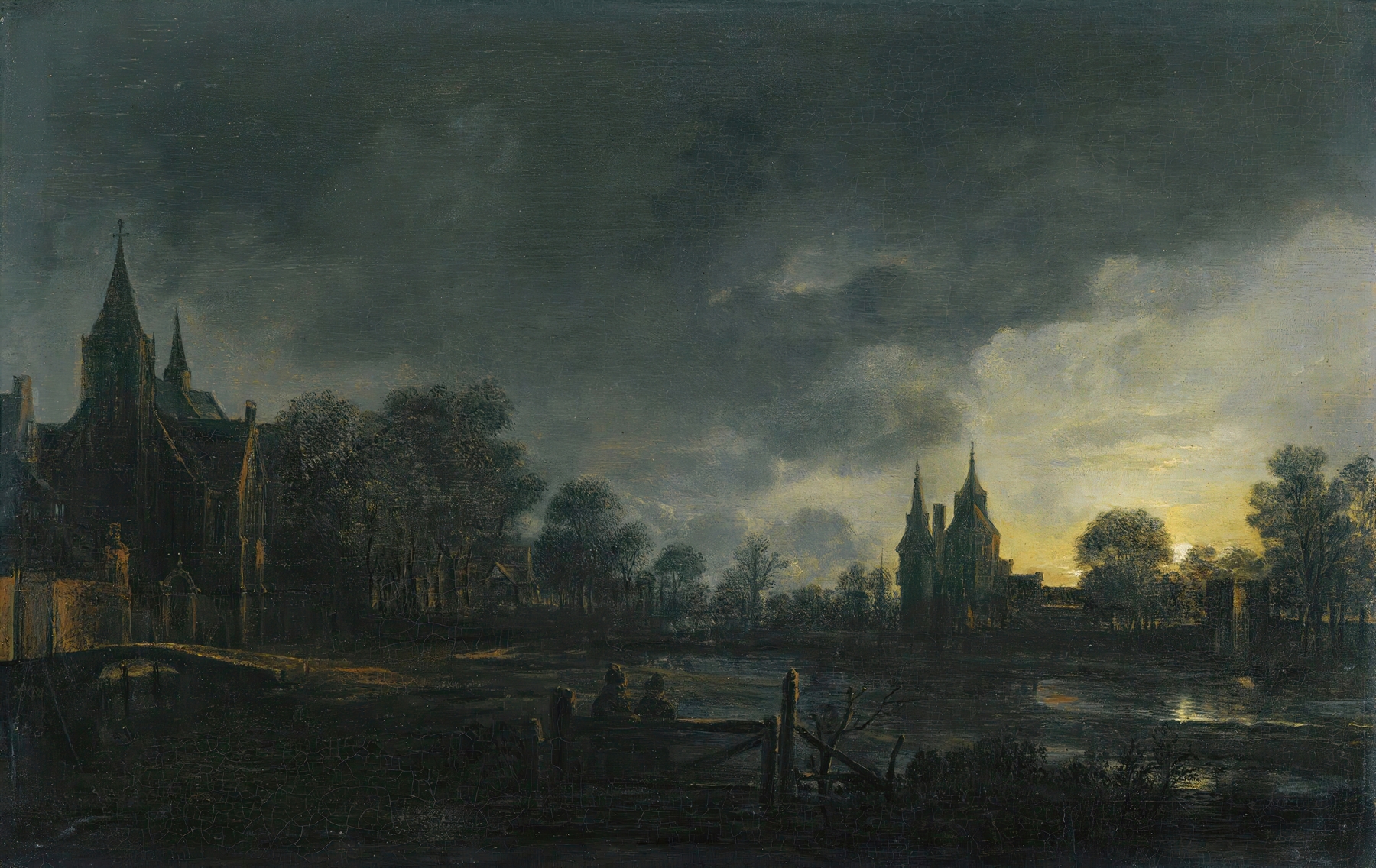
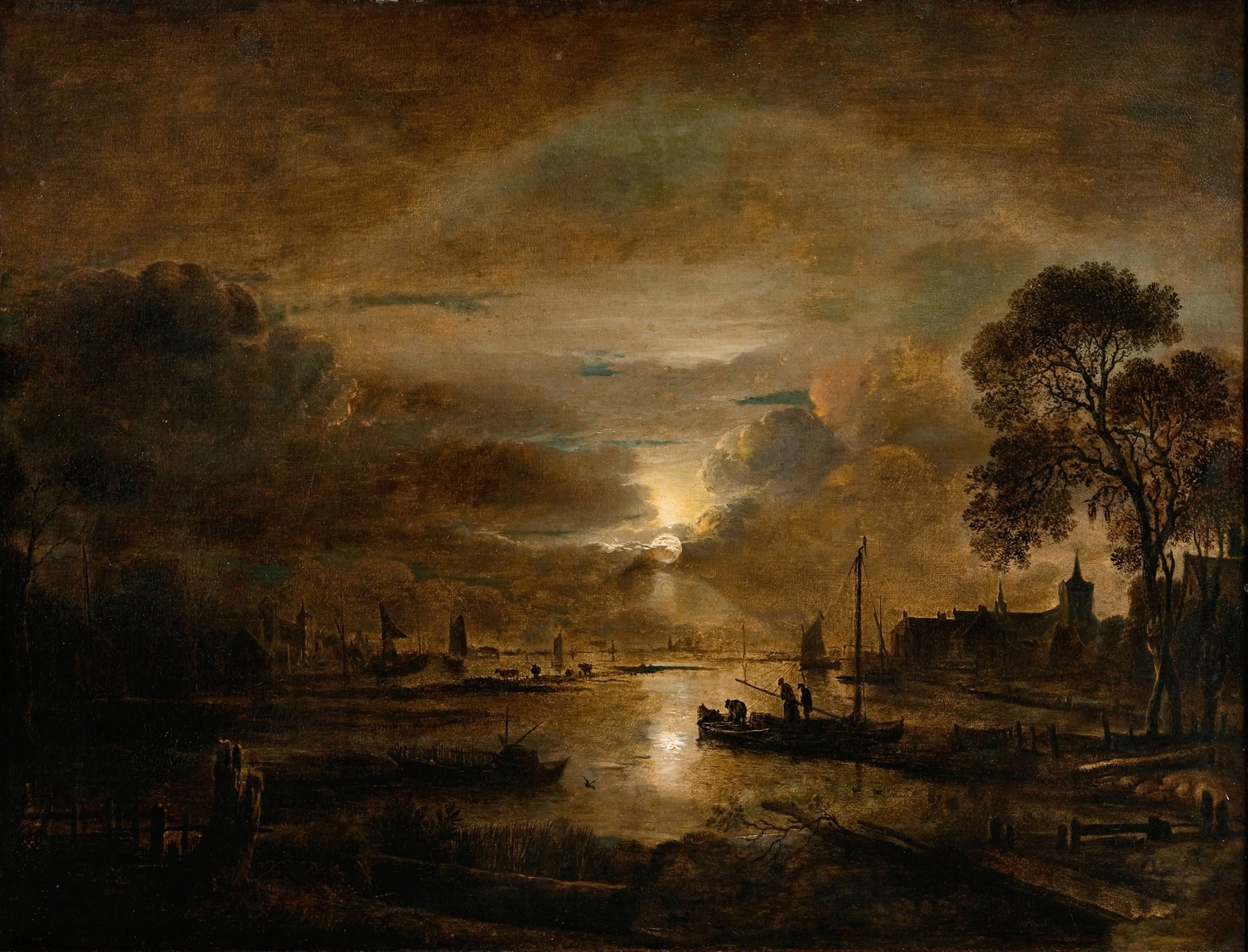
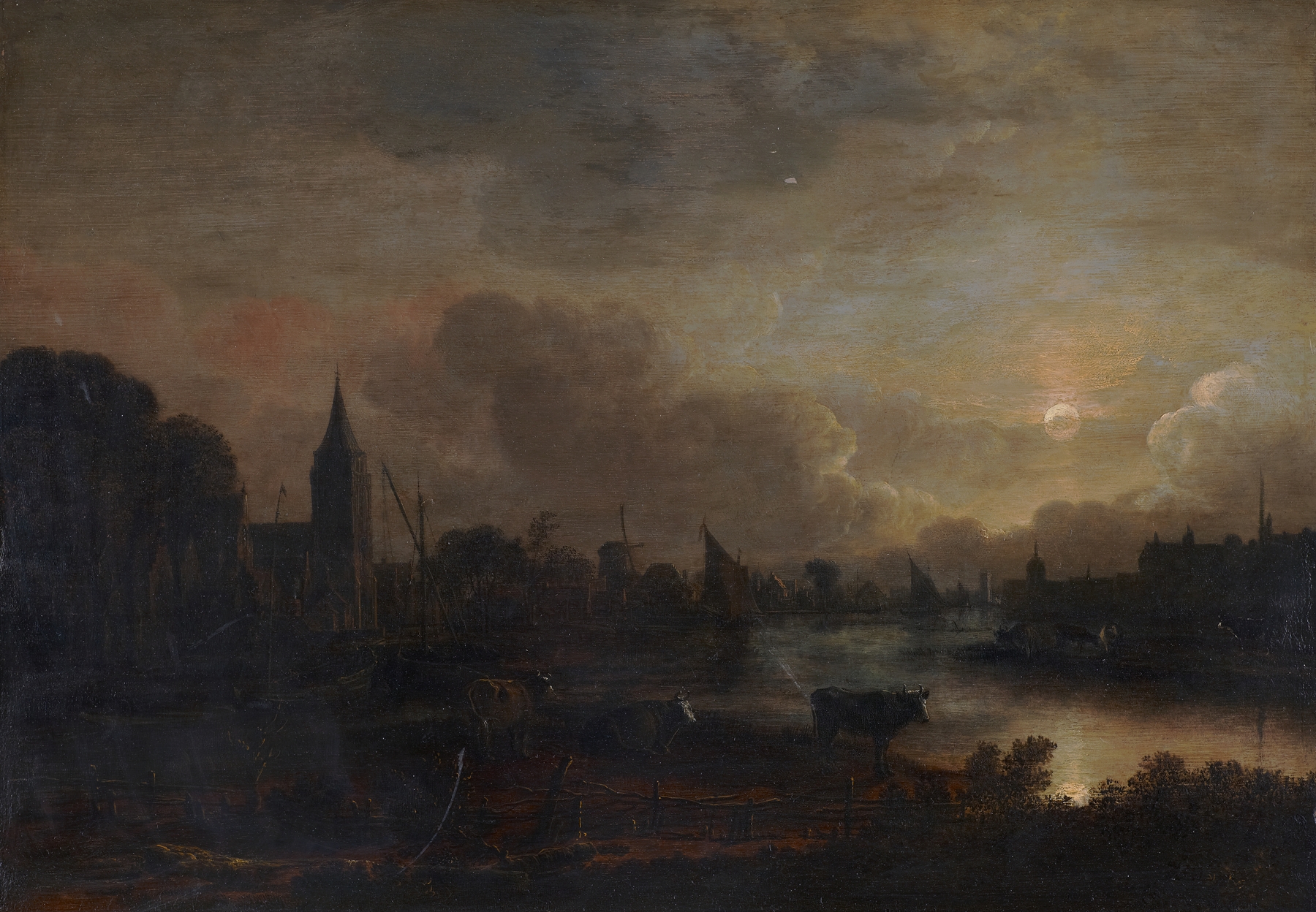
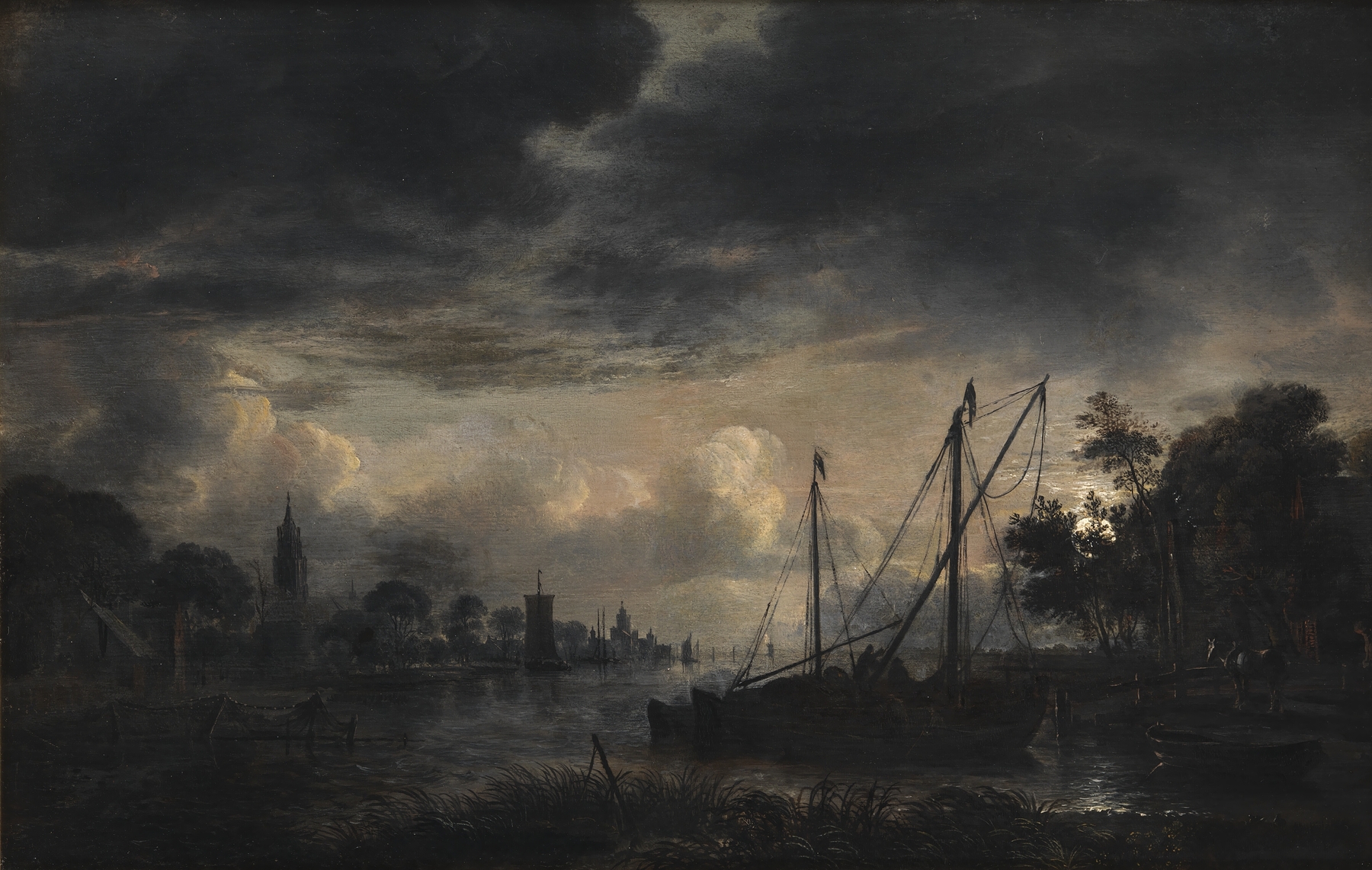
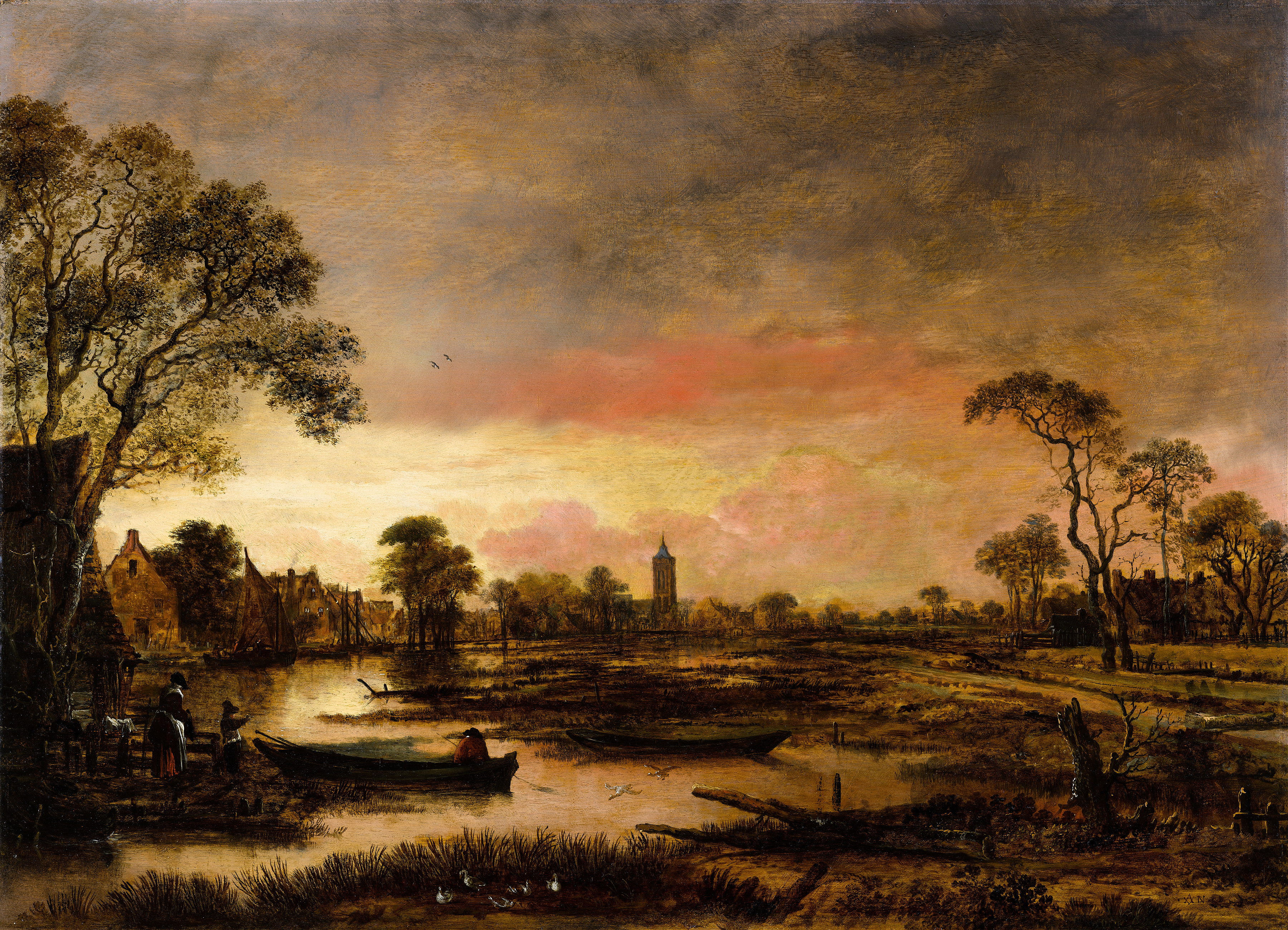
“The canvas doesn’t lie — it simply waits.” In its stillness, the essence of revelation unfolds, inviting us to witness a world suspended between night and day. As you engage with the painting, look to the left where the soft glow of the moon bathes the landscape in a silvery luminescence. Notice how the light dances on the gentle ripples of the water, creating a shimmering path that guides the viewer's eye to the horizon. The deep, velvety blues and lush greens are punctuated by the delicate glow, while the wisps of clouds playfully mingle above, enshrouding the scene in a dreamlike quality.
In this tranquil composition, contrasts emerge: the solidity of the earth against the ethereal quality of the moonlight; the quiet stillness of the trees juxtaposed with the fluid movement of the water. Here, nature holds its breath, and the viewer becomes acutely aware of the passage of time, revealing the tension between tranquility and the inevitable shift to dawn. Each brushstroke seems to whisper secrets of the night, hinting at both serenity and the mystery of what lies beyond the shadows.
Aert van der Neer painted this work during an era when Dutch artists were increasingly captivated by the nocturnal landscapes and the interplay of light and shadow. Though the exact date remains uncertain, it reflects the artist’s mastery of atmospheric effects and his fascination with the beauty of twilight scenes. At this time, the art world was evolving, embracing new perspectives, and van der Neer was at the forefront, capturing the delicate nuances of evening light.