Moonlit Landscape With A Windmill — History & Analysis
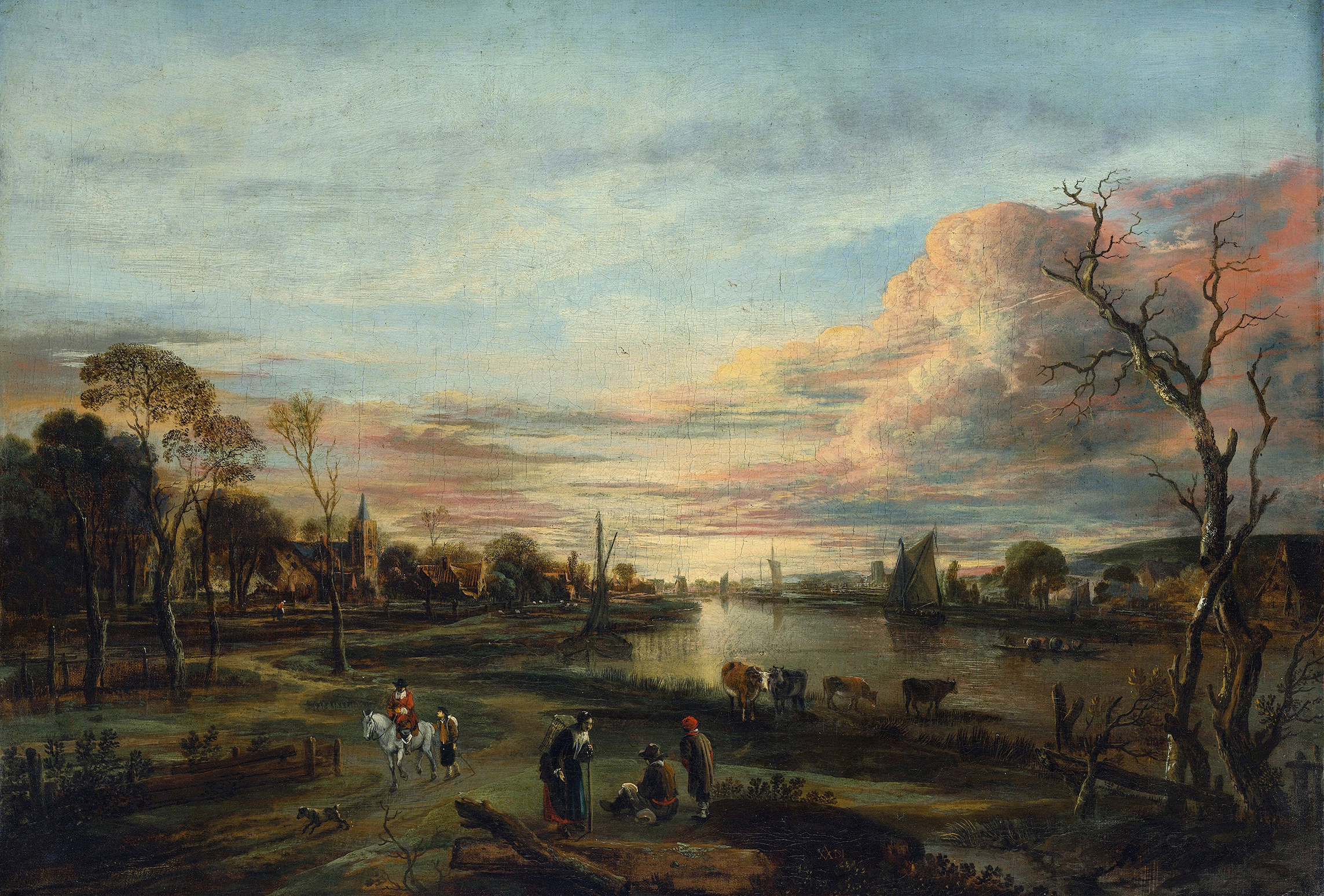
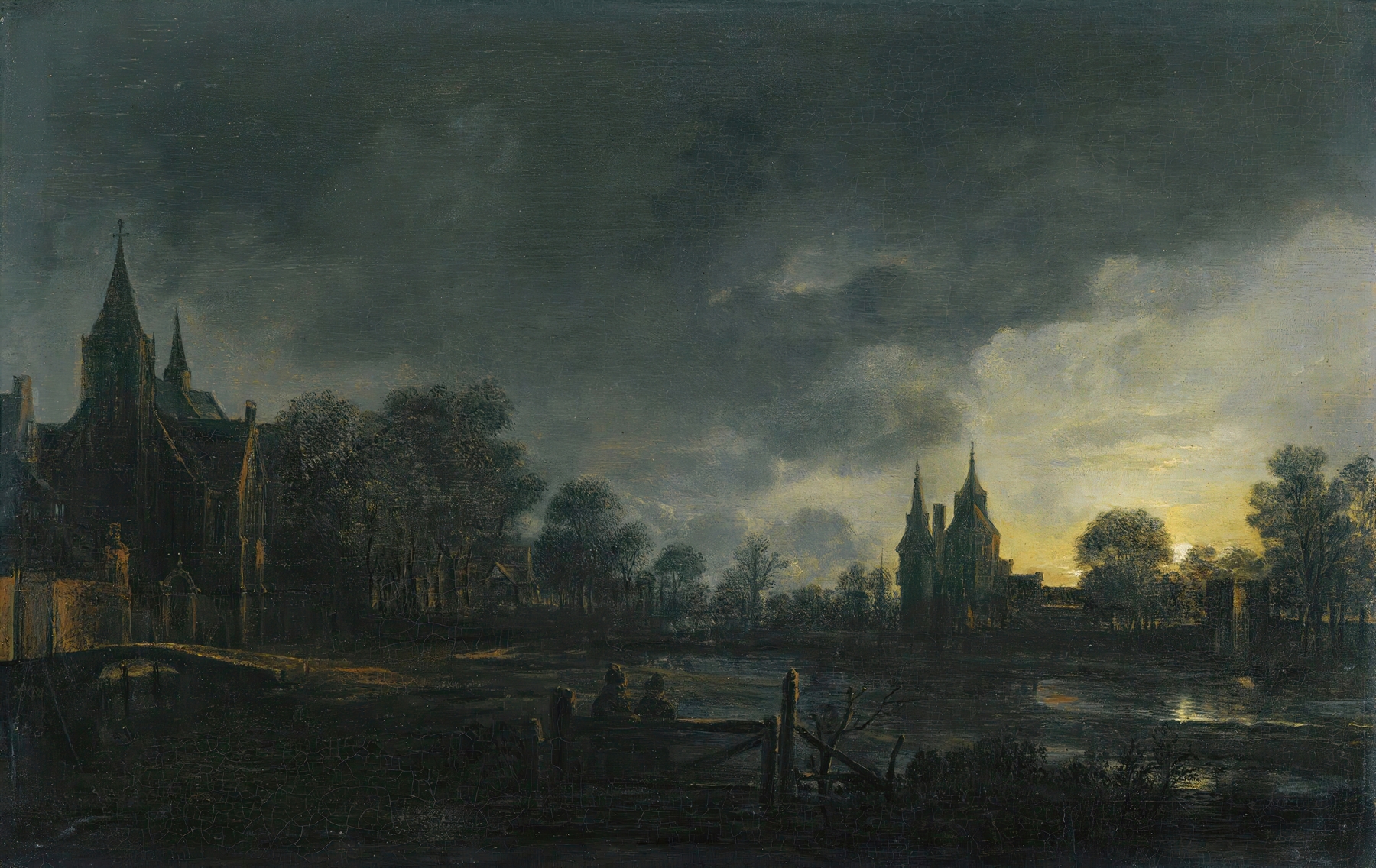
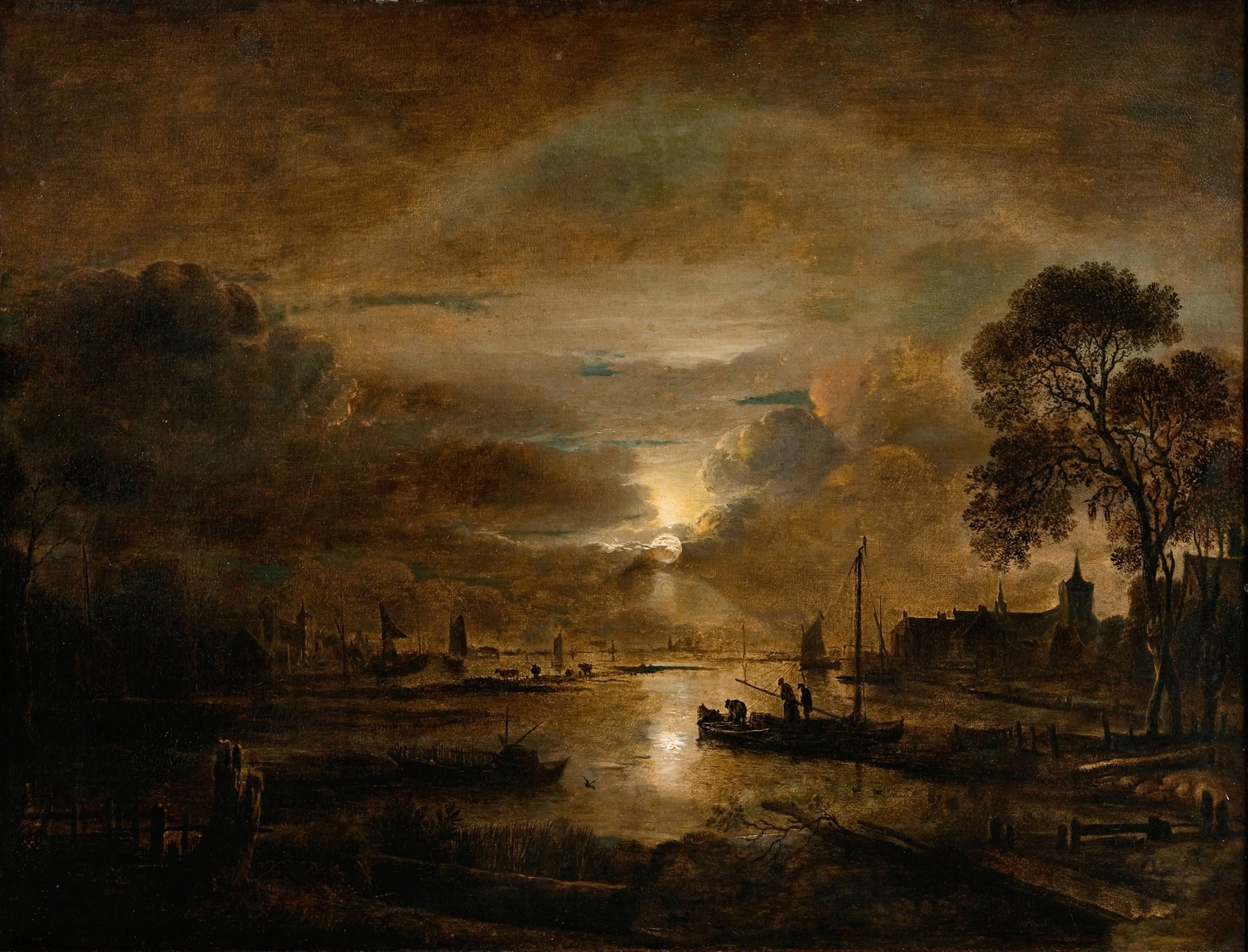
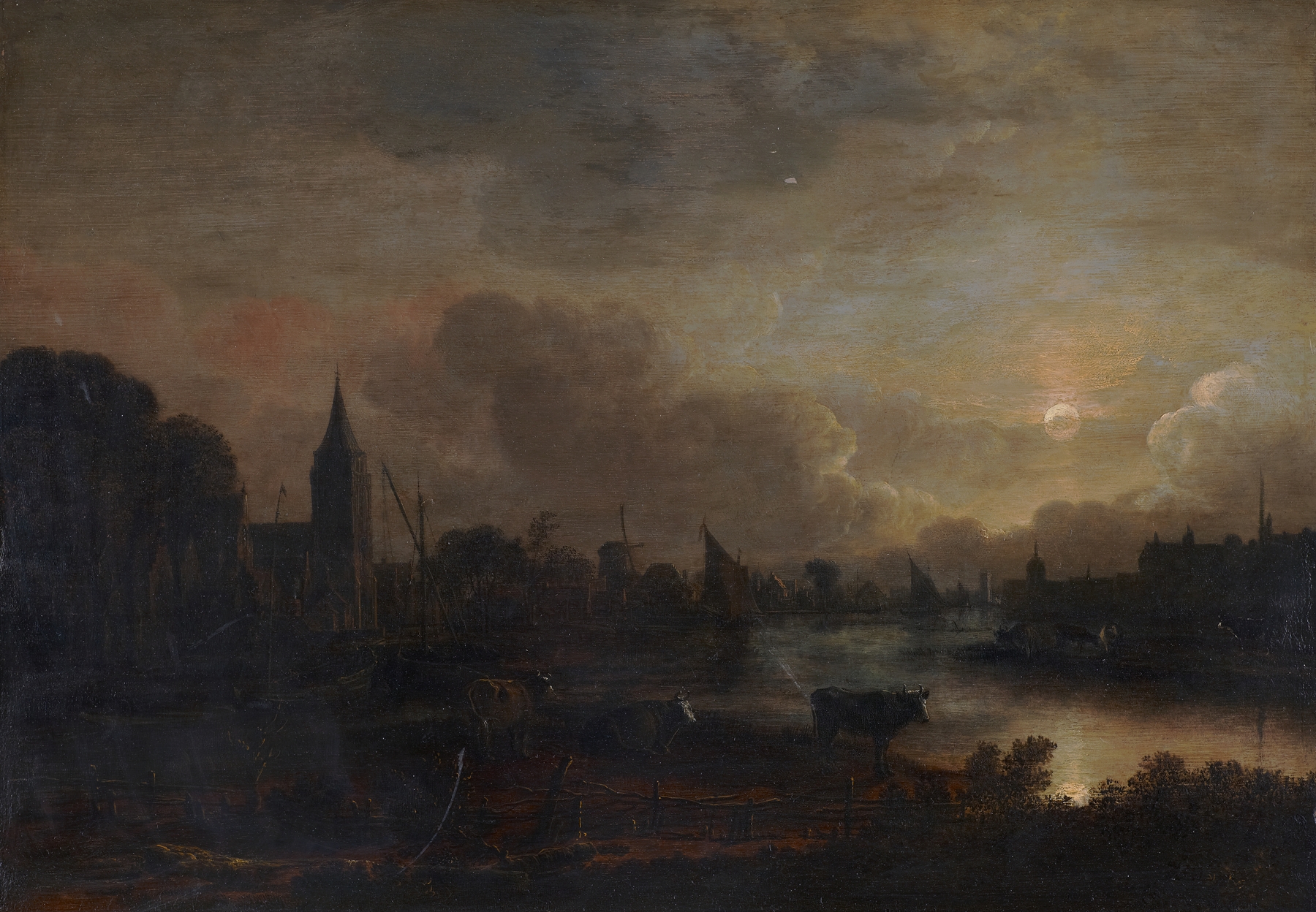
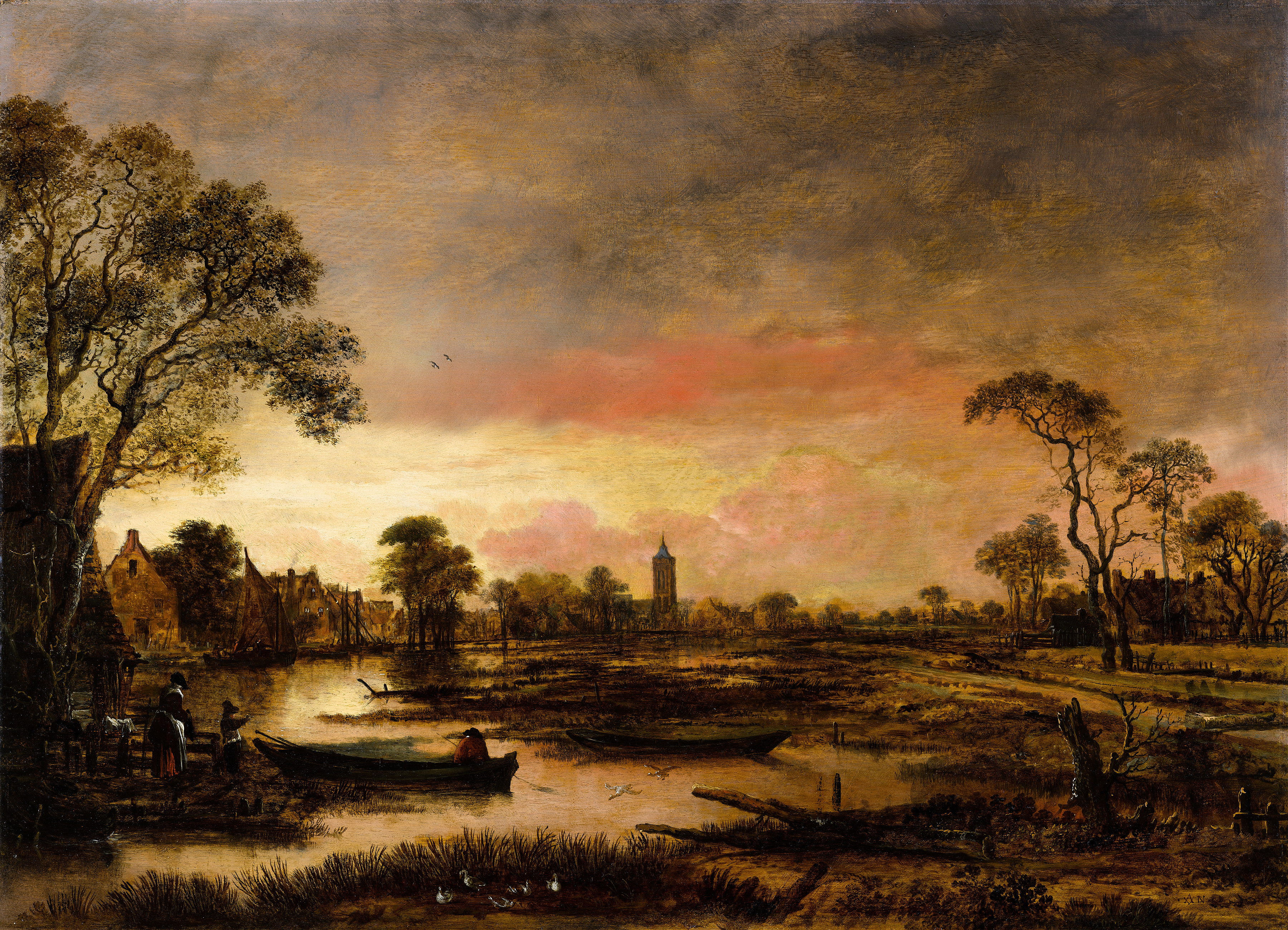
“Between color and silence, truth hides.” In the twilight of existence, time becomes an ethereal tapestry that envelops the heart of our memories. Look to the left of the canvas; the windmill stands sentinel against the backdrop of a night sky, painted in deep indigos and soft silvers. Notice how the moonlight gracefully spills across the landscape, illuminating the gentle ripples of the water below. The luminescent glow contrasts sharply with the shadows that stretch across the fields, creating a dialogue between light and dark that breathes life into the scene.
Each brushstroke captures not merely the physical beauty but the fleeting nature of the moment. The moonlit landscape holds deeper significances; the solitary windmill suggests themes of solitude and industriousness, evoking the passage of time as the blades slowly turn against the celestial backdrop. The reflections in the water invite contemplation, mirroring the sky yet remaining bound to earth, reminding us of the delicate balance between aspiration and reality. The interplay of stillness and motion, light and shadow, evokes a bittersweet nostalgia, hinting at lost moments that linger like echoes in our minds.
In the early to mid-1650s, Aert van der Neer worked amidst the rise of Dutch landscape painting, a period rich with exploration of light and atmosphere. Living in Amsterdam, he was influenced by the burgeoning interest in nature and the sublime, reflecting the changes in society and the environment. His works often captured the transient beauty of day and night, a testament to his ability to infuse ordinary scenes with profound emotional resonance.