Mountain Lake — History & Analysis
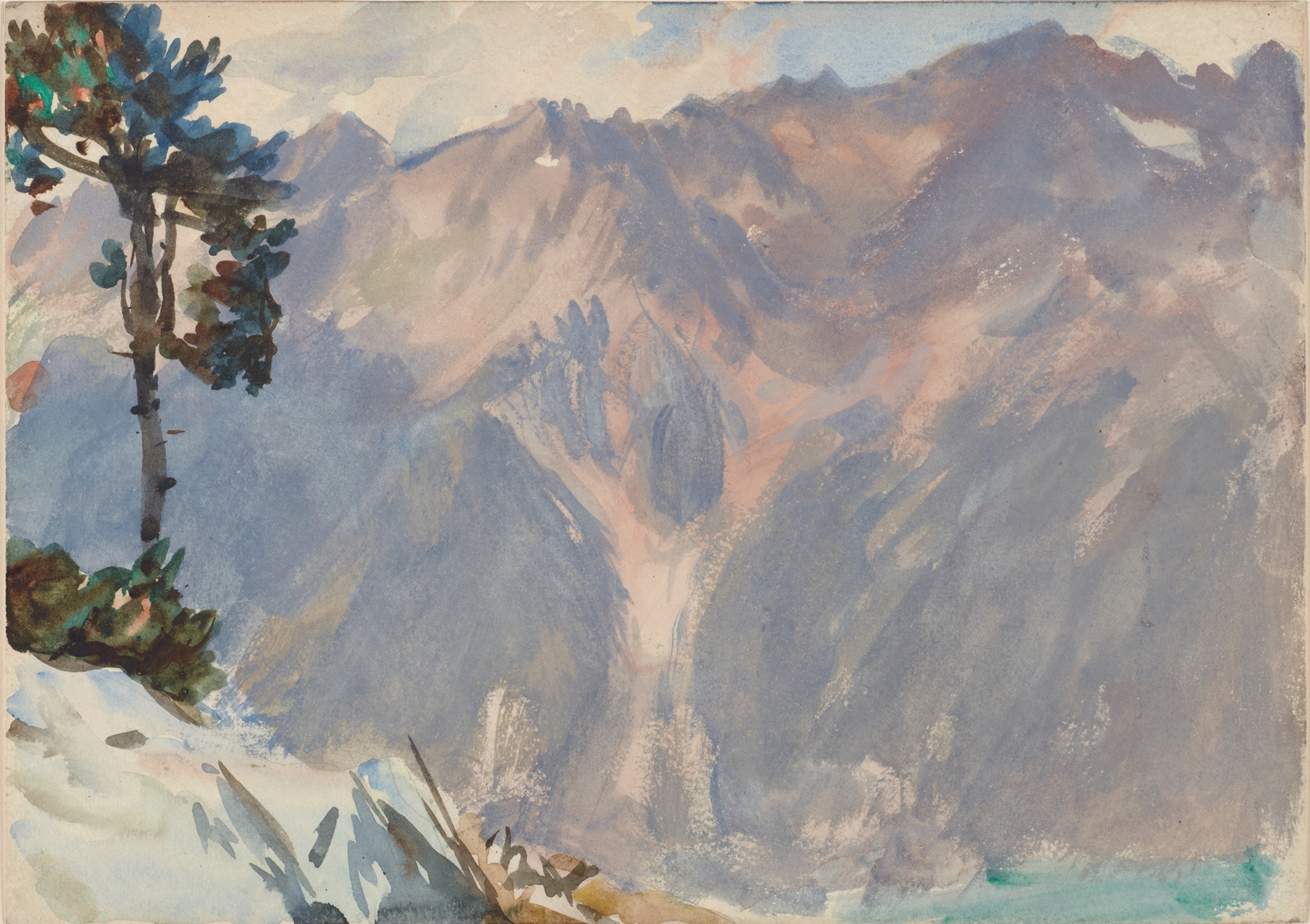
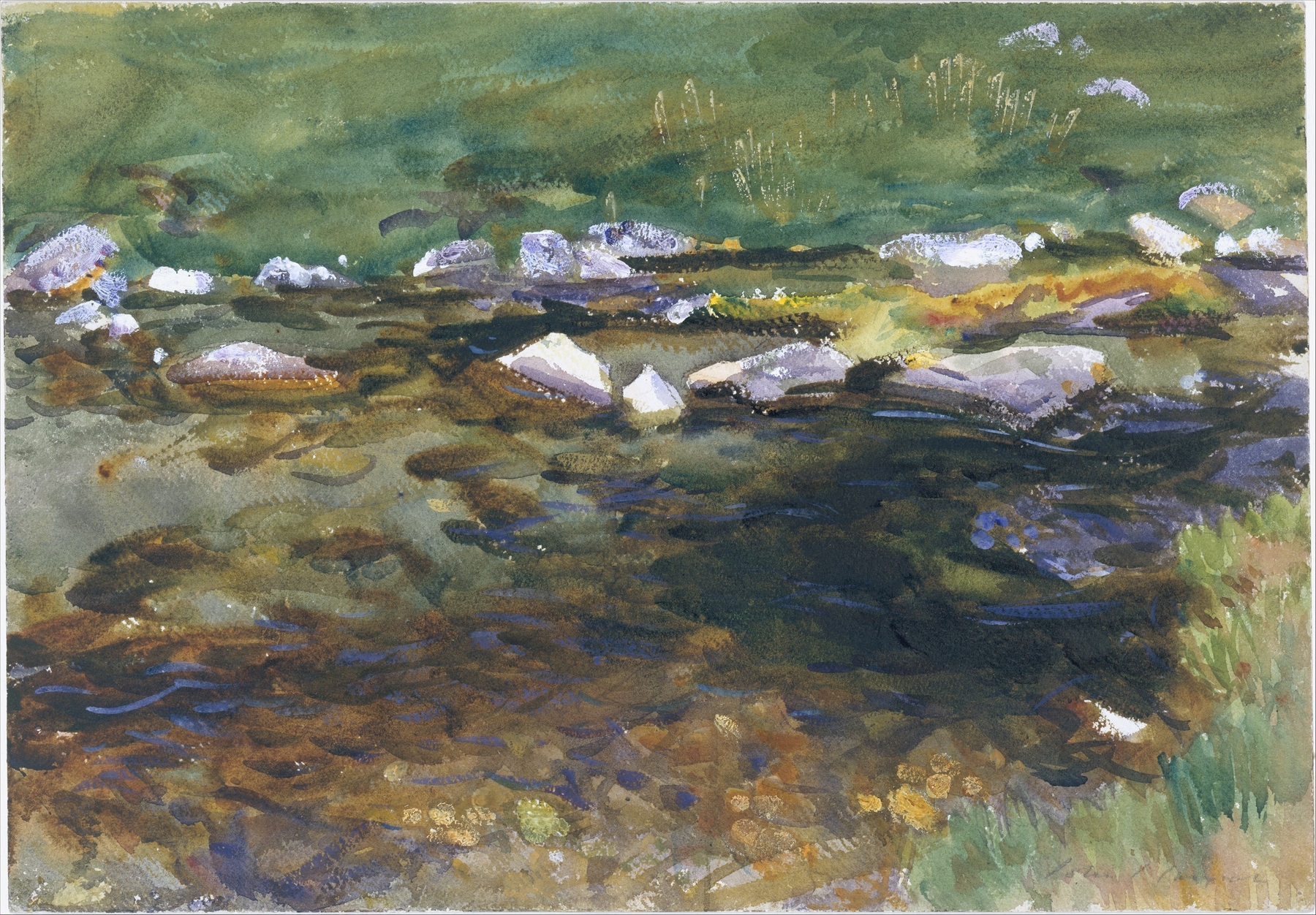
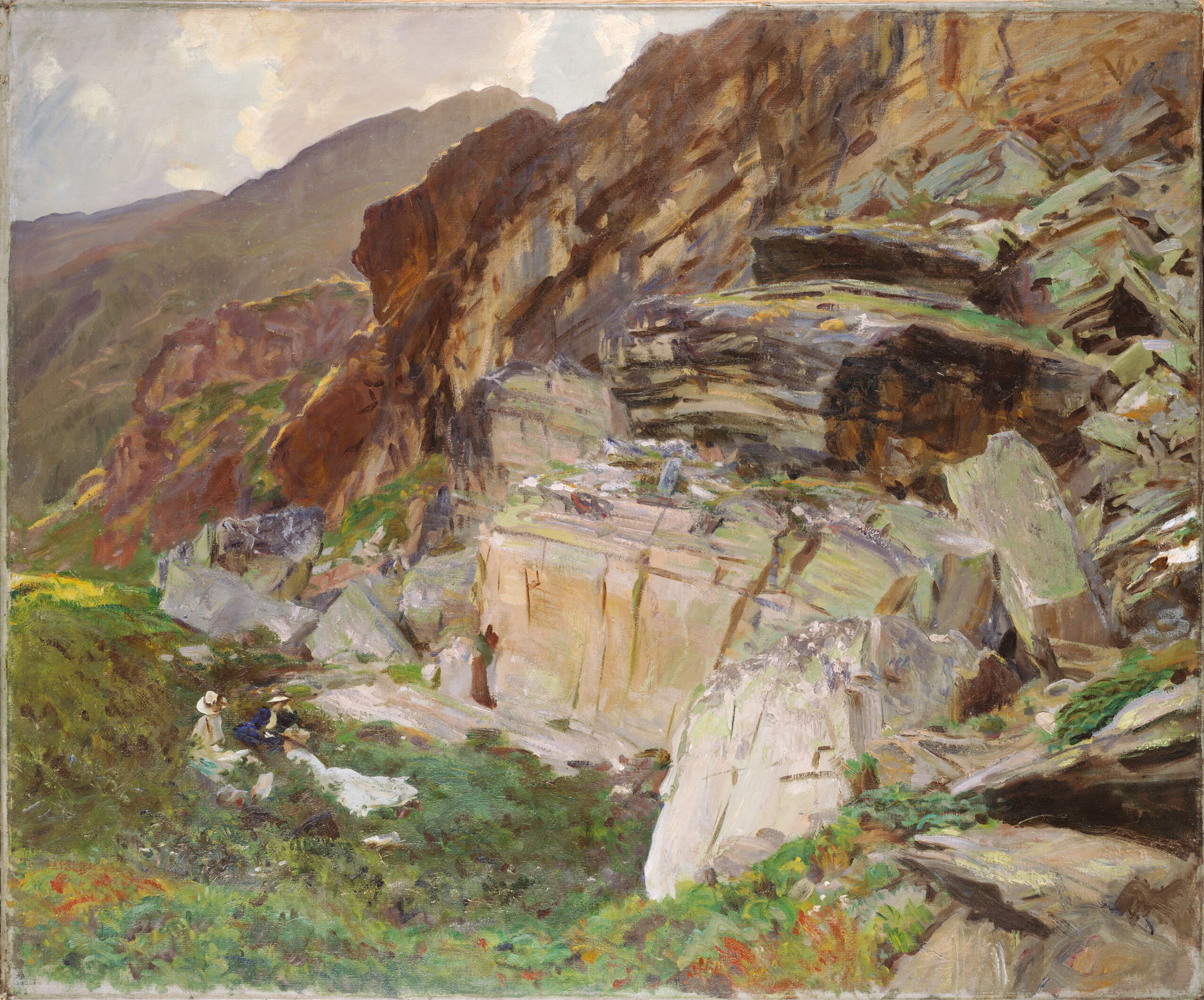
“Sometimes beauty is just pain, disguised in gold.” This thought lingers like a whisper, evoking the bittersweet nature of memory, as we gaze upon a tranquil mountain lake. Look closely at the shimmering surface of the water, where soft brushstrokes create a delicate interplay of light and shadow. The surrounding trees, painted with lush greens and deep browns, frame the lake, inviting you to explore the scene further. Notice how the reflected hues dance upon the water, blurring the lines between reality and reverie, while the cool blues are tempered by hints of warmth.
Each stroke feels intentional, crafting a moment suspended in time. Yet, beneath this placid exterior lies a complexity that speaks to deeper emotional truths. The serene landscape suggests solace, but the starkness of the mountains looming overhead hints at isolation and the weight of unspoken histories. As the vibrant colors blend into muted tones around the edges, they echo the fleeting nature of recollections, suggesting that the beauty of this scene belies the passage of time and the ache of forgotten stories.
In 1870, John Singer Sargent painted this piece while he was living in Paris, navigating the complex world of art that was shifting towards Impressionism. As a young artist, he was exploring his style, merging the influences of his European training with his distinct sensibilities. The art world was in a state of flux, and Sargent was at the cusp of his own artistic evolution, capturing not just landscapes, but the very essence of memory and experience in his work.